

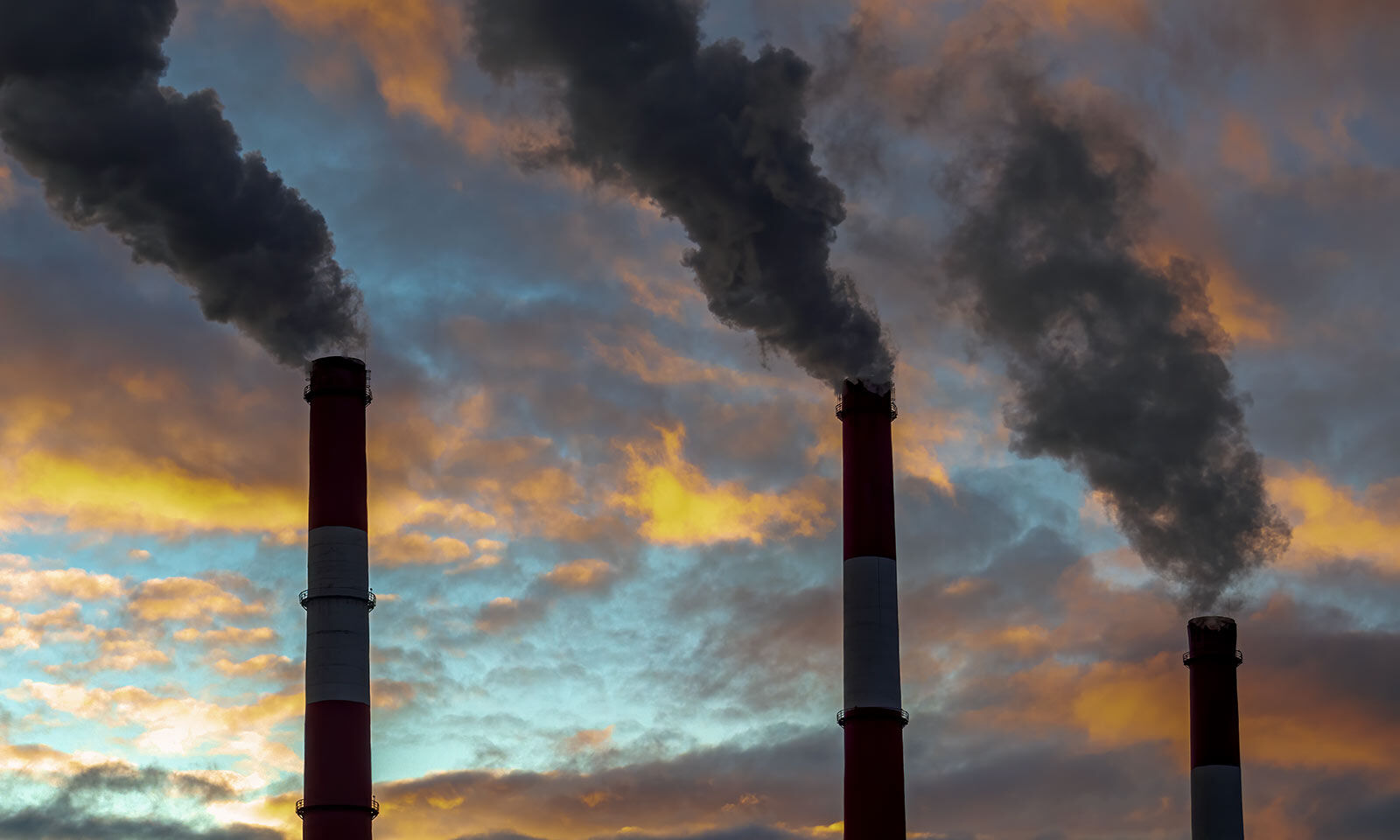
The emissions trading scheme in Surat succeeded in diminishing pollution levels by 20-30% together with decreasing regulatory expenses by 11% per study in The Quarterly Journal of Economics. The implementation of Cap-and-Trade pollution permit trading in Surat functions as a market-based policy approach to environmental management. The existing model proves applicable for future national-scale implementation to combat industrial pollution throughout India as it promotes sustainable environmental solutions.
Context:
-
Scientists published research about Surat’s Emissions Trading Scheme in The Quarterly Journal of Economics which established the program as India’s initial experimental particulate emissions market.
-
This program proved to be highly effective by cutting pollution levels across the city through Cap-and-Trade system implementation.
-
The research investigation recorded pollution decreases by 20-30% coupled with an 11% decrease in financial compliance expenses.
-
The ETS model implemented in Surat delivers important lessons which can help expand Cap-and-Trade systems throughout various Indian cities.

What is Cap-and-Trade?
-
Under Cap-and-Trade policy the government announces pollution emission limits that determine the total allowable pollution output by industrial enterprises.
-
Government entities distribute pollution permits to companies that restrict their allowed pollutant emissions.
-
The excess pollution permits belonging to a company whose emissions stay under the designated threshold may be sold to companies that have difficulty reaching their pollution limits.
-
Cap-and-Trade serves as a financial mechanism which both drives companies to minimize pollution because permit sale brings profits.

How Cap-and-Trade Works:
-
Regulatory Cap Settings: The government establishes a pollution control threshold that represents their predetermined environmental targets (air quality and climate targets).
-
Permit Distributions: Pollution permits get distributed either without fee fees according to historical emission rates or through marketplace auctions to establish permit value.
-
Trading System: Through their trading system companies could sell any excess permits to other entities that purchase them.
-
Penalties: The law imposes financial consequences against firms which exceed their emission limits while lacking sufficient permits.
Challenges of the Cap-and-Trade Model:
-
Monitoring Gaps: The system requires exact real-time emissions data therefore needs continuous system monitoring through Continuous Emissions Monitoring Systems (CEMS) and strict enforcement of their use.
-
High expenses: Manufacturing facilities with limited budgets face high expenses when they establish CEMS systems along with other required installation costs.
-
Market manipulation: When proper regulatory control is absent industries are able to manipulate permit prices for their own benefits which leads to corruption within the system.
-
Sectoral Variations: The costs for pollution control vary among different industrial sectors as select businesses gain higher profitability in the permit market.
-
Policy Instability: Aptitude instability within pollution regulations induces doubt about clean technology investments because changes may occur unpredictably.
Way Ahead for Cap-and-Trade in India:
-
Expansion to other cities: The ETS should expand to polluted urban industrial centers across the nation including Delhi and Ahmedabad because this move would establish a unified framework for pollution management across the country.
-
Covering more pollutants: The ETS should expand its scope by incorporating sulfur dioxide (SO₂) and nitrogen oxides (NOx) among the targeted pollutants because this addition addresses a wider range of industrial pollution.
-
Investment in CEMS: The installation of tamper-resistant CEMS technology demands increased financial backing because it will improve regulatory compliance with integrity measurements.
-
Dynamic Emission Caps: Emission caps of a dynamic nature must be put in place because these limitations need to adjust based on seasonal changes in pollution alongside regular changes in industrial operations.
-
Direct Stakeholder participation: The successful adoption of the program will result from direct stakeholder participation including industries and citizens because of improved awareness initiatives.
Conclusion:
The emissions trading system of Surat proves that market-driven cap-and-trade approaches enable compatible developments of business expansion with environmental safeguards. This successful pollution control system proved capable of cutting pollution and enforcement costs simultaneously thus providing essential knowledge for national expansion. Implementing this scheme across additional industrial cities while increasing pollutant oversight will enable India to meet its clean air objectives through efficient industrial development.
Related Current Affairs
 IMD Issues Big Warning: More Heatwave Days, Higher Minimum Temperatures
 Toothless Plastic Ban: 84 percent of Sites Still Using Single-Use Plastics
 Mangroves in Focus After Supreme Court Verdict on Coastal Road Project
 World Water Day 2026 Highlights Water and Gender Theme
 World Bank Approves $300 mn Loan to UP for Clean Air Transition
 New Parasitic Wasp Species Discovered in Assam Tea Estate
 Indian company lays foundation of world’s 1st autonomous maritime shipbuilding centre in Andhra
 Goa Set to Release Its First Biodiversity and Culture Map
 Gujarat Becomes India’s No. 1 Renewable Energy Contributor
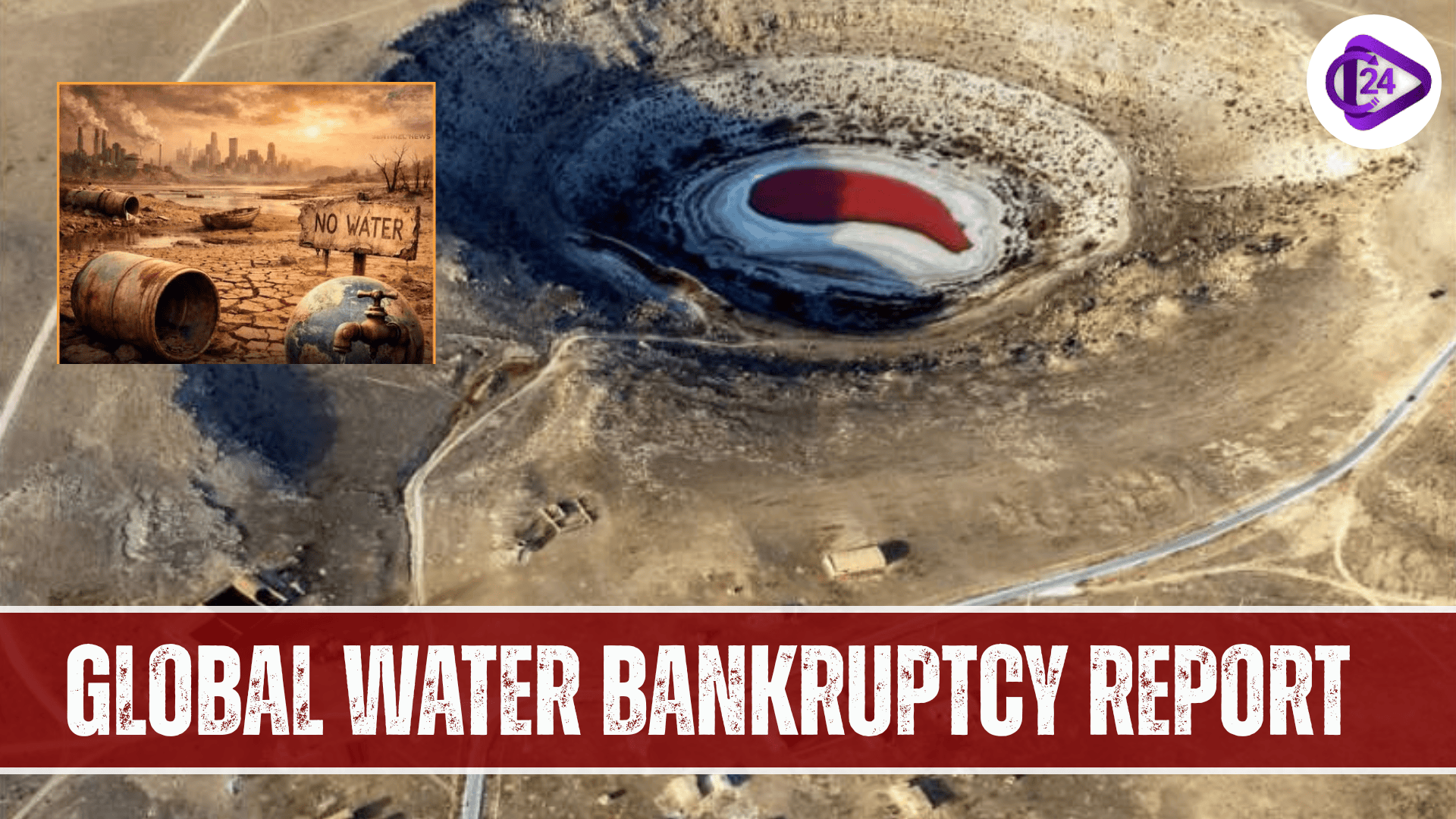 Global Water Bankruptcy Report
SSC CGL Demo Course

SSC CGL SELECTION CURRENT BATCH

Complete Current Affairs 2025-26 Batch by Bhunesh sir

GK GS Complete Course by Bhunesh Sir

Science Special Batch

Detailed Current Affairs 2025-26 & GK GS Complete Course Combo Batch by Bhunesh sir