
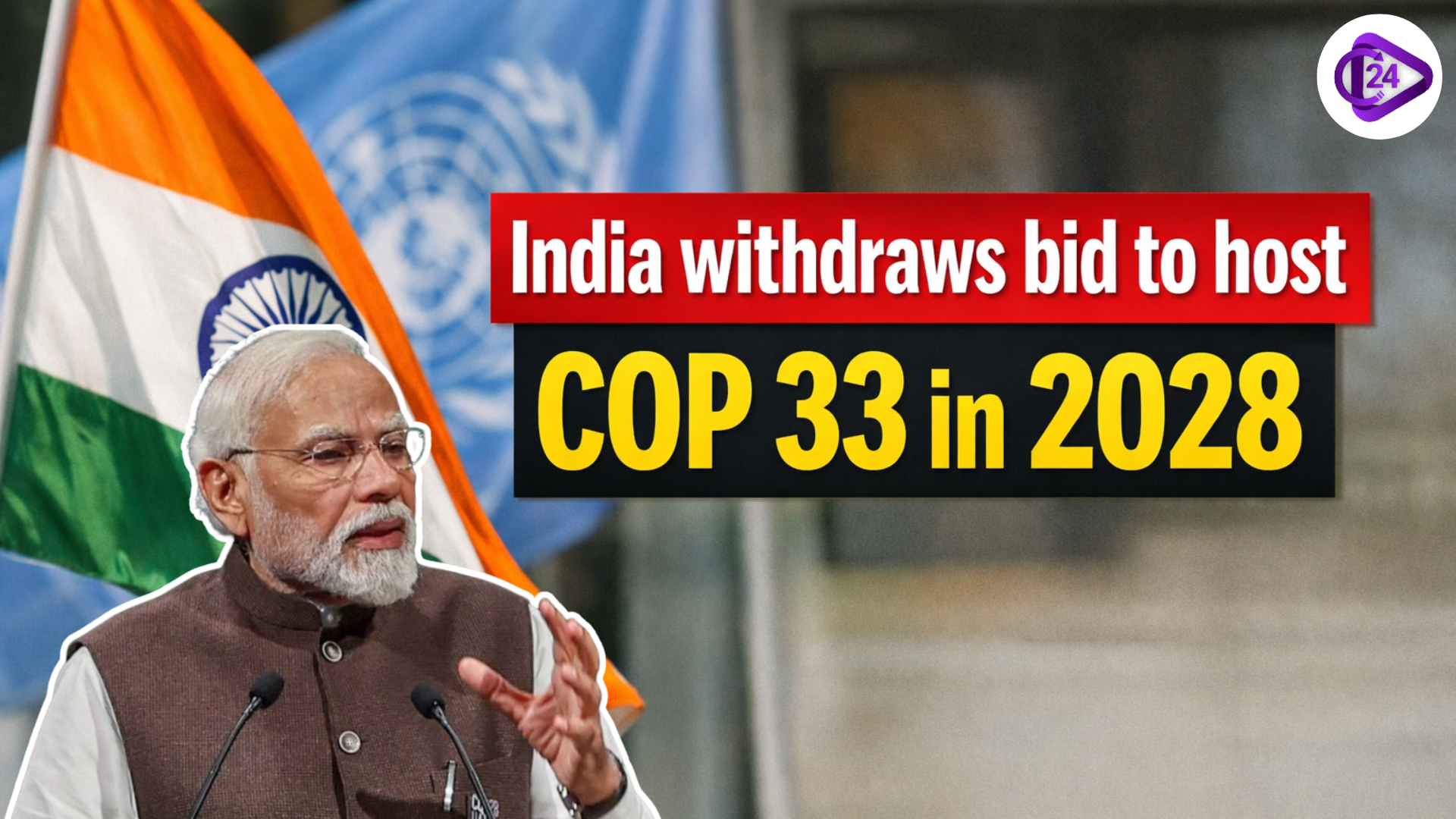
India officially announced that it will not host COP33 in 2028, which has led to debates in the international climate and diplomatic communities. The ruling comes amidst a time when the negotiations regarding climate are getting more complex, as countries weigh the environmental obligation against national interests. A hosting a Conference of the Parties (COP) is viewed as a prestigious event and as a logistical challenge, it needs to be accompanied by enormous financial, administrative and infrastructural investments. This withdrawal is an indication of a change in approach to global climate engagement, as India had previously been very interested in hosting the summit to demonstrate its leadership on climate.
Why Did India Step Back from Hosting COP33 in 2028?
-
The Indian pullout is an indication of a re-evaluation of the high financial and logistical cost of hosting such a massive event as Conference of the Parties (COP).
-
Such a summit is accompanied by a lot of infrastructure development, security and international coordination.
-
The government might be giving priority to local climate projects at the expense of hosting international events.
-
India is still an active party in climate negotiations in the United Nations Framework Convention on Climate Change.
-
The competing national priorities such as economic growth and energy security may affect the decision.
-
To host COP, it needs political agreement and long term planning that might have changed as a result of the shift of policy focal point.
-
This is because several years of organization is required since India has never hosted such a large global event before.
-
The withdrawal provides a chance to other countries to volunteer to host COP33.
-
India is yet to be a key participant in climate negotiations, particularly in the role of the developing countries.
-
The shift does not indicate a withdrawal of climate commitments but a re-calibration of approach.

Conclusion
The move by India to withdraw its bid to host COP33 in 2028 is a pragmatic decision on how to balance global responsibilities with domestic interests. Although the host of such a high profile climate summit would have enhanced the international reputation of India, the move appears to indicate that emphasis has been placed on the enhancement of internal climate action and sustainable development. Notably, this move does not reduce the obligation of the country to world climate action in the United Nations Framework Convention on Climate Change. Rather, India will continue to be a key negotiator, championing fair climate policies as it seeks to do meaningful, on-the-ground environmental action back home.