

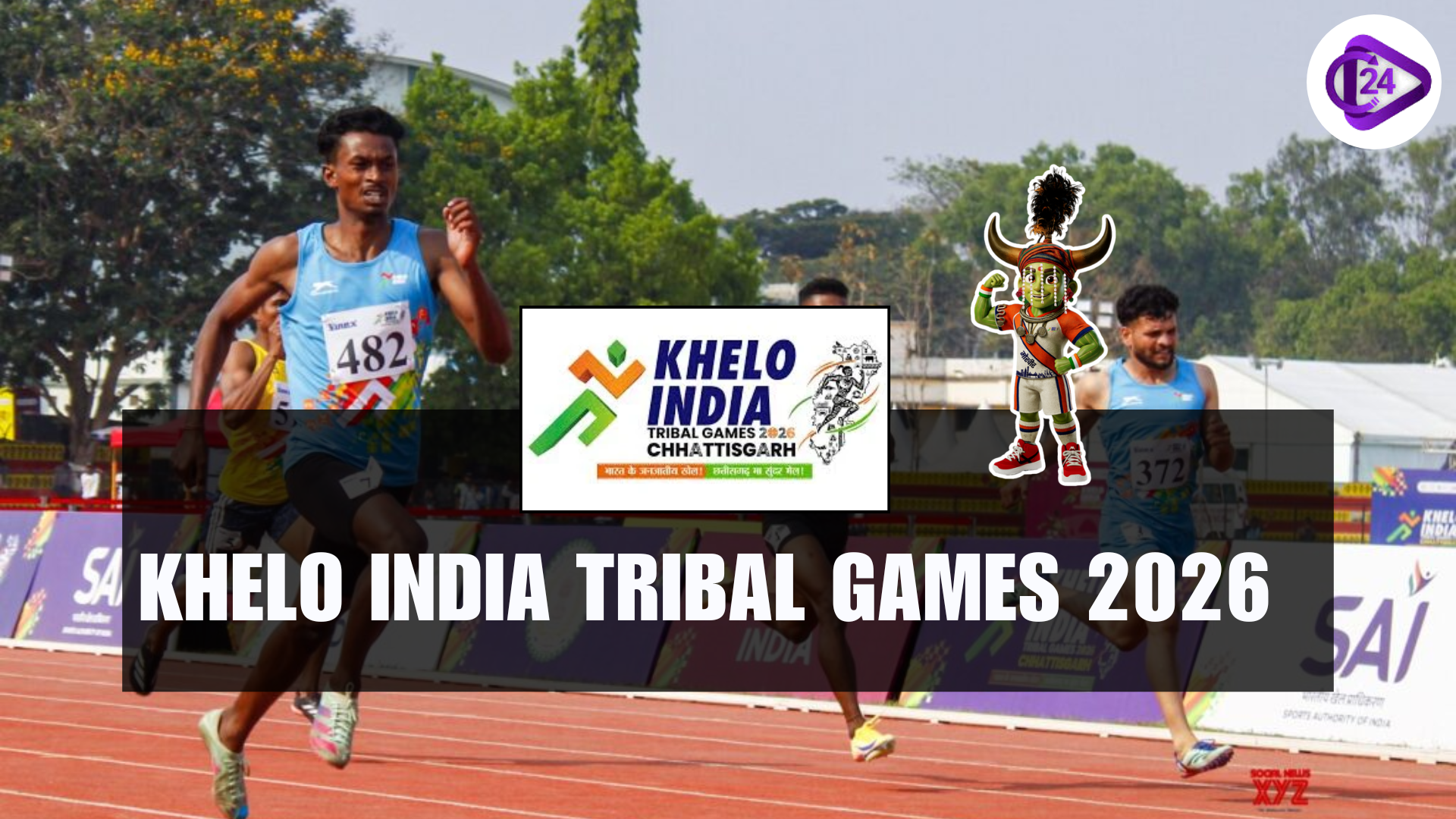
Khelo India Tribal Games 2026 is a historic national event that will be held specifically for tribal sportsmen as a part of Khelo India programme. The Games will take place in Chhattisgarh from 25 March to 3 April 2026, uniting thousands of people throughout the country. This programme aims to recognise untapped talent in the remote tribal areas and encourages the sports and culture of the natives. It is also geared towards building grassroots sports development and inclusivity, and offering tribal youths opportunities to advance to mainstream national and international sporting platforms.
Khelo India Tribal Games 2026: Key Highlights, Objectives, and Impact
- The first multi-sport national event for tribal athletes in India.
- It is arranged as the Khelo India project of the Government of India.
- To be held between 25 March and 3 April 2026.
- Organised in several locations such as Raipur, Jagdalpur and Surguja in Chhattisgarh.
- Involvement of around 3,000-3800 athletes in more than 30 states and union territories.
- Hosts 7 key sports of the medals, which guarantee competitive participation at the national level.
- The most important sports are athletics, archery, football, hockey, swimming, wrestling, and weightlifting.
- There are also traditional and demonstration events that indicate the culture of tribal sporting.
- Offers a national stage whereby tribal young people can present their talent and abilities.
- Concentrates on the identification of talented athletes to compete in future national and international events.
- Encourages conservation and appreciation of native tribal sports and heritage.
- Helps incorporate remote and rural athletes into the mainstream sports system.
- Provides access to professional coaching, infrastructure, and competition.
- Promotes inclusion, equality, and engagement between tribal communities.
- Increases the confidence, discipline, teamwork, and general personality growth of participants.
- Invests in long-term development of athletes by providing Khelo India opportunities, such as training and scholarships.
- Brings about understanding of tribal culture, traditions and heritage at the national level.
- Helps in the development of tourism in the host destinations.
- Enhances the vision of sports and promotes all grassroots sports in India.
Medal Tally: Khelo India Tribal Games 2026
| Rank | State/UT | Gold 🥇 | Silver 🥈 | Bronze 🥉 | Total Medals |
| 🏆 1 | Karnataka | 23 | 8 | 7 | 38 |
| 2 | Odisha | 21 | 15 | 21 | 57 |
| 3 | Jharkhand | 16 | 8 | 11 | 35 |
| 4 | Maharashtra | 6 | 10 | 4 | 20 |
| 6 | Assam | 5 | 14 | 12 | 31 |
| 9 | Chhattisgarh | 3 | 10 | 6 | 19 |
| 11 | Madhya Pradesh | 2 | 3 | 6 | 11 |
| 14 | West Bengal | 2 | 0 | 0 | 2 |
| 15 | Jammu and Kashmir | 1 | 4 | 3 | 8 |
| 19 | Bihar | 1 | 1 | 0 | 2 |
| 22 | Rajasthan | 0 | 3 | 2 | 5 |
About: Khelo India Tribal Games 2026
- Organising Ministry: The games were organised by the Government of Chhattisgarh, Sports Authority of India, IOA and the Ministry of Youth Affairs and Sports.
- Official Mascot: The official mascot is called Morveer, which means courage, strength, and tribal identity. The name is a mix of Mor (our) and Veer (bravery), which indicates community pride.
- Most successful athlete: Karnataka swimmer Manikanta L was the ultimate winner of the highest number of medals, 8 gold and 1 silver.
- Best Female Athlete: Anjali Munda of Odisha was awarded 5 gold medals, making her the best female performer.
- New / Demonstration Games: In addition to 7 medal sports, traditional games such as mallakhamb and kabaddi were also held as demonstration games to market indigenous sports.
- Significance: The Games are a significant avenue of identifying tribal talent and linking it with national-level training and opportunities as per Khelo India pathway.
Conclusion – Khelo India Tribal Games 2026
Khelo India Tribal Games 2026 is a great demonstration of how India is determined to develop sports inclusively through the hosting of tribal athletes at a national level. It was held under the Khelo India programme, where more than 3,000 athletes competed in various disciplines. The mascot of the team was the tribal pride of Morveer, and the performance of such unique talents as Manikanta L and Anjali Munda demonstrated the high level of talent. The incorporation of the traditional games also enhanced cultural protection, and thus the event was a strong tool for identifying talents and promoting grassroots sports.