
Daily Quizzes
Mock Tests
No tests attempted yet.
Select Category
How to Manage Exam Stress and Anxiety

Enquire Now
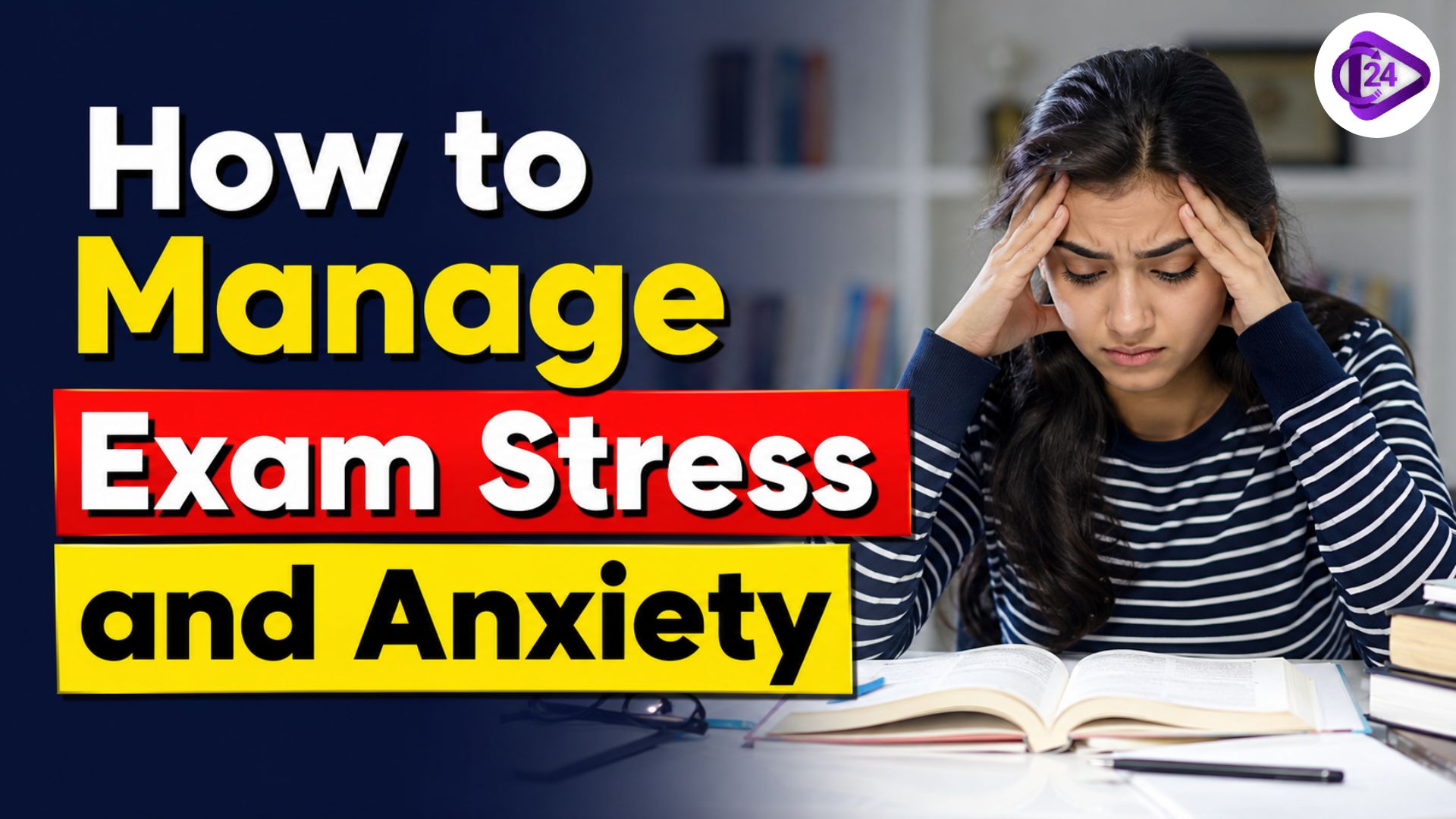
Exams are one of the most stressful periods for students of any age. It is very common to feel overwhelmed, whether it's for school exams, board exams, or competitive exams. If not managed well, exam stress and exam anxiety can impact the concentration, memory and overall performance of a student. The bottom line is that, if you use the appropriate strategies, you can decrease your anxiety levels, remain calm, and do your best. This blog will focus on effective research-backed strategies to reduce exam stress and anxiety to help you enter the exam hall with confidence.
What Causes Exam Stress and Anxiety?
First, it's important to look into the reasons for the occurrence of study stress and exam pressure. Common causes include:
- Fear of failure or disappointing parents and teachers
- Failure to prepare or cram for tests.
- Comparing yourself with other students
- The lack of proper time management and arriving at examination dates in a panic.
- Expectations from self and family that are not sensible or realistic
- Negative experiences in exams.
Tips to Reduce Exam Stress Before Exams
Here are some of the most effective tips to reduce exam stress before exams that students across age groups can use:
1. Start Preparation Early
Procrastination is one of the major causes of exam pressure. You will get the chance to complete the syllabus without rushing your revision, and this will, naturally, reduce anxiety levels if you begin your revision weeks ahead of time, rather than a few days before the test.
2. Create a Realistic Study Timetable
Time and Exam pressure management is a question that every student asks. The key is to set up a schedule that distils your syllabus to tiny goals to be done by the day. Don't over-stretch one day and always leave some time for revision.
3. Practice Previous Years' Papers
By solving previous years question papers and sample papers, you will gain an insight into the exam pattern, improve your speed and increase your level of confidence and thus reduce anxiety levels.
4. Take Regular Breaks
Practicing for hours on end without rest makes learning more tiring and stressful. Use techniques such as the Pomodoro method of studying for 25-30 mins and then taking a break for 5 mins, to keep your mind fresh.
How to Overcome Exam Fear Naturally
One of the quickest ways to relax your nervous system is with breathing exercises to relieve exam anxiety. Try this simple technique:
- Inhale slowly through your nose for 4 seconds
- Hold your breath for 4 seconds
- Slowly breathe out for 6 seconds through your mouth.
- Do this 5-10 times when you notice yourself getting exam nervous.
Meditation and Mindfulness
Meditation can help to lower exam fear and stress even after just 10 minutes in a day. Mindfulness gives you a sense of "being here now" rather than being concerned about the results of the exam.
Positive Visualization
Visualize yourself calmly entering the exam hall, confidently answering questions, and walking out satisfied. This mental rehearsal helps you prepare in your mind to think of exams in a positive way instead of a fearful one.
Best Ways to Deal with Test Anxiety
If you're specifically looking for the best ways to deal with test anxiety, consider the following:
- Do not cram — this will cause panic and have an adverse effect on retention.
- Talk to someone — sharing your worries with parents, friends, or teachers can lighten the emotional load
- Change negative thinking — say to yourself, “I will do my best” instead of “I will fail.”
- Pay attention to effort, not perfection — remember that it is more about doing your best than getting a perfect score.
How to Stay Calm During Exams
Knowing how to stay calm during exams on the actual exam day is just as important as preparation. Here are some things you can do:
- Get up early and don't rush out of the door
- Have a light nutritious breakfast (no heavy or fatty foods)
- Arrive at the exam center early and not late.
- Read the question paper carefully before starting to answer
- Start with simpler questions to gain confidence before going to harder ones.
- Do not waste time, come up with minutes per question to manage during the exam.
How to Control Anxiety Before Exam Day
How to control anxiety before exam day is a concern for almost every student, especially the night before. Try these steps:
- Do not learn new material on the eve of the test — only revise what you have memorized.
- Arrange Exam Kit (Admit Card, Stationery, ID) in advance
- Don't talk to worried pals about the syllabus in the lead-up to the test
- Stretch or walk to get rid of tension.
How to Sleep Well During Exam Season
When the pressure of exams comes along, sleep is frequently the first thing to be disturbed and this impairs the ability to retain information and increases anxiety. Here are some tips for a good night's sleep through exam season:
- Have a regular bedtime routine even during periods of intensive study.
- Avoid screens (phone, laptop) at least 30 minutes before bed
- Don't consume caffeine late in the day.
- Get 7-8 hours of sleep the night before the exam
How to Stop Overthinking Before Exams
One of the typical causes of test anxiety is overthinking. Here are some tips on how to not overthink before exams:
- Write down your worries in a journal to get them out of your head
- Determine a time of worry (e.g., 10 minutes) and then intentionally redirect your attention to studying.
- Move around with light exercise, such as walking or stretching, to help change the pattern of thinking
- Keep in mind that one test is not the end of the world!
Natural Remedies for Exam Stress and Anxiety
Along with the techniques above, some natural remedies for exam stress and anxiety include:
- Herbal teas, such as chamomile or green tea, that have a calming effect.
- Lavender oil for relaxation, aromatherapy.
- Exercise to release stress hormones regularly (yoga, walking, light exercise)
- A balanced diet of fruits, hydration and an increase in nuts to control energy levels up and down.
- Avoiding caffeine and sugar, which might heighten restlessness and anxiety
Effective Study Techniques to Reduce Stress
- Active recall – test yourself, do not re-read notes
- Spaced repetition — brushing up on subjects over time
- Mind Mapping: Organizing information in a visual way to facilitate understanding.
- Group study (with moderation) — tough topics with peers help to clear up confusion and eliminate isolation in moderation
Important Links
| JEE Advanced Exam Dates 2026 | JEE Advanced Exam Pattern 2026 |
| JEE Advanced Previous Year Question Papers | JEE Advanced Cut-off 2026 |
| JEE Advanced 2026 Exam Day Guidelines | JEE Advanced Preparation Tips |
Conclusion
Exam stress and exam anxiety are a natural part of being an exam taker, but not a determining factor in your performance or well-being. You can prepare for exams with a more relaxed and confident attitude by beginning your preparation early, practicing breathing techniques to reduce exam anxiety, keeping healthy sleep habits, and implementing effective stress management strategies. It's also important to keep in mind that mental health is as significant as marks; a relaxed mind is a much more effective performer than an anxious mind. Implement the tips offered in this blog not only when you are facing exams, but also on a permanent basis in order to develop long-lasting resilience to exam pressure and exam fear.
Frequently Asked Questions