

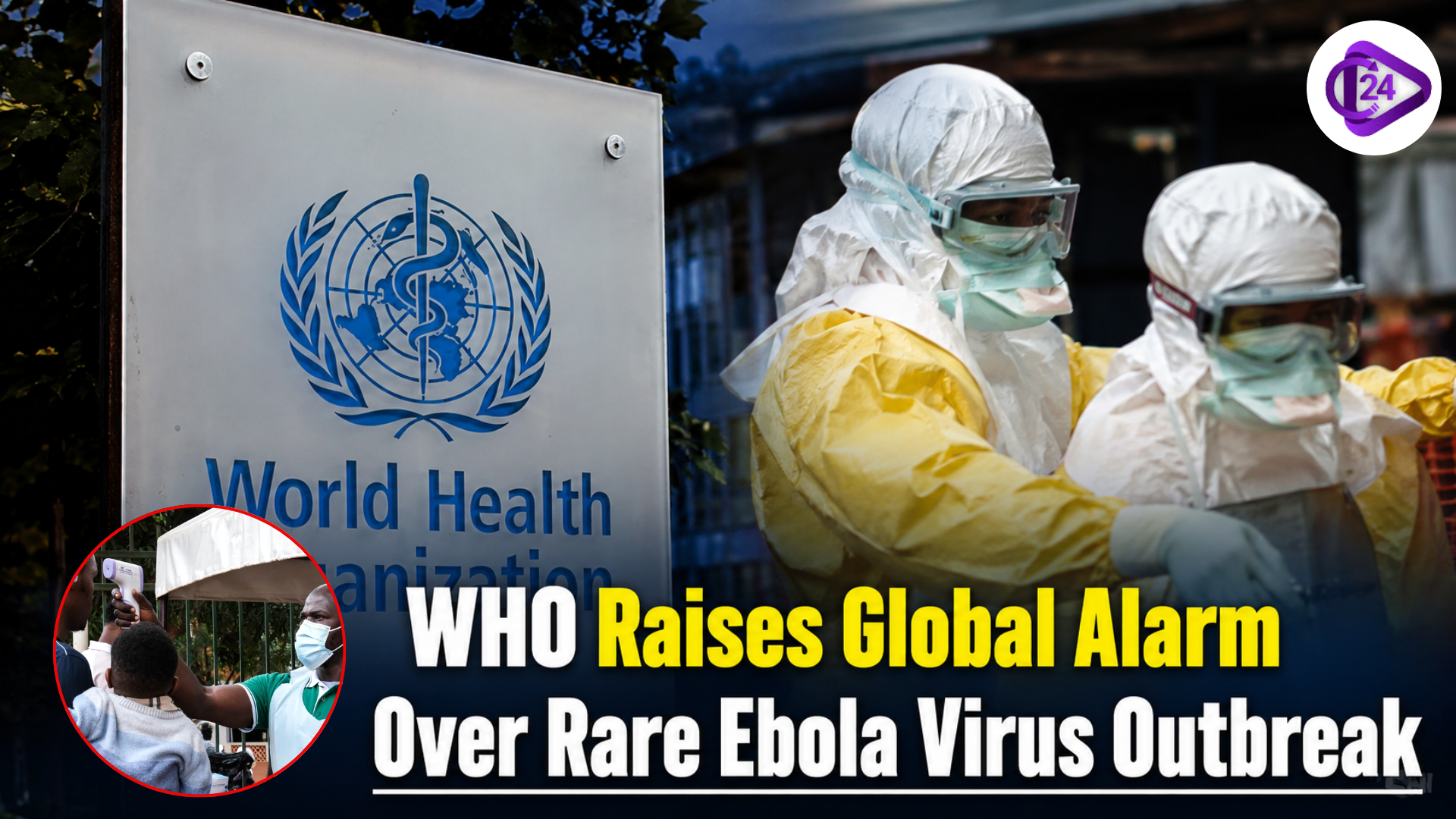
A new strain of the Ebola virus, dubbed the Bundibugyo strain, has been spreading outside of Africa and has infected people across both the Democratic Republic of Congo and Uganda, according to the World Health Organisation (WHO). There have been dozens of deaths and hundreds of suspected infections since the outbreak took place, with fears about its international spread. In contrast, the less frequently seen Bundibugyo strain of Ebola does not have a specific treatment or vaccine approved. Insufficient health care infrastructure, frequent residential mobility and the lack of stability in the region could exacerbate the situation, said WHO officials. To prevent any further spread, global health organisations are now focusing on surveillance, containment, rapid testing, and coordination with other countries.
Key Highlights of Rare Ebola Virus Outbreak
- The Ebola virus outbreak was declared a Public Health Emergency of International Concern (PHEIC) by the World Health Organisation.
- It is a rare outbreak of the Ebola virus—the Bundibugyo strain.
- Initial observations of cases were made in Ituri Province of the Democratic Republic of Congo (DRC).
- Uganda has also had confirmed cases of Ebola arising from travel across its borders.
- WHO claimed that there were hundreds of suspected infections and dozens of deaths.
- At this time, there is no licensed vaccination or anti-viral drugs for the Bundibugyo strain.
- Ebola is transmitted via direct contact with Ebola-infected body fluids.
- Signs of infection consist of fever, vomiting, bleeding, weakness and severe dehydration.
- Among the affected groups in the outbreak are healthcare workers.
- Underreporting could make the outbreak even bigger than it currently is, the WHO said.
- International spread, due to porous borders and population flow.
- Emergency personnel and resources are being sent out to impacted areas.
- Strengthening of infection prevention and surveillance systems.
- WHO recommended that countries not enact needless restrictions on travel or trade.
- The outbreak underscores the need for global health preparedness and response initiatives.
- Since 1976, the Democratic Republic of the Congo has had several Ebola outbreaks.
- Containment is challenging due to the humanitarian crisis and active armed conflict in the situation.
- Reducing the risk of transmission is through public awareness campaigns.
- African health officials are working with international agencies to control the outbreak.
- Topics engaging health organisations, disease and global governance, will benefit from the development.
PYQs Related to WHO, Ebola, and Global Health
| Exam Name & Year | Question | Options | Answer |
| UPSC Prelims 2020 | The headquarters of the World Health Organisation (WHO) is located in which city? | A. Paris B. Geneva C. New York D. Vienna | B. Geneva |
| SSC CGL 2022 | Ebola virus disease primarily spreads through which method? | A. Airborne transmission only B. Mosquito bites C. Contact with infected bodily fluids D. Contaminated soil | C. Contact with infected bodily fluids |
| UPSC Prelims 2019 | WHO is a specialised agency of which organisation? | A. IMF B. World Bank C. United Nations D. WTO | C. United Nations |
| SSC CHSL 2023 | Which continent has been most affected by Ebola outbreaks? | A. Europe B. Asia C. Africa D. Australia | C. Africa |
| State PCS 2021 | What does PHEIC stand for in global health terminology? | A. Public Health Emergency of International Concern B. Public Health Event in Countries C. Primary Health Emergency International Council D. Public Hygiene Emergency Infection Control | A. Public Health Emergency of International Concern |
Conclusion
The Ebola outbreak in central Africa has put global health security and international cooperation in terms of managing infectious diseases firmly back on the global agenda. WHO’s global health emergency declaration is a stark reminder that this situation isn’t to be taken lightly or poses a threat to domestic borders. The few vaccines and treatments available are not approved against the Bundibugyo strain, and there is also a need for prompt surveillance, early detection and infection control measures. The outbreak also highlights the difficulties for health systems in areas of conflict. The knowledge of institutions such as the WHO, disease outbreaks, and the emergency mechanisms in the world is extremely significant for general and current affairs, as well as competitive exams.