


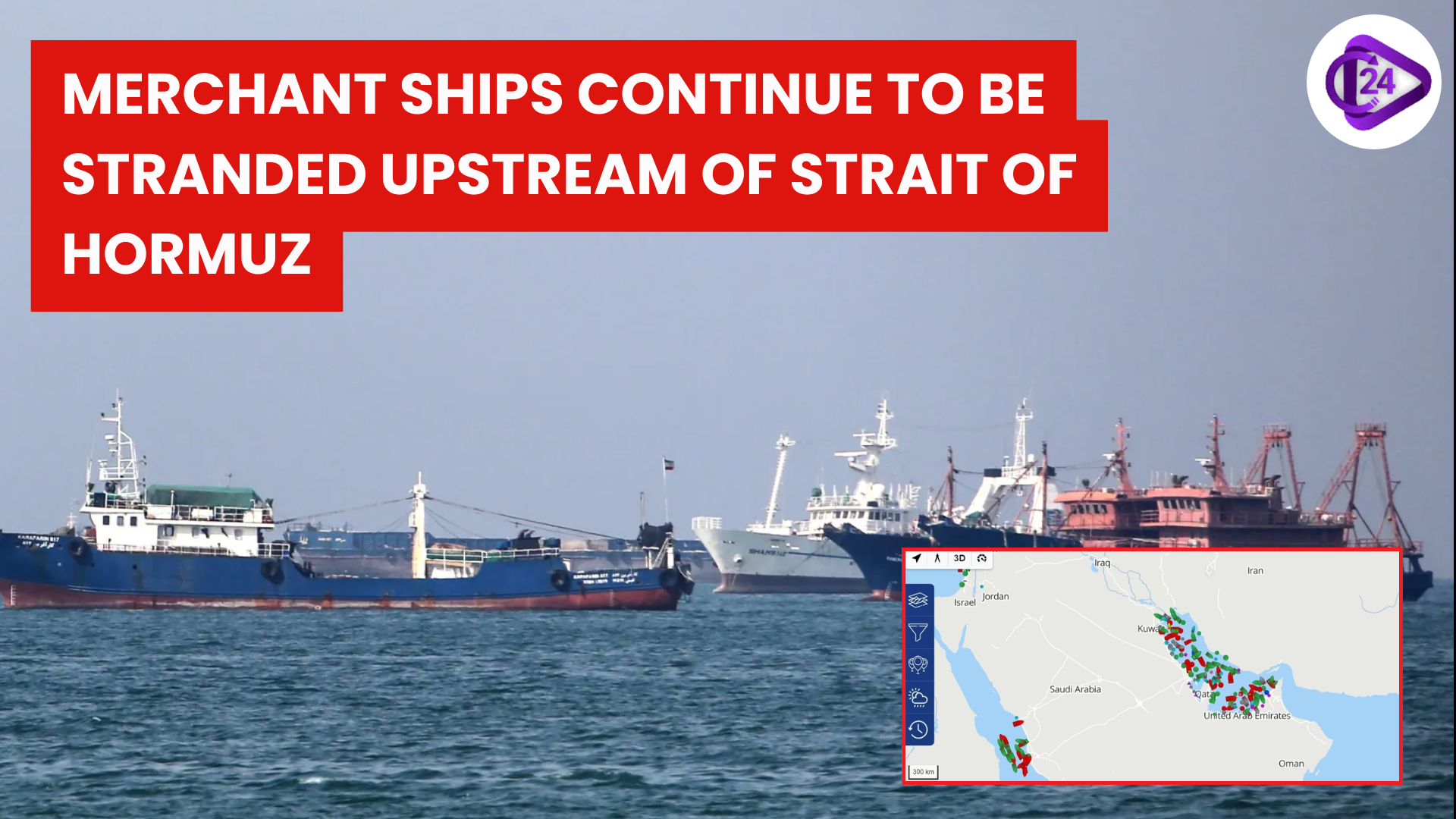
The strategic maritime corridor of the Strait of Hormuz has once again drawn global attention as several merchant vessels remain stranded in waters upstream of the narrow passage. This strait is one of the world’s most critical chokepoints for energy trade, connecting the Persian Gulf with the Gulf of Oman and ultimately the global oceans. Any disruption in this route can significantly affect international oil supply chains and shipping operations. Recent tensions and security concerns in the region have heightened risks for commercial shipping, forcing vessels to delay transit and raising concerns among global energy markets and maritime authorities.
Implications of the Strait of Hormuz Disruption
-
The Strait of Hormuz is considered the most important oil transit chokepoint in the world, through which nearly one-fifth of globally traded petroleum passes daily.
-
The narrow waterway links major oil-producing countries in the Persian Gulf to international markets via the Gulf of Oman and the Arabian Sea.
-
Countries such as Saudi Arabia, United Arab Emirates, Kuwait, Iraq, and Iran rely heavily on this route to export crude oil and liquefied natural gas.
-
Security tensions in the region have increased risks for commercial shipping, often forcing vessels to slow down or remain anchored until safe passage is ensured.
-
Merchant ships stranded upstream indicate potential congestion and operational delays in one of the world’s busiest maritime trade corridors.
-
Any disruption in this chokepoint can quickly influence global oil prices and energy security, especially for major importers like India, China, and Japan.
-
Naval patrols and international maritime security operations have increased in the region to ensure safe navigation and protect shipping lanes.
-
The situation also highlights the vulnerability of global trade routes to geopolitical tensions and regional conflicts.
-
Maritime analysts emphasize the need for diplomatic engagement and coordinated security measures to maintain stability and uninterrupted shipping in the region.
-
Continued disruptions could encourage countries to diversify energy routes and strengthen strategic petroleum reserves to reduce dependence on a single chokepoint.
Varanasi Sets Guinness Record with Massive Plantation Drive
Conclusion
The continued stranding of merchant vessels near the Strait of Hormuz underscores the vulnerability of global trade routes to geopolitical tensions and security concerns. As a critical chokepoint linking the Persian Gulf with international markets through the Gulf of Oman, any disruption can have far-reaching consequences for energy supply, shipping logistics, and global oil prices. The situation highlights the importance of maritime security, diplomatic engagement, and international cooperation. Ensuring the safe and uninterrupted movement of vessels through this vital corridor remains essential for maintaining stability in global energy markets and sustaining international trade flows.