






Daily Quizzes
Mock Tests

RBI Cancels Paytm Payments Bank Licence: Key Reasons & Impact

Overview: The RBI has cancelled Paytm Payments Bank’s licence citing serious regulatory and governance failures. The bank is barred from all operations, and winding-up proceedings have begun. The move highlights strict regulatory action to protect depositors and strengthen the banking system.


RBI Cancels Paytm Payments Bank Licence: Key Reasons & Impact

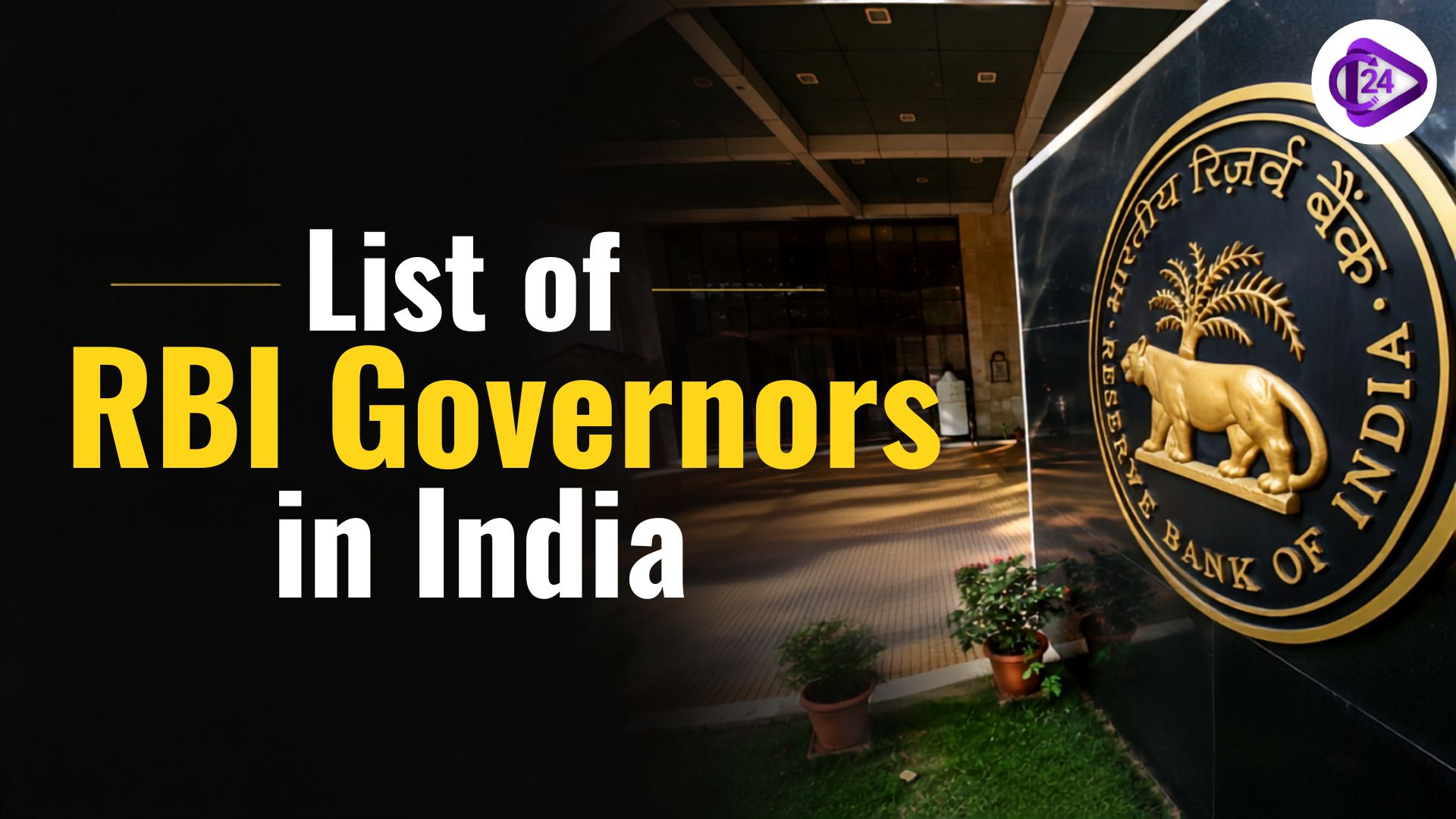
The Reserve Bank of India just made a big announcement of revoking the licence of Paytm Payments Bank with immediate effect. The bank was taken down via a press release on the grounds of failure to observe regulatory norms, governance issues, and the safety of depositors' money. This has now prohibited the bank from conducting any banking business under the Banking Regulation Act, 1949. RBI has also started the process of winding up the bank through the High Court. The decision is amongst the firmest measures by the regulator in the fintech and digital banking ecosystem in India.

RBI Action on Paytm Payments Bank: Reasons, Violations & Customer Impact

  • The Reserve Bank of India (RBI) revoked the bank's licence as per the Banking Regulation Act on 24 April 2026.

  • Paytm Payments Bank is now barred from carrying out banking operations, effective immediately.

  • RBI claims "the banking business of the bank is prejudicial to the interest of depositors and public interest".

  • This move comes after years of alleged failure to adhere to regulatory norms and licence conditions.

  • Key concerns related to KYC, customer due diligence and governance.

  • RBI had previously placed restrictions on the bank in 2024, such as a moratorium on deposits.

  • The other concerns included misuse of accounts, linking one PAN to multiple accounts, and transaction anomalies.

  • The central bank said it has enough cash to pay off depositors during the winding-up process.

  • RBI will seek the High Court's approval to wind the bank up.

  • Deposits will be allowed to be withdrawn, but operations will be phased out.

  • The decision reflects high regulatory standards, resilience and consumer comfort expectations by RBI.

  • This move is one of the toughest regulatory moves on a payments bank in India.

PYQs on Indian Banking & History

Exam Year Question Options Correct Answer
RBI Grade B 2021 Reserve Bank of India was established in which year? A. 1930 B. 1934 C. 1935 D. 1947 C. 1935
SSC CGL 2022 Who was the first Governor of RBI? A. C.D. Deshmukh B. Osborne Smith C. B. Rama Rau D. Hilton Young B. Osborne Smith
UPSC Prelims 2020 The Hilton Young Commission (1926) was related to the establishment of which institution? A. SBI B. RBI C. NABARD D. SEBI B. RBI
SSC CHSL 2021 Which institution is known as the “Banker’s Bank” in India? A. SBI B. RBI C. PNB D. ICICI B. RBI
RBI Assistant 2019 State Bank of India was established in which year? A. 1949 B. 1955 C. 1969 D. 1980 B. 1955
SSC CGL 2023 The first major bank nationalization in India took place in which year? A. 1955 B. 1969 C. 1975 D. 1980 B. 1969
UPSC Prelims 2018 Hilton Young Commission was set up in which year? A. 1921 B. 1926 C. 1930 D. 1935 B. 1926
SSC MTS 2020 Which was the first commercial bank in India? A. SBI B. Bank of Hindustan C. PNB D. RBI B. Bank of Hindustan
RBI Grade B 2022 What is the full form of CRR in banking? A. Cash Reserve Ratio B. Credit Risk Ratio C. Capital Reserve Ratio D. Currency Reserve Rate A. Cash Reserve Ratio
SSC CPO 2021 The Reserve Bank of India operates under which Act? A. Banking Regulation Act 1949 B. RBI Act 1934 C. Finance Act 1947 D. Companies Act 2013 B. RBI Act 1934

Conclusion - Paytm Payments Bank Licence Cancelled by RBI

The Reserve Bank of India's revocation of Paytm Payments Bank's licence is a crucial milestone in enforcing high compliance standards in the Indian banking industry. The move reflects the central bank’s commitment to strong governance standards and customer protection. It might affect users clinically, but it will boost confidence in banking. Looking ahead, fintech companies will have to enhance compliance measures to meet regulatory standards and promote sustainability.

×
Illustration of two people having a discussion

We're Here for You! Get in Touch with Class24 for All Your Needs!

Disclaimer: Your privacy is important to us. We will not share your information with third parties.