

Daily Quizzes
Mock Tests
No tests attempted yet.
Select Category
First detailed map of moon’s south pole made from Chandrayaan data
Overview: Indian scientists have created the first detailed geological map of the Moon’s south pole using Chandrayaan-3 data. The study confirmed the presence of a primordial underground magma ocean and revealed insights into the shared evolutionary history of Earth and Moon, marking a significant achievement in lunar research.

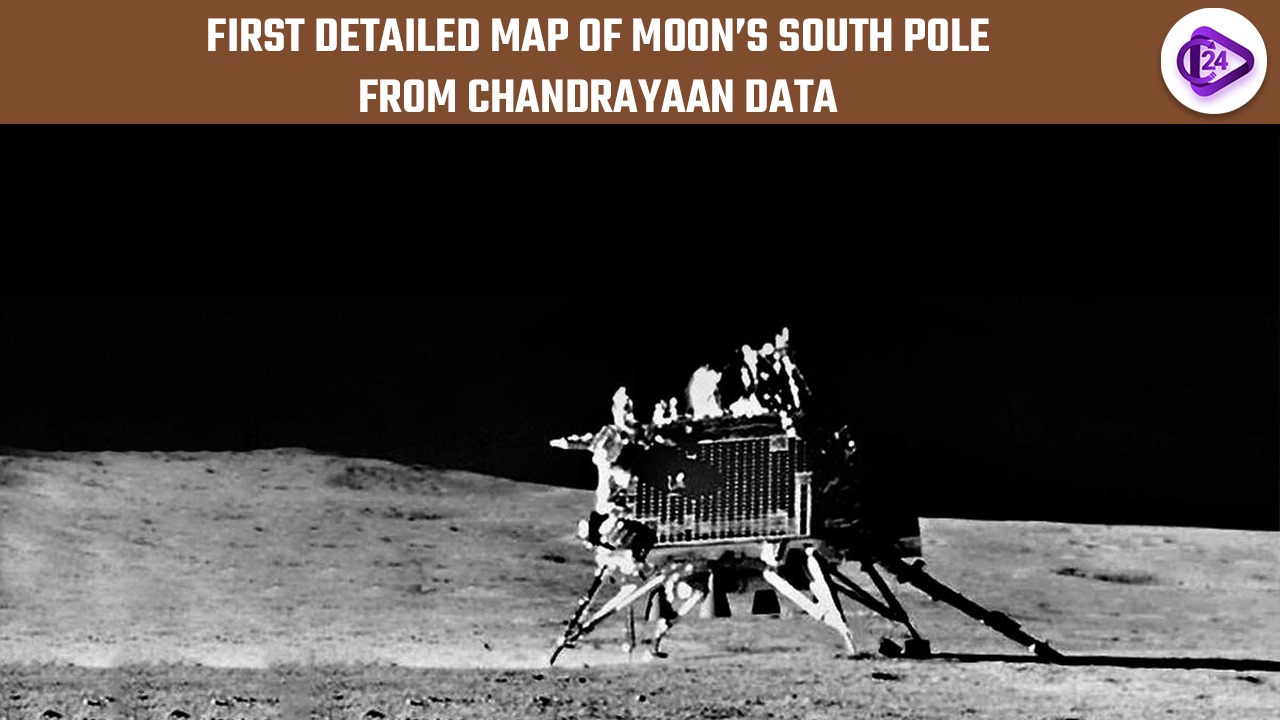
The study represents Indian scientists' accomplishment in producing the Moon’s south polar area’s initial detailed geological map based on Chandrayaan-3 data. Researchers from the Physical Research Laboratory (PRL) alongside Panjab University and ISRO created this geological mapping project about the Moon’s origin story. The research project confirmed there exists underground magma which extends across the full Moon surface. Scientists revealed that research established a shared timeline between Earth and Moon thus reinforcing ideas on their possible shared origin. The study of planetary evolution through lunar impact craters represented a fundamental discovery while scientists expressed worries about human-made pollution of the lunar surface. The increasing activity of lunar colonization calls for immediate development of bilateral legal guidelines to manage Moon exploration activities and resource use on lunar ground.
Chandrayaan-3’s Contribution to Lunar Mapping
-
The Vikram lander of Chandrayaan-3 conducted its landing operation 630 km close to the south polar region of the Moon on August 23, 2023.
-
The Pragyan rover operated by the mission performed analysis of lunar regolith material at the surface dust and rock fragments.
-
Researchers processed APXS data to develop the first detailed geological mapping of that area.
Discovery of a Lunar Magma Ocean
-
The research results established that a primordial underground magma ocean exists beneath the lunar surface.
-
Through Chandrayaan-3 the presence of magma was confirmed to span across the entire lunar territory beyond earlier indications of magma concentrations in the equatorial and mid-latitudinal regions.
-
By discovering this evidence scientists gained better insights into both the thermal development and internal composition of the lunar body.
Geological Features of the Moon’s South Pole
-
The chart displayed an area with both elevated highlands and wide flat plains.
-
The Schomberger crater created all secondary craters located in this specific region.
-
Science demonstrates that the studied region dates back to 3.7 billion years old which matches when microbes emerged as life on Earth.
Common Evolution of Earth and Moon
-
The Earth shares historical pathways with the Moon since both bodies exist in matching orbital configurations and share corresponding geochemical elements.
-
Scientists state that 4.5 billion years ago a Mars-size celestial object plowed into Earth then knocked out debris which solidified into the Moon.
-
Astronomers consider the South Pole-Aitken Basin at Vikram's landing location as the biggest ancient impact structure within the Solar System.
Importance of Lunar Craters
-
Lunar craters remain visible across the surface for extensive durations because its atmosphere does not cause erosion like Earth experiences.
-
The time-fossilized asteroid collision history of the Solar System is protected through the desktop-like function of lunar impact craters.
-
Research on lunar impacts enables astrogeologists to understand the crater formation patterns across Earth alongside other planetary bodies.
Human Impact on the Lunar Surface
-
Lunar regolith has been contaminated by various missions which originated from the Soviet Union, the United States, China, India, Japan, Israel and the ESA starting from 1959.
-
Human activities together with robots have the potential to change the lunar environment thus producing disturbances to its thin exosphere layers.
-
The exhaust emissions from spacecraft systems create contamination which affects scientific studies of water distribution among lunar ice reserves.
Need for International Space Regulations
-
The Outer Space Treaty (1967) provides insufficient instructions to stop the contamination of celestial bodies.
-
Lunar settlement projects combined with resource extraction activities require an international legal system to emerge.
-
Moon's untouched terrain will suffer permanent modification unless proper governance serves to control human activities on its surface.
Conclusion
A detailed mapping of the southern lunar territory achieved by Chandrayaan-3 creates a major advance for lunar research. The space exploration strategy delivers essential knowledge about the Moon's natural progression and core makeup and its relation to Earth's creation. Human activities taking place on the Moon create substantial dangers to its environmental well-being. The global community must create unambiguous legal structures to shield the distinctive lunar environment because lunar settlement and resource acquisition are becoming global prospects.
Related Current Affairs
 Ranvir Sachdeva, 8, Becomes Youngest Speaker in India AI Summit History
 Sameer Kanodia Wins CEO of the Year: A Landmark Leadership Achievement
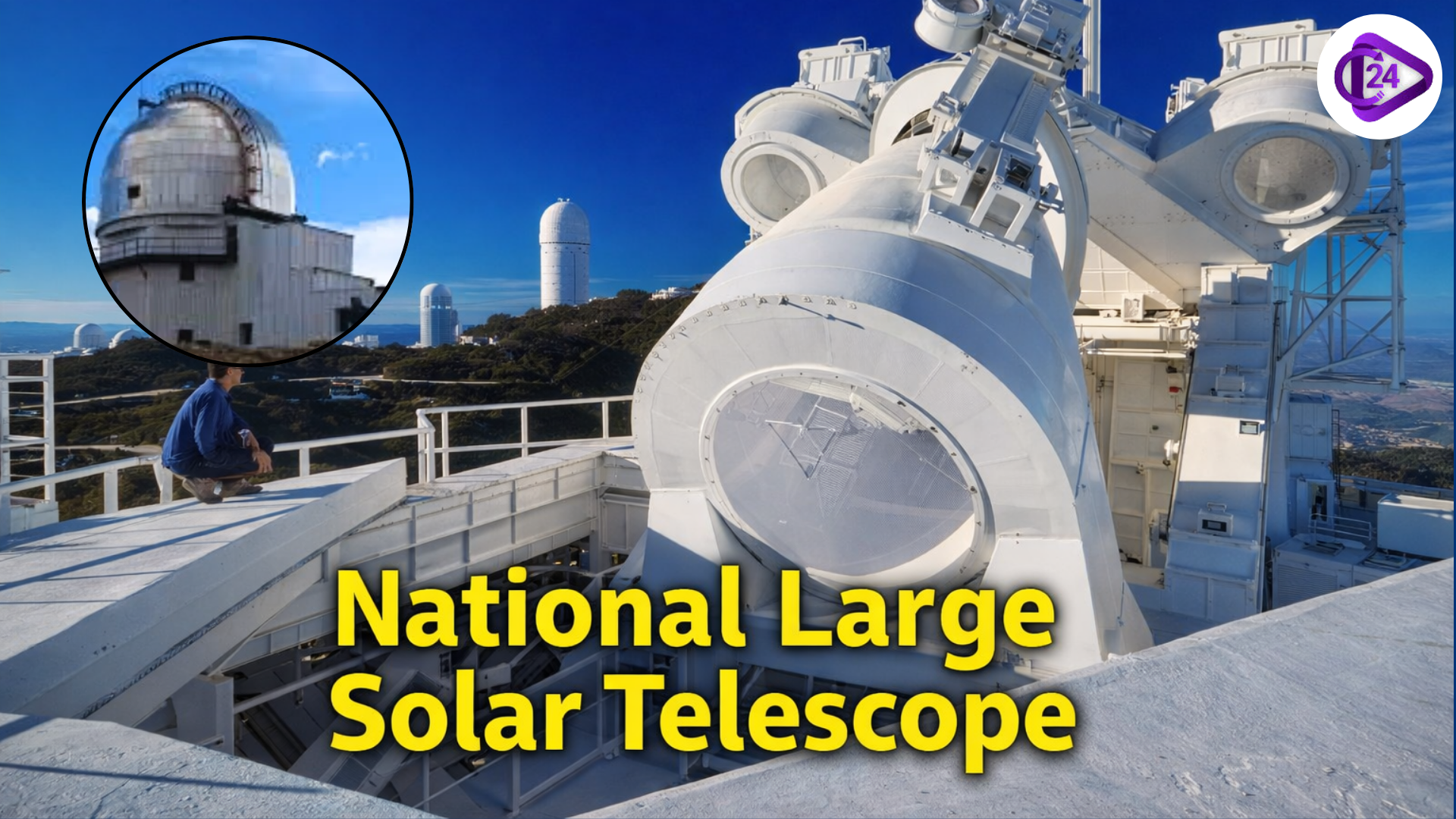 National Large Solar Telescope (NLST)
 Seven Chakras of the India–AI Impact Summit 2026
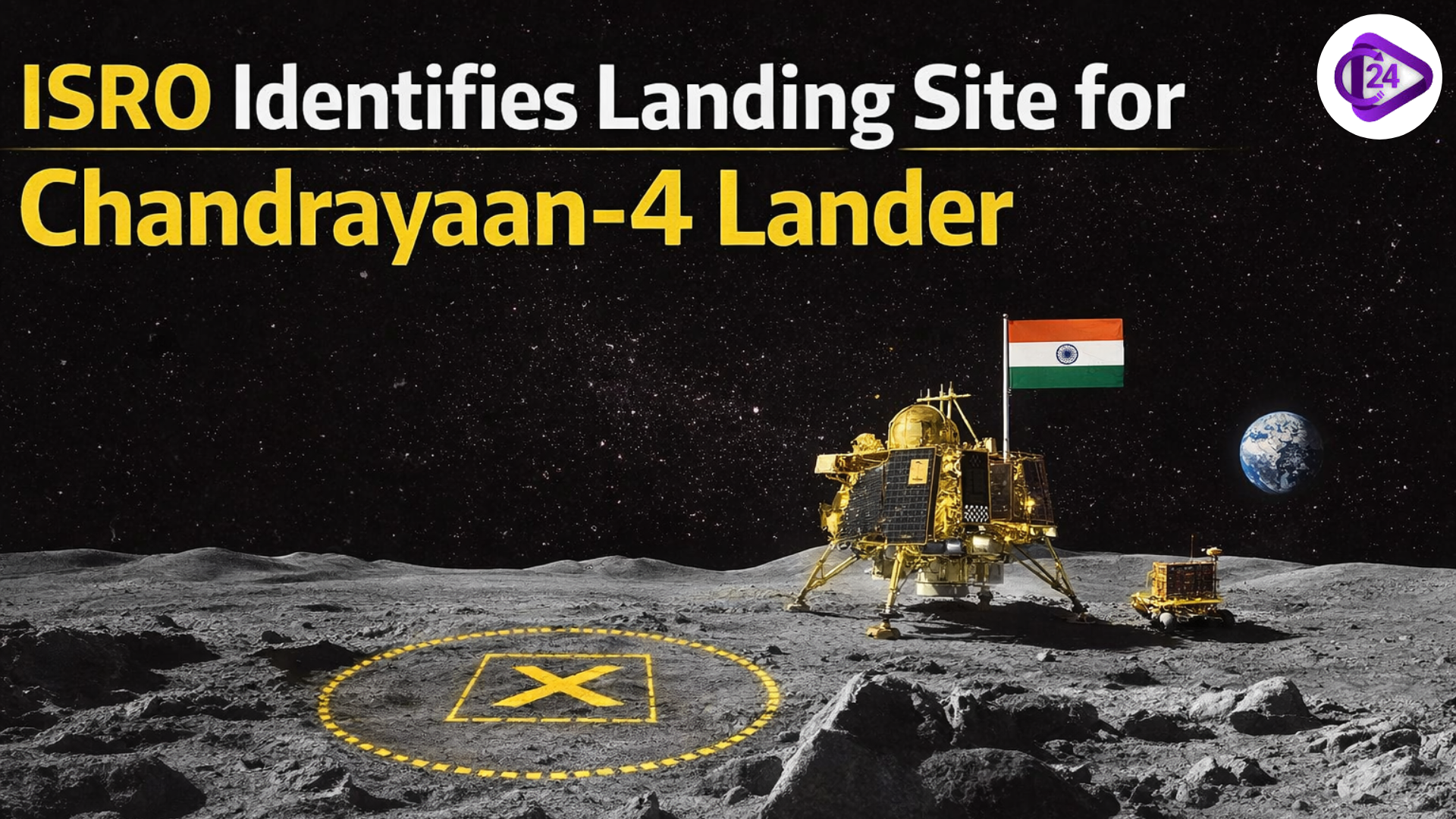 ISRO Identifies Landing Site for Chandrayaan-4 Lander
 Moltbook: Begin New Era, AI-Only Social Media Platform Explained
 India pilots First AI-Enabled University at Meerut’s CCSU with Google Cloud
 Google DeepMind Unveils AlphaGenome AI Tool for DNA Mutations
 India Becomes World’s 2nd-Largest 5G Market with Over 400 Million 5G Users
 Ultracold Atoms Reveal Hidden Quantum World