


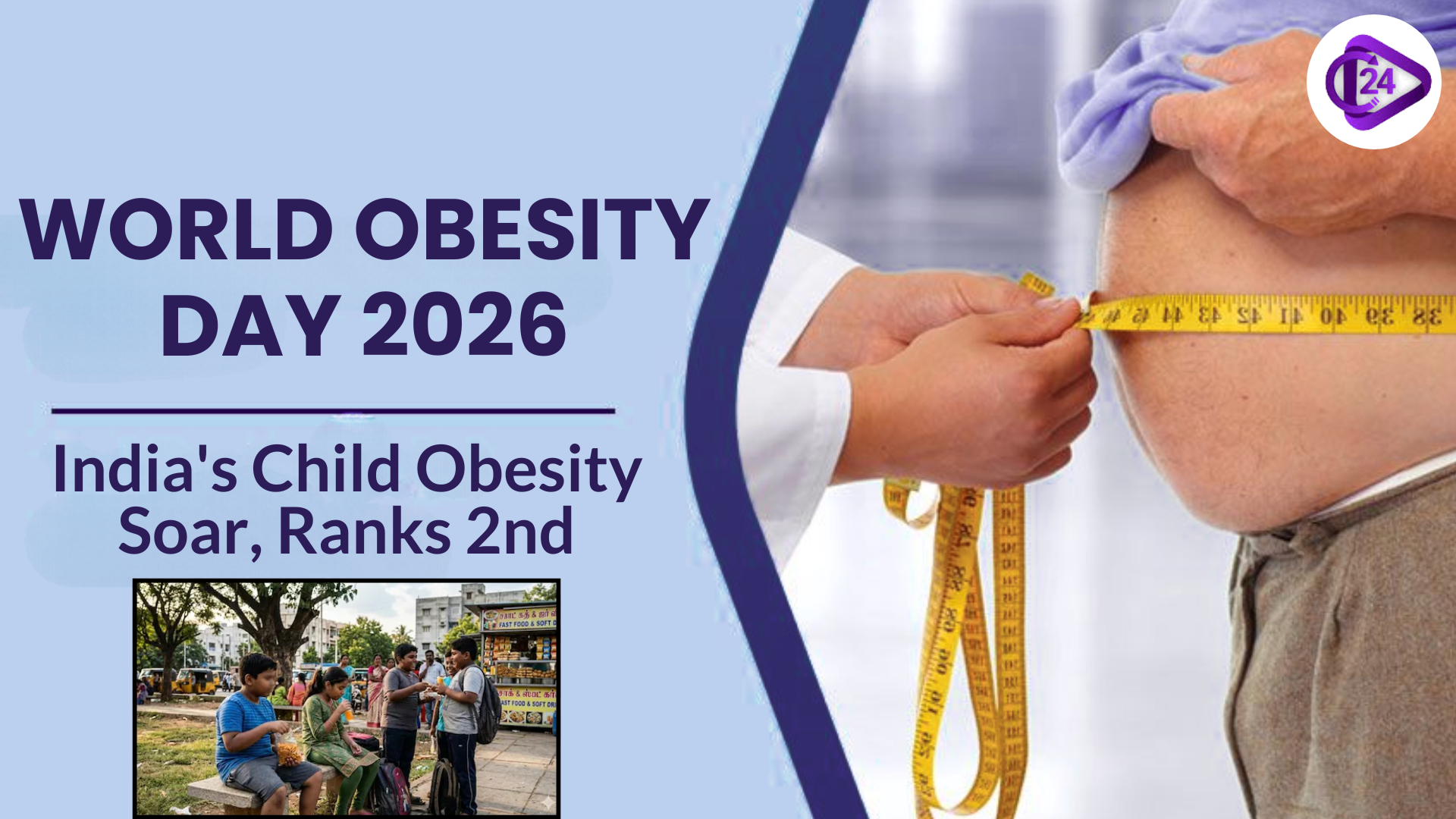
World Obesity Day on March 4, the global campaign raises awareness about the growing challenge of obesity and its health consequences. Recent reports indicate that India now ranks second globally in the number of obese children, highlighting a significant public health concern. Rapid urbanization, sedentary lifestyles, and increased consumption of processed foods have contributed to the sharp rise in childhood obesity. This trend not only affects physical health but also increases the risk of long-term diseases such as Type 2 Diabetes and Cardiovascular Disease. Addressing this crisis requires coordinated efforts in nutrition awareness, school health programs, and lifestyle changes.
Key Issues Behind the Rise in Child Obesity in India
-
India has witnessed a sharp increase in overweight and obese children over the past decade, making childhood obesity a growing public health concern. Changing lifestyles, urban living, and unhealthy dietary habits have contributed significantly to this trend.
-
Increasing use of smartphones, computers, television, and video games has reduced children’s outdoor activities. Excessive screen time encourages sedentary behaviour, which plays a major role in the rise of obesity among young populations.
-
High consumption of fast food, sugary beverages, and ultra-processed snacks has become common among children. These foods contain high calories, sugar, and unhealthy fats, leading to weight gain and poor nutritional balance.
-
Rapid urbanization has altered traditional lifestyles. Limited playgrounds, busy family schedules, and dependence on packaged food have reduced opportunities for physical exercise and healthy eating habits.
-
Childhood obesity raises the risk of serious health conditions later in life, including Type 2 Diabetes, hypertension, and Cardiovascular Disease, increasing long-term health concerns.
-
Obese children may experience psychological challenges such as low self-esteem, anxiety, and social stigma, which can affect their emotional well-being and overall development.
-
Rising obesity rates may increase healthcare expenditure and put additional pressure on public health systems due to the treatment of lifestyle-related diseases.
-
Schools and communities play an important role in promoting healthier lifestyles by encouraging physical education, balanced diets, and regular physical activities among students.
-
Governments and health organizations are promoting awareness campaigns, nutrition guidelines, and fitness initiatives to tackle obesity, especially during World Obesity Day.
-
Preventing childhood obesity requires early intervention through balanced diets, active lifestyles, parental guidance, and strong public health policies to create healthier environments for children.
Jammu University Hosts Goonj 2026 Youth Festival
Conclusion
Childhood obesity in India highlights an urgent public health challenge that requires immediate attention. With India ranking second globally in the number of obese children, unhealthy diets, sedentary lifestyles, and rapid urbanization have emerged as key contributing factors. Rising obesity levels increase the risk of long-term diseases such as Type 2 Diabetes and Cardiovascular Disease. Observances like World Obesity Day emphasize the importance of awareness, preventive action, and healthier lifestyles. Collective efforts from families, schools, communities, and policymakers are essential to promote balanced nutrition, physical activity, and a healthier future for children.