
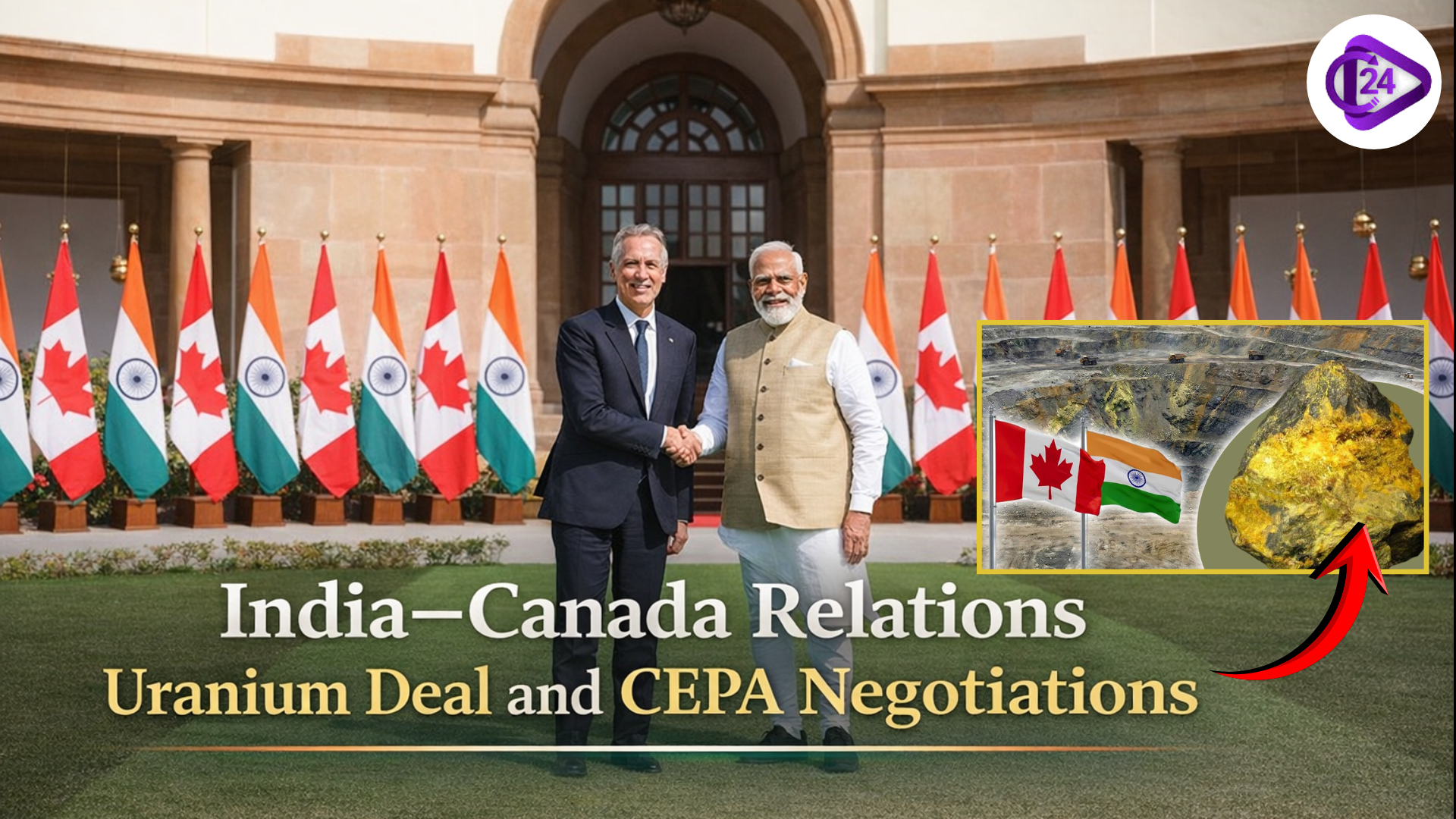
Relations between India and Canada have experienced periods of cooperation as well as diplomatic strain in recent years. However, both countries recognize the strategic importance of rebuilding trust and strengthening economic and energy partnerships. Two key pillars in this process are the uranium supply agreement and the revival of negotiations for the Comprehensive Economic Partnership Agreement (CEPA). These initiatives reflect mutual interests in energy security, trade expansion, and geopolitical collaboration in the Indo-Pacific. By advancing nuclear cooperation and trade liberalization, India and Canada can reset their bilateral engagement and unlock significant opportunities for sustainable development and economic growth.
Key Dimensions of the Uranium Deal and CEPA Negotiations
Strategic Energy Cooperation
Canada is one of the world’s largest uranium producers, making it a vital partner for India’s growing nuclear energy program. Supplying uranium helps India fuel its civilian nuclear reactors and diversify its energy mix.
Support for India’s Nuclear Energy Expansion
Access to Canadian uranium strengthens India’s ability to expand nuclear power generation, a crucial step for meeting rising electricity demand while reducing carbon emissions.
Revival of Civil Nuclear Engagement
The uranium agreement symbolizes renewed trust after decades of restrictions on nuclear cooperation following the India’s Smiling Buddha nuclear test.
Economic Opportunities through CEPA
CEPA negotiations aim to reduce tariffs, improve market access, and increase bilateral trade between India and Canada across sectors such as agriculture, technology, and manufacturing.
Boost to Bilateral Trade and Investment
A successful CEPA could significantly increase two-way trade and encourage Canadian investments in India’s infrastructure, clean energy, and education sectors.
Strengthening Supply Chains
Both countries see CEPA as a mechanism to build resilient and diversified supply chains, reducing overdependence on single markets.
Indo-Pacific Strategic Alignment
Stronger economic and energy cooperation aligns with Canada’s Indo-Pacific strategy and India’s vision for regional stability and open trade.
Technology and Innovation Collaboration
The agreement could promote partnerships in advanced technologies, research, and clean energy innovation.
Addressing Diplomatic Challenges
Progress on CEPA and nuclear cooperation may help rebuild political trust and stabilize relations after recent diplomatic tensions.
Long-Term Strategic Partnership
Together, the uranium deal and CEPA negotiations provide a framework for a long-term partnership focused on energy security, economic integration, and sustainable growth.
PM Modi Receives Israel’s Speaker of Knesset Medal
Conclusion
India–Canada relations have gained renewed momentum through cooperation in nuclear energy and trade negotiations. The uranium supply agreement marked a significant step in rebuilding trust after decades of limited engagement, enabling India to access reliable fuel for its civilian nuclear program. At the same time, negotiations on the Comprehensive Economic Partnership Agreement (CEPA) reflect both countries’ commitment to strengthening economic ties, expanding trade, and encouraging investment. While challenges remain, continued dialogue and mutual strategic interests provide a strong foundation for deeper collaboration. Overall, the uranium deal and CEPA talks symbolize a pragmatic partnership aimed at promoting energy security, economic growth, and long-term bilateral cooperation.