

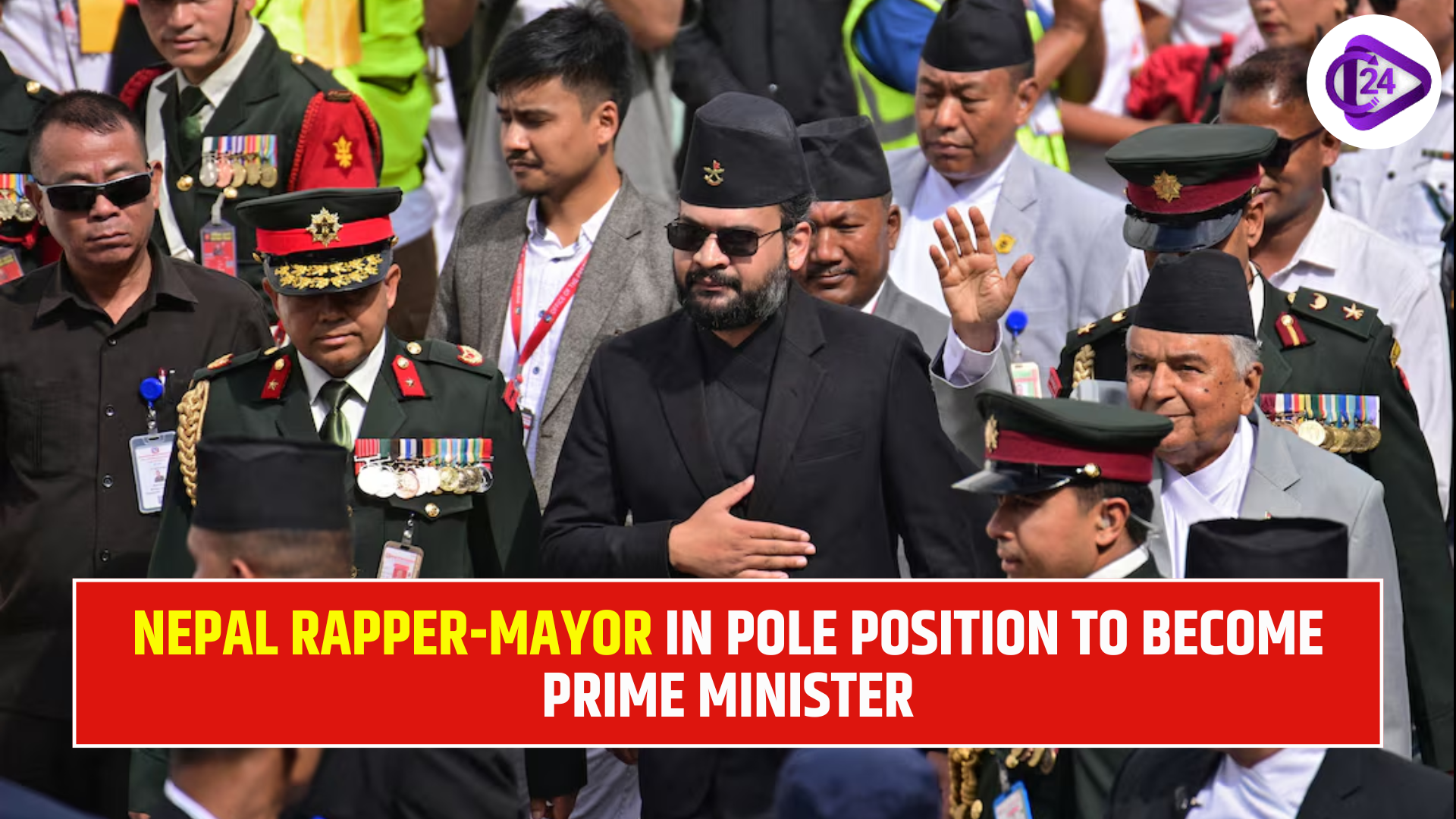
Nepal’s dynamic political landscape has witnessed the rise of unconventional leaders in recent years. One such figure is rapper-turned-politician Balen Shah, who gained national prominence after winning the mayoral election in Kathmandu as an independent candidate. Known for his outspoken style, youth appeal, and anti-establishment image, Shah represents a new wave of leadership challenging traditional political elites. As public frustration with mainstream parties grows, speculation has emerged that the popular mayor could play a larger national role. His growing influence and support among urban youth have even sparked discussions about a potential path toward Nepal’s top executive office.
Rise of Nepal’s Rapper-Mayor in National Politics
-
Balen Shah first gained fame in Nepal as a rapper known for socially conscious lyrics criticizing corruption, inequality, and political inefficiency.
-
His transition from music to politics symbolized the entry of young, independent voices into a system long dominated by established parties.
-
In the 2022 local elections, Shah won the mayoral post of Kathmandu, defeating candidates from major parties such as the Nepali Congress and Communist Party of Nepal (Unified Marxist–Leninist).
-
His victory was seen as a public rejection of traditional political leadership and a demand for transparent governance.
-
As mayor, Shah focused on urban reforms including waste management, infrastructure improvements, and stricter regulation of illegal constructions.
-
His governance style combines strong administrative action with direct communication through social media, helping him maintain popularity among young voters.
-
Analysts argue that Shah’s independent political identity reflects growing dissatisfaction with coalition politics and frequent government instability in Nepal.
-
Supporters believe his clean image and grassroots appeal could translate into broader national political support in future elections.
-
If such momentum continues, Shah could emerge as a major challenger to traditional political figures in Nepal’s national leadership race.
Recently Asked PYQs
| Exam | Year | Question | Answer |
|---|---|---|---|
| UPSC CSE Prelims | 2020 | With reference to the rivers originating in Nepal, which of the following flow into the Ganga in India? 1. Gandak 2. Kosi 3. Karnali | All three rivers originate in the Himalayas of Nepal and flow into the Ganga River system in India. |
| UPSC CSE Prelims | 2015 | Which of the following Himalayan peaks lies in Nepal? 1. Annapurna 2. Dhaulagiri 3. Kanchenjunga | Annapurna and Dhaulagiri lie in Nepal, while Kanchenjunga lies on the India–Nepal border. |
| UPSC CSE Prelims | 2011 | Consider the following rivers: Brahmaputra, Indus, Mekong. Which originates near Mount Kailash and flows through Tibet and Nepal region? | Rivers around the Kailash region influence Himalayan drainage; Nepal’s river systems originate from nearby Himalayan glaciers. |
| SSC CGL | 2018 | The capital city of Nepal is located in which valley? | Kathmandu Valley. |
| SSC CGL | 2017 | The famous Pashupatinath Temple is located in which country? | Nepal, in the capital city Kathmandu. |
| NDA | 2019 | Mount Everest, the world’s highest peak, lies on the border of which two countries? | Mount Everest lies on the border between Nepal and China (Tibet region). |
| CDS | 2021 | Lumbini, the birthplace of Gautama Buddha, is located in which country? | Lumbini is located in Nepal. |
| UPSC CAPF | 2019 | Which cultural heritage site in Nepal is famous for Buddhist stupas and pilgrimage? | Boudhanath Stupa in Kathmandu. |
| SSC CHSL | 2020 | Which Himalayan range separates the plains of India from Nepal’s mountainous region? | The Himalayas form the major geographical barrier between India and Nepal. |
| UPSC CSE Prelims | 2013 | Which country shares the longest open border with India? | Nepal shares an open border with India allowing free movement of people. |
Conclusion
The rise of Balen Shah from a popular rapper to the mayor of Kathmandu reflects a significant shift in the political culture of Nepal. His growing popularity among youth and urban voters highlights a demand for transparent governance, accountability, and fresh leadership beyond traditional party structures. If Shah continues to expand his influence nationally, he could redefine political participation and inspire more independent leaders to enter public life. While the path to the prime minister’s office remains uncertain, his rise symbolizes changing public expectations and the emergence of a new generation shaping Nepal’s democratic future.