

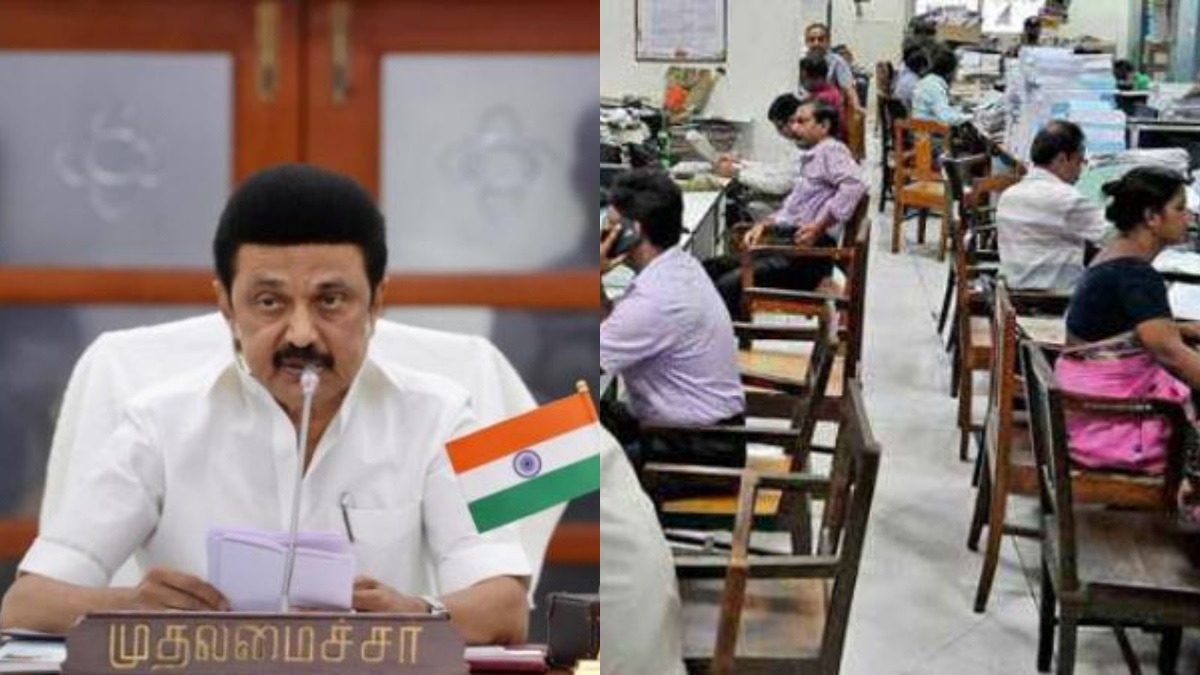
The Tamil Nadu Government has sanctioned ₹1,087.33 crore for the implementation of the Anaithu Grama Anna Marumalarchi Thittam-II (AGAMT-II) during the financial year 2025–26. The scheme aims to improve basic infrastructure and living conditions across 2,329 village panchayats in the state.
The programme is being implemented by the Rural Development and Panchayat Raj Department. It focuses on improving essential rural facilities, including roads, water bodies, street infrastructure, public buildings and livelihood-related facilities.
A key feature of the scheme is its focus on balanced development. At least 30% of the allocated funds are earmarked for Scheduled Caste (SC) and Scheduled Tribe (ST) habitations and areas.
AGAMT-II 2025–26: Key Highlights
| Particulars | Details |
| Scheme Name | Anaithu Grama Anna Marumalarchi Thittam-II |
| Abbreviation | AGAMT-II |
| State | Tamil Nadu |
| Implementing Department | Rural Development and Panchayat Raj Department |
| Allocation | ₹1,087.33 crore |
| Financial Year | 2025–26 |
| Village Panchayats Covered | 2,329 |
| Minimum SC/ST Allocation | 30% |
| Programme Period | 2021–22 to 2025–26 |
| Main Objective | Holistic rural infrastructure development |
The scheme is designed to address infrastructure gaps in rural habitations and improve access to essential public facilities.
What Is Anaithu Grama Anna Marumalarchi Thittam?
Anaithu Grama Anna Marumalarchi Thittam was originally introduced by the Tamil Nadu Government in 2006 to promote comprehensive development in rural areas.
The programme was later relaunched as Anaithu Grama Anna Marumalarchi Thittam-II (AGAMT-II) in 2021–22. The second phase follows a five-year implementation period from 2021–22 to 2025–26.
The main objective is to ensure that every village panchayat receives attention for its basic infrastructure requirements. Instead of focusing on only one type of development work, the scheme covers several essential facilities based on local needs.
It also encourages coordination with other government schemes and departments to achieve wider rural development.
Budget Allocation of ₹1,087.33 Crore for 2025–26
For the financial year 2025–26, the Tamil Nadu Government sanctioned ₹1,087.33 crore for carrying out development works in 2,329 village panchayats.
The allocation was announced as part of the state’s rural development initiatives and received administrative sanction through Government Order (Ms.) No. 39 dated 19 March 2025.
The government order also provides guidelines for implementing the scheme during 2025–26.
The funding supports different categories of infrastructure development and is intended to address local requirements identified through rural infrastructure surveys.
Major Development Works Under AGAMT-II
The scheme covers a wide range of infrastructure and community development activities.
1. Rejuvenation of Water Bodies
Water bodies play an important role in rural livelihoods, agriculture and groundwater management.
Under AGAMT-II, development activities include:
- Rejuvenation of ponds and other water bodies.
- Improvement of traditional village water resources.
- Restoration of community water infrastructure.
These activities can help improve local water availability and support rural communities.
2. Development of Streets and Lanes
Rural connectivity is an important part of village development. The scheme supports the creation and improvement of streets and lanes within village habitations.
Major activities include:
- Construction of new streets.
- Upgradation of existing lanes.
- Improvement of internal village roads.
- Better access to residential and community areas.
Improved roads can make it easier for residents to reach schools, healthcare facilities, markets and other public services.
3. Public Infrastructure Facilities
AGAMT-II also supports the development and improvement of important public facilities.
These include:
- Village Panchayat offices.
- Anganwadi buildings.
- Public Distribution System shops.
- Community facilities and public buildings.
- Burial ground infrastructure, including Samathuva Burial Grounds.
Such facilities help strengthen village-level public services.
4. Development of Markets and Livelihood Facilities
The programme also covers infrastructure that supports local economic activities.
Examples include:
- Village markets and shandies.
- Village haats.
- Fish markets.
- Storage godowns.
- Threshing floors.
- Fish-drying yards.
These facilities can help farmers, fishermen, small traders and other rural workers access better infrastructure for their economic activities.
5. Street Lighting and Basic Amenities
Improvement of basic village infrastructure also includes facilities such as street lighting, which can support safer movement and better access to public spaces.
The specific works taken up in each panchayat depend on the infrastructure gaps identified under the scheme guidelines.
Special Focus on SC/ST Habitations
One of the important features of AGAMT-II is its emphasis on equitable distribution of development funds.
A minimum of 30% of the scheme funds is allocated to Scheduled Caste and Scheduled Tribe habitations and areas.
This provision aims to ensure that communities that may have gaps in basic infrastructure receive an appropriate share of development support.
The allocation can support improvements in facilities such as roads, public infrastructure and other essential community amenities.
This approach connects rural development with social inclusion and equitable access to public services.
How Are Village Panchayats Selected?
AGAMT-II is implemented in a phased manner over five years.
According to the Tamil Nadu Rural Development and Panchayat Raj Department, approximately 20% of village panchayats are selected each year at the block level. This selection process is coordinated across district and state levels.
The scheme uses a structured funding approach for selected panchayats.
Its funding components include:
- Basic Fund: A basic allocation for village panchayats.
- Performance Incentive Fund: Additional support based on performance criteria.
- Population Grant: Allocation linked to population.
- Habitation Grant: Allocation based on the number of habitations.
- Administrative and IEC Fund: Support for administration, information and public awareness activities.
The performance incentive component considers nine assessment criteria. The District Collector sanctions the incentive in proportion to the parameters achieved by the village panchayat.
The department also conducts infrastructure gap surveys to identify the requirements of individual habitations. These surveys help determine which works should be funded directly under AGAMT-II and which can be taken up through convergence with other schemes and departments.
Significance of AGAMT-II for Rural Tamil Nadu
Rural infrastructure has a direct impact on the quality of life, economic opportunities and access to public services.
AGAMT-II is significant because it combines several development priorities under one programme.
Its expected benefits include:
- Better basic infrastructure: Improved roads, water bodies and public facilities can make rural settlements more accessible.
- Support for livelihoods: Markets, storage facilities and other community infrastructure can support local economic activities.
- Social inclusion: The minimum 30% allocation for SC/ST habitations promotes more equitable development.
- Improved public services: Better panchayat offices, Anganwadi buildings and community facilities can strengthen local service delivery.
- Planned rural development: Infrastructure surveys and phased selection help identify local requirements and distribute resources systematically.
The programme also encourages coordination between different government departments, reducing the need to address every rural development requirement through separate and disconnected projects.
Conclusion
The Anaithu Grama Anna Marumalarchi Thittam-II is an important rural development initiative of the Tamil Nadu Government. With an allocation of ₹1,087.33 crore for 2025–26, the programme aims to improve infrastructure in 2,329 village panchayats.
Its focus on water bodies, village roads, public facilities, markets and social inclusion reflects a broad approach to rural development. The minimum 30% allocation for SC/ST habitations is another important feature of the scheme.
Through phased implementation and infrastructure-based planning, AGAMT-II seeks to improve essential facilities and support more balanced development across rural Tamil Nadu.