


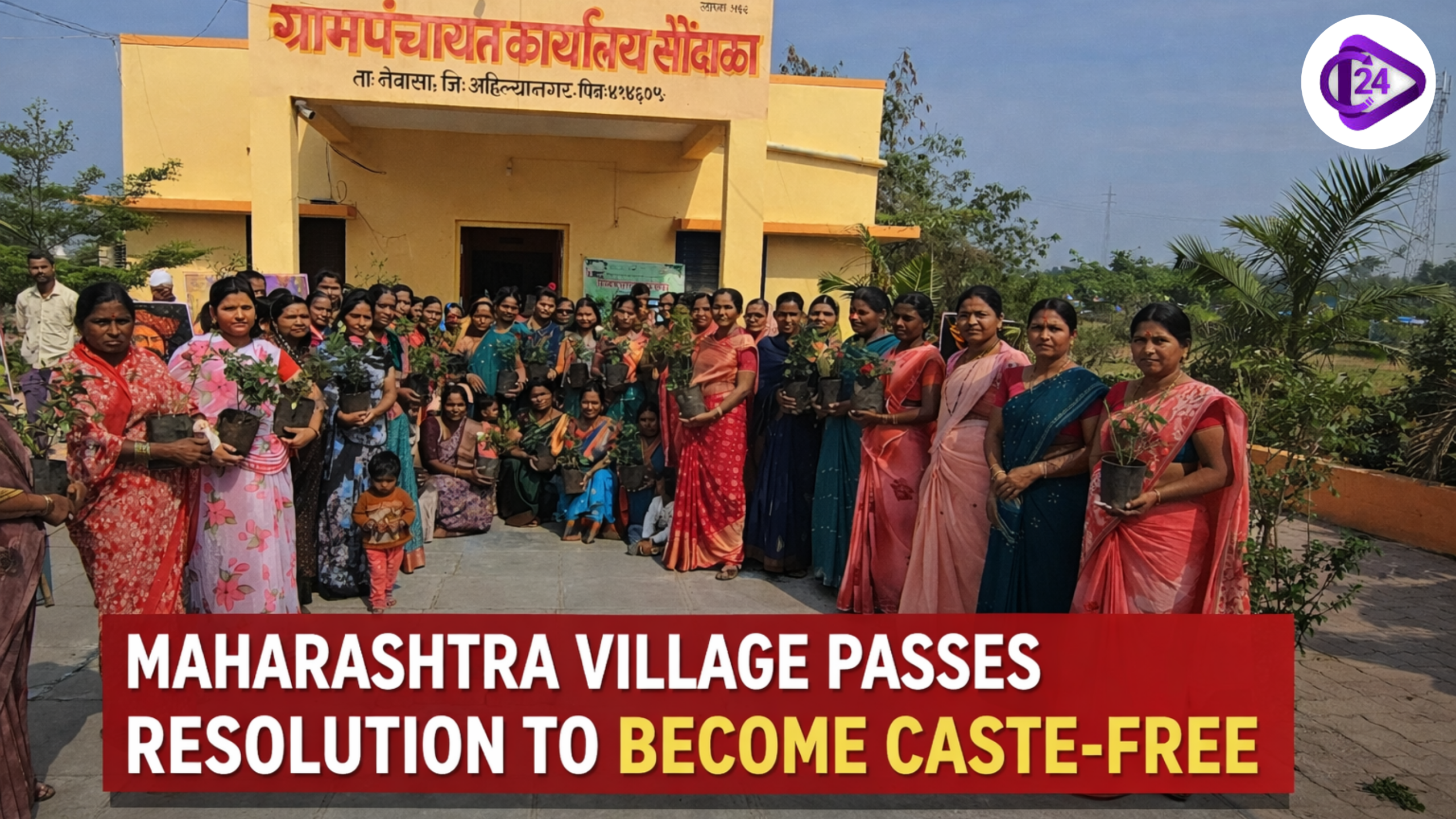
In February 2026, Soundala, a village located in the Newasa taluka of the Ahilyanagar district, Maharashtra, made a groundbreaking decision to become caste-free. The village's gram panchayat unanimously passed a resolution declaring that there would be no caste-based discrimination within the community. This resolution ensures equality by making all public spaces, services, temples, and events accessible to everyone, irrespective of caste, religion, or creed. The move was led by the village sarpanch and aims to foster unity and social harmony. Local authorities are now committed to addressing any caste-based conflicts or discrimination. This step represents a progressive effort toward building a more inclusive society.
Maharashtra Village of Soundala Takes Historic Step to Become Caste-Free
-
Village Location and Resolution: Soundala, located in the Newasa taluka of the Ahilyanagar district, Maharashtra, passed a groundbreaking resolution to become caste-free in a Gram Sabha meeting held on February 5, 2026.
-
Resolution Motto: The resolution’s key principle is “Aamchi jaat… manav” (Our caste is humanity), asserting that caste will no longer divide the community.
-
Commitment to Equality: The village has pledged to eliminate caste-based discrimination in all areas of life, ensuring equal treatment for everyone, regardless of caste, religion, or background.
-
Open Public Spaces: All public facilities like schools, temples, wells, community halls, and government services are now accessible to all residents without any caste-based restrictions.
-
Social Media Guidelines: A key part of the resolution includes guidelines to prevent any caste-based divisive posts on social media, with authorities taking action against such content.
-
Inspiration from Social Reformers: The village draws inspiration from social reformers like Dr B.R. Ambedkar and Mahatma Gandhi, promoting unity and equality.
-
Leadership: The resolution was championed by Sarpanch Sharad Argade and supported by residents like Babasaheb Bhodak.
-
Overall Impact: This decision aims to foster social harmony and unity, offering a model for rural India.
Previous Year Questions on Caste-Free Movement
| Exam & Year | Question (with Options) | Correct Answer |
|---|---|---|
| SSC CGL – 2010 | The term “Caste” was derived from: (A) Portuguese (B) Dutch (C) German (D) English |
(A) Portuguese – ‘Caste’ originates from the Portuguese term casta. |
| UPSC/SSC/General GK | Which of the following is not a feature of the caste system in India? (1) Hereditary (2) Endogamous (3) Exogamous (4) Restricted food habits |
(3) Exogamous – Caste is endogamous, not exogamous. |
| Railway/SSC | Dr B.R. Ambedkar’s book criticising caste-based discrimination is: (A) The Discovery of India (B) The Caste Divide (C) Annihilation of Caste (D) Untouchability Unveiled |
(C) Annihilation of Caste – Ambedkar’s critique of caste hierarchy. |
| Railway/SSC | The Poona Pact was signed in which year? (A) 1932 (B) 1943 (C) 1912 (D) 1919 |
(A) 1932 – Negotiated between Gandhi and Ambedkar on reserved seats for depressed classes. |
| Railway/SSC | After Gandhiji’s fast against the Communal Award, which pact did Ambedkar agree to? (A) Poona Pact (B) Lucknow Pact (C) Shimla Pact (D) Karachi Pact |
(A) Poona Pact – Resolved issues of the electorate for depressed classes. |
Conclusion (Maharashtra Village Passes Caste-Free)
The decision by Soundala village in Maharashtra to declare itself caste-free is a remarkable step toward social justice and equality. By eliminating caste-based discrimination, the village sets a powerful example of unity and inclusivity. This resolution not only promotes equal access to public spaces and services but also upholds the values of human dignity and respect. Soundala's move is a significant contribution to the ongoing fight against caste-based oppression, reflecting a growing commitment to building a more equitable society. It serves as a model for other communities to follow in creating a more inclusive and fair society.