


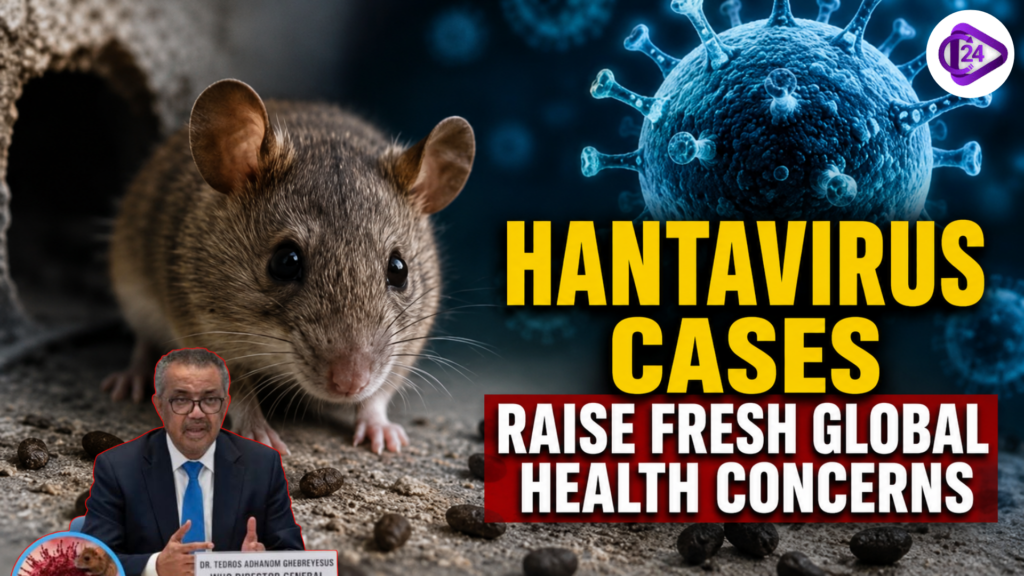
Hantavirus infections are again on the international radar as recent cases have been reported from several countries, and this time it involves a highly contagious infection that may cause fatal heart problems. Hantaviruses are transmitted primarily through contact with infected rodents, primarily urine, droppings or saliva. The virus can cause serious diseases in humans, including respiratory and kidney diseases, according to the World Health Organization and Centers for Disease Control and Prevention. But since there is very little chance of human-to-human spread, health authorities are keeping a close watch on outbreaks, as severe outbreaks of the virus have high mortality. Preventive measures continue to be emphasized including hygiene and control of rodents.
What Is Hantavirus and Why Are Health Experts Concerned?
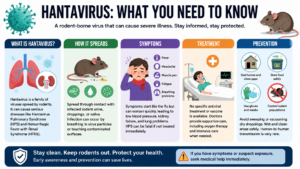
- Hantavirus is a family of viruses that are usually spread by rodents, and to humans through the air and via contaminated surfaces.
- There are two severe diseases associated with the virus—Hantavirus Pulmonary Syndrome (HPS) and Hemorrhagic Fever with Renal Syndrome (HFRS).
- By breathing in virus particles in the droppings, saliva, or urine of rodents, people can get infected, according to the Centers for Disease Control and Prevention.
- The deer mouse is a common North American hantavirus host.
- Other rodents are involved in the transmission of HFRS in Asia and Europe.
- Fever, tiredness, headaches, muscle pain and dizziness are common initial symptoms.
- In severe cases, it can cause breathing problems, low blood pressure, kidney failure, and lung problems.
- CDC says if it isn’t treated immediately, HPS can turn life-threatening in days.
- At present there is no specific antiviral therapy available or registered vaccine against hantavirus infection.
- Supportive care by doctors is the primary treatment, which involves oxygen therapy and intensive care.
- Prevention of infections include: sealing up homes, storing food safely, and controlling rodent population public health agencies advise.
- It is recommended that gloves and masks be used to protect people from contact with droppings from rats, and that dry droppings be not swept.
- Human-to-human transmission is very rare, and has only been reported in a few strains of hantavirus.
- Rodent exposure risks could be affected by climate and environmental change in certain areas.
- Health authorities are still conducting monitoring and awareness campaigns to avoid any future outbreaks and prevent mortalities associated with hantavirus infections.
Conclusion
Hantavirus is still a deadly disease, although it is somewhat uncommon, and should continue to be a cause of concern to the public and the need for prevention. In the majority of cases, the virus is not spread easily person-to-person, but it can be extremely severe, and sometimes fatal, so early diagnosis is of great importance. Rat control, sanitation, and safe cleaning practices are still a major concern and a thrust for reducing risks to rodents such as the World Health Organization and the Centers for Disease Control and Prevention continue to promote. However, with recent focus on zoonoses, high standard of disease surveillance and preparedness are needed globally. Improved public knowledge and prompt medical treatment, combined with preventive hygiene practices, have the potential to greatly diminish the health risks from hantavirus throughout the world.