Day: May 9, 2026
Bangladesh Measles

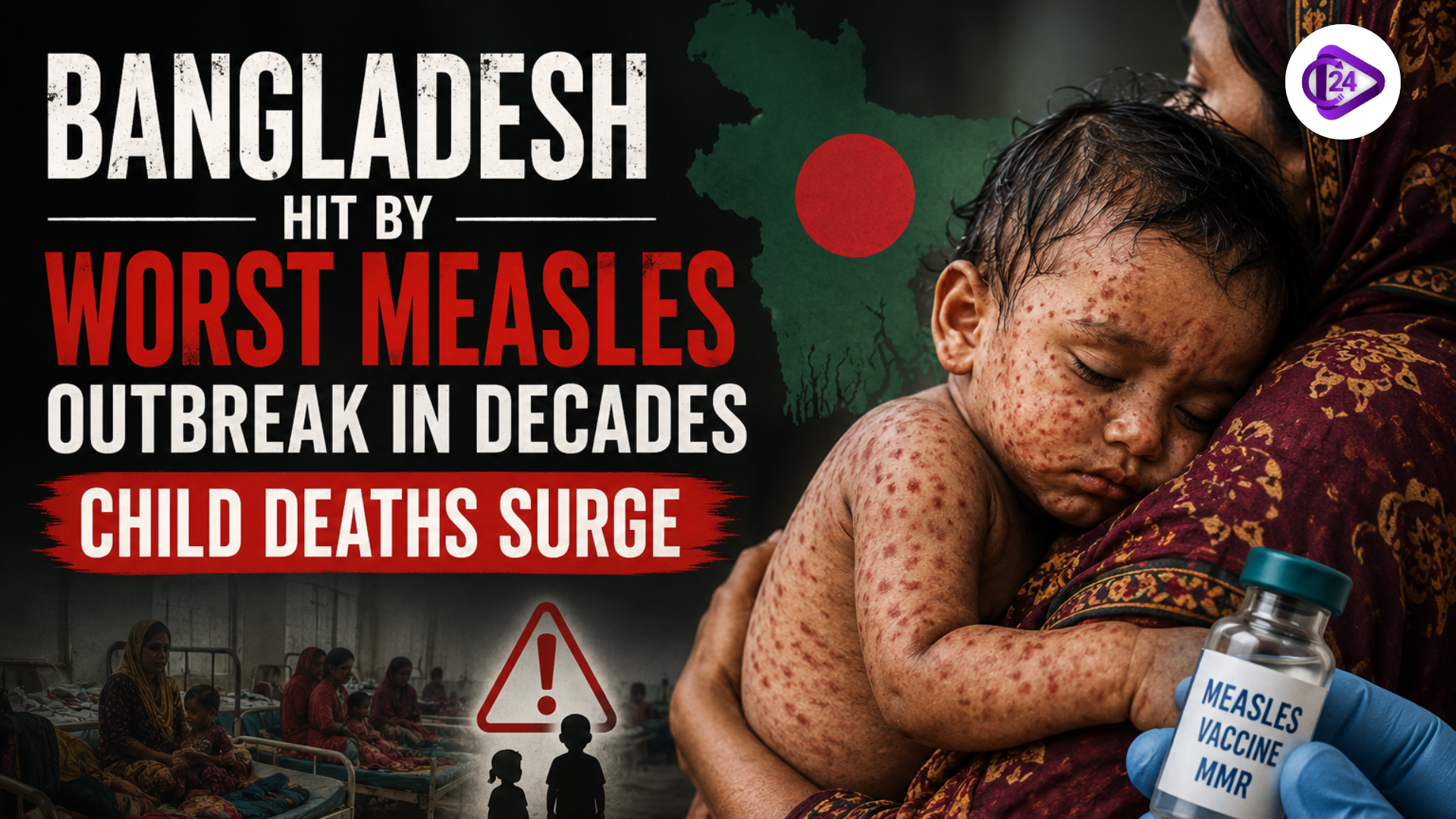
Bangladesh Hit by Worst Measles Outbreak in Decades, Child Deaths Surge

The Bangladeshi government is reporting having the largest measles outbreak in decades and a large surge in measles deaths and infections in many districts. The rapid spread of the disease has been attributed to low immunisation coverage, disrupted immunisation campaigns, malnutrition and interrupted health care access by international health agencies. Children under the age of 5 are the most impacted group. The outbreak has led to serious concerns by public health officials, which have led to emergency vaccination campaigns and international assistance. Health officials have called for urgent preventative actions to stop its spread and ensure it does not kill more people and cause serious health issues for vulnerable groups.

Key Highlights of Bangladesh Measles Outbreak 2026

  • Thousands of suspected measles cases are reported in various parts of the country, and the outbreak is one of the deadliest in recent decades in Bangladesh.
  • Children are the most affected group, according to the World Health Organisation (WHO) and UNICEF, not only due to the spread of viral disease but also because of their lack of resources in facing the threat.
  • Measles is an extremely contagious viral illness which passes from person to person through airborne droplets when somebody with the infection coughs or sneezes.
  • Experts suggested that the more the vaccines were not administered during the routine vaccination programmes, the greater the decline there would be in vaccination coverage, which led to such epidemics.
  • Affected children are reported to have suffered from serious complications, including pneumonia, dehydration, eye infections and brain infections.
  • The outbreak has made a heavy strain on the health care facilities of Bangladesh, particularly in high-population-density, low-income regions.
  • WHO explained that double doses of the measles vaccine provide excellent protection and aid in preventing outbreaks.
  • Vaccination campaigns have been carried out in several high-risk districts as emergency vaccinations to stop infections spreading.
  • International health organisations’ vaccines, surveillance systems and emergency health care support are assisting Bangladesh.
  • Public health authorities advised parents to have their children properly immunised and to practise proper hygiene to limit the dangers of spreading the disease.

PYQs-Based Questions on Measles

Exam & Year Question Options Correct Answer
UPSC Prelims 2019 Mission Indradhanush is related to: A. Nutrition B. Immunization C. Education D. Housing B. Immunization
SSC CGL 2022 Measles vaccine is administered in India under which programme? A. Universal Immunization Programme B. Ayushman Bharat C. PM Poshan D. ICDS A. Universal Immunization Programme
NEET 2020 Measles is caused by which type of pathogen? A. Fungus B. Virus C. Bacteria D. Protozoa B. Virus
CTET 2021 Which ministry implements the Universal Immunization Programme in India? A. Ministry of Education B. Ministry of Health and Family Welfare C. Ministry of Women and Child Development D. Ministry of Home Affairs B. Ministry of Health and Family Welfare
SSC CHSL 2023 Which vaccine is commonly used for protection against measles? A. BCG B. DPT C. MMR D. OPV C. MMR
REET 2022 Children of which age group are most vulnerable to measles infection? A. Above 60 years B. Teenagers C. Under five years D. Adults C. Under five years
AIIMS NORCET 2023 Measles mainly spreads through: A. Water Contamination B. Mosquito Bite C. Respiratory Droplets D. Blood Transfusion C. Respiratory Droplets
UPSC CDS 2021 Who is known for developing the first successful measles vaccine? A. Edward Jenner B. Alexander Fleming C. John Enders D. Robert Koch C. John Enders
SSC GD 2024 Which organisation leads global measles vaccination and surveillance programmes? A. UNESCO B. WHO C. IMF D. WTO B. WHO
RRB NTPC 2022 Mission Indradhanush was launched to increase: A. Literacy Rate B. Employment C. Immunization Coverage D. Digital Education C. Immunization Coverage
NEET 2021 Severe measles infection may cause which complication? A. Pneumonia B. Brain Infection C. Blindness D. All of the Above D. All of the Above
CTET 2023 Two doses of measles-containing vaccine provide: A. Partial Protection B. Strong Immunity C. Temporary Relief D. No Protection B. Strong Immunity

India to Host First IBCA Summit in June 2026

Conclusion – Severe Measles Outbreak in Bangladesh

The large outbreak of measles in Bangladesh underscores the importance of regular immunisation and good public health systems. The increase in infections and child deaths has created a health threat at a global level, particularly in countries where vaccination rates are low. There is a continued focus on the importance of timely vaccination, awareness-raising initiatives, and emergency response plans to manage the outbreak of the disease. Expanding health infrastructure, increasing access to immunisations, and reporting cases early will go a long way towards helping to save lives and prevent future epidemics of highly contagious diseases such as measles in Bangladesh.

Nuclear

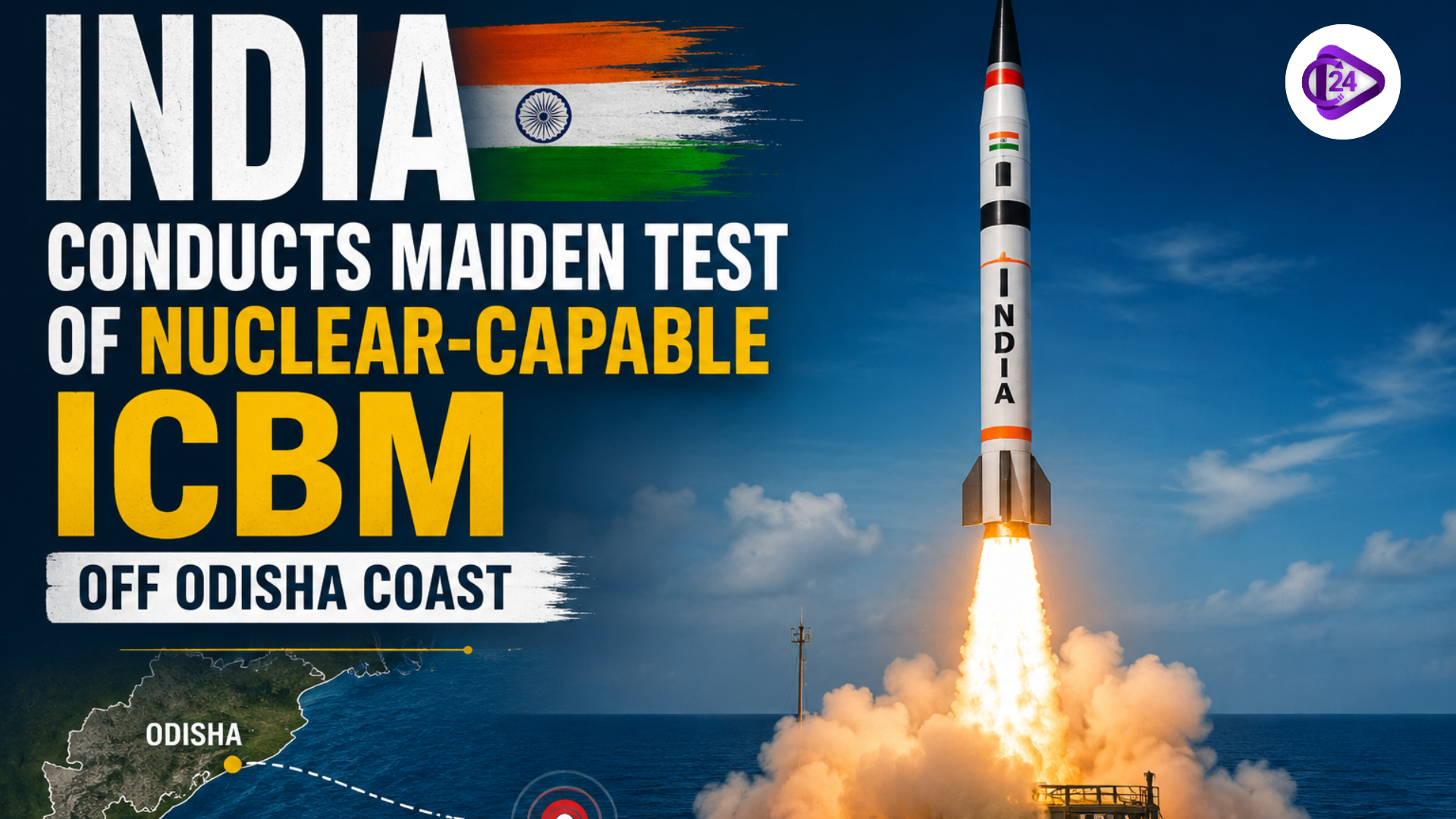
India Conducts Maiden Test of Nuclear-Capable ICBM Off Odisha Coast

India has made a giant stride towards nuclear-capable Intercontinental Ballistic Missile (ICBM) development with the successful testing off the Odisha coast of the first test flight of such a missile. The test was conducted by the DRDO team at the Integrated Test Range (ITR), which enhances India’s strategic deterrence capability in the long range. The missile will be armed with nuclear warheads and have a range of thousands of kilometres. This successful trial depicts the development of India’s indigenous missile technology and marked Indian Missile Power’s progress in the advanced class of ICBMs and strategic defence system countries, say defence experts

Significance of India’s Maiden Nuclear-Capable ICBM Test

  • Under the supervision of the Defence Research and Development Organisation (DRDO), India successfully carried out the test of an Odisha-made nuclear-capable intercontinental ballistic missile (ICBM) off the Odisha coast for the first time.
  • The missile was launched from the habitat of one of the most prominent indigenously established missile test centres of India, the Integrated Test Range (ITR) near Chandipur and Dr APJ Abdul Kalam Island, Odisha.
  • The successful test is a major step towards bolstering India’s strategic defence preparedness and long-range strike capabilities.
  • Intercontinental Ballistic Missiles (ICBMs) can reach a distance of over 5,500 kilometres and can carry conventional or nuclear warheads to long-term targets.
  • The test was compared to the country’s Agnividya missile programme and, in particular, its progress on the Agni-6 missile system programme being developed by DRDO.
  • The missile trial underscored India’s ability to enhance its nuclear deterrence and strategic capabilities in the Indo-Pacific region.
  • This test confirms key operational and technical parameters that are essential for a missile’s deployment for long-distance missions, a report reads.
  • India became part of a club of other technologically advanced countries, which have developed advanced long-range ballistic missile technology and similar technologies in MIRVs.
  • Recently, DRDO has carried out several advanced missile tests off the Odisha coast, such as glider weapon systems, naval missile systems, and hypersonic anti-ship missiles.
  • The successful testing of the ICBM highlights India’s shift towards indigenous defence production, self-sufficiency in military technologies and strategic modernisation of security.

About Intercontinental Ballistic Missile (ICBM)

A Long-range Ballistic Missile (LRBM) or Intercontinental Ballistic Missile (ICBM) is a missile that is capable of flying longer than 5,500 km and carrying a nuclear or conventional warhead to a distant target that is more than 2,000 km across continents. The trajectory of the ICBM is ballistic: a ballistic missile starts powered and continues through space before descending back to the Earth towards its target. The missiles are referred to as a big part of the country’s strategic defence and nuclear deterrence system. The modern ICBMs are capable of carrying several warheads by MIRV (Multiple Independently Targeted Reentry Vehicle) and can be launched from land-based silos, mobile launchers, or submarines.

Shashi Shekhar Vempati Appointed New CBFC Chairman

Conclusion – India Successfully Tests Nuclear-Capable ICBM

It is a notable achievement for the Indian defence and strategic capabilities to have successfully tested an Indian nuclear-capable ICBM. The missile test reflects India’s enhanced capabilities in indigenisation of missile technology and bolsters its long-range deterrence matrix. The test is part of DRDO’s effort to promote self-reliance and stringent military modernisation in line with the country’s emphasis. This success further bolsters India’s status as a leading world power with advanced ballistic missile capabilities and strengthens its strategic posture and national security measures.

NITI Aayog

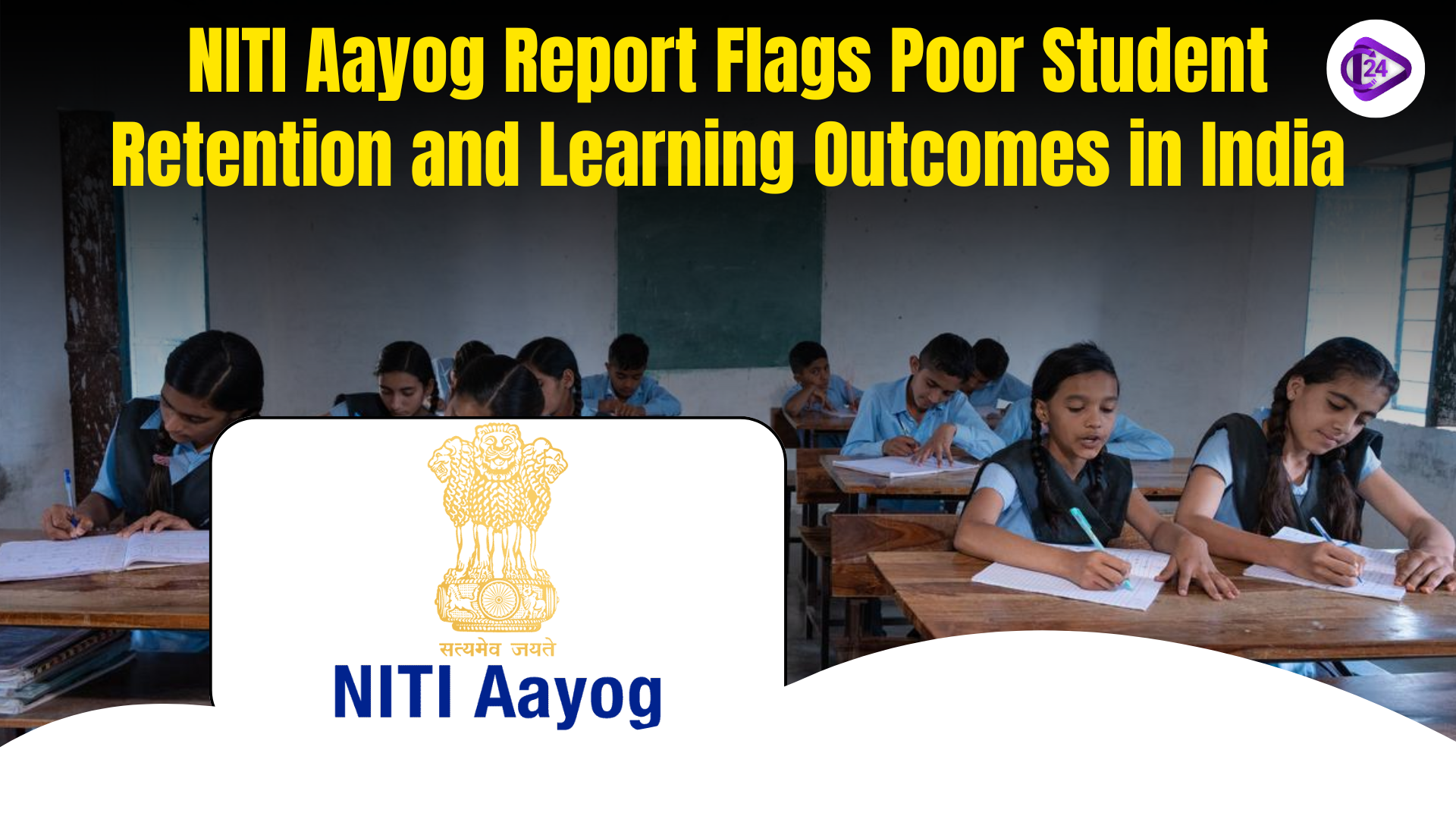
NITI Aayog Report Flags Poor Student Retention and Learning Outcomes in India

The study recently conducted by the NITI Aayog indicates that pupil retention in school education and student performance in learning continue to be critical issues in the Indian school education system. The report highlights issues stemming from low enrolment rates at government schools and learning gaps, a shortage of teachers, and low foundational literacy and numeracy skills of learners. It also highlights the fact that many children are making good progress in classes, but that they are not fully achieving nationally expected standards. Based on the UDISE+, ASER, NAS, and PARAKH surveys, the report vividly points to the need for better policy reforms, management of teachers, integration of digital learning, and improved monitoring mechanisms in order to bolster the overall quality of education in India.

Highlights of NITI Aayog Report on India’s Education Crisis

  • Nearly 71% of students were enrolled in government schools in 2005, which came down to around 49.24% during the 2024-25 school year, NITI Aayog noted. The above shows that parents are increasingly expressing a higher preference for private schools. 
  • The lack of retention of students was one of the major concerns noted in the report, particularly when they were making the primary-secondary school and secondary – higher secondary school transitions. Students drop out of school for a variety of reasons – economic, social, and infrastructural. 
  • While some states have expanded school access and enrolment, learning outcomes remain inadequate in several states. ASER or NAS surveys found that many students found difficulty in basic reading comprehension skills and arithmetic skills. 
  • Shortages and delays in teachers at the school level continue to have an impact on the quality of classroom learning, especially in rural and remote schools. The report pointed out that the single-teacher schools and the disintegration of the school structures abound. 
  • The policy highlighted the significance of Eklavya and brought up the importance of foundational literacy and numeracy as per the goals of the National Education Policy (NEP) 2020. 
  • NITI Aayog advocated for the increased implementation of AI in school education, digital learning resources, and an improvement in governance in the education field. 
  • The report further recommended fortifying the monitoring systems, conducting more frequent evaluations with students, providing quality teacher training, and ensuring that evidence-based policymaking leads to better educational results nationally.

Recently Asked Questions on New Education Policy (NEP)

Exam & Year Question Options Correct Answer
CTET 2024 According to NEP 2020, foundational literacy and numeracy is considered essential for all future learning. What does this refer to? A. Vocational Education B. Foundational Literacy and Numeracy C. Digital Learning D. Experiential Learning B. Foundational Literacy and Numeracy
UGC NET 2023 According to NEP 2020, which platform is recommended for hosting virtual labs and online learning resources? A. YouTube B. Google Classroom C. SWAYAM D. Zoom C. SWAYAM
UGC NET 2024 NEP 2020 proposes replacing the old education structure with which new curricular structure? A. 8+4 B. 10+2 C. 5+3+3+4 D. 6+3+3+2 C. 5+3+3+4
CTET 2023 What is the primary objective of PARAKH under NEP 2020? A. Conduct board exams B. Regulate universities C. Set norms and standards for assessment D. Provide online classes C. Set norms and standards for assessment
UPTET 2022 According to NEP 2020, every teacher should complete at least how many hours of Continuous Professional Development (CPD) annually? A. 20 Hours B. 30 Hours C. 40 Hours D. 50 Hours D. 50 Hours
UPSC Prelims 2021 National Education Policy 2020 aims to achieve what percentage of Gross Enrolment Ratio in higher education by 2035? A. 25% B. 35% C. 50% D. 75% C. 50%
REET 2023 NEP 2020 emphasizes which type of learning approach? A. Rote Learning B. Experiential Learning C. Lecture Method D. Memorization-Based Learning B. Experiential Learning
DSSSB 2022 The National Research Foundation (NRF) proposed in NEP 2020 aims to: A. Conduct School Exams B. Promote Coaching Institutes C. Develop Research Culture in Universities D. Recruit Teachers C. Develop Research Culture in Universities
CTET 2024 According to NEP 2020, vocational education exposure should be provided to at least what percentage of learners by 2025? A. 25% B. 40% C. 50% D. 75% C. 50%
KVS PRT 2023 Which policy first described education as a “forceful tool for cultivation of social and moral values”? A. NCF 2005 B. National Policy on Education 1986 C. RTE Act 2009 D. NEP 2020 B. National Policy on Education 1986

Bengaluru Records Highest Number of Cybercrime Cases in India

Conclusion – NITI Aayog Raises Concern Over Student Retention

The drop in retention rates and failure to achieve strong learning outcomes are critical issues in the Indian education system, according to the NITI Aayog report. Despite the agricultural gains of increased access to education and school enrolment, learning gaps, teacher shortages, and dropout rates are among the difficulties that affect educational quality. The report identifies the areas that require the most focus to better implement NEP 2020, improve foundational literacy, support digital learning, and ensure frequent monitoring. Policy changes and improved governance can play a key role in improving the school education system and promoting better learning outcomes across the country.

Frequently Asked Questions (FAQs)

The current affairs cover recent national and international events related to UPSC, SSC, Banking, Railways, and State PCS.

You need to read about the current affairs daily, and revise them every week and every month to keep them longer in your memory.

Yes, Class24 provides free downloadable Daily Current Affairs PDFs for easy revision.

Yes, you can practice MCQs and quizzes to boost your exam preparation.

Absolutely. The content is written in simple, easy-to-understand bilingual language suitable for beginners.

Go to class24.com and click on the current affairs section directly, where you find everything that you need.

ssc-toppers

Start Learning Today with Class24

Related current affairs

Class24 offers free video lectures for smart preparation, covering CGL, CPO, CHSL, MTS, and GD exams. Learn from expert faculty, revise concepts easily, practice with PYQs, and improve speed and accuracy through high-quality, exam-focused video lessons anytime, anywhere.

Get success in your hand. Start study anytime anywhere.

The journey becomes simple and enjoyable when you start taking interest in it. And through our app “Class24”, we will be your trusted partners in developing that interest.

Daily Quizzes
Mock Tests
Ongoing

No ongoing tests right now.