

Daily Quizzes
Mock Tests
No tests attempted yet.
Select Category
List of Indian Festivals: State Wise & Month Wise Major Festivals in India

Enquire Now
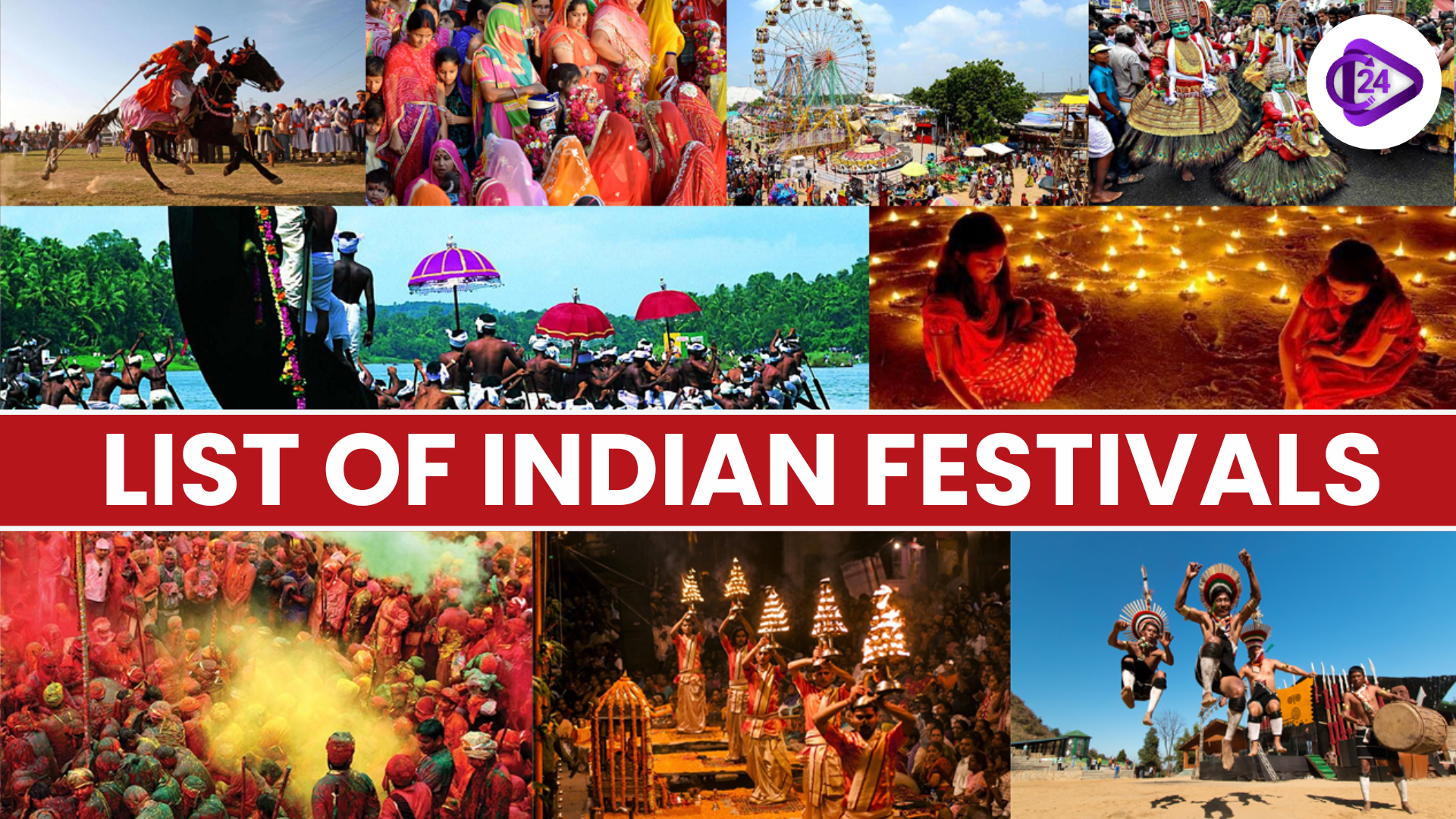
India is known as the land of festivals, where different cultures, religions, and traditions come together to celebrate throughout the year. The list of Indian festivals is extremely diverse because India is home to multiple religions, including Hinduism, Islam, Christianity, Sikhism, Buddhism, and Jainism. Each festival reflects unique traditions, rituals, and cultural values that have been followed for centuries.
From the vibrant celebrations of Diwali and Holi to the spiritual observance of Eid, Christmas, and Guru Nanak Jayanti, festivals in India play an important role in bringing families and communities together. These celebrations represent unity in diversity and showcase the rich heritage of the country.
In this article, we will explore the complete list of Indian festivals, including major national festivals, religious festivals, and regional celebrations across different states of India.
List of Indian Festivals in India
The list of Indian festivals includes national festivals, religious festivals, and regional festivals celebrated across different states. These festivals are celebrated with great enthusiasm through rituals, prayers, cultural programs, traditional food, and community gatherings.
Some of the most popular festivals in India include:
- Diwali
- Holi
- Dussehra
- Eid-ul-Fitr
- Christmas
- Raksha Bandhan
- Janmashtami
- Ganesh Chaturthi
- Pongal
- Onam
- Baisakhi
- Navratri
- Durga Puja
- Guru Nanak Jayanti
These festivals are celebrated with different customs depending on the region and community.
List of Indian Festivals Month-wise
The list of Indian festivals month wise helps understand when major festivals occur throughout the year.
| Month | Major Festivals |
|---|---|
| January | Makar Sankranti, Pongal, Lohri, Republic Day |
| February | Maha Shivratri, Basant Panchami |
| March | Holi, Ram Navami |
| April | Baisakhi, Mahavir Jayanti, Good Friday |
| May | Buddha Purnima |
| June | Rath Yatra |
| July | Guru Purnima |
| August | Raksha Bandhan, Janmashtami, Independence Day |
| September | Ganesh Chaturthi |
| October | Navratri, Dussehra |
| November | Diwali, Bhai Dooj, Guru Nanak Jayanti |
| December | Christmas |
This month wise list of Indian festivals shows how festivals are celebrated almost every month in India.
List of Indian Festivals State Wise
India’s cultural diversity means that many festivals are unique to certain states. The list of Indian festivals state wise highlights regional celebrations.
| State | Famous Festivals |
|---|---|
| Punjab | Baisakhi, Lohri |
| Gujarat | Navratri, Uttarayan |
| Maharashtra | Ganesh Chaturthi |
| Kerala | Onam, Vishu |
| Tamil Nadu | Pongal |
| West Bengal | Durga Puja |
| Assam | Bihu |
| Rajasthan | Gangaur, Teej |
| Karnataka | Mysuru Dasara |
| Goa | Carnival |
Each state celebrates festivals in its own cultural style.
List of Indian Festivals: National Festivals of India
The list of Indian festivals also includes important national festivals celebrated across the country.
Republic Day
Republic Day is celebrated on 26 January every year to mark the adoption of the Indian Constitution. It is one of the most important national festivals in India.
Independence Day
Independence Day is celebrated on 15 August to commemorate India’s freedom from British rule in 1947.
Gandhi Jayanti
Gandhi Jayanti is observed on 2 October to honor the birth anniversary of Mahatma Gandhi.
These national festivals represent patriotism and unity.
RRB Group D Exam Test Series 2026
List of Indian Festivals: Major Hindu Festivals
The list of Indian festivals includes many Hindu festivals celebrated across India.
Diwali
Diwali, also known as the Festival of Lights, symbolizes the victory of good over evil. People decorate homes with lamps, candles, and rangoli.
Holi
Holi is the festival of colors, celebrated with colored powders, water balloons, and festive gatherings.
Navratri
Navratri is a nine-day festival dedicated to Goddess Durga. It is celebrated with fasting, dance, and cultural performances.
Dussehra
Dussehra marks the victory of Lord Rama over Ravana and symbolizes the triumph of good over evil.
List of Indian Festivals: Muslim Festivals in India
The list of Indian festivals also includes important Islamic festivals.
Eid-ul-Fitr
Eid-ul-Fitr marks the end of the holy month of Ramadan. It is celebrated with prayers, charity, and feasting.
Eid-ul-Adha
Also known as Bakrid, Eid-ul-Adha commemorates the sacrifice of Prophet Ibrahim.
Muharram
Muharram is observed as a period of mourning by the Muslim community.
List of Indian Festivals: Sikh Festivals
The list of Indian festivals also includes Sikh religious celebrations.
Baisakhi
Baisakhi marks the Sikh New Year and the formation of the Khalsa.
Guru Nanak Jayanti
This festival celebrates the birth anniversary of Guru Nanak, the founder of Sikhism.
List of Indian Festivals: Christian Festivals
Christian festivals are also part of the list of Indian festivals.
Christmas
Christmas celebrates the birth of Jesus Christ on 25 December.
Good Friday
Good Friday commemorates the crucifixion of Jesus Christ.
Easter
Easter celebrates the resurrection of Jesus.
Importance of the List of Indian Festivals
The list of Indian festivals reflects the cultural and religious diversity of India.
Key importance:
- Promotes unity and harmony
- Preserves cultural traditions
- Strengthens family bonds
- Boosts tourism and economy
- Encourages social celebrations
Festivals help people connect with their traditions and heritage.
Conclusion
The list of Indian festivals highlights the cultural richness and diversity of India. Festivals in India are celebrated with joy, devotion, and enthusiasm by people of different religions and communities. From national festivals like Independence Day to religious celebrations like Diwali, Eid, Christmas, and Guru Nanak Jayanti, every festival carries deep cultural and spiritual significance.
These festivals not only preserve India’s traditions but also promote unity among people. Understanding the list of Indian festivals month-wise and state-wise helps us appreciate the vibrant culture and heritage of India that makes the country truly unique.
Frequently Asked Questions