

Daily Quizzes
Mock Tests
No tests attempted yet.
Select Category
Famous Temples of India: Spiritual and Cultural Heritage of the Country

Enquire Now
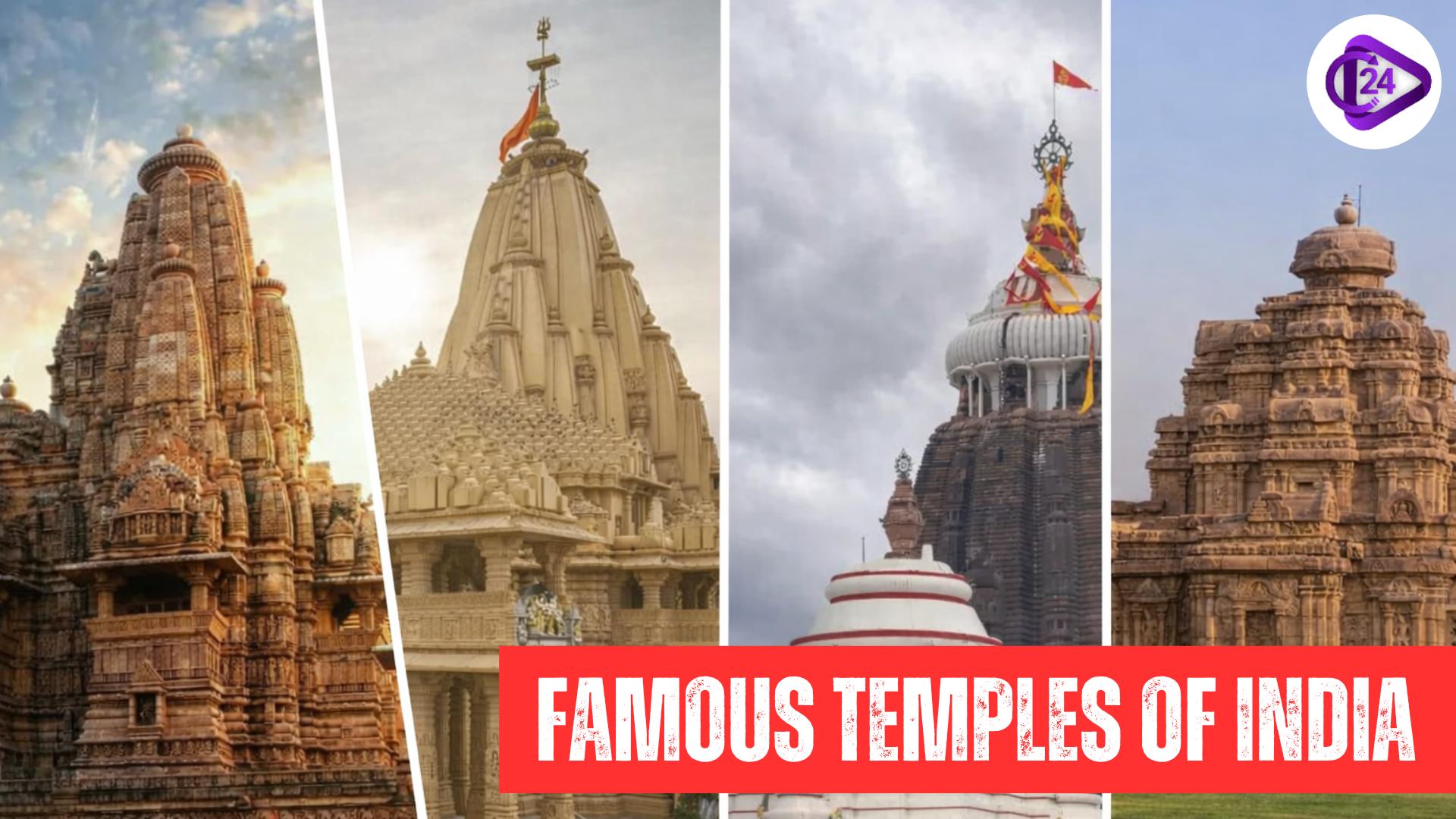
India is often called the land of temples, and honestly, that description fits perfectly. Every state, every city, and even the smallest villages carry a temple with its own story, its own deity, and its own centuries-old traditions. These are not just structures made of stone and marble. They are living centers of faith where rituals, music, festivals, and community life come together every single day.
Whether you are a devotee looking for spiritual peace, a history lover chasing ancient architecture, or a curious traveler who simply wants to understand India's soul, the temples of the country will always have something to offer. In this article, we will walk through the most famous temples of India, what makes each of them special, and why they continue to hold such deep cultural and spiritual value even today.
Why Temples Hold Such Importance in India
Before jumping into the list, it helps to understand why temples matter so much in Indian life. It's not just about religion.
- Centers of faith - Temples are where people go to pray, seek blessings, and find inner peace during both happy and difficult times.
- Architectural marvels - Many temples showcase construction techniques and artistry that are hundreds, sometimes thousands, of years old.
- Cultural preservation - Festivals, classical dance, temple music, and local art forms have survived for centuries mainly because temples kept them alive.
- Community gathering spaces - Temples often double up as places where local communities meet, celebrate festivals together, and support each other.
- Tourism and economy - Pilgrimage tourism brings in massive footfall, supporting local businesses, artisans, and the hospitality sector.
- Historical records - Temple inscriptions and sculptures often tell us about the rulers, dynasties, and social life of a particular era.
Famous Temples of India You Should Know About
1. Tirupati Balaji Temple, Andhra Pradesh
Located on the Tirumala Hills, this temple is dedicated to Lord Venkateswara, a form of Lord Vishnu. It is considered one of the richest and most visited pilgrimage sites in the world, with tens of thousands of devotees arriving daily. The Dravidian-style gopurams and the temple's daily rituals draw people from across the globe, not just from India.
2. Golden Temple (Harmandir Sahib), Punjab
The holiest shrine for Sikhs, the Golden Temple in Amritsar is known for its stunning gold-plated structure sitting amid a sacred pool called the Amrit Sarovar. What makes it truly special is the langar, a free community kitchen that serves food to lakhs of visitors every day, regardless of religion, caste, or background.
3. Kashi Vishwanath Temple, Uttar Pradesh
Situated on the banks of the Ganga in Varanasi, this temple is dedicated to Lord Shiva and is one of the twelve Jyotirlingas. Varanasi itself is considered one of the oldest continuously inhabited cities in the world, and this temple sits right at its spiritual heart.
4. Meenakshi Amman Temple, Tamil Nadu
Located in Madurai, this temple is dedicated to Goddess Meenakshi and Lord Sundareswarar. It is famous for its towering, intricately carved gopurams covered in thousands of colorful sculptures depicting Hindu mythology. The temple complex is a masterclass in Dravidian architecture.
5. Vaishno Devi Temple, Jammu and Kashmir
Nestled in the Trikuta Mountains, this cave shrine dedicated to Goddess Vaishno Devi requires a trek of around 12 to 13 kilometers from the base camp at Katra. Despite the physical effort involved, millions of devotees make this journey every year.
6. Jagannath Temple, Odisha
Located in Puri, this temple is famous worldwide for its annual Rath Yatra, where massive chariots carrying the deities are pulled through the streets by thousands of devotees. A unique tradition here is that the wooden idols of Lord Jagannath, Balabhadra, and Subhadra are replaced every 12 years in a ritual called Nabakalebara.
7. Amarnath Temple, Jammu and Kashmir
A natural cave shrine high in the Himalayas, dedicated to Lord Shiva. Pilgrims trek through challenging terrain during a short yatra window each summer to witness the naturally formed ice Shivling.
8. Akshardham Temple, Delhi and Gandhinagar
A relatively modern addition to India's temple landscape, Akshardham is dedicated to Lord Swaminarayan. Built using pink sandstone and intricate carvings, it combines spirituality with cultural exhibitions, light shows, and beautifully landscaped gardens.
9. Brihadeeswara Temple, Tamil Nadu
Built in 1010 AD by Raja Raja Chola I, this temple in Thanjavur is a UNESCO World Heritage Site. Constructed entirely of granite, its 216-feet vimana (tower) remains an engineering wonder even by modern standards.
10. Siddhivinayak Temple, Maharashtra
Located in Mumbai, this temple is dedicated to Lord Ganesha and is one of the most visited and wealthiest temples in the country. It draws devotees from all walks of life, including many well-known personalities from the film and business world.
11. Kedarnath Temple, Uttarakhand
One of the twelve Jyotirlingas, Kedarnath sits amid breathtaking Himalayan scenery. According to mythology, it was built by the Pandavas. Reaching the temple requires a trek from Gaurikund, and the experience is as much about the journey as the destination.
12. Konark Sun Temple, Odisha
Built in the 13th century, this temple is designed in the shape of a giant chariot dedicated to the Sun God. Though partially in ruins today, its stone carvings and architectural detailing still leave visitors amazed. It is also a UNESCO World Heritage Site.
13. Dilwara Jain Temples, Rajasthan
Located near Mount Abu, these five Jain temples are known for their extraordinarily detailed marble carvings. The ceilings and pillars feature delicate sculptures depicting Jain Tirthankaras, and the craftsmanship is so fine that it looks almost impossible to have been done by hand.
14. Sri Ranganathaswamy Temple, Tamil Nadu
Located in Srirangam, this is considered the largest functioning Hindu temple complex in the world. Dedicated to a reclining form of Lord Vishnu, it is one of the most sacred Vaishnavite pilgrimage sites in South India.
15. Lotus Temple, Delhi
Though not a traditional temple, the Lotus Temple deserves a mention for its architectural beauty. Shaped like a blooming lotus, it belongs to the Baha'i faith and welcomes people of every religion for quiet reflection and meditation, without any rituals or idols.
Quick Reference Table: Famous Temples of India
| Temple Name | State | Dedicated To | Known For |
|---|---|---|---|
| Tirupati Balaji Temple | Andhra Pradesh | Lord Venkateswara | Highest daily footfall, immense wealth |
| Golden Temple | Punjab | Sikh faith | Gold architecture, community langar |
| Kashi Vishwanath Temple | Uttar Pradesh | Lord Shiva | One of 12 Jyotirlingas |
| Meenakshi Amman Temple | Tamil Nadu | Goddess Meenakshi | Colorful carved gopurams |
| Vaishno Devi Temple | Jammu & Kashmir | Goddess Vaishno Devi | Himalayan cave shrine trek |
| Jagannath Temple | Odisha | Lord Jagannath | Annual Rath Yatra |
| Amarnath Temple | Jammu & Kashmir | Lord Shiva | Natural ice Shivling |
| Akshardham Temple | Delhi / Gujarat | Lord Swaminarayan | Modern architecture, exhibitions |
| Brihadeeswara Temple | Tamil Nadu | Lord Shiva | UNESCO site, 216-ft vimana |
| Siddhivinayak Temple | Maharashtra | Lord Ganesha | Wealth, celebrity visitors |
| Kedarnath Temple | Uttarakhand | Lord Shiva | Himalayan Jyotirlinga |
| Konark Sun Temple | Odisha | Sun God | Chariot-shaped structure, UNESCO site |
| Dilwara Jain Temples | Rajasthan | Jain Tirthankaras | Marble carvings |
| Sri Ranganathaswamy Temple | Tamil Nadu | Lord Vishnu | World's largest functioning temple |
| Lotus Temple | Delhi | Baha'i faith | Lotus-shaped architecture |
Architectural Styles Found in Indian Temples
India's temples are not built in just one style. Over centuries, different regions developed their own distinct architectural language:
- Dravidian Style - Common in South India, marked by tall gopurams, pillared halls, and elaborate carvings (Meenakshi Temple, Brihadeeswara Temple).
- Nagara Style - Found mostly in North India, characterized by curved towers called shikharas (Kashi Vishwanath Temple, Konark Sun Temple).
- Vesara Style - A blend of Dravidian and Nagara styles, seen mostly in the Deccan region.
- Modern and Fusion Style - Newer temples like Akshardham and the Lotus Temple combine traditional motifs with contemporary construction techniques.
Tips for Visiting Famous Temples in India
- Check temple timings in advance, since many temples close for a few hours in the afternoon.
- Dress modestly; most temples expect visitors to cover shoulders and knees.
- Footwear is usually not allowed inside the main temple premises, so carry a small bag to keep your shoes.
- During major festivals, crowds can be huge, so plan your visit a little earlier if you prefer a quieter experience.
- Photography rules vary from temple to temple, so it's best to check before taking pictures inside the sanctum.
- Carry ID proof if you're visiting temples that follow special darshan or VIP entry systems.
Conclusion
The famous temples of India are far more than tourist attractions. They represent centuries of devotion, craftsmanship, and cultural continuity that still shapes everyday life across the country. From the Himalayan shrines of Kedarnath and Amarnath to the Dravidian grandeur of Meenakshi and Brihadeeswara, each temple tells a story that connects the past with the present. Visiting even a handful of these places gives you a real sense of why India's spiritual and cultural heritage is considered among the richest in the world.
Frequently Asked Questions