


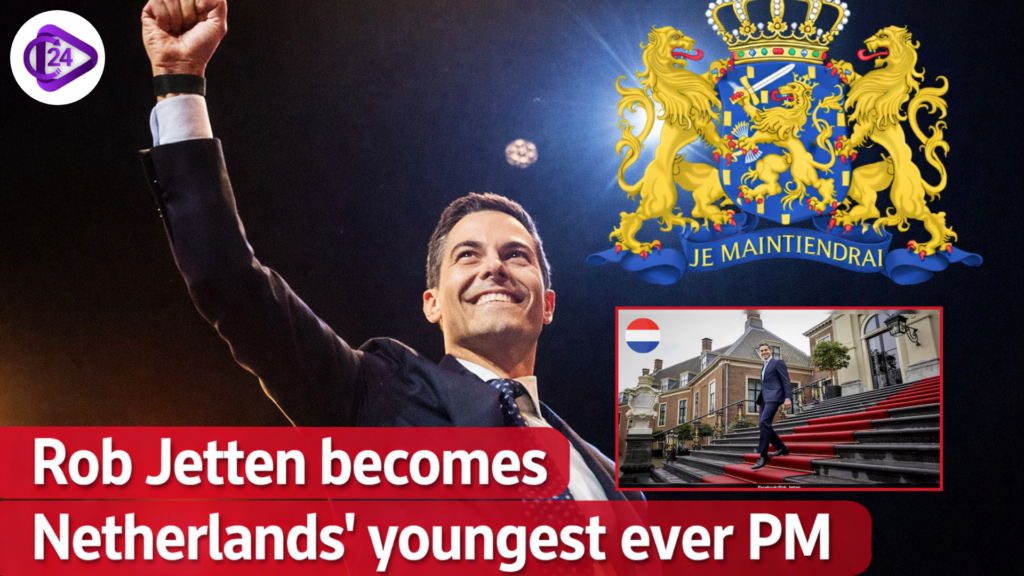
Rob Jetten has taken office as the youngest prime minister in the history of the Netherlands, marking a significant shift in the country’s political landscape. At just 38 years old, he now leads a newly formed coalition government in The Hague following weeks of negotiations after the elections. A senior leader of Democrats’ 66 (D66), Jetten steps into the role during a period of political transition and economic challenges. His appointment not only signals a generational change in Dutch leadership but also reflects evolving voter priorities and a reconfiguration of coalition politics in the Netherlands.
Rob Jetten: Political Background and Early Career
-
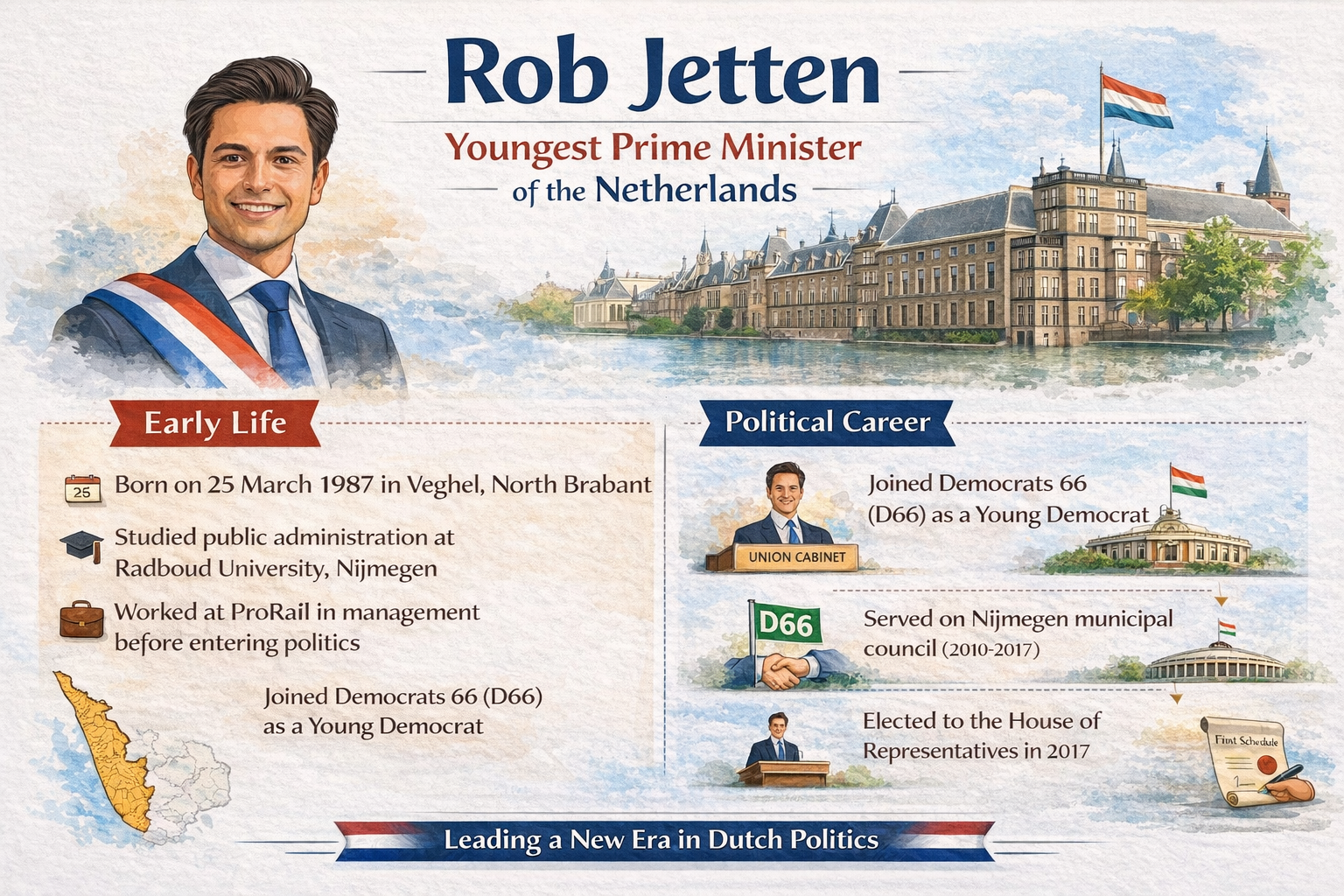
Early Life: Rob Arnoldus Adrianus Jetten was born on 25 March 1987 in Veghel, located in North Brabant, and was raised in the nearby town of Uden in the Netherlands.
-
Education: He studied public administration at Radboud University in Nijmegen, where he completed both his undergraduate and postgraduate degrees, focusing on governance and public policy.
-
Professional Experience: Before becoming a full-time politician, Jetten worked at ProRail, the Dutch railway infrastructure organisation, where he gained experience in management and public sector operations.
-
Entry into Politics: He joined Democrats 66 (D66) at a young age and became active within the party’s youth organisation, the Young Democrats, gradually moving into advisory roles.
-
Local Leadership: Jetten served as a member of the Nijmegen municipal council from 2010 to 2017, developing his political profile at the local level
-
National Breakthrough: He was elected to the House of Representatives in 2017 and, in 2018, became parliamentary leader of D66, marking a significant milestone in his rapid political rise.
Conclusion (Rob Jetten Becomes the PM of the Netherlands)
Rob Jetten’s elevation to the top office marks a defining moment in Dutch politics. At a relatively young age, Rob Jetten now carries the responsibility of leading the Netherlands through a period of political fragmentation and policy challenges. His rise reflects a broader generational shift and signals changing voter expectations in the country. As prime minister, he will need to balance coalition dynamics while advancing key priorities on climate, the economy, and social policy. His leadership will be closely watched both domestically and across Europe in the months ahead.