

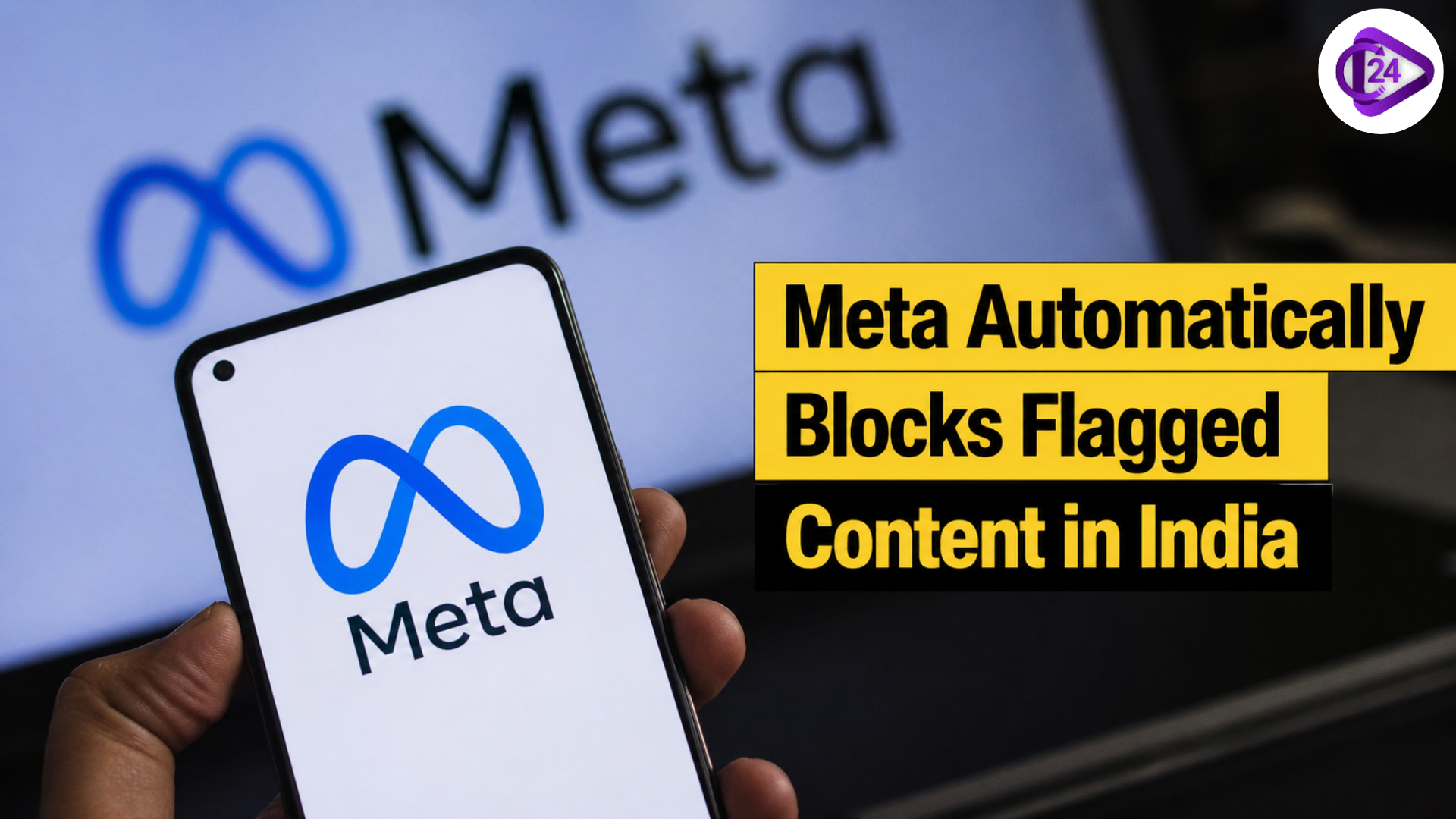
Meta Automatically Blocks on 25 April 2026, media reports detailing Meta Platforms’ transparency reports showed the company is capable of automatically taking down content that has been flagged in bulk in some regions, including India. This feature is mainly intended to adhere to national regulations and government orders, which often mandate the immediate removal of illegal or sensitive content. India has been one of the main areas where these measures have been applied due to India’s stringent IT laws. Automated processes allow Meta to quickly process multiple flagged contents, but also invite concerns about excessiveness, visibility and the impacts on freedom of speech.
Meta Automatic Content Blocking in India: Official Rules & System Explained
-
Meta’s official reports on integrity recently noted the platform might be “required to automatically restrict content at scale” in certain countries for legal reasons.
-
These restrictions in India may stem from government requests, court orders, or legal provisions under IT laws.
-
As per data released by Meta, thousands of items are restricted in India at the request of official authorities.
-
Meta blocks content if it is illegal in India, even if it does not breach Meta’s community standards.
-
Automation is essential for Meta to act fast and at scale, especially in high-volume markets such as India, where more than a billion people are connected to the internet.
-
India’s new IT rules mandate quicker take-down of unlawful content (as short as three hours), increasing the need for automation.
-
In India, requests for content to be restricted have reportedly increased drastically.
-
Meta has admitted difficulties in adhering to stringent time frames, particularly for manual review.
-
The approach aims to maintain compliance with the law, security of the state, and maintenance of public order.
-
But critics say automated blocking can result in over-censorship and freedom of expression issues, and it remains an important issue in India’s digital landscape.
Conclusion – Meta Automatic Content Blocking in India
Meta’s automated content blocking in India is a growing trend at the convergence of technology, regulation and governance. Responding to rigorous legal standards and government mandates, automation enables rapid, mass-scale responses in the world’s second-biggest market. This leads to more rapid detection and takedown of illegal content, but also calls attention to issues of transparency and fairness, as well as over-censorship. The controversy underlines the trade-off between compliance and free speech. In the ever-changing landscape of India’s digital regulations, companies such as Meta will continue to fine-tune their content moderation practices to comply with laws and user expectations.