


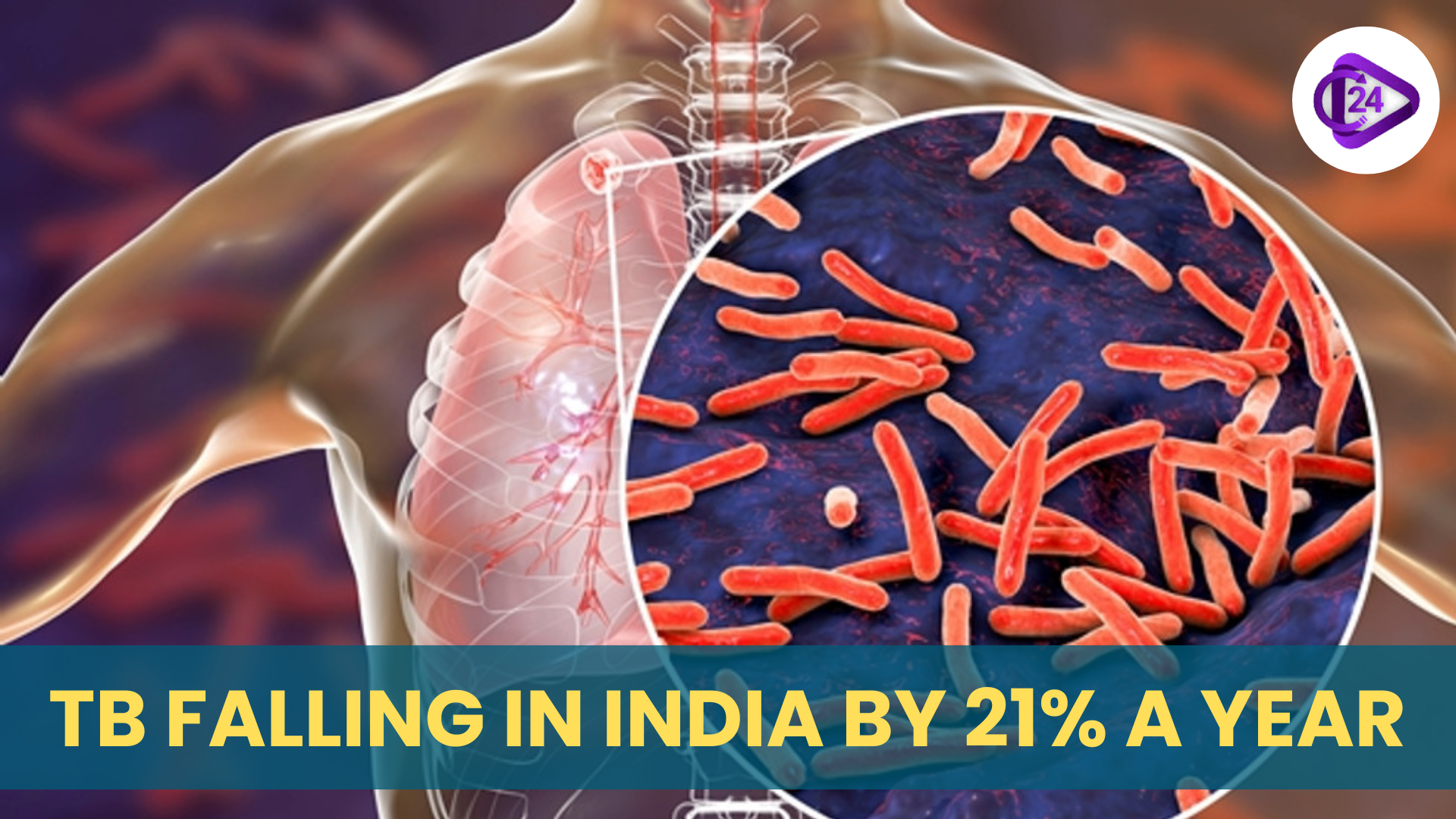
India has made measurable progress in its fight against tuberculosis (TB). According to the World Health Organization’s (WHO) Global Tuberculosis Report 2025, India’s estimated TB incidence rate declined by 21% between 2015 and 2024. The rate fell from 237 cases per lakh population in 2015 to 187 cases per lakh population in 2024. The report also highlights improvements in treatment coverage. India’s TB treatment coverage increased from 53% in 2015 to 92% in 2024, reflecting improvements in case detection and access to treatment. However, TB remains a major public health challenge, and sustained efforts are needed to detect undiagnosed cases, prevent new infections and support patients throughout treatment.
These developments are important for competitive examinations, particularly questions related to health programmes, government initiatives, international reports and public health.
Key Highlights of the WHO Global TB Report 2025
| Indicator | Key Fact |
| Report | WHO Global Tuberculosis Report 2025 |
| Period covered by the incidence comparison | 2015–2024 |
| Decline in India’s TB incidence | 21% |
| TB incidence in 2015 | 237 cases per lakh population |
| TB incidence in 2024 | 187 cases per lakh population |
| TB treatment coverage in 2015 | 53% |
| TB treatment coverage in 2024 | 92% |
| National programme | National Tuberculosis Elimination Programme (NTEP) |
| Global framework | WHO End TB Strategy |
Source: WHO Global Tuberculosis Report 2025 and Government of India information. The figures represent estimated incidence and treatment coverage, not simply the number of cases officially notified in a year.
What Is Tuberculosis (TB)?
Tuberculosis is an infectious disease caused by the bacterium Mycobacterium tuberculosis. It most commonly affects the lungs, but it can also affect other parts of the body, including the lymph nodes, bones, kidneys and brain.
TB spreads through the air when a person with infectious TB disease releases bacteria while coughing, speaking or singing. It does not ordinarily spread through sharing food, shaking hands or touching everyday objects.
Common symptoms of pulmonary TB may include:
- A persistent cough, particularly one lasting two weeks or more.
- Fever and night sweats.
- Unexplained weight loss.
- Loss of appetite.
- Weakness and fatigue.
- Chest pain or coughing up blood in some cases.
These symptoms can occur in other illnesses too. Anyone experiencing possible TB symptoms should seek medical assessment rather than relying on symptoms alone. TB is preventable and curable when diagnosed and treated appropriately.
Why Is the 21% Decline Significant?
The reported 21% decline indicates that India’s estimated annual rate of new TB cases has decreased compared with the 2015 baseline. The decline is an important measure of progress, but it should not be interpreted as the elimination of tuberculosis.
According to the Government of India’s summary of the WHO report, incidence declined from 237 to 187 cases per lakh population between 2015 and 2024. Over the same period, treatment coverage rose from 53% to 92%.
Higher treatment coverage means that a larger proportion of estimated people who develop TB are being identified and placed on treatment. Earlier diagnosis and timely treatment can reduce the duration of infectiousness, improve outcomes and help limit further transmission.
However, incidence and case notification are different indicators. Incidence estimates the number of people developing TB during a period, whereas case notification counts cases reported to the health system. Notifications can rise when screening and reporting improve, even while the underlying incidence rate declines.
National Tuberculosis Elimination Programme (NTEP)
The National Tuberculosis Elimination Programme is India’s principal public health programme for preventing, detecting and treating TB. The Revised National Tuberculosis Control Programme (RNTCP) was renamed NTEP in 2020.
The programme follows the strategic approach known as Detect, Treat, Prevent and Build.
1. Early Detection and Diagnosis
Early diagnosis helps patients begin treatment sooner and reduces the risk of transmission. The programme supports diagnostic services through public health facilities and expands access to molecular tests, including nucleic acid amplification tests (NAATs). Active case-finding efforts are particularly important among vulnerable populations and people who may face barriers to accessing healthcare. Chest X-rays may be used for screening, while appropriate diagnostic tests are needed to confirm disease.
2. Free Treatment and Medicines
TB diagnosis and treatment services are provided through government health facilities. Treatment depends on the type of TB, drug-susceptibility results and the patient’s clinical condition. Patients should complete the prescribed treatment and avoid stopping medicines without medical advice. Incomplete or inappropriate treatment can contribute to treatment failure and drug resistance.
3. Ni-kshay Portal
Ni-kshay is a digital platform used for recording and monitoring TB cases and supporting patient management. It helps health authorities track notified patients, treatment progress and programme activities. Digital surveillance can improve coordination between healthcare providers and public health officials. Its effectiveness also depends on accurate reporting, timely follow-up and access to care.
4. Nutritional and Community Support
Undernutrition is an important risk factor associated with TB. Nutrition support and community involvement can help patients manage the financial and social difficulties associated with treatment. The Pradhan Mantri TB Mukt Bharat Abhiyaan encourages community participation in TB elimination efforts. Ni-kshay Mitras can provide additional support to patients who consent to receive it.
The Government’s nutrition-support initiative, Ni-kshay Poshan Yojana, provides financial assistance to eligible notified TB patients to help meet nutritional needs. The applicable amount and payment arrangements should be checked against the latest official programme guidance.
5. Prevention and Contact Tracing
Preventing TB requires more than treating people who are already ill. Contact investigation, screening of eligible high-risk groups and TB preventive treatment for eligible individuals can reduce the risk of progression from TB infection to active disease. People living with TB patients should follow the advice of healthcare professionals regarding screening and preventive treatment. Better ventilation, early diagnosis and appropriate infection-control measures can also help reduce transmission.
TB Mukt Bharat Abhiyaan: Recent Government Efforts
The TB Mukt Bharat Abhiyaan strengthens India’s efforts to identify undiagnosed cases, initiate treatment promptly and provide more comprehensive support to patients. According to the Ministry of Health and Family Welfare’s March 2026 summary, more than 20 crore vulnerable people had been screened under the intensified campaign since 7 December 2024, and more than 28 lakh TB patients had been diagnosed during the campaign period reported by the government.
The same government summary reported that more than 46,118 Gram Panchayats had received TB-free certification for 2024. These figures are tied to the reporting period and should not be treated as totals for all of 2026.
The campaign includes targeted screening, diagnostic services, treatment support, preventive interventions and community participation. The objective is to reach people who may otherwise remain undiagnosed and to improve continuity of care.
BPaLM Regimen for Drug-Resistant TB
Drug-resistant tuberculosis is a significant challenge because some TB bacteria do not respond to particular medicines. Multidrug-resistant or rifampicin-resistant TB requires appropriate testing and specialist-directed treatment.
India has introduced the BPaLM regimen for eligible patients with drug-resistant TB. The regimen consists of:
- B: Bedaquiline
- Pa: Pretomanid
- L: Linezolid
- M: Moxifloxacin
For eligible patients, this regimen can provide a shorter treatment option, with a six-month course used under the relevant programme guidelines. It is not suitable for every patient, and treatment selection must be made by qualified healthcare professionals based on clinical assessment and drug-resistance testing.
The use of newer regimens highlights the importance of improving access to accurate diagnosis, appropriate medicines and monitoring for adverse effects.
Major Challenges in India’s Fight Against TB
Despite progress, several barriers continue to affect TB elimination efforts.
1. Undiagnosed Cases
Some people with TB are not diagnosed promptly because of limited awareness, difficulty accessing healthcare or delays in seeking medical attention. Active screening and accessible diagnostic services remain essential.
2. Drug Resistance
Incorrect, interrupted or inadequate treatment can contribute to drug resistance. Rapid diagnosis, drug-susceptibility testing and completion of an appropriate treatment course are therefore important.
3. Undernutrition and Poverty
Undernutrition can increase vulnerability to TB, while the disease itself may cause loss of income and additional household expenses. Social protection and nutritional support are important parts of a comprehensive response.
4. Stigma and Awareness
Fear of discrimination may discourage people from seeking diagnosis or disclosing their condition. Public education and respectful, confidential healthcare services can help address stigma.
5. Continuity of Treatment
Migration, travel costs, limited access to facilities and other social circumstances may interrupt treatment. Patient-centred follow-up and coordinated services are necessary to support treatment completion.
6. Reaching Vulnerable Populations
People living in crowded settings and communities with limited healthcare access may face higher barriers to diagnosis and treatment. Screening and services need to be adapted to local conditions.
India’s TB Elimination Target and the Global Goal
India had set an ambitious national aspiration to eliminate TB by 2025, ahead of the global 2030 timeline. The reported decline in incidence is meaningful progress, but the 2025 target should not be presented as having been achieved merely because incidence fell.
The WHO End TB Strategy provides a global framework for reducing TB incidence and deaths and lowering the social and economic burden of the disease. Achieving these goals requires sustained investment in diagnosis, treatment, prevention, research and patient support.
India’s progress will depend on continued case detection, accessible treatment, prevention among eligible populations, effective care for drug-resistant TB and action on underlying risk factors such as undernutrition.
Important Facts for Competitive Exams
- Disease: Tuberculosis (TB)
- Causative organism: Mycobacterium tuberculosis
- WHO report: Global Tuberculosis Report 2025
- Incidence decline in India: 21% between 2015 and 2024
- Incidence rate: 237 per lakh population in 2015 to 187 in 2024
- Treatment coverage: 53% in 2015 to 92% in 2024
- National programme: National Tuberculosis Elimination Programme (NTEP)
- NTEP strategic approach: Detect, Treat, Prevent and Build
- Digital TB platform: Ni-kshay
- Community initiative: Pradhan Mantri TB Mukt Bharat Abhiyaan
- Drug-resistant TB regimen: BPaLM
- World TB Day: 24 March
- Global framework: WHO End TB Strategy, with a 2030 global horizon
Conclusion
India’s 21% decline in estimated TB incidence between 2015 and 2024 is an important public health development reported in the WHO Global Tuberculosis Report 2025. The increase in treatment coverage also indicates progress in identifying and treating people with TB.
However, progress does not mean the disease has been eliminated. Undiagnosed cases, drug resistance, undernutrition, stigma and interruptions in treatment remain important concerns. Strengthening early diagnosis, patient support, preventive treatment and community participation will be essential to sustain progress towards TB elimination.
For competitive examinations, remember the key figures: a 21% incidence decline, a fall from 237 to 187 cases per lakh population, and treatment coverage rising from 53% to 92% between 2015 and 2024.