


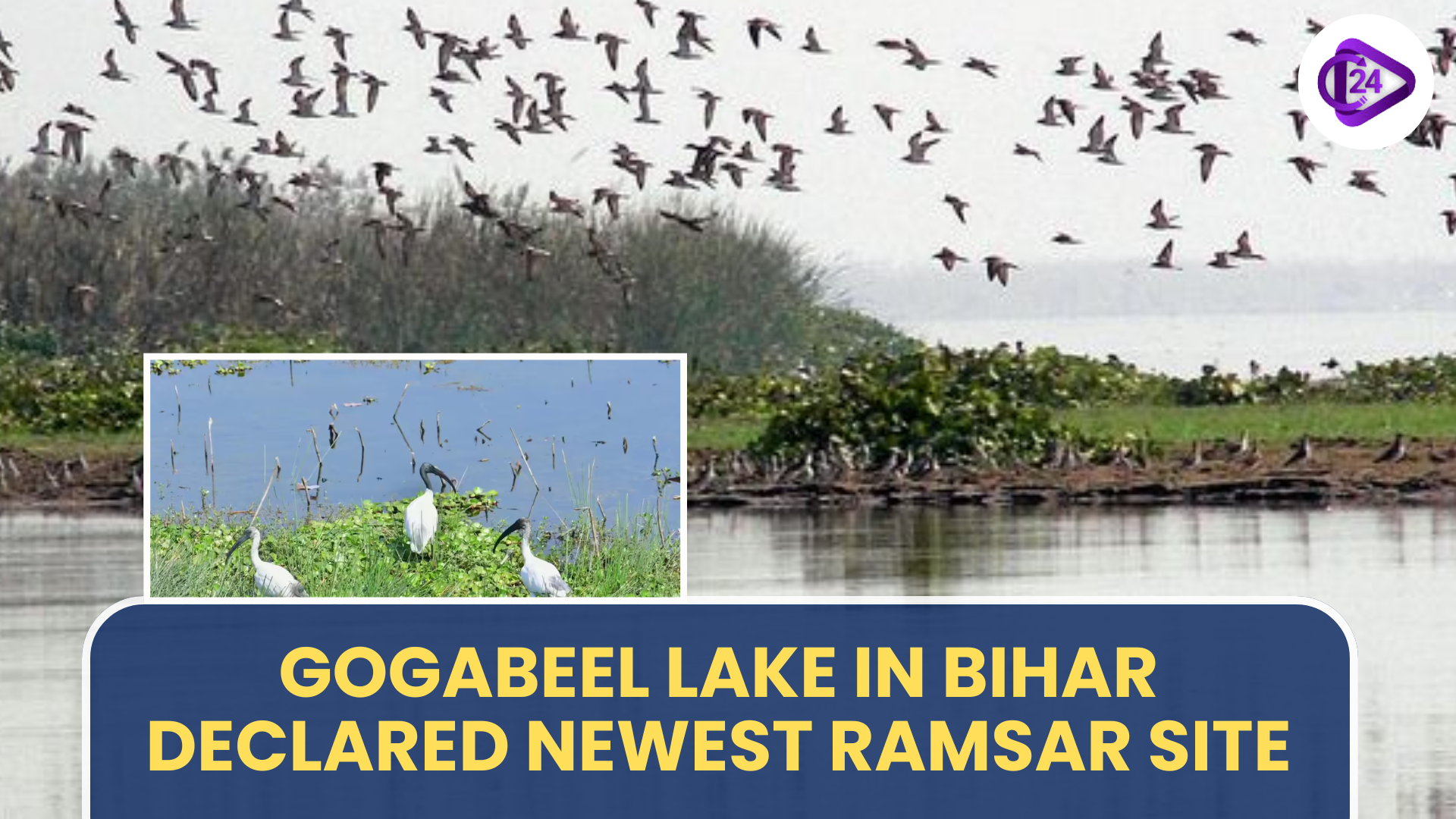
Gogabeel Lake, located in the Katihar district of Bihar, is an ecologically significant wetland known for its rich biodiversity and importance to local communities. Situated in the Ganga floodplain, this oxbow lake supports aquatic life, migratory birds and several species of fish. Its wetland ecosystem also contributes to floodwater storage and provides natural resources that support livelihoods in nearby villages.
The recognition of Gogabeel Lake as a Ramsar Site highlights the importance of conserving wetlands that provide environmental, economic and ecological benefits. Its protection can help preserve biodiversity, strengthen sustainable livelihoods and improve the resilience of the surrounding landscape to environmental changes.
Geographical Location and Formation of Gogabeel Lake
Gogabeel Lake is situated in Katihar district in northeastern Bihar. The wetland is associated with the riverine landscape formed by the Ganga and Mahananda river systems. Changes in river channels and the movement of water across floodplains have contributed to the formation of this type of wetland.
Key Geographical Features
- Location: Katihar district, Bihar.
- Wetland type: Oxbow lake.
- Area: Approximately 86.63 hectares, according to the reported site information.
- Ecological setting: Ganga floodplain.
- Importance: Biodiversity conservation, floodwater storage and support for local livelihoods.
Oxbow lakes typically form when a river changes its course and leaves behind a curved, disconnected water body. These wetlands provide valuable habitats for aquatic organisms and birds while helping maintain the natural functioning of floodplains.
Ramsar Recognition and Its Significance
The Ramsar Convention is an international agreement dedicated to the conservation and wise use of wetlands. Wetlands designated under the convention are recognised for their ecological importance and the need for their long-term protection.
Importance of the Ramsar Designation
Recognition as a Ramsar Site can increase awareness of a wetland’s ecological value and encourage better management practices. It also highlights the need to balance conservation with the responsible use of natural resources by communities living nearby.
Gogabeel Lake’s recognition is significant for Bihar because it draws attention to the state’s wetland ecosystems and their role in maintaining biodiversity. The designation can encourage monitoring, habitat protection and cooperation among local communities and conservation authorities.
Flora and Fauna of Gogabeel Lake
Gogabeel Lake provides habitat for a variety of aquatic organisms and bird species. Wetlands in the Ganga floodplain support complex food webs and provide feeding, resting and breeding areas for wildlife.
Migratory Birds and Aquatic Species
The lake is important for birds that use wetland habitats during seasonal movements. Its shallow waters and surrounding vegetation can provide food and shelter for waterbirds and other wildlife.
The wetland is also associated with aquatic species, including the smooth-coated otter (Lutrogale perspicillata) and the helicopter catfish (Wallago attu). The presence of such species illustrates the ecological value of maintaining healthy aquatic habitats.
Role of Wetland Vegetation
Wetland vegetation provides shelter for wildlife, supports aquatic food chains and helps stabilise surrounding soils. Protecting native vegetation and maintaining suitable water conditions are important for sustaining the lake’s biodiversity.
Environmental and Economic Importance
Gogabeel Lake contributes to the functioning of the surrounding floodplain and supports communities that depend on wetland resources. Its conservation is therefore important for both ecological stability and local economic activity.
Flood Control and Groundwater Recharge
Wetlands can temporarily store excess water during periods of heavy rainfall and flooding. Depending on local soil and groundwater conditions, they may also contribute to groundwater recharge. These functions can help regulate water movement across floodplain landscapes.
Support for Local Livelihoods
Fishing and other wetland-related activities can provide food and income for nearby communities. Sustainable management is important to ensure that these resources remain available without damaging wildlife habitats or degrading water quality.
Threats and Conservation Measures
Like many wetlands, Gogabeel Lake may face pressures from pollution, changes in land use, excessive resource extraction and changes in water flow. Such pressures can reduce habitat quality and affect the species that depend on the ecosystem.
Promoting Sustainable Wetland Management
Conservation efforts should focus on maintaining water quality, protecting natural habitats, monitoring biodiversity and involving local communities in management decisions. Awareness programmes and responsible fishing practices can also help reduce pressure on wetland resources.
Conclusion
Gogabeel Lake is an important wetland in Bihar’s Ganga floodplain, supporting biodiversity, aquatic habitats and local livelihoods. Its Ramsar recognition highlights the need for long-term conservation and sustainable management. Protecting the lake can help preserve wildlife, maintain wetland functions and support communities that depend on this valuable ecosystem.