

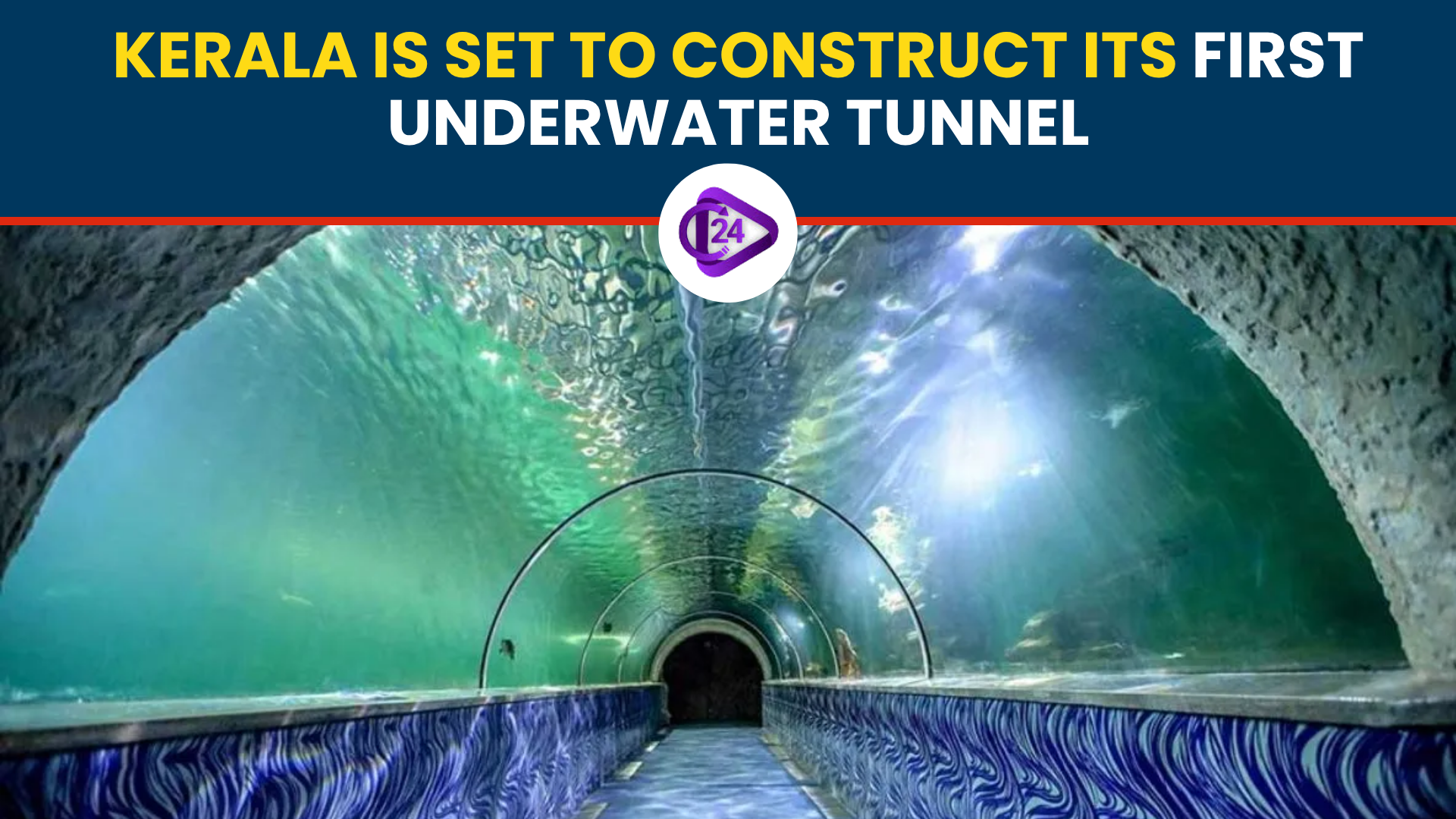
Kerala has proposed a subsea tunnel connecting Fort Kochi and Vypin to improve coastal connectivity and reduce travel difficulties for commuters. The project is expected to provide an alternative to existing transport routes, which often involve ferry services and road journeys. By improving access between the two locations, the tunnel could support daily commuters, local businesses, and tourism.
The proposed twin-tube tunnel is expected to pass approximately 35 metres below sea level. According to the project details reported in October 2025, the route could reduce the travel distance from around 16 kilometres to approximately 3 kilometres. The project is planned as a major infrastructure development aimed at improving urban mobility in Kerala.
Overview of Kerala’s Proposed Subsea Tunnel
The proposed tunnel is an important transport infrastructure initiative for the Kochi region. Fort Kochi and Vypin are coastal locations separated by waterways, making efficient transportation essential for residents and visitors.
Key Features of the Project
- Location: Between Fort Kochi and Vypin, Kerala.
- Type: Proposed twin-tube subsea tunnel.
- Depth: Approximately 35 metres below sea level, as reported.
- Expected route distance: Around 3 kilometres, compared with an existing journey of approximately 16 kilometres.
- Reported target completion: September 2027.
- Main objective: To improve connectivity and reduce travel time and congestion.
These figures reflect the project details reported in October 2025 and should not be treated as confirmation of its current construction status.
How Will the Tunnel Reduce Travel Costs?
The proposed tunnel is expected to make journeys between Fort Kochi and Vypin more direct. A shorter route could help commuters save time and reduce certain travel expenses.
Lower Commuting Expenses
Residents who regularly travel between the two areas may benefit from reduced journey distances and less dependence on existing transport connections. Lower fuel consumption and fewer transfer-related expenses could contribute to savings, although the actual amount would depend on tolls, operating costs, and individual travel patterns.
Reduced Traffic Congestion
A direct connection could improve the movement of vehicles and passengers between the two locations. It may also reduce pressure on existing ferry services and nearby roads, depending on how the tunnel is operated and how many commuters use it.
Importance for Kerala’s Infrastructure Development
The subsea tunnel could become an important addition to Kerala’s coastal transport network. Better connectivity can improve access to workplaces, educational institutions, commercial centres, and essential services.
Boost to Tourism and Local Businesses
Fort Kochi is known for its cultural heritage and tourist attractions. Easier access to Vypin and surrounding areas could encourage visitors to explore more destinations. Local businesses may also benefit from improved movement of customers, workers, and goods.
Support for Sustainable Urban Mobility
A shorter route may reduce fuel consumption for some journeys. However, the overall environmental benefits would depend on traffic levels, construction impacts, ventilation requirements, and the tunnel’s long-term operation.
Engineering and Safety Considerations
Building a tunnel beneath a coastal waterway requires detailed geological investigations, specialised engineering, and effective environmental planning. The design must account for water pressure, ground conditions, drainage, and the possibility of flooding.
Safety and Emergency Management
A twin-tube design can help separate traffic flows, depending on the final engineering plan. Effective ventilation, fire detection, emergency exits or cross-passages, lighting, and monitoring systems are essential considerations for safe tunnel operations.
Environmental Protection
Construction near sensitive coastal areas requires measures to manage marine ecosystems, water quality, noise, and construction waste. Environmental assessments and ongoing monitoring are important to minimise potential harm.
Conclusion
The proposed subsea tunnel between Fort Kochi and Vypin represents an ambitious infrastructure plan for Kerala. By potentially shortening travel distances and improving transport connectivity, it could benefit commuters, tourism, and local businesses. Its long-term success will depend on project implementation, engineering safety, environmental safeguards, and affordable access for the public.