

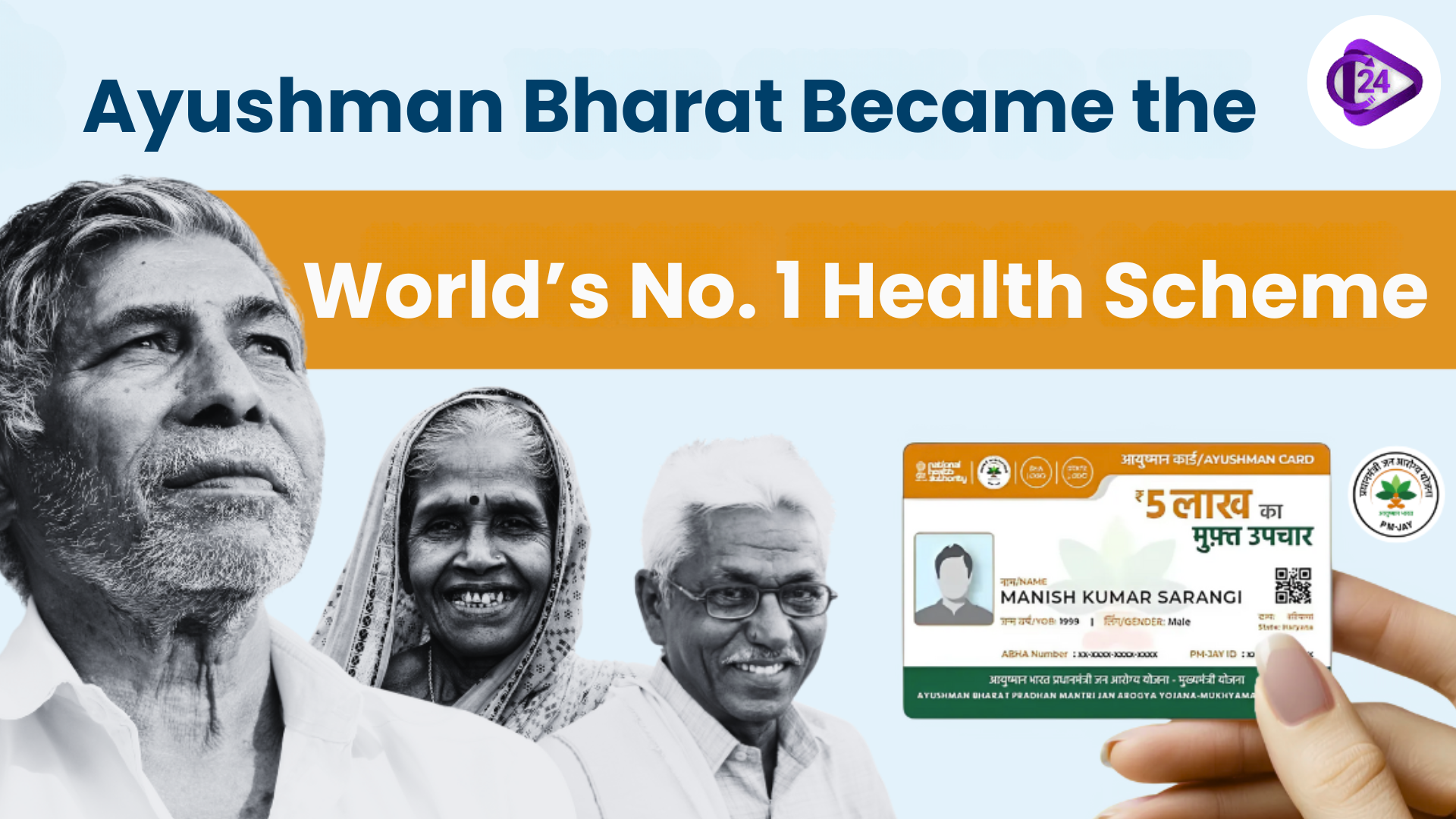
Ayushman Bharat Pradhan Mantri Jan Arogya Yojana (AB-PMJAY) is one of the world’s largest government-funded health assurance schemes. Launched on 23 September 2018, the programme aims to make hospital treatment more accessible to economically vulnerable families across India. It provides health cover of up to ₹5 lakh per eligible family per year for secondary and tertiary hospitalisation.
The scheme seeks to reduce the financial burden of serious illnesses and improve access to healthcare services. Through a network of empanelled public and private hospitals, eligible beneficiaries can receive cashless treatment for covered medical procedures. Ayushman Bharat is an important part of India’s efforts to move towards universal health coverage.
Key Features of Ayushman Bharat PM-JAY
Ayushman Bharat PM-JAY focuses on helping eligible families access hospital care without facing excessive medical expenses. Its benefits are designed to support treatment for a wide range of medical conditions covered under the scheme.
Major Benefits of the Scheme
- Health coverage: Up to ₹5 lakh per eligible family per year for covered hospitalisation.
- Beneficiaries: Originally designed to cover approximately 12 crore poor and vulnerable families.
- Cashless treatment: Eligible beneficiaries can receive covered treatment at empanelled hospitals.
- Family size: No restriction on family size, age or gender under the scheme’s standard eligibility framework.
- Pre-existing conditions: Covered from the beginning of the policy.
- Portability: Eligible beneficiaries can access covered treatment at empanelled hospitals across India.
- Financial protection: Helps reduce out-of-pocket expenditure on hospital treatment.
These features are intended to make essential hospital services more affordable for families who might otherwise struggle to meet medical expenses.
Ayushman Bharat and Primary Healthcare
Ayushman Bharat is broader than hospital insurance alone. Its primary healthcare component aims to strengthen preventive services, early diagnosis and access to basic medical care in communities.
Ayushman Arogya Mandirs
Health and Wellness Centres, subsequently renamed Ayushman Arogya Mandirs, provide a range of primary healthcare services. These include maternal and child healthcare, screening for common non-communicable diseases, essential medicines and basic diagnostic services.
The centres help bring healthcare closer to communities, particularly in rural and underserved areas. Early detection and preventive care can reduce the risk of complications and improve long-term health outcomes.
Digital Healthcare and the Ayushman Bharat Digital Mission
Digital technology is another important part of India’s healthcare development strategy. The Ayushman Bharat Digital Mission aims to build digital health infrastructure and improve the exchange of health information with appropriate consent and safeguards.
Benefits of Digital Health Records
Digital health systems can help patients and healthcare professionals manage medical information more efficiently. They can support continuity of care, reduce paperwork and make relevant health records easier to access when needed.
However, effective implementation requires reliable digital infrastructure, data privacy protections, cybersecurity and awareness among patients and healthcare providers.
Impact on India’s Healthcare System
PM-JAY has expanded financial protection for eligible families by supporting hospital treatment across a wide network of empanelled institutions. It can help families avoid some of the financial difficulties associated with major medical procedures.
Challenges and the Way Forward
The scheme’s effectiveness depends on hospital availability, service quality, beneficiary awareness and timely settlement of eligible claims. Continued monitoring, transparent administration and adequate healthcare infrastructure are essential to ensure that benefits reach eligible people.
Conclusion
Ayushman Bharat PM-JAY is a major initiative in India’s efforts to improve access to affordable hospital care. By providing eligible families with health coverage of up to ₹5 lakh per year, it seeks to reduce medical financial hardship and support more equitable healthcare access. Continued improvements in healthcare infrastructure, service quality and awareness will be important for achieving its long-term objectives.