

Day: June 5, 2026
Great Nicobar Project

Great Nicobar Project: Boosting India’s Maritime Security and Economic Growth

Great Nicobar Project. One of India’s most significant strategic and infrastructure development projects in the Andaman & Nicobar Islands is the Great Nicobar Project, aimed at strengthening India’s maritime security and economic growth in Nicobar. This mega project is also designed to improve India’s presence in the Indian Ocean Region (IOR) along with the promotion of economic development, tourism and trade connectivity. Great Nicobar Island, the farthest south of India, has geographical significance because it is situated near the Malacca Strait, which is the region where most of the world’s cargo passes. Hence, the Great Nicobar Project is branded as a game-changer for India’s national security and economic growth.

What is the Great Nicobar Project: Boosting India’s Maritime Security and Economic Growth?

The Great Nicobar Project is a multi-sector development project that encompasses port development, aviation infrastructure and urban expansion. The vision is to make Great Nicobar a ‘global hub’ for maritime and logistic operations.

This project includes:

  • The largest international conversion container port in the world.
  • A greenfield international airport
  • Township development
  • Investment in power and water facilities.Increase in power and water output.

Strategic Importance of the Great Nicobar Project

The Indian Ocean Region is the lifeblood of global trade. Hence, the Great Nicobar Project: Enhancing Maritime Security & Economic Development for India performs an essential function in safeguarding national interests.

Key Strategic Benefits

  • Enhances monitoring in the IOR (Indian Ocean Region)
  • Increases naval presence in the vicinity of the Malacca Strait
  • Improves maritime trade security
  • Less reliance on foreign transhipment hubs
  • Supports India’s Act East Policy

Environmental and Social Considerations

The Great Nicobar Project: Enhancing India’s Maritime Security and Economic Development presents tremendous opportunities, but it also has environmental and social implications.

Key Challenges

  • Ecological sensitivity of island biodiversity
  • Risk to tribal communities
  • Deforestation concerns
  • Marine ecosystem impact
  • High construction costs
  • Disaster vulnerability (tsunami-prone region)

Previous Year Questions (PYQs)

Exam Year Question Options Answer
UPSC Prelims 2023 Which island group is strategically important for India’s maritime security? A. Lakshadweep B. Andaman & Nicobar C. Maldives D. Sri Lanka B. Andaman & Nicobar
SSC CGL 2022 India’s Act East Policy primarily focuses on which region? A. Africa B. Europe C. Southeast Asia D. South America C. Southeast Asia
CDS Exam 2021 Malacca Strait is located near which region? A. Arabian Sea B. Indian Ocean C. Pacific Ocean D. Arctic Ocean B. Indian Ocean

Earth Prize 2026

Conclusion on the Great Nicobar Development Project

The Great Nicobar Project: Where Defence Meets Development to Elevate India and its Maritime State. The project aims at upgrading India as the dominant maritime power of the Indo-Pacific and thereby world-class ports, airport and urban infrastructure. In conclusion, the Great Nicobar Project: Enhancing India’s Maritime Security and Economic Growth will secure national security, boost trade connectivity, accelerate regional development and finally provide long-lasting strategic benefits to India.

FAQs on the Great Nicobar Project 

It is a large-scale infrastructure project aimed at boosting maritime security and economic development.

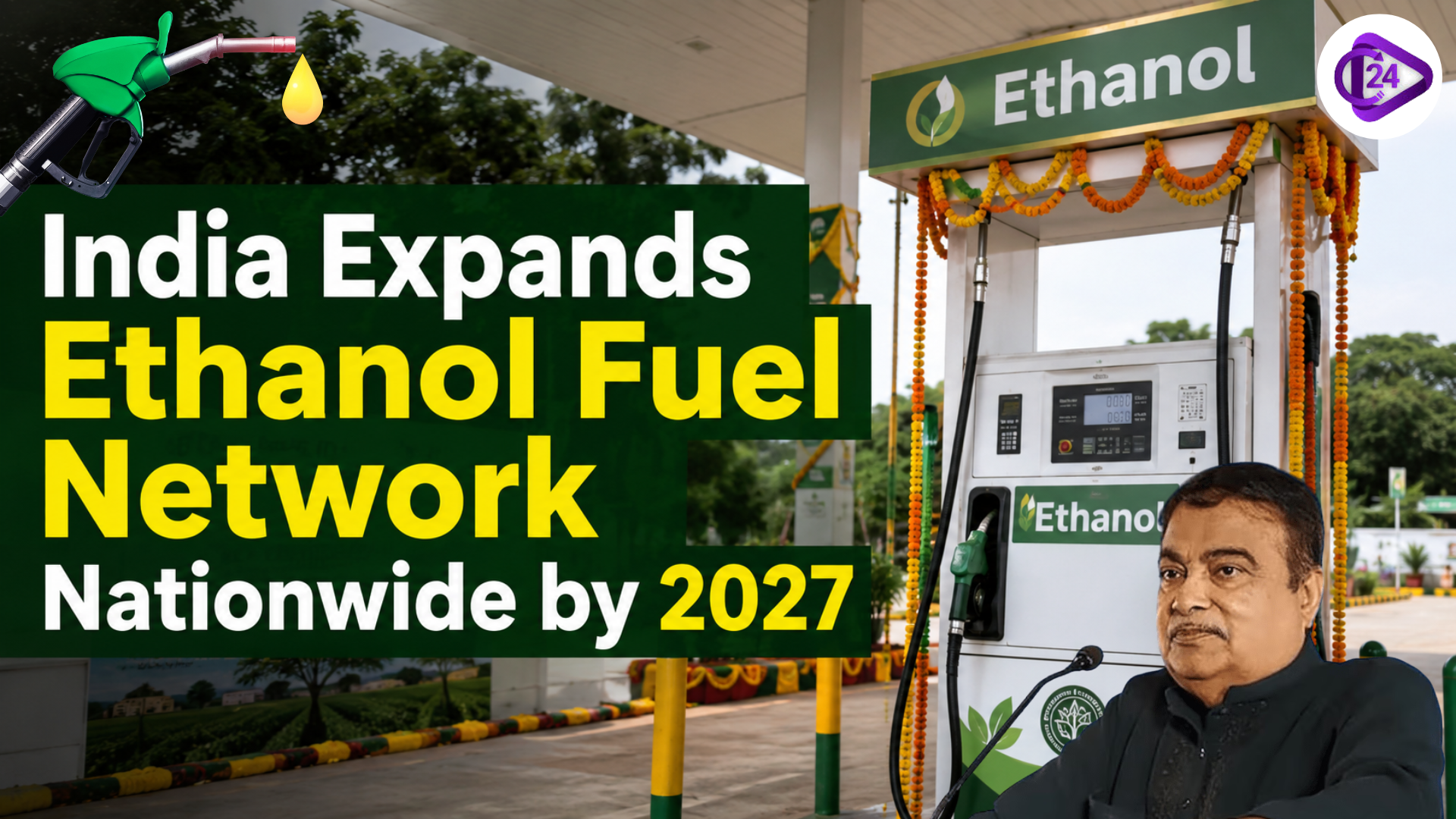
India Expands Ethanol Fuel Network by 2027: Major Update

Ethanol Fuel Network: The Indian Government’s National Vision of a vision to shift reliance on imported crude oil to alternative energy resources and boost the security of the energy supply, has taken a step forward with India Expands Ethanol Fuel Network across the entire nation by 2027. India is aiming to build around 5,000 ethanol distribution units across the country by the year 2027 by the government of the nation. This initiative will boost the use of flex-fuel vehicles as well as help move towards ethanol-fuel usage in the transportation sector.

India’s move to expand the biofuel industry by 2027, as announced by India Expands Ethanol Fuel Network Nationwide, is likely to bring positive outcomes to the farmers, cut down carbon emissions, and drive sustainable economic progress. Also, the growth project falls into line with India’s long-term energy transition objectives and its transition to cleaner fuel alternatives.

Key Highlights of India Expands Ethanol Fuel Network Nationwide by 2027

Particulars Details
Initiative Nationwide Expansion of Ethanol Fuel Network
Target Year 2027
Planned Ethanol Stations Approximately 5,000
Initial Rollout Delhi-NCR, Mumbai, Pune, Ahmedabad and other cities
Objective Promote ethanol-based mobility
Key Benefit Reduced crude oil imports
Supporting Technology Flex-Fuel Vehicles (FFVs)
Fuel Types E20, E22, E25, E27, E30, E85, E100

What do you mean by Ethanol Fuel Network?

An ethanol fuel network can be defined as a series of “ethanol stations” with convenient access to the distribution of fuels containing ethanol blends and/or ethanol-only fuels to facilities capable of operating vehicles that utilise them. Ethanol is a renewable biofuel that is mostly manufactured from sugarcane, maize and other agricultural materials.

The announcement of India Expands Ethanol Fuel Network (E2N) Nationwide By 2027 aims to establish a network infrastructure to facilitate expansion of ethanol fuels in the country. The government has successfully blended almost 20% ethanol in fuels, and is now working to make more fuels available to boost future ethanol blending targets.

Why India Expands Ethanol Fuel Network Nationwide by 2027

India is planning to develop a network of ethanol fuel stations across the nation by 2027, and there is a reason behind it. India is a big importer of crude oil. Therefore, boosting the domestic production of biofuels can help to achieve both energy security and reduce import bills.

Major Reasons Behind the Expansion

  • Cut down on the reliance on imported crude oil.
  • Bring energy security in India to a great height.
  • Encourage that cleaner fuels be used for car travel.
  • Enable farmers in the interest of enhancing the demand of agriculture raw materials.
  • Lower emissions that contribute to the greenhouse effect.
  • Encourage adoption of flex-fuel vehicles.
  • Build an alternative fuel value chain across the country.

Practice MCQs on India Expands Ethanol Fuel Network

Question Options Answer
By which year does India plan to establish around 5,000 ethanol dispensing stations? A. 2025 B. 2026 C. 2027 D. 2030 C. 2027
Which fuel blend target has India already achieved? A. E5 B. E10 C. E15 D. E20 D. E20
Ethanol is primarily used in India as a blend with which fuel? A. Diesel B. Petrol C. Kerosene D. LPG B. Petrol
Flex-fuel vehicles can run on? A. Diesel only B. Petrol only C. Ethanol blends and petrol D. CNG only C. Ethanol blends and petrol
One major benefit of ethanol blending is? A. Higher crude imports B. Increased emissions C. Reduced oil dependence D. Increased fossil fuel consumption C. Reduced oil dependence

Odisha Selected for PM Surya Ghar Excellence Awards

Conclusion on India to Strengthen Ethanol Fuel Infrastructure by 2027

India aims to make “Energy Transition” on India Expands Ethanol Fuel Network Nationwide” a significant milestone in India’s energy transition journey. India is working to create 5,000 stations that dispense ethanol, as well as flex-fuel mobility to decrease crude oil imports, increase energy security and help sustainable development. In addition, the expansion will support farmers and promote the use of clean energy and make transportation more resilient. India has been emerging as a leader in the burgeoning ethanol sector, leading the world in the use of biofuel for mobility.

FAQs on India Expands Ethanol Fuel Network Nationwide by 2027

India plans to establish approximately 5,000 ethanol dispensing stations nationwide by 2027.

FSSAI

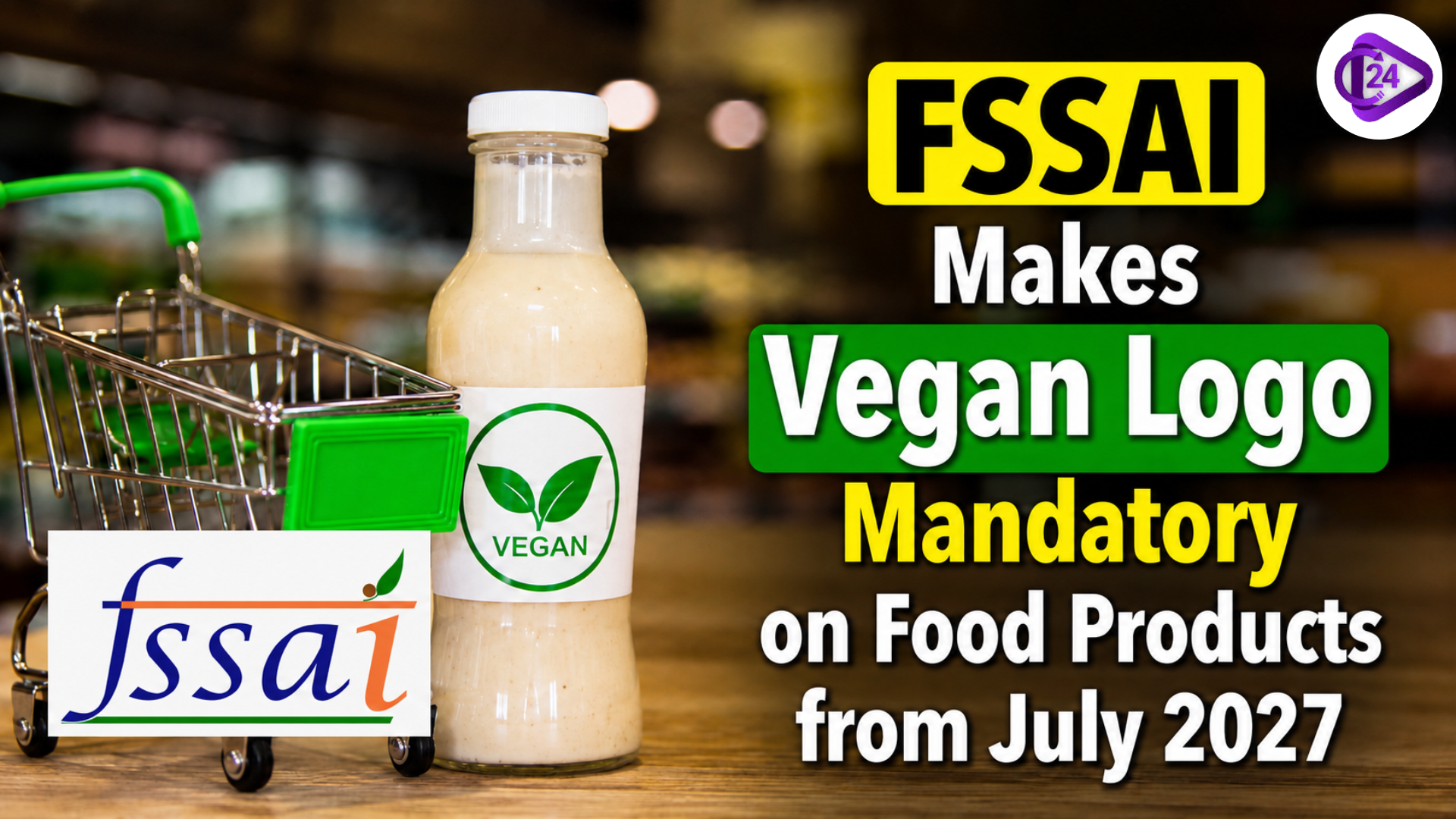
FSSAI Vegan Logo 2027: Essential New Rule for Food Products

FSSAI The notification issued, declaring that the Vegan Logo will be mandatory on every food product from 1st July 2027, is a big step towards providing transparency in food labelling in India. From July 2027, the Food Safety and Standards Authority of India (FSSAI) has announced that all food products bearing its vegan certification must prominently display the official vegan logo on them. This action will make it simpler for consumers to recognise products that are vegan, but also encourage them to choose ethically and responsibly.

FSSAI’s announcement of introducing this vegan logo as mandatory for food products from the 1st of July 2027 will bring uniformity among manufacturers and trust among the consumer base, as Veganism is gaining ground in India. In addition, it will deter potentially confusing statements and ensure safe food handling practices.

What is the FSSAI Vegan Logo?

The FSSAI vegan logo is a standardised logo that is used to identify food products that don’t contain any animal-derived ingredients. It guarantees that the product complies with the legal criteria for vegan products.

FSSAI’s decision to make the Vegan Logo mandatory on certified vegan food products from July 2027 aims to bring greater uniformity and transparency in food labelling across India. The regulation will help consumers easily identify genuine vegan products and reduce confusion caused by unclear or misleading claims. By introducing a standardised logo, FSSAI seeks to promote informed purchasing decisions, strengthen consumer trust, and encourage food manufacturers to follow consistent vegan certification and labelling practices.

The Vegan Logo has a number of features.

  • Designates that it meets FSSAI vegan requirements.
  • Assists consumers in easy identification of vegan products.
  • Improves food labelling transparency.
  • Minimises deceptive advertising statements.
  • Promotes Consumption ethically and Sustainably.

Benefits of FSSAI Make Vegan Logo Mandatory on Food Products from July 2027

This mandatory vegan logo has many advantages for consumers, manufacturers and regulators.

Benefits for Consumers

  • Vegan products are easily identified.
  • Greater assurance of product claims.
  • Better purchasing decisions.
  • Increased transparency of food labelling.
  • Reduced risk of misleading or false vegan claims.

Benefits for Manufacturers

  • Improved consumer trust.
  • Enhanced brand reputation.
  • Better market visibility.
  • Access to the growing vegan consumer segment.

Benefits for Regulators

  • Easier monitoring and enforcement.
  • Decreased number of false representations.
  • Standardised labelling practices.

Practice MCQs on FSSAI Makes Vegan Logo Mandatory on Food

Question Options Answer
From when will the vegan logo become mandatory on certified vegan food products? A. July 2025 B. July 2026 C. July 2027 D. July 2028 C. July 2027
Which authority issued the vegan logo requirement? A. BIS B. FSSAI C. NABARD D. APEDA B. FSSAI
The vegan logo primarily helps consumers identify what? A. Organic products B. Imported products C. Vegan products D. Fortified foods C. Vegan products
The regulation aims to improve which aspect of food products? A. Advertising B. Transparency C. Export Duty D. Taxation B. Transparency
Must vegan products not contain? A. Plant ingredients B. Animal-derived ingredients C. Minerals D. Vitamins B. Animal-derived ingredients

Advanced AI Programme

Conclusion: FSSAI Vegan Logo Rule Comes into Effect from July 2027

FSSAI’s announcement that the “Makes Vegan Logo” will be mandatory on food products from July 2027 will be impactful in ensuring transparency in food labelling and protection to consumers in India. The regulation will provide clarity for consumers about which products are truly vegetarian and vegan, and help boost consistency for producers. Furthermore, it will enhance consumers’ and food savers’ confidence in the emerging vegan food market and facilitate food information. As the compliance date is approaching, food businesses will need to be prepared to comply and ensure that their products comply with all vegan standards.

FAQs on FSSAI Vegan Logo

The FSSAI vegan logo is an official symbol that identifies certified vegan food products.

Frequently Asked Questions (FAQs)

The current affairs cover recent national and international events related to UPSC, SSC, Banking, Railways, and State PCS.

You need to read about the current affairs daily, and revise them every week and every month to keep them longer in your memory.

Yes, Class24 provides free downloadable Daily Current Affairs PDFs for easy revision.

Yes, you can practice MCQs and quizzes to boost your exam preparation.

Absolutely. The content is written in simple, easy-to-understand bilingual language suitable for beginners.

Go to class24.com and click on the current affairs section directly, where you find everything that you need.

ssc-toppers

Start Learning Today with Class24

Related current affairs

Class24 offers free video lectures for smart preparation, covering CGL, CPO, CHSL, MTS, and GD exams. Learn from expert faculty, revise concepts easily, practice with PYQs, and improve speed and accuracy through high-quality, exam-focused video lessons anytime, anywhere.

Get success in your hand. Start study anytime anywhere.

The journey becomes simple and enjoyable when you start taking interest in it. And through our app “Class24”, we will be your trusted partners in developing that interest.

Daily Quizzes
Mock Tests
Ongoing

No ongoing tests right now.