
Day: October 16, 2025

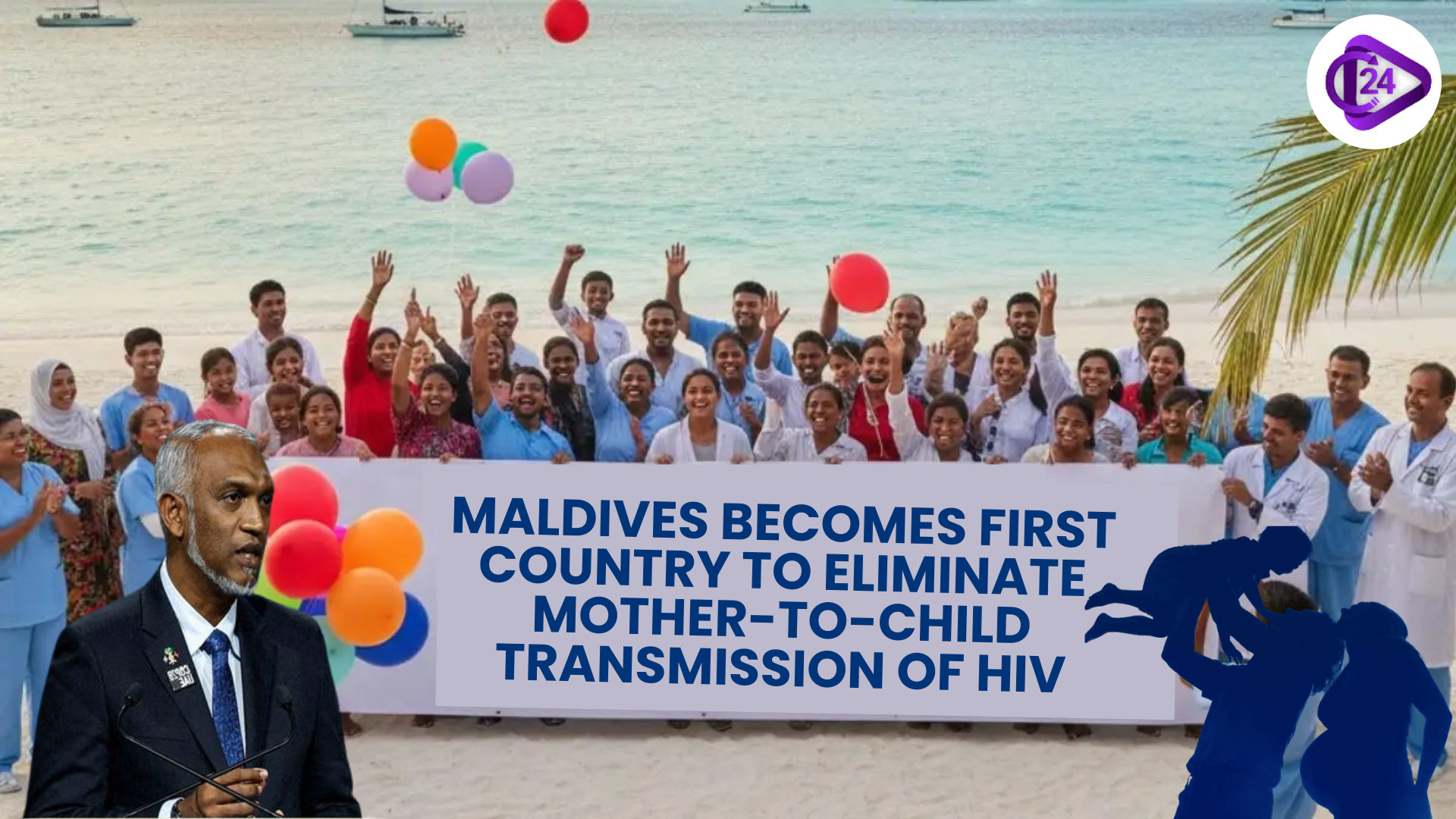
Maldives Achieves Landmark Success in Protecting Newborns from HIV, Hepatitis B, and Syphilis

The Republic of Maldives is the first nation in the world to achieve the triple eradication of mother-to-child transmission (EMTCT) of HIV, syphilis, and hepatitis B, as confirmed by the World Health Organization (WHO). The achievement is a continuation of success in the country in 2019, as it had been stated that it had eradicated the spread of both HIV and syphilis. The Maldives has undertaken very elaborate measures by extending its hepatitis B coverage to include universal antenatal screening, timely treatment, and well-developed immunization efforts. The success increases the determination of the country to improve maternal and child health and makes an international example of combating preventable disease.

Government and Healthcare Roles.

The Health Minister of the Maldives, Abdulla Nazim Ibrahim, explained that constant effort is needed to maintain the development. The government invests in infrastructure in the healthcare system and maternal services. International cooperation among health officials and international organizations was important. The success is an indicator of national commitment to save mothers and children.

Important Point: Hepatitis B, HIV, and Syphilis

  • HIV (Human Immunodeficiency Virus): Can be transmitted by a mother to her child(s) during pregnancy, labor, delivery, or breastfeeding. Causes eventual destruction of the immune system in case it is not treated.

  • Hepatitis B Virus (HBV): An Infected mother to a newborn during childbirth. May lead to chronic liver infection and chronic complications.

  • Syphilis (Treponema pallidum bacterium) is sexually transmitted during the placenta during pregnancy. May result in stillbirth, infant death, or congenital syphilis.

  • Prevention: Early screening, cure, and immunization are essential in order to stop vertical transmission.

Conclusion

The Maldives is the first nation in the world to eradicate mother-to-child spread of HIV, hepatitis B, as well as syphilis, as declared by the WHO. This groundbreaking success is demonstrated through universal antenatal screening, timely treatment, and vaccination programs, and it serves as a model in the commitment of the nation to maternal and child health and as a precedent to the world.

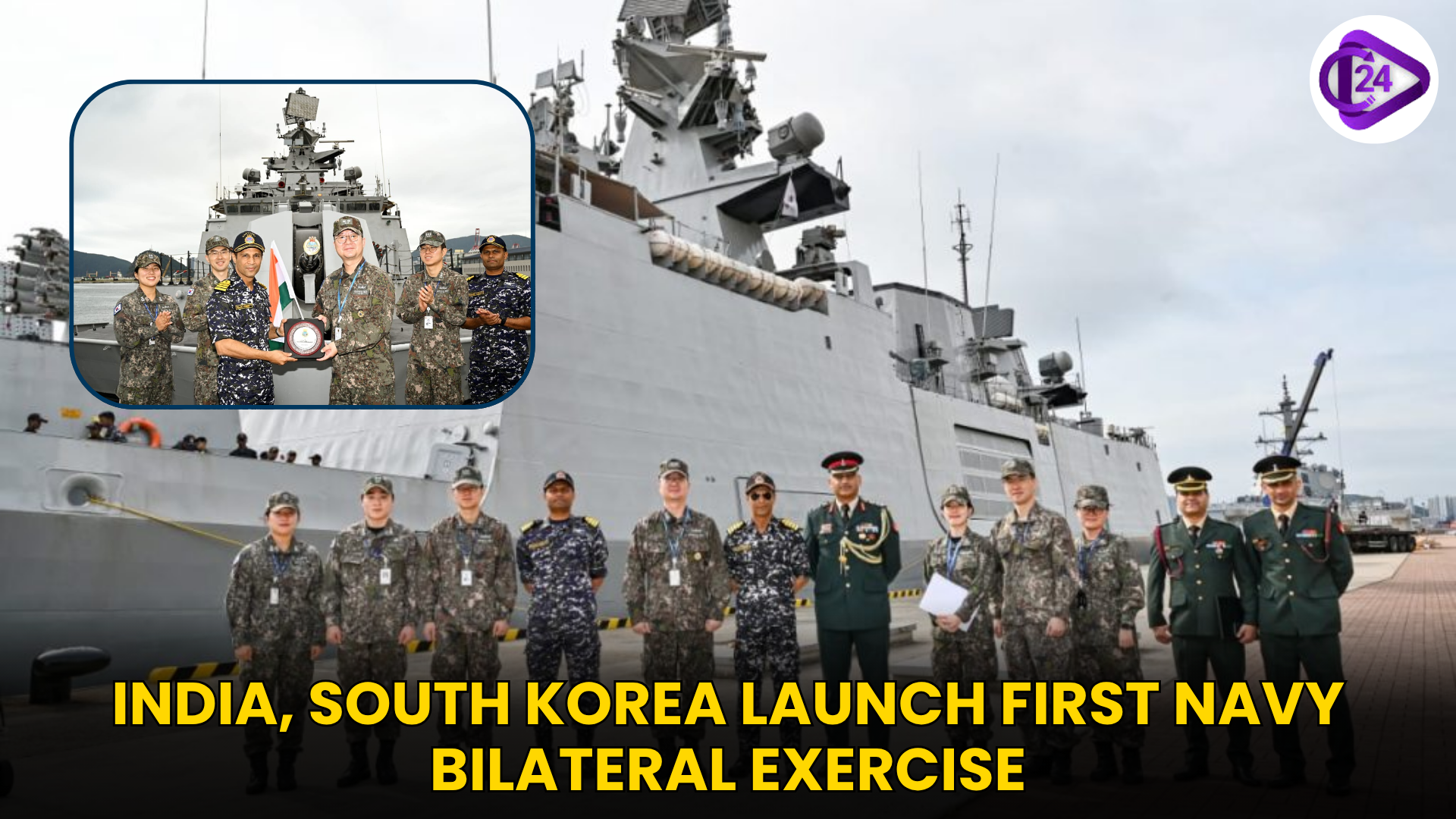
India, South Korea Launch First Bilateral Navy Exercise to Boost Maritime Cooperation

The first bilateral naval exercise took place on October 13, 2025, between the Republic of Korea Navy (RoKN) and the Indian Navy at the Busan Naval Base of South Korea. The occasion is a historic one that will help boost maritime relations between the two countries. It was initiated when a homebuilt Shivalik-class stealth frigate, INS Sahyadri, arrived as a member of the Eastern Fleet of the Indian Navy stationed at Visakhapatnam. The drill will include harbour and sea phases, which aim at enhancing interoperability, understanding, and building positive relationships between the two navies. These involve cross-deck visits, professional exchanges, shared training, and more complicated manoeuvres at sea. This alliance highlights the increased strategic relationship between India and South Korea at sea.

India’s Navy Contributes to Maritime Cooperation

  • Role: Protects Indian maritime interests, preserves freedom of navigation, and enhances security regionally and internationally.

  • Slogan: Sham No Varunah – May the Lord of the oceans favor us.

  • Major Exercises: Malabar (India-US-Japan-Australia), SLINEX (Sri Lanka), INDRA (Russia), AUSINDEX (Australia), Naseem-Al-Bahr (Oman), and the first bilateral exercise with South Korea (2025).

  • New Ships in Service: INS Sahyadri (Stealth Frigate), INS Kolkata (Destroyer), INS Vikrant (Aircraft Carrier), INS Kora (Corvette), INS Arihant (Submarine).

  • Chief (2025): Admiral Dinesh Kumar Tripathi, Chief of Naval Staff.

  • Significance: Enhances interoperability, disaster response, anti-piracy operations, maritime diplomacy, and international naval ties.

Conclusion

The first India-South Korea bilateral naval exercise is a groundbreaker in maritime co-operation and international relations.

The purpose of the exercise carried out with the participation of such ships as INS Sahyadri is the enhance interoperability, confidence, and shared readiness to work. It demonstrates the interest of the two countries in regional security, freedom of navigation, and increased defense cooperation in the Indo-Pacific.

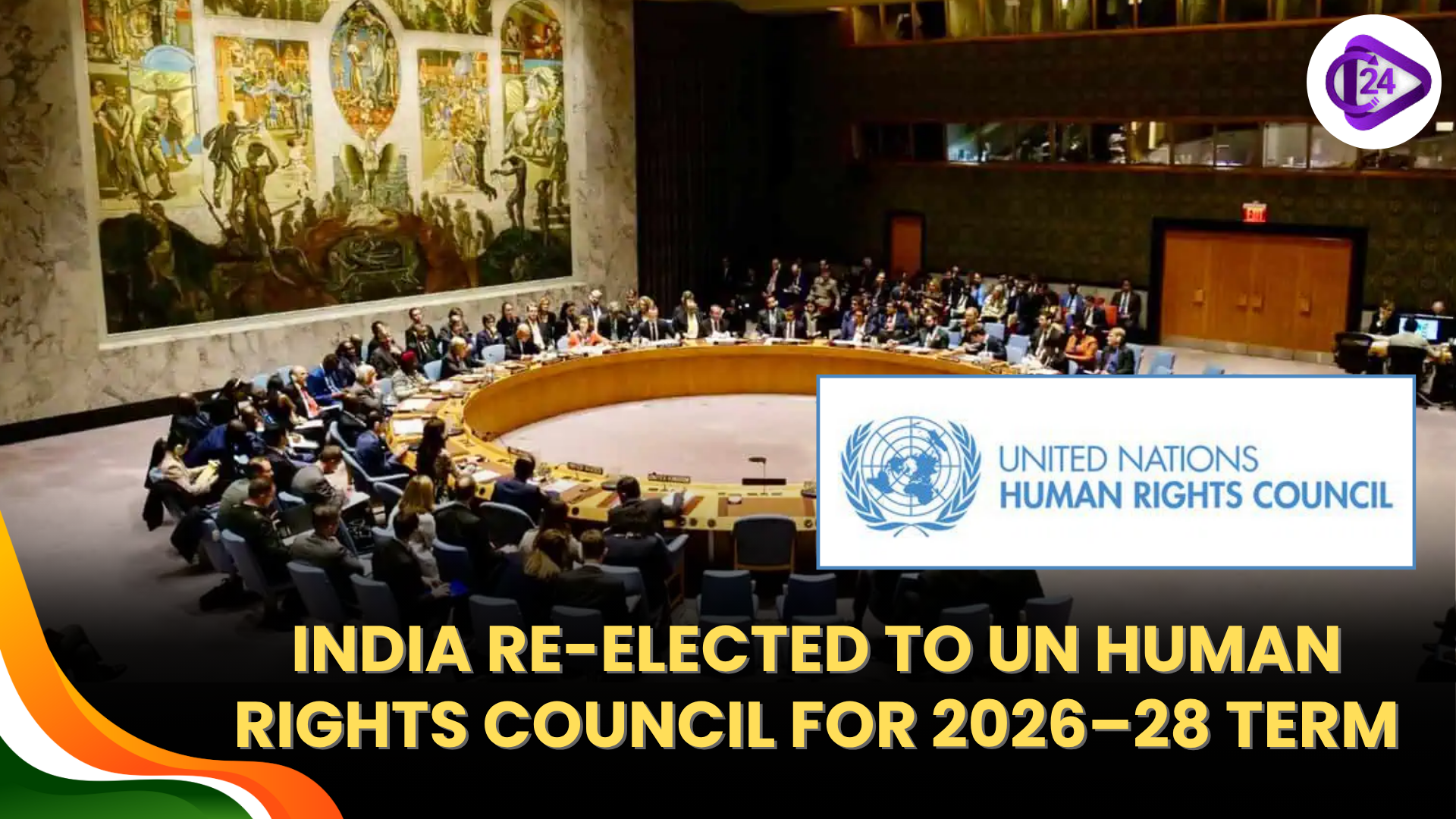
UN Human Rights Council Elections: India Wins Membership for 2026–2028

India was reelected to the United Nations Human Rights Council (UNHRC) in 2026-2028 on 14 October 2025, and this reelection renewed its interest in ensuring that it advocated and defended human rights across the world. The election was conducted at the UN General Assembly in New York, where India was awarded one of the four Asia-Pacific seats with Pakistan, Iraq, and Vietnam. It is the seventh time India is in the 47-member Council, whose role is to deal with the violation of human rights and enhance global collaboration on issues of justice, equality, and dignity. The new term will start on 1 January 2026.

UN Human Rights Council: A Pillar for Protecting Human Dignity Worldwide

The United Nations Human Rights Council (UNHRC) is the main intergovernmental organization in the UN system charged with the responsibility of ensuring and enhancing human rights in the entire world. The UN General Assembly established the new Commission on Human Rights as a replacement for the previous Commission on Human Rights on 15 March 2006 to address human rights violations and enhance international accountability.

  • Headquarters: Geneva, Switzerland.

  • Total Members: The UN General Assembly elects 47 countries to three-year terms on a regional basis.

  • Current President (2025): Jurg Lauber

  • Major Mechanism: Universal Periodic Review (UPR) – weighs the human rights practices of each member state of the UN.

  • Functions: Identifies breaches, promotes collaboration, recommends reforms, and provides technical assistance to countries.

  • Membership in India: India has been elected seven times.

Conclusion 

The UN human rights council is an important body that ensures the protection of human dignity, equality, and combating violations on the global front. It has 47 member states and mechanisms such as the Universal Periodic Review, which, by the way, guarantee accountability and cooperation. The seven times membership of India is an indicator of its adherence to international human rights.

Frequently Asked Questions (FAQs)

The current affairs cover recent national and international events related to UPSC, SSC, Banking, Railways, and State PCS.

You need to read about the current affairs daily, and revise them every week and every month to keep them longer in your memory.

Yes, Class24 provides free downloadable Daily Current Affairs PDFs for easy revision.

Yes, you can practice MCQs and quizzes to boost your exam preparation.

Absolutely. The content is written in simple, easy-to-understand bilingual language suitable for beginners.

Go to class24.com and click on the current affairs section directly, where you find everything that you need.

ssc-toppers

Start Learning Today with Class24

Related current affairs

Class24 offers free video lectures for smart preparation, covering CGL, CPO, CHSL, MTS, and GD exams. Learn from expert faculty, revise concepts easily, practice with PYQs, and improve speed and accuracy through high-quality, exam-focused video lessons anytime, anywhere.

Get success in your hand. Start study anytime anywhere.

The journey becomes simple and enjoyable when you start taking interest in it. And through our app “Class24”, we will be your trusted partners in developing that interest.

Daily Quizzes
Mock Tests
Ongoing

No ongoing tests right now.