
Day: September 11, 2025

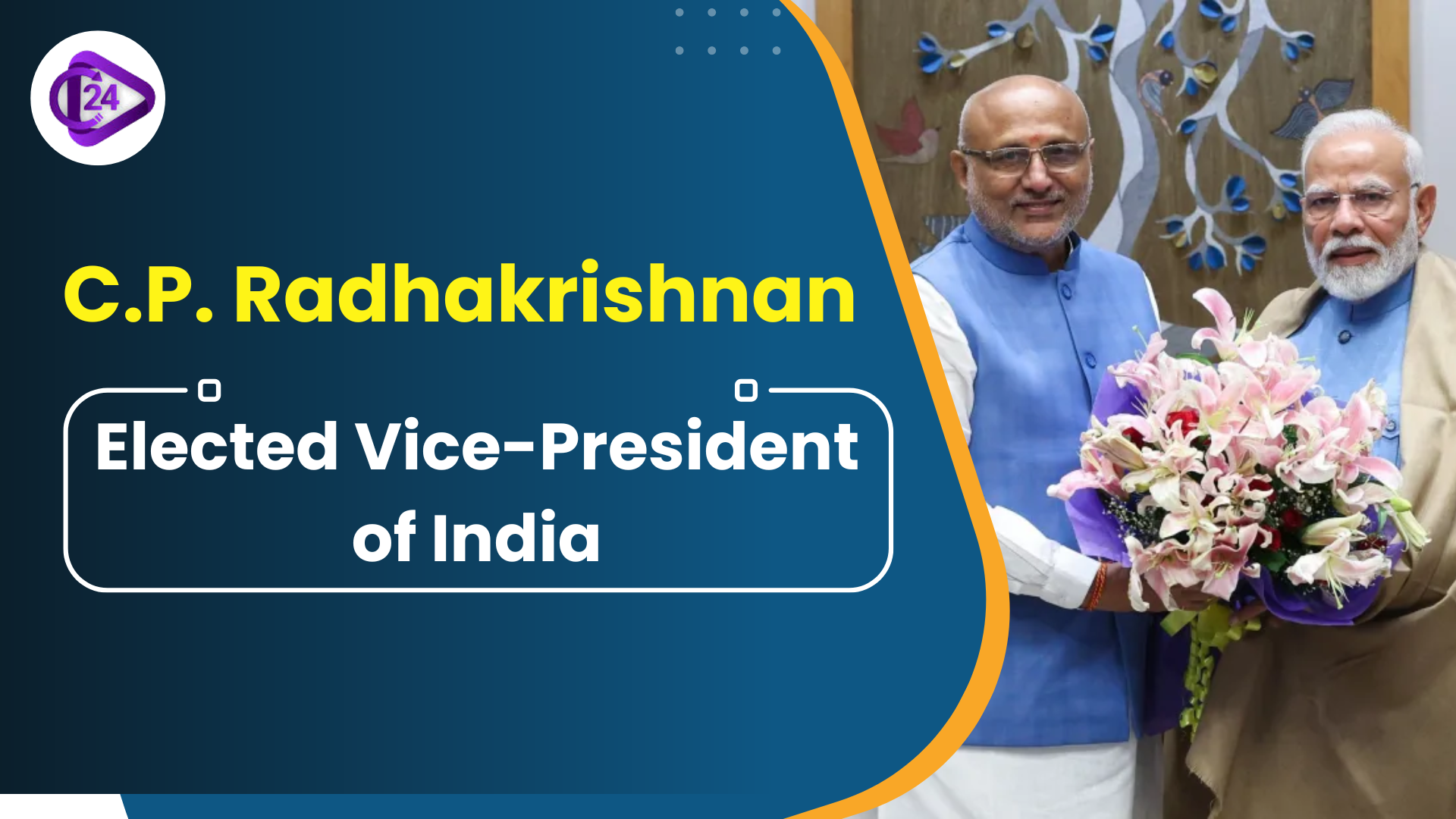
C.P. Radhakrishnan Elected Vice-President of India

On September 9, 2025, C.P. Radhakrishnan was elected the 17th Vice-President of India defeating the Opposition nominee Justice B. Sudershan Reddy by a tally of 152 votes. The nominee of the NDA (Radhakrishnan) won 452 first-preferential votes and Reddy won 300 votes. The vote turnout was good as the members of Parliament had a voter turnout of 98.2 percent. The outcomes depict a triumph of the nationalistic ideology as argued by Radhakrishnan, even though there was cross-voting and the Opposition alleged to have won the battle on moral grounds.

Key Points in Detail

  • Election Procedure and Election Results.

  • Electoral College: consists of 788 electors (including members of Lok Sabha and Rajya Sabha).

  • Votes Cast: 767 electors cast their votes, 14 abstentions and 15 invalid votes.

  • Radhakrishnan Vote- 452 first-preferential votes.

  • Votes of Reddy: He cast 300 votes on the Opposition candidate Justice B. Sudershan Reddy.

  • Margin: the two candidates have a 152 vote difference.

Cross-Voting and Claims

  • The NDA candidate is reported to have won more votes and 15-40 Opposition MPs were reported to have crossed over to Radhakrishnan.

  • The Opposition, however, insisted that the outcome of joint candidate was a moral victory, with 40% in the vote, in comparison to 26% in 2022 Vice-Presidential election.

  • Claiming that 15 Opposition MPs had cast their votes in favor of Radhakrishnan, the BJP MPs denied the claim by Congress.

Radhakrishnan’s Background

  • Charming figure: The amiable, approachable leader and politically neutral image of Coimbatore made him the Vajpayee of the town.

  • BJP/RSS: Becoming a member at a young age, BJP Tamil Nadu Chief (20042007) of RSS.

  • Lok Sabha Tenure: elected to Lok Sabha twice (1998, 1999) in Coimbatore.

  • Governor: Appointed Governor of Jharkhand (2023) and Maharashtra (2024), with some extra responsibilities in Telangana and Puducherry.

  • Reputation: It has been said that he is an expert on cutting across political lines, just like Atal Bihari Vajpayee, though Tamil Nadu is a relatively weak state to BJP.

Political Importance and Future Usage.

  • NDA’s pick: He is perceived to be a dependable option as Vice-President because of his non-partisan reputation, experience in administration and his success in bridging Tamil Nadu.

  • The Parliament is expected to perform a unifying role in the Rajya Sabha and guarantee smooth operation of the Parliament, which complies with the constitutional values.

  • Political rhetoric: His triumph was adapted to be a triumph of nationalism and development which was an ideological triumph to the ruling alliance.

Governments Response.

  • PM Narendra Modi congratulated Radhakrishnan, citing his efforts to serve to the society and empower the marginalised.

  • President of the Congress Mallikarjun Kharge released a congratulatory letter to Radhakrishnan and stressed that the Opposition had scored a moral victory.

  • Justice Reddy took the result gracefully and emphasized the need to be able to talk, disagree and be involved in a democracy.

Conclusion

The election of C.P.Radhakrishnan as the Vice-President of India is a triumph of the NDA and that too in the light of the nationalistic ideology that has influenced political discourse in the present times. Radhakrishnan is likely to be a successful manager of the Rajya Sabha with his people-friendly, conciliatory nature, which brings about the parliamentary good manners and inclusiveness. This is because of his background and his capacity to cross party lines that make him a key figure in the political scene in India. In the case of UPSC, his election is a prime example of political leadership, electoral policy and the dynamics of national politics.

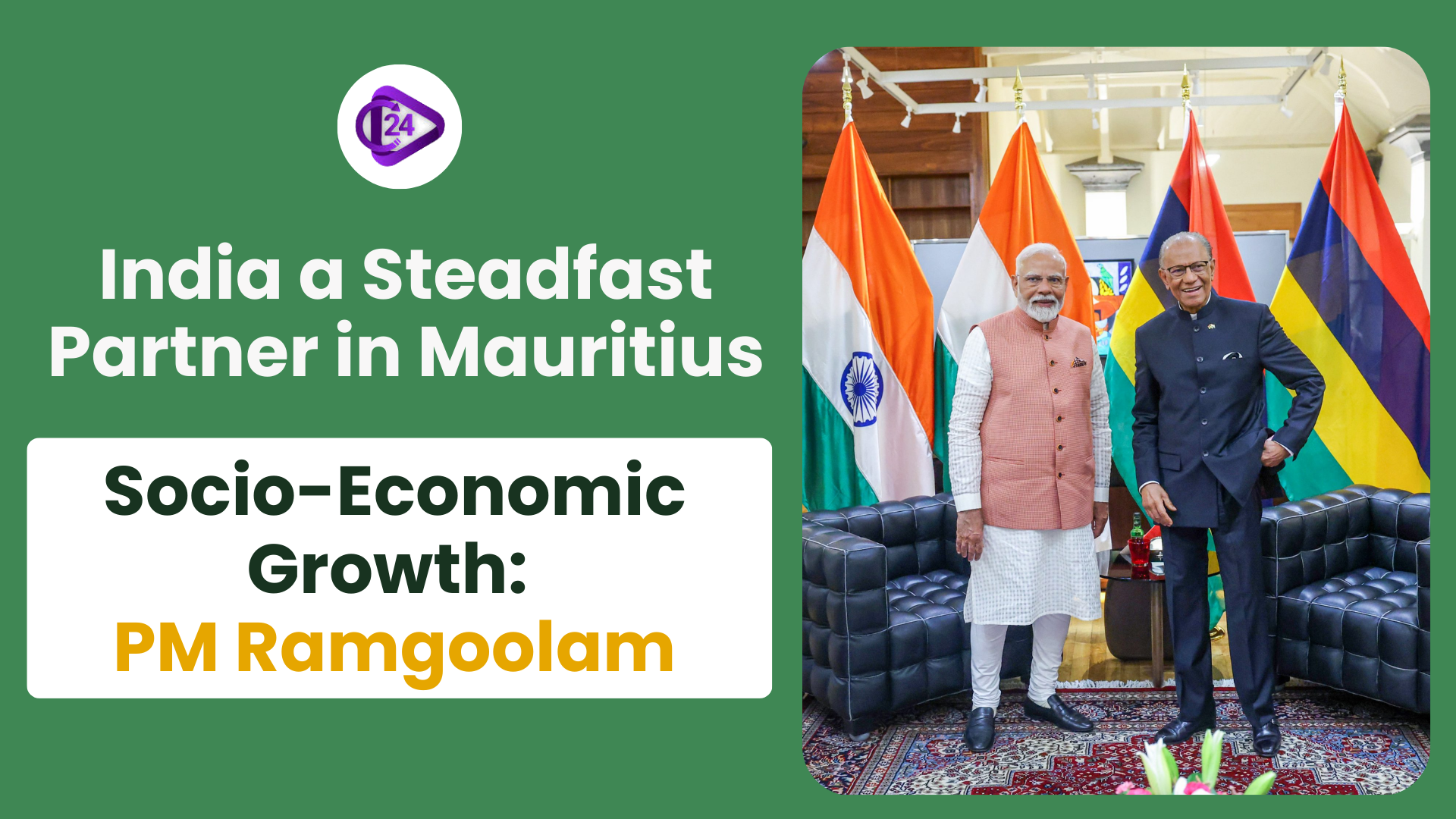
India a Steadfast Partner in Mauritius’ Socio-Economic Growth: PM Ramgoolam

India Mauritius Prime Minister Navinchandra Ramgoolam applauded India as a resolute ally in the socio-economic progress of Mauritius. In an address to the Mauritius-India Business Conclave, he pointed out the blossoming business relationship between the two nations based on the principles of trust, friendship and mutual respect. Ramgoolam pointed at the increased trade numbers since the Cooperative Economic Cooperation and Partnership Agreement (CECPA) as Mauritius exported goods to India averaging 50 million USD every year. Although the world was facing economic unpredictabilities, he emphasized that the ties between Mauritius and India were forever, and trilateral collaboration between India, Africa, and Mauritius will also help the countries to grow.

Key Points in Detail

Intensification of Trade and Economic Relations.

  • India is also a leading trading partner of Mauritius as it represents the third biggest source of imports.

  • Cooperative Economic Cooperation and Partnership Agreement (CECPA) has greatly boosted the trade relations between the two countries.

  • The average exports of Mauritius to India are 50 million USD/year, and the figure is predicted to be twice as high in the future.

  • Tourism: Ramgoolam urged more Indian tourists to come to Mauritius, as a way of establishing the bilateral economic cooperation further.

Three-Way Collaboration and Development.

  • Ramgoolam pointed out the need to have trilateral cooperation among India, Mauritius and Africa to the development of all three areas.

  • Mauritius aims at becoming the most active and helpful partner of India, and making it one of the main sources of Foreign Direct Investment (FDI) in India.

Handling Economic Uncertainties in the world.

  • Ramgoolam observed how unstable the international economic system is, with its extreme state of chaos arising due to trade wars, trade protectionism, and disruption of the chain of supply.

  • Nevertheless, Mauritius-India relationship is declared as eternal, both countries are determined to reinforce their relationship regardless of the world development.

The Mauritius role in the development of India.

  • India has played a significant role in the socio-economic development of Mauritius, as it has led to establishment of healthy diplomatic, trade, and cultural relationships.

  • Constant support by India has enabled Mauritius to pass through the economic hurdles and hold a steady growth amidst uncertainties in the world.

Conclusion

India and Mauritius have a robust and stable partnership that is keen on enhancing economic and strategic ties between the two countries. The Mauritius-India Business Conclave has highlighted the prospects of future development of trade, investment and tourism. In the case of UPSC, this is representative of the role of bilateral cooperation in world trade and effects of regional groupings on the socioeconomic growth, especially in the light of small island economies amidst global uncertainties.

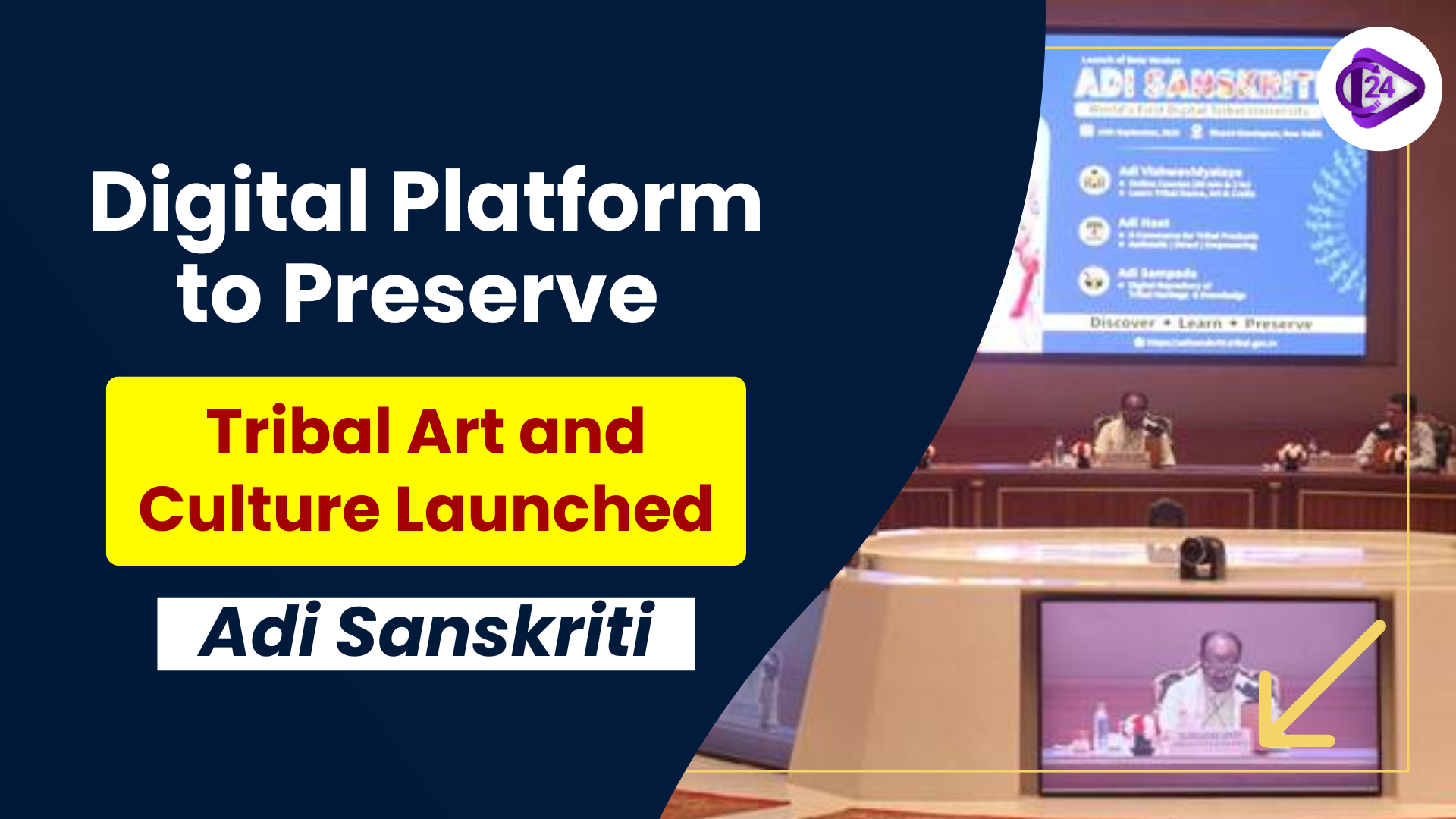
Digital Platform to Preserve Tribal Art and Culture Launched: Adi Sanskriti

The Union Tribal Affairs ministry released the beta version of Adi Sanskriti, an online platform to preserve and promote tribal artforms and heritage. Imagined as the first Digital University of tribal communities in the world, Adi Sanskriti will include three main elements: Adi Vishwavidyalaya (Digital Tribal Art Academy), Adi Sampada (Socio-Cultural Repository), and Adi Haat (digital marketplace). It will also be used as an online marketplace to connect tribal artisans and buyers where the traditional products of the people will be availed in a digital market.

Key Points in Detail

Adi Sanskriti Purpose and Vision.

  • The site is meant to be a storehouse of tribal culture where the art, craft, language, and knowledge of tribal people in India are encouraged.

  • It seeks to be a Digital University to preserve and advance tribal heritage, empowering tribal artisans, and to offer a sustainable example of how cultural preservation can happen.

Components of the Platform

  • Adi Vishwavidyalaya (Digital Tribal Art Academy): The goal of this organization is to provide courses and training in different forms of tribal art intended to facilitate the transfer of knowledge and the development of skills.

  • Adi Sampada (Socio-Cultural Repository): An online museum to store tribal culture, such as traditional practices, folklores and arts.

  • Adi Haat (Digital Marketplace): Online marketplace to market and demonstrate the products created by tribal artisans so as to empower economically and spread the knowledge about the tribal handicrafts.

Features and Benefits

  • The site will enable the linkage of tribal artisans to the international market, making the traditional tribal products more visible and gain more sales.

  • It will be a social-cultural repository, where tribe knowledge can be stored to future generations, and also accessible to a wider audience.

  • Economic empowerment of tribal communities by advancing digital technology in the craft and art fields.

Government Support

  • The program is among the overall governmental initiatives to secure the wellbeing of tribes, inclusive development, and cultural diversity of India.

  • The platform will also lead to the encounter of tribal communities in digital literacy and inclusion in the expanding digital economy.

Conclusion

The introduction of the Adi Sanskriti online platform is a massive move to the saving of tribal art and culture as well as the economic empowerment of the tribal people by digitally integrating them. It provides new opportunities in sustainable economic growth by exposing tribal artisans to the world markets. In the case of UPSC, this project indicates the use of technology in the cultural heritage and inclusive growth, which is consistent with the governmental interests in the empowerment of tribal groups and their digitalization.

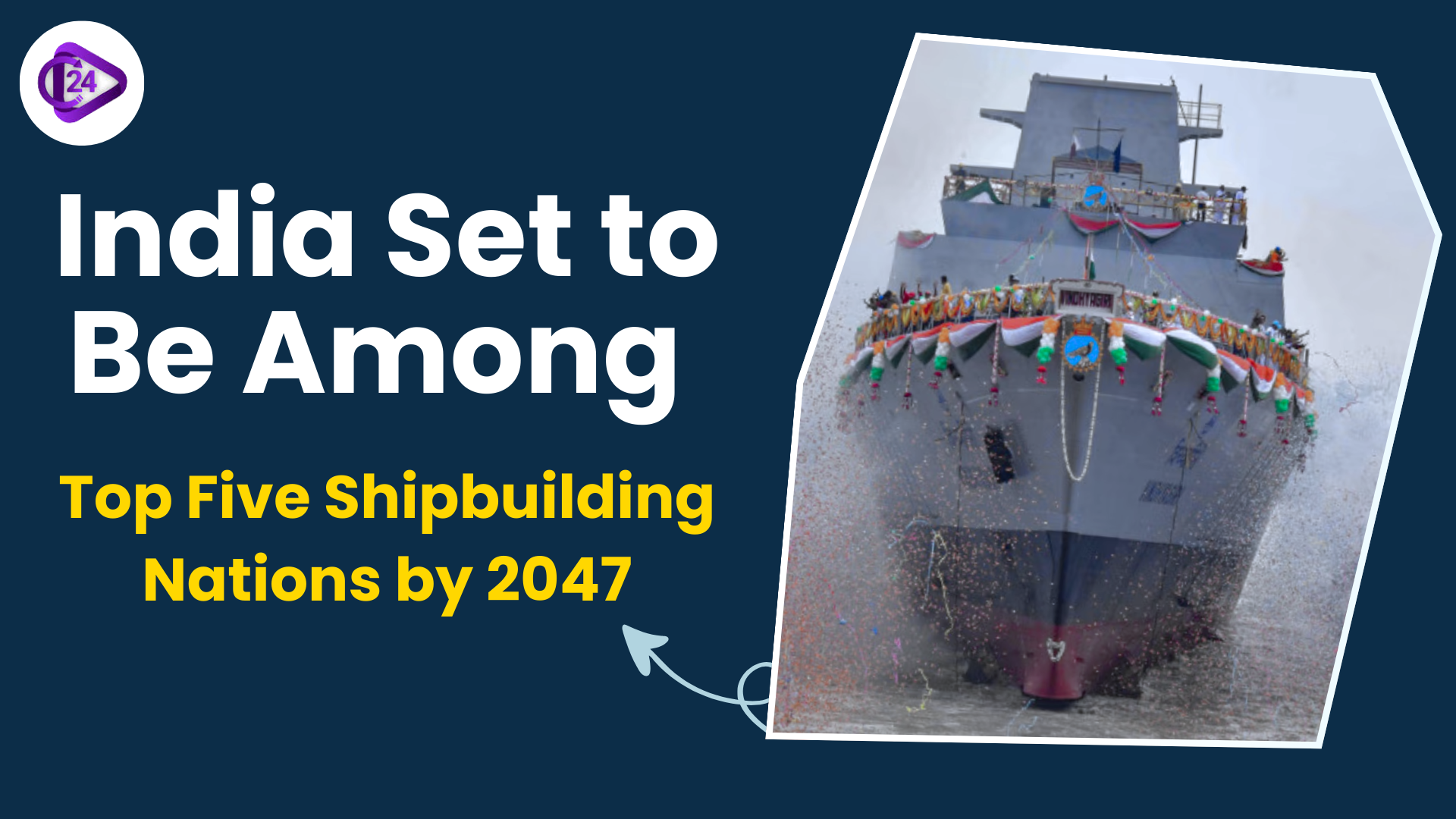
India Set to Be Among Top Five Shipbuilding Nations by 2047

India, which is currently with less than 1 percent market share in the world ship building sector is targeting to be one of the five leading world ship building countries by 2047. Government through its programs such as the Maritime India Vision is striving to make India a major shipbuilding and ship repair center. The maritime industry of the country with a GDP contribution of 4% and only reaching 1% of the world tonnage focuses on increasing the contribution to 12% GDP by the year 2047. India aims at enhancing its global competitiveness, employment creation and the emergence as a global maritime superpower with shipbuilding, repair and green shipping activities.

Key Points in Detail

Vision and Goals for 2030 and 2047

  • India intends to be top 10 maritime countries by 2030, top 5 by 2047.

  • The blue economy of India revolves around shipbuilding and repair jump-stating employment, global competitiveness, and sustainability.

  • By 2047, the government targets to grow the maritime industry to 12 percent of GDP as compared to the present 4 percent.

Current State and Ambition

  • India now has 1 percent of tonnage world shipbuilding capacity and position 16 in the world.

  • Even the small share, already 12 percent of the world workforce is represented by Indian sea-workers, and its increase to the world percentage of 25 is projected.

Government Programs to increase Shipbuilding.

  • Shipbuilding Finance Assistance Scheme: Give subsidies of up to 30% on non-conventional construction.

  • Maritime Development Fund: It is a fund amounting to $3 billion, out of which 45 percent is to be used on building ships and repairing them and 20 percent on building Indian tonnages.

  • National Shipbuilding Mission: Devotes itself to the development of shipbuilding clusters and improvement of infrastructure.

  • Shipbreaking Credit Note Scheme: Provides incentives to shipbreaking and recycling that are sustainable.

Infrastructure Investments.

  • India is also making massive investments in port infrastructure and coastal shipping, which will also enhance shipbuilding.

  • Sustainability in the world of shipbuilding and ship repair will be fueled by green shipping, and updated infrastructure.

Maritime India Vision

  • Within Maritime India Vision, India is establishing itself as a world maritime superpower by creating shipbuilding manufacturing capacities, training seafarers and creating infrastructures to facilitate maritime commerce and shipbuilding actions.

  • This vision is compatible with the programs of Make in India and Atmanirbhar Bharat, which are aimed at local manufacturing and shipbuilding innovations.

Conclusion

The aim by India to emerge among the top five shipbuilding countries in the year 2047 indicates the interest of the government to enhance its maritime economy. India intends to increase its presence in the shipbuilding sector through specific investments, policy changes and global competitiveness policy that will bring them vast economic development and jobs. In the case of UPSC, the vision is the obvious illustration of how strategic planning, partnership between a state and a business, as well as investment in infrastructure can lead to the long-term change in industrial growth.

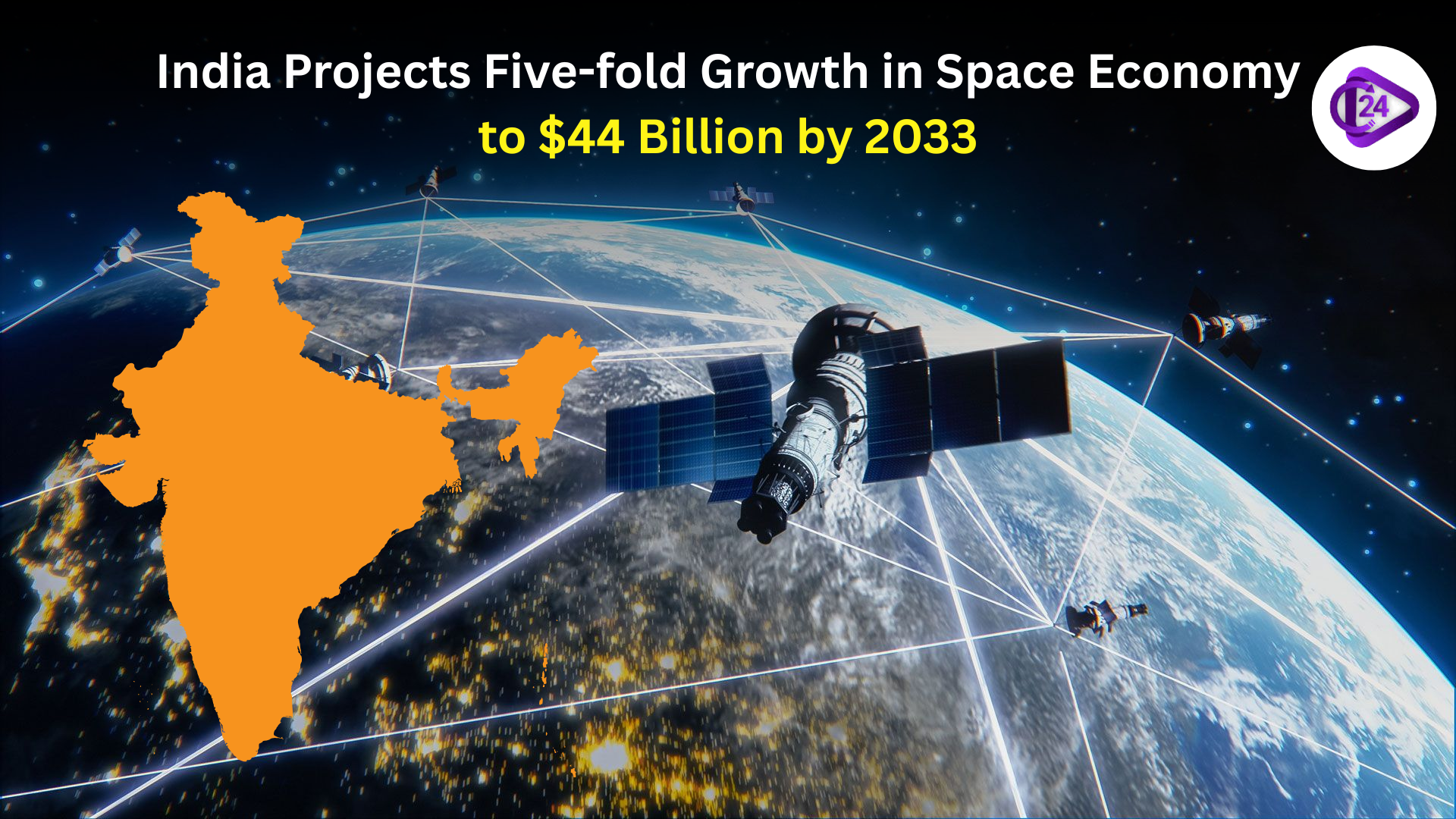
India Projects Five-fold Growth in Space Economy to $44 Billion by 2033

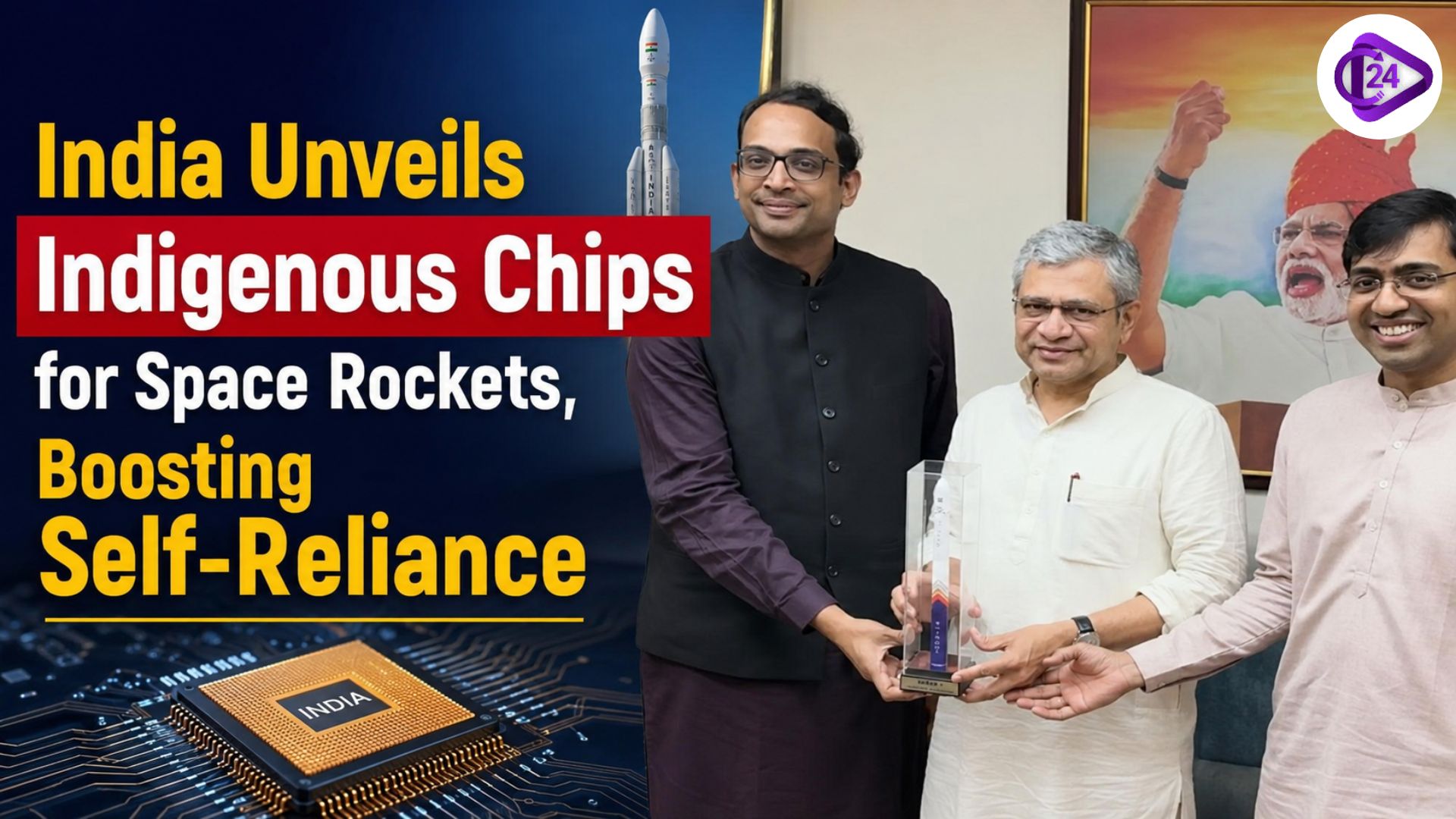
In India, the space economy is expected to rise to USD 8.4 billion in 2022 to USD 44 billion by 2033 with the target of 8 percent of the global market share. The nation has more than 400 private space companies, and this is the 5th in the world in terms of the number of space companies. The Indian government is opening the potential by reforming its policies, funding ventures, and government-private cooperation such as, ISRO, IN-SPACe and NewSpace India Limited (NSIL). As other companies have become profitable, India is on-track to become a very expansive space country with several big milestones such as the Bharatiya Antariksh Station (BAS) and human spaceflight missions likely to be achieved in the near future.

Key Points in Detail

Space Economy Projection.

  • In 2022, India had over 2-3 percent of the world space economy, but it is projected to grow to 8 percent and 15 percent by 2030 and 2047, respectively.

  • The rise is beginning to focus on private players, and there are almost 200 space startups by 2024 compared to only one in 2022.

  • Increasing funding Space startups increased by 67.2 million in 2021 to 124.7 million in 2023.

Major Industry participants in the Indian Space Industry.

  • ISRO (Indian Space Research Organisation): It is oriented toward research and development and scientific exploration, as well as the adoption of the industry in operational space systems.

  • IN-SPACe: Facilitates transfer of technology, promotes space activity by individuals and data on remote sensing.

  • NewSpace India Limited (NSIL): Commercial wing of the Department of Space, charged with the responsibility of purchasing space assets and commercialising the technologies of ISRO.

  • Private Startups: Especially Skyroot which started with the first privately-made rocket Vikram-S in India and will transform the process of satellite launches.

Indian Space Policy 2023 and Its Enforcement.

  • The Indian Space policy 2023 will seek to offer a level playing ground to Non-Government Entities (NGEs) in space activities.

  • SpaceTech Innovation Network (SpIN): This initiative aims to provide an opportunity to collaborate between startups and SMEs in the development of space technologies.

  • Policy on FDI: 100 percent FDI in manufacturing of space sector and satellite components.

Great Space Achievements and Vision 2047.

  • Space Vision 2047 will work toward attainment of significant achievements such as:

  • Bharatiya Antariksh Station (BAS) 2035.

Indian Moon Landing by 2040.

  • Gaganyaan: 2027 First human spaceflight.

  • Chandrayaan-4 (2027) moon sample collection and moon return technology test.

  • Venus Orbiter Mission (VOM) by 2028.

  • Next Generation Satellite Launch Vehicle (NGLV) by 2032.

Funding and Government Reforms.

  • Space Sector Reforms (2020): Enabled the involvement of the private sector, role separation between IN-SPACe, ISRO and NSIL.

  • Venture Capital Fund: 1,000 crore fund to be used in helping in the field of space.

  • Make in India (MII) & Atmanirbhar Bharat programmes: Space technologies local manufacturing.

Challenges

  • Setting up a manufacturing and assembly infrastructure of rockets and satellites in India.

  • Providing a strong regulatory environment in the participation of the privatized sector.

  • Incorporation in world supply chains of hi-tech space technologies.

Conclusion

The space economy in India is growing in a transformative manner, with major steps in terms of the participation of the private sector, space startups, and cooperation with other countries. Indian Space Policy 2023 and Vision 2047 open the door to India becoming a world leader in space, with such long-term goals as human spaceflight and even interplanetary missions. The self-reliance drive under efforts such as Make in India and Atmanirbhar Bharat is bringing its space dreams into line with the overall economic progress and technological domination of India. In the case of UPSC, this has been an illustration of how strategic policy and partnership with the government can drive India to the top of the space exploration world.

Frequently Asked Questions (FAQs)

The current affairs cover recent national and international events related to UPSC, SSC, Banking, Railways, and State PCS.

You need to read about the current affairs daily, and revise them every week and every month to keep them longer in your memory.

Yes, Class24 provides free downloadable Daily Current Affairs PDFs for easy revision.

Yes, you can practice MCQs and quizzes to boost your exam preparation.

Absolutely. The content is written in simple, easy-to-understand bilingual language suitable for beginners.

Go to class24.com and click on the current affairs section directly, where you find everything that you need.

ssc-toppers

Start Learning Today with Class24

Related current affairs

Class24 offers free video lectures for smart preparation, covering CGL, CPO, CHSL, MTS, and GD exams. Learn from expert faculty, revise concepts easily, practice with PYQs, and improve speed and accuracy through high-quality, exam-focused video lessons anytime, anywhere.

Get success in your hand. Start study anytime anywhere.

The journey becomes simple and enjoyable when you start taking interest in it. And through our app “Class24”, we will be your trusted partners in developing that interest.

Daily Quizzes
Mock Tests
Ongoing

No ongoing tests right now.