
Day: May 9, 2025

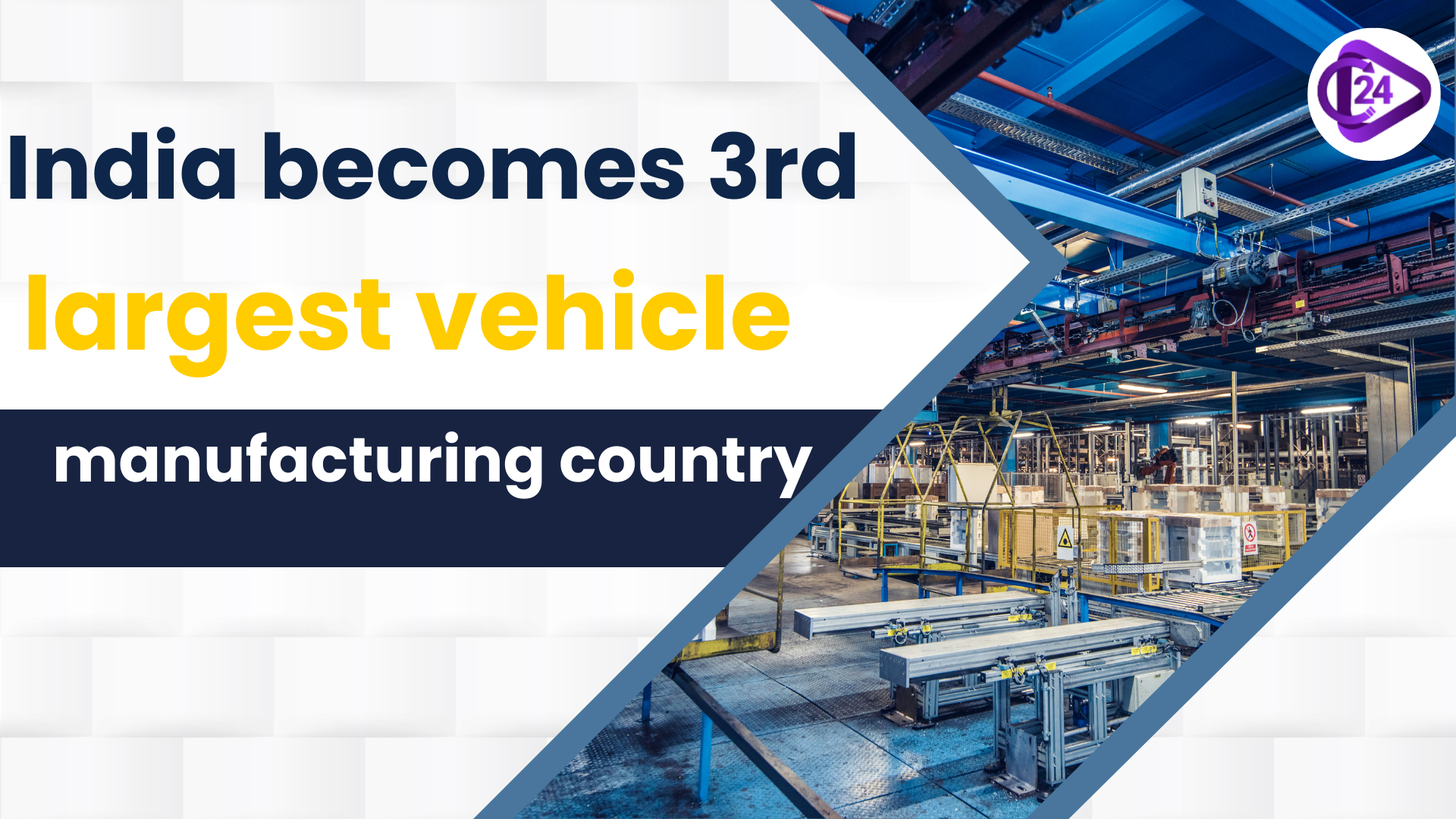
India Emerges as the 3rd Biggest Vehicle Manufacturer: Union Minister Nitin Gadkari

Union Minister for Road Transport and Highways, Nitin Gadkari announced that India is now the third-largest vehicle manufacturing country in the world. He made this statement during the 4th International BBB Summit & Expo on Bioenergy Value Chain in New Delhi. The Minister noted the rapid development of the Indian automobile industry and pointed at the necessity for cutting fossil fuel consumption, while expanding the exports and curbing the imports.

Key Highlights:

Context:

  • Union Minister for Road Transport and Highways, Nitin Gadkari, announced that India is now the 3rd largest vehicle manufacturing country in the world.

Automobile sector in India

  • The Indian automobile industry has been a key barometer of the health of the economy of the country, the industry had been crucial to both macroeconomic growth and innovation in technology. 

  • India, dominated by the two wheeler segment is growing with the advent of a young demographic, a growing middle class and heightened interest in rural markets.

Growing Demand

  • Rising demand of middle-class income and young population

  • More people want to purchase EVs.

  • Dec 2024 Production:

    • Total vehicles: 19,21,268 units (passenger, 3-wheelers, 2-wheelers, quadricycles)

  • Electric Vehicle Market

    • Global EV market (2021): $250 billion

    • Projected (2028): $1,318 billion

    • India to be a leader in shared, electric and autonomous mobility by 2030

Opportunities for Growth

  • Highest EV market projection in 2030 would belong to India.

  • Investment potential: Over $200 billion

  • FDI inflow (Apr 2000 – Sept 2024): Rs. 3,22,015 crore (~US$ 36.21 billion)

Policy Support

  • PM E-DRIVE Scheme (October 2024 – March, 2026)

    • Budget: Rs. 10,900 crore (~$1.30 billion)

    • Focus:

      • EV adoption

      • Charging infrastructure

      • EV manufacturing ecosystem

  • Automotive Mission Plan 2026: 

    • With a view to making India, one of the greatest world leaders in the automobile sectors by 2026.

  • Scrappage Policy: 

    • Promoting the elimination of old cars that increases the demand for new ones.

  • Production-Linked Incentive (PLI) Scheme: 

    • Creation of thrust on manufacturing and innovation in the auto sector to make India the key player in both domestic and international market.

Conclusion:

India’s place as the world’s third largest vehicle manufacturer gives reflection to the expansion and viability of its car industry. On the back of great emphasis on electric vehicles, considering the growing clamour from the youth and middle class population, India is in the driver’s seat to dominate the global mobility industry. Government policy support in combination with heavy investments will add clout to India’s position in the world automobile market.

UPSC Prelims PYQ (2012)
Q: What recent policy initiative(s) has/ have the Government of India taken to boost the manufacturing sector?

  • Establishment of the National Investment and Manufacturing Zones.
  • Giving the advantage of ‘single window clearance’
  • The creation of the Technology Acquisition and Development Fund

Choose the correct option with the help of codes given below:

(a) 1 only
(b) 2 and 3 only
(c) 1 and 3 only
(d) 1, 2 and 3

FAQs

India is now the 3rd largest vehicle manufacturer globally.

Rising middle class, youth demand, and a shift toward EVs.

PM E-DRIVE, PLI Scheme, Scrappage Policy, and Auto Mission Plan 2026.

Set to lead by 2030, with global EV market to reach $1,318 billion.

Around Rs. 3.22 lakh crore (~US$ 36.21 billion) till Sept 2024.

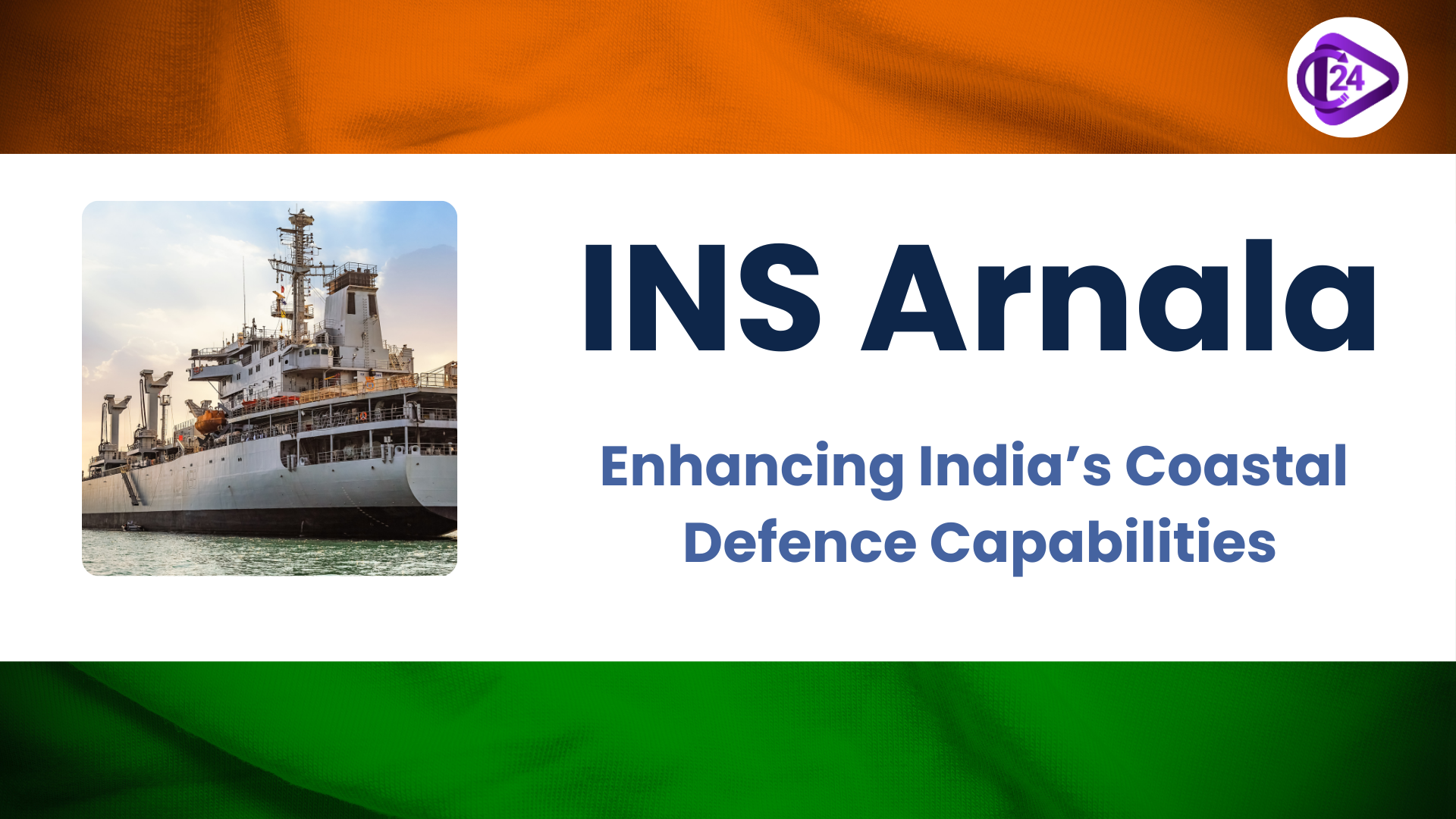
INS Arnala: Strengthening India’s Coastal Defence Capabilities

The Indian navy has received a new Anti-Submarine Warfare (ASW) Shallow Water Craft, INS Arnala, from GRSE (Garden Reach Shipbuilders and Engineers). This major achievement enhances the Indian Navy’s capacity to protect its coastal waters against a possible submarine threat. The initial stage of this project, under contract signed in April 2019, includes construction of eight such crafts. INS Arnala is also a part of this.

Context

  • The Indian navy has received a new Anti-Submarine Warfare (ASW) Shallow Water Craft, INS Arnala from GRSE (Garden Reach Shipbuilders and Engineers)

Highlights

Key Details:

Vessel Specifications:

  • Length: 77.6 meters

  • Width: 10.5 meters

  • Displacement: 900 tons

  • Maximum Speed: 25 knots

  • Operational Endurance: 1,800 nautical miles

Design and Functionality:

  • Designed for full scale anti submarine operations and sub-surface surveillance.

  • The craft can partner with aircraft towards strengthening maritime security by responding in cohesion.

Public-Private Partnership (PPP):

  • In a joint project between GRSE and L-T Kattupalli in Tamil Nadu, the clothes having been manufactured through a British company is now being set up in India PSA to reflect India’s commitment to increasing indigenous defence manufacture.

Strategic Importance:

  • The vessel has been named after the historic Arnala Island, which has historical association with the king of Marathas Chhatrapati Shivaji Maharaj.

  • The newly designed ASW crafts will thus upgrade India’s coastal defence prowess to unprecedented levels replacing Abhay-class ships.

Indigenous Manufacturing:

  • More than 80% of the Components of INS Arnala is indigenous thereby strengthening India’s dream of becoming self- reliant in defence production. 

  • The project should promote job creation and enhanced technological capability to the nation.

Future Developments:

  • GRSE has been developing another 16 warships, including stealth frigates and offshore patrol ships, which will augment India’s naval power as well as modernise its maritime potential.

Conclusion:

INS Arnala is a giant leap towards India’s coastal defence policy. With its state of the art capabilities, native content and strategic significance, it will be an integral part of protecting maritime interests of India and it will harden the Indian Navy in coastal operations. It is the increasing desire of India to be self reliant defences strategically with a secure nation that is responsible for the constant growth in India’s naval capabilities.

UPSC Prelims PYQ – INS Arnala UPSC

Q. In the light of current trends in the Indian Navy, take the following pairs as an example:

Indian Naval Ship (INS) Feature/Function
1. INS Vikrant (IAC-1) India’s first indigenously built aircraft carrier
2. INS Imphal Indigenous stealth-guided missile destroyer under Project 15B
3. INS Vagir Nuclear-powered ballistic missile submarine
4. INS Sandhayak Hydrographic survey ship

And which ones of the above pairs are correctly matched?

(a) 1, 2 and 4 only
(b) 1 and 3 only
(c) 2, 3 and 4 only
(d) 1, 2, 3 and 4

FAQs – INS Arnala UPSC

INS Arnala is an Anti-Submarine Warfare (ASW) Shallow Water Craft received from GRSE by the Indian Navy. It improves India’s coastal defence against underwater threats and is a big step towards indigenous defence production and maritime security.

INS Arnala is 77.6 meters in length and 10.5 in width, displaces 900 tons, and can cruise at a maximum speed of 25 knots. It has an operating endurance of 1,800 nautical miles and is designed for full-scale anti-submarine operations and sub-surface surveillance.

More than 80% of INS Arnala’s components are indigenously sourced. A result of a public-private partnership between GRSE and L&T Kattupalli, it reflects India’s push towards Atmanirbhar Bharat in the defence industry.

The ship is named after Arnala Island, historically associated with Chhatrapati Shivaji Maharaj—highlighting India’s naval heritage and strategic roots.

INS Arnala is one of eight ASW crafts under a 2019 contract. GRSE is also building 16 additional warships, including stealth frigates and patrol vessels, to strengthen India’s naval power and coastal security.

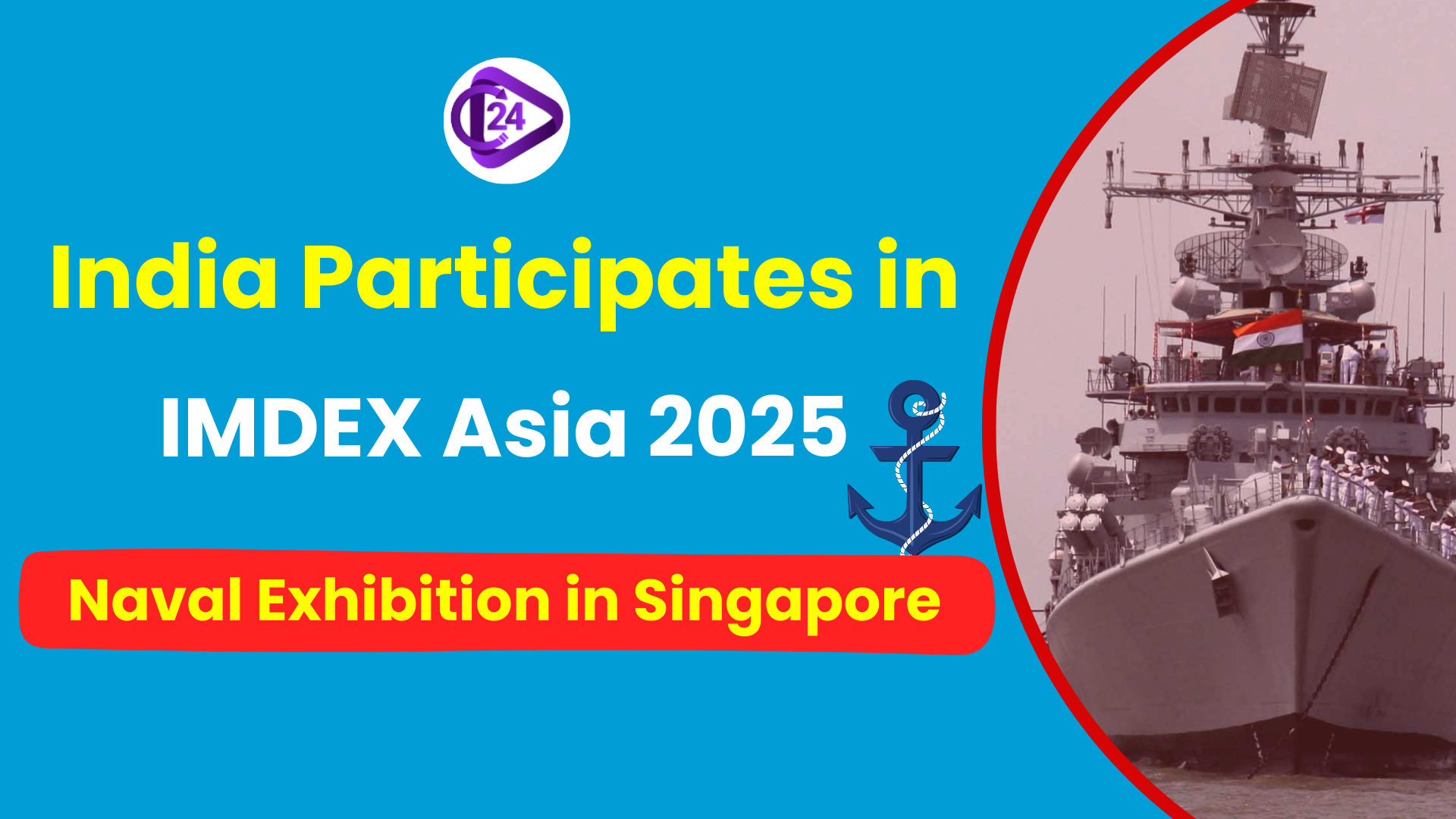
India participates in IMDEX Asia 2025, a maritime defense exhibition in Singapore

IMDEX Asia, the biennial Singapore-based event since 1997, is the industry’s flagship event for the global maritime defences community. It is a platform for presenting new naval platforms, systems and technologies and the promotion of strategic dialogues on maritime security. The International Maritime Security Conference (IMSC), which seeks to improve cooperation and overcome challenges in the maritime world, is part of the exhibition.

Summary:

  • IMDEX Asia is a biennial maritime defence exhibition in Singapore.

  • It displays naval systems, platforms, and technologies that bring together the world’s maritime defence industry stakeholders.

  • International Maritime Security Conference (IMSC) is a big highlight that encourages security and cooperation in Indo-Pacific region.

  • IMDEX Asia is critical to promoting high-level strategic discussions by policymakers and by defence experts.

Key Points:

  • IMDEX Asia Overview: IMDEX Asia has since 1997 been an important event for naval platforms and maritime defence industries as well as high level strategic talks.

  • International Maritime Security Conference (IMSC): Also launched in 2009, the IMSC is a vital conference that advances the cause of maritime security cooperation within the Indo-Pacific region.

  • Organisers: The event is organised by Republic of Singapore Navy (RSN) and S. Rajratnam School of International Studies (RSIS).

  • Focus Areas: Covering a broad range of matters, from current naval technologies to maritime domain awareness and security partnerships, IMDEX Asia is the forum.

  • Global Participation: Naval chiefs, the heads of coastsguard, policymakers, strategic analysts among other stakeholders the world over are attracted to such events.

Conclusion:

IMDEX Asia is an important forum for demonstrations of the state of the art in the marine industry as well as international cooperation in the field of the partnership for maritime security. Having a biennial goal, it still plays an important role in coping with the present naval issues and developing overall regional collaboration.

World Red Cross and Red Crescent Day 2025 – “Keeping Humanity Alive”

World Red Cross and Red Crescent Day is observed every year on the 8th of May to remember the humanitarian work of millions of volunteers who undertake to offer assistance everywhere in the world during crises. Humanitarian action is highlighted in the theme for 2025, “Keeping Humanity Alive”, in an era of increasing inequalities, health challenges and conflicts. The International Red Cross and Red Crescent Movement has 191 National Societies and membership total of over 80 million members in the world.

Summary:

  • Observed every 8th of May to honour Henry Dunant the founder of the (ICRC) international committee of the red cross.

  • Theme 2025: “Keeping Humanity Alive,” and humanitarian service.

  • The day celebrates those delivering emergency aid, volunteers and composes the essence of humanity, impartiality and neutrality.

  • The International Red Cross and Red Crescent Movement has 191 National Societies and membership total of over 80 million members in the world.

  • Indian Red Cross society (IRCS), founded in 1920 and is extremely important in disaster relief and health care of India.

Key Points:

  • Historical Background: The day celebrates the birth of Henry Dunant (8th May 1828), a visionary who started the ICRC after seeing the agony in the Battle of Solferino in 1859.

  • ICRC Formation: ICRC was founded in 1863 forth also from Dunant’s activities one also had the Geneva Conventions that safeguard victims of wars.

  • Global Movement: The International red cross and Red Crescent Movement comprises the ICRC and 191 national societies, delivering help in situations of conflict and disaster around the world.

  • Indian Red Cross Society (IRCS): The IRCS was set up in 1920 to work in the areas of disaster relief, health care and humanitarian principles in India.

  • Significance: The day overemphasises the vital nature of social work that volunteers and the Red Cross Movement do and they make a special effort to maintain neutrality, impartiality and to ensure no discrimination is taking place while offering help.

Conclusion:

 World Red Cross and Red Crescent Day acts as a reminder of the major role such humanitarian organizations take to reduce suffering among humans in emergencies and war. It also celebrates the volunteers who follow the commands of humanity and selflessness.

Maternal Mortality Ratio in India: Current situation, trends, and main reasons

Indian MMR has improved surprisingly well from 384 in 2000 to 80 per 100,000 live births in the year 2023. However, this trend notwithstanding, India continues to be the second largest contributor of global maternal death accounting for 7.2% of global maternal death. Leading causes of maternal deaths are hemorrhage, pregnancy related infections and hypertensive disorders. These constant problems point to the necessity of a focus on particular healthcare interventions such as in areas where high MMRs prevail, and attention on the sources of maternal mortality should be taken seriously.

Summary:

  • India’s MMR fell from 384 in the year 2000 to 80 in the year 2023, 86% decline.

  • India accounts for 7.2% of the total maternal deaths in the world which is still a major concern of international health.

Key Points:

  • Current Status in India: 19,000 maternal deaths were recorded in 2023 to add up 7.2% of world maternal deaths.

  • Progress Made: Since 1990, India has lowered its MMR by 86%, which is more than the worldwide average decline.

Data Point

  • Leading Causes of Maternal Deaths:

    • Hemorrhage – 47%

    • Pregnancy-related infections – 12%

    • Hypertensive disorders – 7%

  • Regional Disparities in MMR:

    • States with MMR <70: Kerala, Maharashtra, Tamil Nadu

    • States with high MMRs:

    • Uttar Pradesh – 167

    • Madhya Pradesh – 173

    • Assam – 195

  • Global Trends:

    • 40% global decline in maternal deaths (2000–2023)

    • Sub-Saharan Africa leads in MMR; Moderate levels are found in South Asia & Oceania.

  • SDG Goal 3.1

    • Weights into reducing global MMR< (below 70) by year 2030- requires accelerated action

  • Access Challenges: NHM and JSY schemes are not creating the institutional deliveries and skilled birth attendants in the rural areas.

  • Emerging Threats: Non-communicable diseases such as diabetes and hypertension are becoming increasing causes of indirect maternal deaths.

How India Can Accelerate Progress:

  • Strengthening Primary Health Care (PHC): Increase the mandate of Health and Wellness Centers (HWCs) to serve quality maternal care to rural and under served areas.

  • Targeting High-Risk States: Increase investment in states such as Uttar Pradesh, Bihar and Madhya Pradesh though mobile health units, telemedicine, and the community health workers (ASHA) to increase the access to skilled care.

  • Policy Integration and Social Justice: Ensure in line with maternal health policies with SDGs 5 (Gender Equality) and 10(Reduced Inequalities on Marginalized groups, including adolescent girls and low-income communities.

  • Enhancing Data Systems: Enhance maternal death data collection through the Civil Registration System (CRS) and utilise digital forums such as U-WIN for a real-time monitoring of maternal health indicators.

  • Expanding Targeted Programs: Initiatives such as Pradhan Mantri Surakshit Matritva Abhiyan (PMSMA) should be implemented on a larger scale, to offer such focus care for vulnerable populations.

Conclusion:

 India’s success against maternal deaths deserves our scrutiny but there is little that can be said about the inequalities that continue to exist across the country and about new health challenges that loom in the shape of NCDs. In order to accelerate improvement, India needs to focus on strengthening access to healthcare especially in underserved region and continue expanding impact focused health programs while taking care of social determinants of health. Eradicating maternal mortality level in 2030 in order for the SDG target to be achieved will need multi-dimension approach that will include enhanced healthcare infrastructure, improved data system and specific policy interventions.

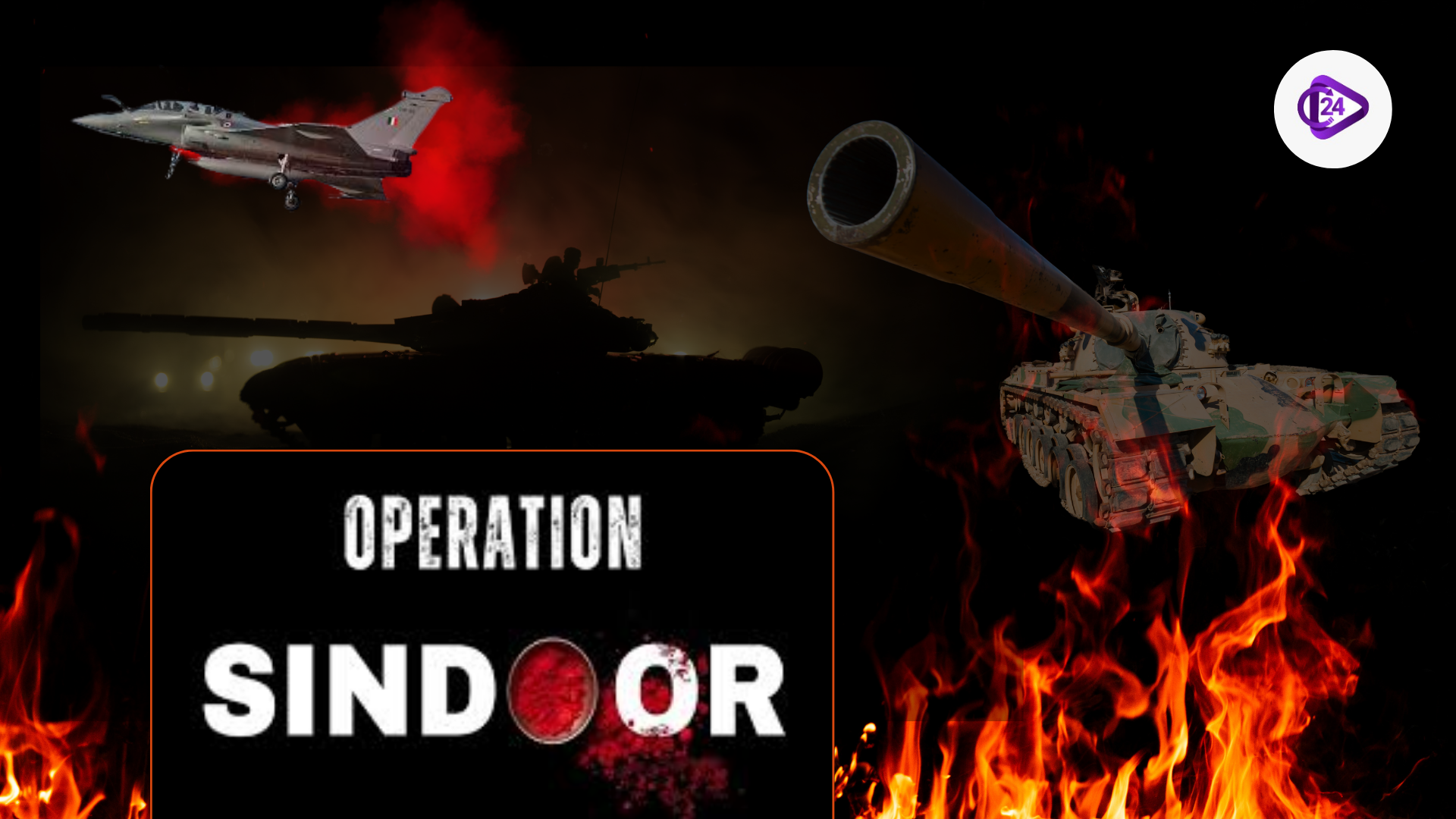
Operation Sindoor: India’s response to Pahalgam Terror Attack

India’s response to the Pahalgam terrorist attack of April 2025 was ‘Operation Sindoor’, carried out on 07 May 2025, targeting 9 terrorist infrastructure facilities in Pakistan and PoJK. The attack led to the mass death of 26 people, and the military operations were directed at degrading the existing terror groups. The operation was clinical with the help of the latest technology arms, and the word ‘operative’, unlike other aggressive military operations, was coined to pay homage to the martyrs, especially the wives of the victims of the Pahalgam attack. Taking charge to brief the generals, Wing Commander Vyomika Singh and Colonel Sofiya Qureshi described the mission objective and the method.

Summary:

  • India undertook Operation Sindoor, a carefully targeted military operation against terrorist assets in the territories of Pakistan and Pakistan-occupied Kashmir, to avenge the terror strike on Pahalgam.

  • Wing Commander Vyomika Singh and Col Sofiya Qureshi addressed the Indian government and its people on the successful operation.

  • Special weapons systems like SCALP Cruise Missiles, HAMMER Precision-Guided Bombs, and Loitering Munitions were used with less collateral cost in the operation.

What is Operation Sindoor?

About:

  • Operation Sindoor was a surgical operation conducted by the Indian Armed Forces on 7 May 2025, to avenge the Pahalgam terror attack. 

  • The operation was a tri-service operation conducted by the Indian Army, Navy, and the Air Force from India. 

  • It was named as ”Sindoor” in respect to the loss of numerous lives, especially the women of the Pahalgam tragedy.

Targets:

  • Casting further scrutiny on terrorist infrastructure in Pakistan and occupied Kashmir, the Indian Armed Forces attacked the JeM, LeT, and HM

  • These strikes were meant to neutralise structures that are used in the planning of attacks against India.

High-Precision Weapons Involved:

SCALP Cruise Missile:

  • A highly accurate and long-distance missile that is launched from the air to hit strategic targets. 

  • It was used in advanced fighter aircraft such as the Rafale. 

  • These are some of the countries where its effectiveness in combat has been established, for instance, Iraq, Libya and Syria.

HAMMER Precision-Guided Bomb:

  • Manufactured by Safran Electronics and Defense, the HAMMER bombs are precise for medium range on dynamic targets such as terrorist camps. 

  • These aspects can, in turn, be navigated by a GPS, infrared imaging, or laser targeting system.

Loitering Munitions (Kamikaze Drones):

  • These are armed UAVs that hover over enemy territory until such a time as it must launch pinpoint attacks. 

  • They operate in real-time and can make decisions as to when to act, which allows more freedom and minimizes the danger to the operators.

Military Operations by India on Pakistan to date

  • Operation Riddle (1965 Indo-Pak War):

    • India has had its share as well when it cross LoC in response to Operation Gibraltar. It contributed to initiation of the 1965 war and Tashkent Agreement.

  • Operation Ablaze (1965 Indo-Pak War):

    • It was a pre-emptive strategy by India after there were tensions along the Line of Control in the region especially in the Rann of Kutch.

  • Operation Cactus Lily (1971 Indo-Pak War):

    • An airborne operation during the Bangladesh Liberation War to capture the provincial capital and the effective headquarters of the Pakistan army.

  • Operations Trident and Python (1971):

    • The operation of Indian navy upon the Pakistani territory, and more precisely upon Karachi port that led to the creation of Bangladesh.

  • Operation Meghdoot (1984):

    • India claimed the Saltoro Ridge and Siachen Glacier under the government of Indira Gandhi.

  • Operation Vijay (1999):

    • Military related and recapturing the Kargil ridge from Pakistani forces during the Kargil War, which led to the Pakistani forces’ retreat.

  • Operation Safed Sagar (1999 Kargil conflict):

    • The Indian Air Force targeted the Pakistani positions in Indian territory and raided Pakistani military installations to silence their fire along the LoC.

  • 2016 Surgical Strikes:

    • India’s action in striking terror camps in Pakistan-administered Kashmir in response to the Uri attack.

  • Operation Bandar (2019 Balakot air strikes):

    • India’s counteraction for the Pulwama attack was the airstrikes against the JeM training camp in Balakot, Pakistan.

Conclusion:

Operation Sindoor is one of the major military operations planned and implemented by the Indian government in the fight against terrorism from Pakistan and its proxies. Delhi showcases its ability to eliminate terrorist threats utilizing state-of-the-art high precision equipment, leaving little or no trace on innocent lives. Even though it targets specific terrorist organizations such as JeM and LeT, this attack also strengthens India’s place in the global fight against terrorism by using both kinetic and diplomatic means. In the Pakistani context successful drill of Operation Sindoor highlights that India is determined towards national security and would not tolerate cross-border terrorism at any cost.

UPSC Prelims Previous Year Questions(PYQ)

Q.1 Out of all the military operations with regards to the Line of Control, which was conducted by India in the year 2016 were it aimed at targeting the terrorist launch pads?

A. Operation Meghdoot
B. Operation Vijay
C. Operation Surgical Strike
D. Operation Cactus Lily

FAQs – Operation Sindoor UPSC

Militaries worked jointly in the operation that began after the Pahalgam terror attack on 7 May 2025. It targeted terrorist infrastructure in Pakistan and Pakistan-occupied Kashmir (PoJK).

The operation was named ‘Sindoor’ as a tribute to the martyrs, especially the women affected by the Pahalgam tragedy.

India used high-precision weapons such as SCALP Cruise Missiles (air-launched), HAMMER Precision-Guided Bombs, and Predator drones for real-time strikes.

Operation Sindoor aimed to dismantle terrorist groups including Jaish-e-Mohammed (JeM), Lashkar-e-Taiba (LeT), and Hizbul Mujahideen (HM).


Frequently Asked Questions (FAQs)

The current affairs cover recent national and international events related to UPSC, SSC, Banking, Railways, and State PCS.

You need to read about the current affairs daily, and revise them every week and every month to keep them longer in your memory.

Yes, Class24 provides free downloadable Daily Current Affairs PDFs for easy revision.

Yes, you can practice MCQs and quizzes to boost your exam preparation.

Absolutely. The content is written in simple, easy-to-understand bilingual language suitable for beginners.

Go to class24.com and click on the current affairs section directly, where you find everything that you need.

ssc-toppers

Start Learning Today with Class24

Related current affairs

Class24 offers free video lectures for smart preparation, covering CGL, CPO, CHSL, MTS, and GD exams. Learn from expert faculty, revise concepts easily, practice with PYQs, and improve speed and accuracy through high-quality, exam-focused video lessons anytime, anywhere.

Get success in your hand. Start study anytime anywhere.

The journey becomes simple and enjoyable when you start taking interest in it. And through our app “Class24”, we will be your trusted partners in developing that interest.

Daily Quizzes
Mock Tests
Ongoing

No ongoing tests right now.