
Day: April 28, 2025

Meghalaya to Host Strawberry Festival on 2-3 May, 2025 to boost agriculture

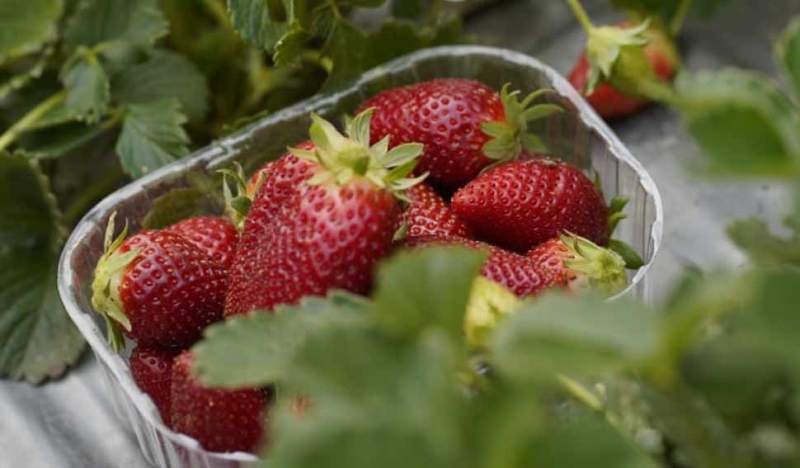
The government of Meghalaya plans to conduct a Strawberry Festival across three locations during two days from May 2–3 2025, to boost local agriculture. Mahabaleshwar Strawberry in Maharashtra obtained Geographical Indication (GI) status and this certification formally establishes the traditional traits of local cultivation while protecting grower rights. The GI status granted to Mahabaleshwar Strawberry serves dual purposes because it strengthens India’s agricultural brand protection system and helps market local products through the International Property Rights framework.

Context of Strawberry Festival:

  • The government of Meghalaya plans to conduct a Strawberry Festival across three locations during two days from May 2–3 2025, to boost local agriculture.

  • Under this initiative, Meghalaya develops agro-tourism through the promotion of both agricultural products and traditional activities to support rural economies.

Key Points of Strawberry Festival:

Meghalaya Strawberry Festival Details:

  • Dates: May 2–3, 2025.

  • Venues: Syntung (East Khasi Hills), Sohliya (Ri-Bhoi), Darechigre (West Garo Hills).

  • Organisers: Meghalayan Age Ltd. with Departments of Tourism and Agriculture & and Farmers’ Welfare

  • Objective:

    • The establishment of agro-tourism programs will function with a dual purpose for rural livelihood development.

    • Strawberry farming will expand along with rural economic development while increasing annual yield to 1,220 metric tonnes (2024 target).

Mahabaleshwar Strawberry GI Tag:

  • Recognition: Received Geographical Indication (GI) registration.

  • Geographical Area: Mahabaleshwar-Panchgani belt, Western Maharashtra.

  • Production: Over 20,000 tonnes annually by 1,800 farmers on 2,000 acres.

  • Importance of GI Tag:

    • The designation guarantees both the characteristic nature and high quality of products originating from specific locations.

    • Local farmers using the Paris Convention, along with the TRIPS Agreement receive protection for their rights.

    • Through this GI Tag, farmers who participate can export their produce to 153 countries, thus raising individual farmer revenue streams.

Importance of Strawberry Festivals 

  • Organized in Meghalaya, the festival of strawberry attracts people to visit agricultural destinations while increasing income levels in rural areas.

  • The GI tag for Mahabaleshwar Strawberries gives India a stronger global presence in agricultural branding.

  • The protection of GI addresses quality standards, thus opening better market opportunities for farmers.

  • Through its events, the festival brings forward organic agriculture and Rural entrepreneurship with cultural heritage revitalization.

  • These efforts work together to strengthen India's initiative in protecting and promoting traditional products at the international level.

History:

  • British colonizers brought the growing techniques of strawberries to Mahabaleshwar during its time as a famous summer tourist hill station.

  • The regional growers initially started growing plantations before imported plant varieties in 1994 added value to the crops.

Cultivation of Strawberry in India

Regions of Cultivation:

  • Hills: Nainital (Uttarakhand), Dehradun (Uttarakhand), Kashmir Valley, Kalimpong (West Bengal).

  • Plains: Increasing cultivation in Maharashtra around Pune, Nashik, Sangali.

  • Maharashtra generates 80% of its country's strawberry output in Satara district through farm centers including Wai and Panchgani together with Mahabaleshwar.

Emerging Areas:

  • The cultivation of strawberries has achieved success in the plain areas of Maharashtra particularly through operations carried out in Pune Nashik plus Sangali towns.

Global Production:

  • Largest Producers:

    • China: Largest strawberry producer in the world.

    • United States of America: Second-largest producer.

    • The world's strawberries amount to 57% and China and the United States control this share according to 2019 statistics.

Health and Nutritional Benefits:

  • The nutritious content of strawberries includes essential Vitamin C and Iron together with antioxidants that benefit health.

Varieties of Strawberry:

  • High Flavor and Color (for Ice Cream):

    • The ice cream industry finds great value in Olympus, Hood and Shuksan varieties because of their distinctive flavors and vibrant red hue.

Ideal for Processing:

  • Jams and preserves require processing six types of strawberries, namely Midway, Midland, Cardinal, Hood, Redchief, and Beauty.

Strawberry Advisory System (SAS):

  • Mobile App:

    • The Strawberry Advisory System app enables farmers to track current weather patterns, which signal increased vulnerability to the diseases Botrytis and anthracnose fruit rots.

    • This system delivers projected data that notifies farmers about disease threat levels so they can make timely protective measures to lower their crop damage.

Economic Significance in India:

  • The Indian district of Satara names itself the “strawberry capital” while producing 80% of India’s total strawberry crops.

  • Strawberry farming in the region achieves double benefits by expanding rural income while establishing a major position in agricultural export volumes.

Conclusion:

Through the joint effect of the Strawberry Festival in Meghalaya and the GI tag for Mahabaleshwar Strawberries, India demonstrates its commitment to backing local farming communities and traditional crops. The GI recognition helps India develop its agricultural identity globally as it secures access to markets and protects exclusive local agricultural products and Meghalaya’s initiative supports economic development and community tourism.

FAQs

It is a two-day festival (May 2–3, 2025) organized across three locations — Syntung, Sohliya, and Darechigre — to promote strawberry farming, agro-tourism, and rural economic development in Meghalaya.

Meghalayan Age Ltd., in collaboration with the Departments of Tourism and Agriculture & Farmers’ Welfare, is organizing the event.

The festival aims to boost local strawberry production, promote agro-tourism, increase rural incomes, and support the expansion of annual strawberry yield to 1,220 metric tonnes.

A GI tag certifies that a product possesses certain qualities or enjoys a certain reputation due to its geographical origin, protecting both the product’s uniqueness and the farmers' rights.

Grown in Maharashtra’s Mahabaleshwar-Panchgani belt, it received a GI tag for its unique flavor, quality, and historical cultivation traditions, and it produces over 20,000 tonnes annually.

Padma Awards 2025: Full List of Recipients and Key Highlights

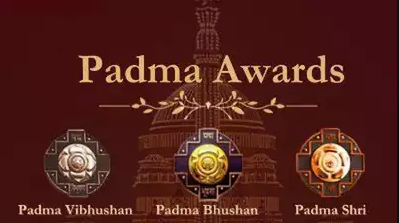
Annually on India's Republic Day ceremony, the Padma Awards emerge as the country's leading civilian tribute which bestows recognition upon extraordinary achievements throughout multiple fields. The awards are presented in three categories: Padma Vibhushan for exceptional service, Padma Bhushan for distinguished service of high order, and Padma Shri for distinguished service in any field. The Padma Awards include honors spanning critical fields including art, social work, public affairs, science, trade, medicine, literature, education, sports, and civil services.

In 2025 the President of India officially approved 139 Padma Awards alongside one duo case representing a single recognition award. The distribution highlights 7 Padma Vibhushan, 19 Padma Bhushan, and 113 Padma Shri awards. The list of Padma award recipients this year includes 23 women alongside 10 Foreigners/NRI/PIO/OCI honors and 13 are posthumous.

Objective

Public service achievements in diverse activities receive recognition through this awards program.

Categories:

  1. Padma Vibhushan: Eminent contributors receive this recognition for their exceptional distinguished service.

  2. Padma Bhushan: This accolade is bestowed upon recipients who provide exceptional, honorable Each year the Prime Minister announces the winners of these prestigious awards on public holidays during Republic Day commemorations (26th January).service.

  3. Padma Shri: Recipients can achieve recognition for their distinguished service in any professional discipline.

Among these accolades, Padma Vibhushan stands at the top level of recognition with Padma Bhushan and Padma Shri ranked below.

Eligibility:

These prestigious awards provide opportunities to all members of society independent of their background race, profession, position, or sex attributes.

Historical Background

  • Padma Vibhushan originally had three classes: Pahela Varg, Dusra Varg, and Tisra Varg. The Presidential Notification of January 8th, 1955 established new names for these awards that became Padma Vibhushan and Padma Bhushan alongside Padma Shri.

  • They are announced annually on Republic Day (26th January).

Bharat Ratna

  • Bharat Ratna is awarded as its highest civilian award to celebrate exceptional service/performance by individuals across all human endeavors.

  • This award ranks above the Padma Awards in distinction and importance level.

  • The Prime Minister of India presents nomination choices for Bharat Ratna to the President of India for approval.

  • Operations for prescribing Bharat Ratna awards follow no set nomination processes and the selection panel authorizes only three annual awards.

  • Since its inception, the Bharat Ratna committee has presented awards to 45 people.

Fields of Recognition 

The Padma Awards recognize distinguished and exceptional achievements in a range of fields, including:

  1. Art

  2. Social Work

  3. Public Affairs

  4. Science & Engineering

  5. Trade & Industry

  6. Medicine

  7. Literature & Education

  8. Civil Service

  9. Sports

  10. Others
    (Fields not covered above, including Indian culture propagation, wildlife conservation, human rights protection, etc.)

Important Facts 

  • Posthumous Awards: Padma awards generally do not get presented after the death of the award recipient. Under special circumstances involving extraordinarily deserving candidates the government holds the authority to grant exceptions.

  • Upgrading Awards: A recipient must wait at least five years following their original Padma Bhushan honor to become eligible for a higher category award such as Padma Vibhushan. The committee possesses the discretion to modify this standard in specific extraordinary situations.

  • Presentation: India's president presents the awards annually in March or April. Those individuals honored with a Padma award receive a document known as Sanad which bears the President's signature together with their ceremonial earnings. A recipient receives a small version of the Padma medallion to use during ceremonial occasions.

  • Gazette of India: On the day of the presentation ceremony the Gazette of India publishes award recipient names.

  • Limit on Number: Each year awards should remain at or below 120 grants however these do not include posthumous awards nor do they include awards for NRI/foreigner/OCI recipients.

  • Title Restrictions: The Padma Awards provide no title benefits which prevents recipients from using them as part of their official name.

The Padma Awards Committee

  • Each year the Prime Minister forms the Padma Awards Committee to review all nominations sent for consideration.

  • The Cabinet Secretary leads the committee with membership including the Home Secretary the Secretary to the President and 4 to 6 eminent members.

  • Recommendations made by the committee advance to the Prime Minister of India and the President of India for agreement before becoming official.

Overview of Padma Awards 2025

  • Total Awards: 139

  • Padma Vibhushan: 7 recipients

  • Padma Bhushan: 19 recipients

  • Padma Shri: 113 recipients

  • Women Awardees: 23

  • Foreign/NRI Recipients: 10

  • Posthumous Awards: 13

Padma Vibhushan(7)

SN

Name

Field

State/Country

  1.  

Shri Duvvur Nageshwar Reddy

Medicine

Telangana

  1.  

Justice (Retd.) Shri Jagdish Singh Khehar

Public Affairs

Chandigarh

  1.  

Smt. Kumudini Rajnikant Lakhia

Art

Gujarat

  1.  

Shri LakshminarayanaSubramaniam

Art

Karnataka

  1.  

Shri M. T. Vasudevan Nair (Posthumous)

Literature and Education

Kerala

  1.  

Shri Osamu Suzuki (Posthumous)

Trade and Industry

Japan

  1.  

Smt. Sharda Sinha (Posthumous)

Art

Bihar

Padma Bhushan(19)

SN

Name

Field

State/Country

  1.  

Shri A Surya Prakash

Literature and Education-Journalism

Karnataka

  1.  

Shri Anant Nag

Art

Karnataka

  1.  

Shri Bibek Debroy(Posthumous)

Literature and Education

NCT Delhi

  1.  

Shri Jatin Goswami

Art

Assam

  1.  

Shri Jose Chacko Periappuram

Medicine

Kerala

  1.  

Shri Kailash Nath Dikshit

Others-Archaeology

NCT Delhi

  1.  

Shri Manohar Joshi(Posthumous)

Public Affairs

Maharashtra

  1.  

Shri Nalli Kuppuswami Chetti

Trade and Industry

Tamil Nadu

  1.  

Shri Nandamuri Balakrishna

Art

Andhra Pradesh

  1.  

Shri P R Sreejesh

Sports

Kerala

  1.  

Shri Pankaj Patel

Trade and Industry

Gujarat

  1.  

Shri Pankaj Udhas(Posthumous)

Art

Maharashtra

  1.  

Shri Rambahadur Rai

Literature and Education-Journalism

Uttar Pradesh

  1.  

Sadhvi Ritambhara

Social Work

Uttar Pradesh

  1.  

Shri S Ajith Kumar

Art

Tamil Nadu

  1.  

Shri Shekhar Kapur

Art

Maharashtra

  1.  

Ms. Shobana Chandrakumar

Art

Tamil Nadu

  1.  

Shri Sushil Kumar Modi(Posthumous)

Public Affairs

Bihar

  1.  

Shri Vinod Dham

Science and Engineering

United States of America

Padma Shri (113)

SN

Name

Field

State/Country

  1.  

Shri Adwaita Charan Gadanayak

Art

Odisha

  1.  

Shri Achyut Ramchandra Palav

Art

Maharashtra

  1.  

Shri Ajay V Bhatt

Science and Engineering

United States of America

  1.  

Shri Anil Kumar Boro

Literature and Education

Assam

  1.  

Shri Arijit Singh

Art

West Bengal

  1.  

Smt. Arundhati Bhattacharya

Trade and Industry

Maharashtra

  1.  

Shri Arunoday Saha

Literature and Education

Tripura

  1.  

Shri Arvind Sharma

Literature and Education

Canada

  1.  

Shri Ashok Kumar Mahapatra

Medicine

Odisha

  1.  

Shri Ashok Laxman Saraf

Art

Maharashtra

  1.  

Shri Ashutosh Sharma

Science and Engineering

Uttar Pradesh

  1.  

Smt. Ashwini Bhide Deshpande

Art

Maharashtra

  1.  

Shri Baijnath Maharaj

Others-Spiritualism

Rajasthan

  1.  

Shri Barry Godfray John

Art

NCT Delhi

  1.  

Smt. Begam Batool

Art

Rajasthan

  1.  

Shri Bharat Gupt

Art

NCT Delhi

  1.  

Shri Bheru Singh Chouhan

Art

Madhya Pradesh

  1.  

Shri Bhim Singh Bhavesh

Social Work

Bihar

  1.  

Smt. Bhimavva Doddabalappa Shillekyathara

Art

Karnataka

  1.  

Shri Budhendra Kumar Jain

Medicine

Madhya Pradesh

  1.  

Shri C S Vaidyanathan

Public Affairs

NCT Delhi

  1.  

Shri Chaitram Deochand Pawar

Social Work

Maharashtra

  1.  

Shri Chandrakant Sheth(Posthumous)

Literature and Education

Gujarat

  1.  

Shri Chandrakant Sompura

Others-Architecture

Gujarat

  1.  

Shri Chetan E Chitnis

Science and Engineering

France

  1.  

Shri David R Syiemlieh

Literature and Education

Meghalaya

  1.  

Shri Durga Charan Ranbir

Art

Odisha

  1.  

Shri Farooq Ahmad Mir

Art

Jammu And Kashmir

  1.  

Shri Ganeshwar Shastri Dravid

Literature and Education

Uttar Pradesh

  1.  

Smt. Gita Upadhyay

Literature and Education

Assam

  1.  

Shri Gokul Chandra Das

Art

West Bengal

  1.  

Shri Guruvayur Dorai

Art

Tamil Nadu

  1.  

Shri Harchandan Singh Bhatty

Art

Madhya Pradesh

  1.  

Shri Hariman Sharma

Others-Agriculture

Himachal Pradesh

  1.  

Shri Harjinder Singh Srinagar Wale

Art

Punjab

  1.  

Shri Harvinder Singh

Sports

Haryana

  1.  

Shri Hassan Raghu

Art

Karnataka

  1.  

Shri Hemant Kumar

Medicine

Bihar

  1.  

Shri Hriday Narayan Dixit

Literature and Education

Uttar Pradesh

  1.  

Shri Hugh and Colleen Gantzer(Posthumous)(Duo)*

Literature and Education-Journalism

Uttarakhand

  1.  

Shri Inivalappil Mani Vijayan

Sports

Kerala

  1.  

Shri Jagadish Joshila

Literature and Education

Madhya Pradesh

  1.  

Smt. Jaspinder Narula

Art


Maharashtra

  1.  

Shri Jonas Masetti

Others-Spiritualism

Brazil

  1.  

Shri Joynacharan Bathari

Art

Assam

  1.  

Smt. Jumde Yomgam Gamlin

Social Work

Arunachal Pradesh

  1.  

Shri K. Damodaran

Others-Culinary

Tamil Nadu

  1.  

Shri K L Krishna

Literature and Education

Andhra Pradesh

  1.  

Smt. K Omanakutty Amma

Art

Kerala

  1.  

Shri Kishore Kunal(Posthumous)

Civil Service

Bihar

  1.  

Shri L Hangthing

Others-Agriculture

Nagaland

  1.  

Shri Lakshmipathy Ramasubbaiyer

Literature and Education-Journalism

Tamil Nadu

  1.  

Shri Lalit Kumar Mangotra

Literature and Education

Jammu And Kashmir

  1.  

Shri Lama Lobzang(Posthumous)

Others-Spiritualism

Ladakh

  1.  

Smt. Libia Lobo Sardesai

Social Work

Goa

  1.  

Shri M D Srinivas

Science and Engineering

Tamil Nadu

  1.  

Shri Madugula Nagaphani Sarma

Art

Andhra Pradesh

  1.  

Shri Mahabir Nayak

Art

Jharkhand

  1.  

Smt. Mamata Shankar

Art

West Bengal

  1.  

Shri Manda Krishna Madiga

Public Affairs

Telangana

  1.  

Shri Maruti Bhujangrao Chitampalli

Literature and Education

Maharashtra

  1.  

Shri Miriyala Apparao(Posthumous)

Art

Andhra Pradesh

  1.  

Shri Nagendra Nath Roy

Literature and Education

West Bengal

  1.  

Shri Narayan (Bhulai Bhai)(Posthumous)

Public Affairs

Uttar Pradesh

  1.  

Shri Naren Gurung

Art

Sikkim

  1.  

Smt. Neerja Bhatla

Medicine

NCT Delhi

  1.  

Smt. Nirmala Devi

Art

Bihar

  1.  

Shri Nitin Nohria

Literature and Education

United States of America

  1.  

Shri Onkar Singh Pahwa

Trade and Industry

Punjab

  1.  

Shri P Datchanamoorthy

Art

Puducherry

  1.  

Shri Pandi Ram Mandavi

Art

Chhattisgarh

  1.  

Shri Parmar Lavjibhai Nagjibhai

Art

Gujarat

  1.  

Shri Pawan Goenka

Trade and Industry

West Bengal

  1.  

Shri Prashanth Prakash

Trade and Industry

Karnataka

  1.  

Smt. Pratibha Satpathy

Literature and Education

Odisha

  1.  

Shri Purisai Kannappa Sambandan

Art

Tamil Nadu

  1.  

Shri R Ashwin

Sports

Tamil Nadu

  1.  

Shri R G Chandramogan

Trade and Industry

Tamil Nadu

  1.  

Smt. Radha Bahin Bhatt

Social Work

Uttarakhand

  1.  

Shri Radhakrishnan Devasenapathy

Art

Tamil Nadu

  1.  

Shri Ramdarash Mishra

Literature and Education

NCT Delhi

  1.  

Shri Ranendra Bhanu Majumdar

Art

Maharashtra

  1.  

Shri Ratan Kumar Parimoo

Art

Gujarat

  1.  

Shri Reba Kanta Mahanta

Art

Assam

  1.  

Shri Renthlei Lalrawna

Literature and Education

Mizoram

  1.  

Shri Ricky Gyan Kej

Art

Karnataka

  1.  

Shri Sajjan Bhajanka

Trade and Industry

West Bengal

  1.  

Smt. Sally Holkar

Trade and Industry

Madhya Pradesh

  1.  

Shri Sant Ram Deswal

Literature and Education

Haryana

  1.  

Shri Satyapal Singh

Sports

Uttar Pradesh

  1.  

Shri Seeni Viswanathan

Literature and Education

Tamil Nadu

  1.  

Shri Sethuraman Panchanathan

Science and Engineering

United States of America

  1.  

Smt. Sheikha Shaikha Ali Al-Jaber Al-Sabah

Medicine

Kuwait

  1.  

Shri Sheen Kaaf Nizam (Shiv Kishan Bissa)

Literature and Education

Rajasthan

  1.  

Shri Shyam Bihari Agrawal

Art

Uttar Pradesh

  1.  

Smt. Soniya Nityanand

Medicine


Uttar Pradesh

  1.  

Shri Stephen Knapp

Literature and Education

United States of America

  1.  

Shri Subhash Khetulal Sharma

Others-Agriculture

Maharashtra

  1.  

Shri Suresh Harilal Soni

Social Work

Gujarat

  1.  

Shri Surinder Kumar Vasal

Science and Engineering

Delhi

  1.  

Shri Swami Pradiptananda (Kartik Maharaj)

Others-Spiritualism

West Bengal

  1.  

Shri Syed Ainul Hasan

Literature and Education

Uttar Pradesh

  1.  

Shri Tejendra Narayan Majumdar

Art

West Bengal

  1.  

Smt. Thiyam Suryamukhi Devi

Art

Manipur

  1.  

Shri Tushar Durgeshbhai Shukla

Literature and Education

Gujarat

  1.  

Shri Vadiraj Raghawendracharya Panchamukhi

Literature and Education

Andhra Pradesh

  1.  

Shri Vasudeo Kamath

Art

Maharashtra

  1.  

Shri Velu Aasaan

Art

Tamil Nadu

  1.  

Shri Venkappa Ambaji Sugatekar

Art

Karnataka

  1.  

Shri Vijay Nityanand Surishwar Ji Maharaj

Others-Spiritualism

Bihar

  1.  

Smt. Vijayalakshmi Deshamane

Medicine

Karnataka

  1.  

Shri Vilas Dangre

Medicine

Maharashtra

  1.  

Shri Vinayak Lohani

Social Work

West Bengal

Foreigner Awardees: (10)

Name Field Country
Shri Osamu Suzuki (Posthumous) Trade and Industry Japan
Shri Vinod Dham Science and Engineering United States of America
Shri Arvind Sharma Literature and Education Canada
Shri Chetan E Chitnis Science and Engineering France
Shri Nitin Nohria Literature and Education United States of America
Shri Jonas Masetti Others – Spiritualism Brazil
Shri Ajay V Bhatt Science and Engineering United States of America
Shri Sethuraman Panchanathan Science and Engineering United States of America
Shri Stephen Knapp Literature and Education United States of America
Shri Naren Gurung Art Recognized as a foreigner (Sikkim, India)

Posthumous Awardees: (13)

Name Field State/Country
Shri M. T. Vasudevan Nair Literature and Education Kerala
Shri Osamu Suzuki Trade and Industry Japan
Smt. Sharda Sinha Art Bihar
Shri Bibek Debroy Literature and Education NCT Delhi
Shri Manohar Joshi Public Affairs Maharashtra
Shri Pankaj Udhas Art Maharashtra
Shri Sushil Kumar Modi Public Affairs Bihar
Shri Pankaj Patel Trade and Industry Gujarat
Shri Kishore Kunal Civil Service Bihar
Shri Chandrakant Sheth Literature and Education Gujarat
Shri Lama Lobzang Others – Spiritualism Ladakh
Shri Hugh and Colleen Gantzer (Duo) Literature and Education – Journalism Uttarakhand
Shri Miriyala Apparao Art Andhra Pradesh

Women Awardees: (23)

Name Field State/Country
Smt. Kumudini Rajnikant Lakhia Art Gujarat
Smt. Sharda Sinha (Posthumous) Art Bihar
Smt. Arundhati Bhattacharya Trade and Industry Maharashtra
Smt. Ashwini Bhide Deshpande Art Maharashtra
Smt. Bhimavva Doddabalappa Shillekyathara Art Karnataka
Smt. Gita Upadhyay Literature and Education Assam
Smt. Jaspinder Narula Art Maharashtra
Smt. Libia Lobo Sardesai Social Work Goa
Smt. K Omanakutty Amma Art Kerala
Smt. Neerja Bhatla Medicine NCT Delhi
Smt. Nirmala Devi Art Bihar
Smt. Pratibha Satpathy Literature and Education Odisha
Smt. Radha Bahin Bhatt Social Work Uttarakhand
Smt. Sally Holkar Trade and Industry Madhya Pradesh
Smt. Sheikha Shaikha Ali Al-Jaber Al-Sabah Medicine Kuwait
Smt. Soniya Nityanand Medicine Uttar Pradesh
Smt. Thiyam Suryamukhi Devi Art Manipur
Smt. Vijayalakshmi Deshamane Medicine Karnataka
Smt. Mamata Shankar Art West Bengal
Smt. Shobana Chandrakumar Art Tamil Nadu
Smt. Jumde Yomgam Gamlin Social Work Arunachal Pradesh

Conclusion

The Padma Awards for 2025 honor exceptional individuals who work within multiple fields like art and medicine alongside social work with literature but also science, sports, and many others. These awards honor people who have achieved notable milestones within their areas of expertise. All laureates of the Padma Awards 2025 showcase exceptional Indian talent while setting an inspirational example for future social contributors.

FAQs

The Padma Awards are announced annually on Republic Day, January 26th.

The three categories are Padma Vibhushan, Padma Bhushan, and Padma Shri.

The President of India presents the Padma Awards at a formal ceremony.

The Padma Awards honor achievements across art, social work, public affairs, science, trade, medicine, literature, education, sports, and civil service.

In 2025, a total of 139 Padma Awards were conferred, including one duo case.

Yes, foreigners, NRIs, PIOs, and OCIs are eligible to receive Padma Awards.

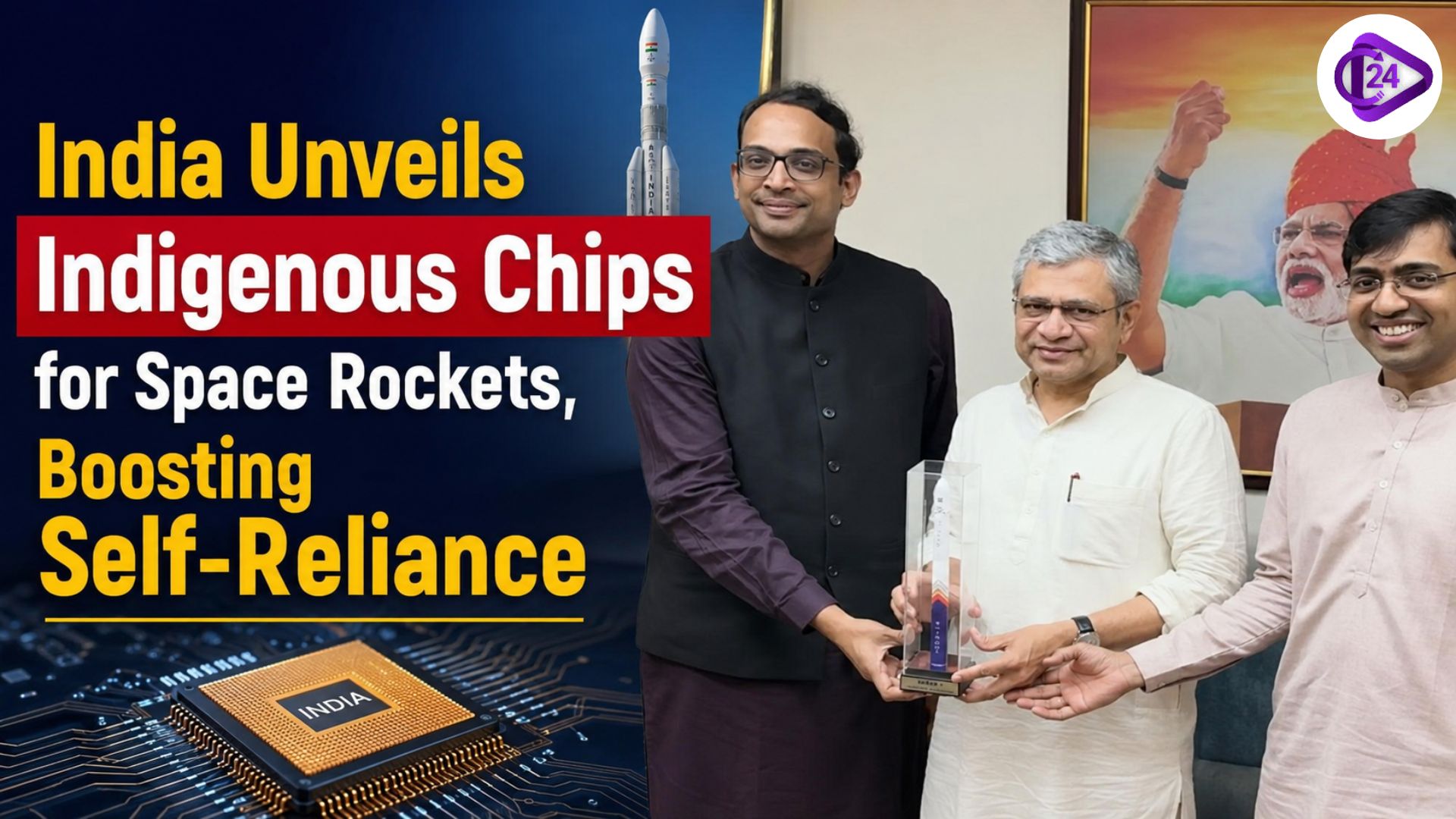
ISRO Successfully Conducts Second Short Hot Test of Semicryogenic Engine

ISRO works to create its semicryogenic engine that will boost the launch vehicle payload capabilities. A systematic evaluation process is running the semicryogenic propulsion system through tests, which ensure operational readiness for future deployment. ISRO is actively working on NISAR preparations while demonstrating dual advancements in satellite and propulsion technologies through its parallel research.

Context:

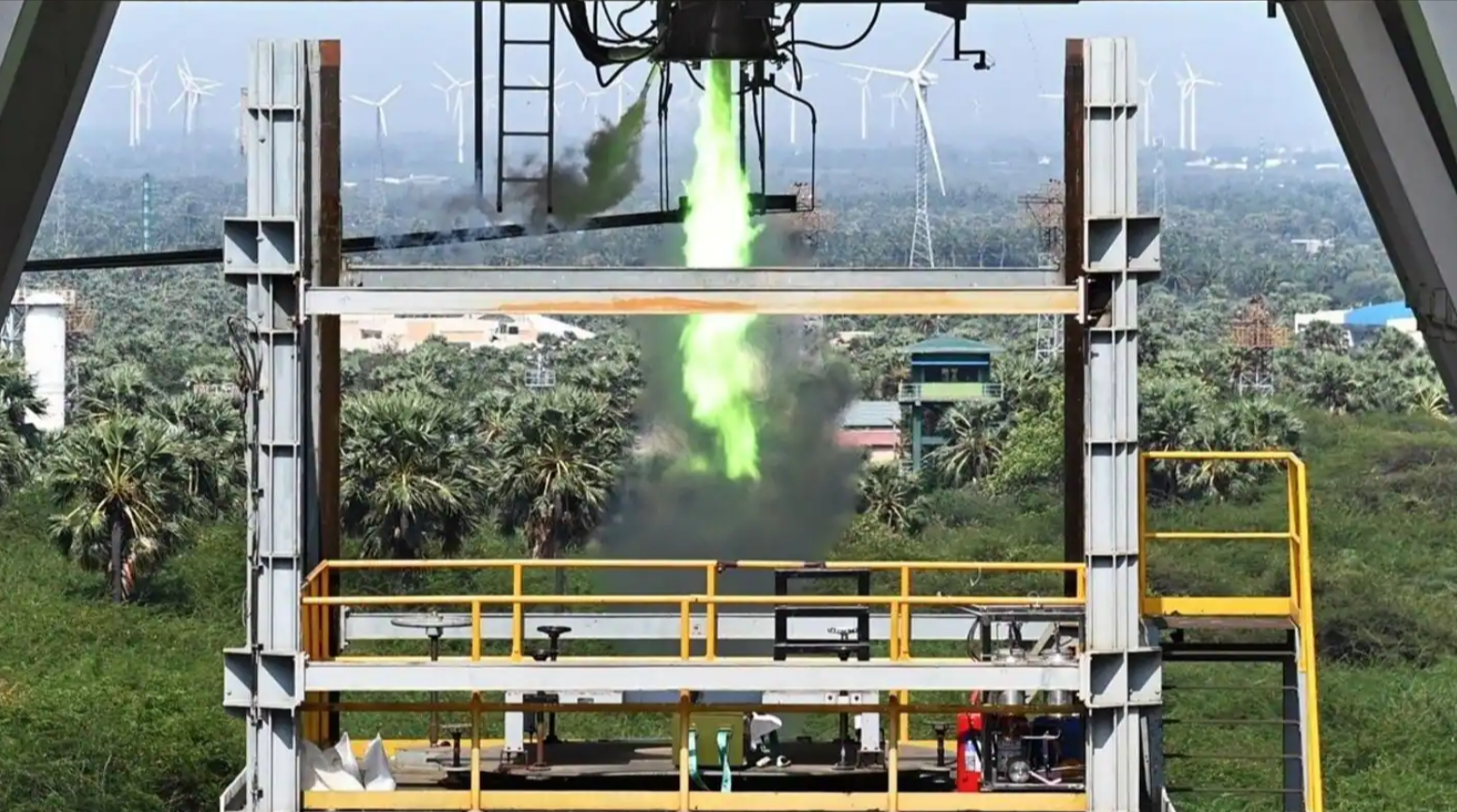
  • ISRO reached another achievement supporting its semicryogenic engine hot test at ISRO Propulsion Complex (IPRC), Mahendragiri on April 24, 2025. 

  • The second significant achievement was realized after the original hot test on March 28, 2025. 

  • The confirmation of engine design integrity serves for its application within ISRO launch vehicles. 

  • The space agency ISRO initiated its launch operations for the NASA-ISRO NISAR satellite through GSLV-F16 simultaneously.

Key Points:

Semicryogenic Engine Test Details:

  • Test Date: April 24, 2025.

  • Facility: ISRO Propulsion Complex (IPRC), Mahendragiri.

  • Test Duration: 3.5 seconds.

  • This test evaluated the Power Head Test Article Engine (without the thrust chamber) at its examination site.

  • Operation reached 60% of rated power level and showed stable ignition alongside stable performance.

Significance of the Tests:

  • The testing confirmed the startup process while monitoring operational reliability.

  • The assessment of the low-pressure and high-pressure turbo pumps as well as the pre-burner and all their controlling components proved critical.

  • The gathering of data will contribute toward establishing the final operational sequence of the whole engine system.

Next Steps:

  • Comprehensive qualification tests are planned.

  • Successful engine validation procedures will enable ISRO to use semicryogenic engines in their future launch vehicle designs.

ISRO launched the NISAR Satellite through Parallel Progress

  • NISAR (NASA-ISRO Synthetic Aperture Radar) satellite: A collaborative Earth observation mission between NASA and ISRO.

  • Launch Vehicle: GSLV-F16.

  • On March 24 2025, GS2 of GSLV performed its second stage launch from IPRC towards its destination at Sriharikota.

  • The launch campaign for NISAR has started its operations at Sriharikota.

About Semicryogenic Engines

What are Semicryogenic Engines?

  • The semicryogenic engine uses two different fuels which include Liquid oxygen (LOX) as well as refined kerosene (RP-1).

  • The engine serves as thrust producer for booster stages operating in heavy-lift launch vehicles.

Advantages of Semi-Cryogenic Engines:

  • The combination of LOX-RP1 produces a stronger density impulse when compared to rocket propulsion engines that use LOX-liquid hydrogen.

  • Single-stage rocket performance is enhanced by RP-1 because it delivers better economics and simplicity in operations when compared to liquid hydrogen usage.

  • The storage requirements of RP-1 remain uncomplicated because it performs adequately at standard room temperature.

Development and Application:

  • ISRO develops the semi-cryogenic engine to improve the LVM3 launch vehicle and future NGLV spacecraft as well as their heavy-lift capabilities and operational efficiency.

Difference Between Semi-Cryogenic Engine and Cryogenic Engine

Feature

Semi-Cryogenic Engine

Cryogenic Engine

Fuel Type

Refined kerosene (RP-1) and liquid oxygen (LOX)

Liquid hydrogen (LH2) and liquid oxygen (LOX)

Fuel Storage

Kerosene can be stored at ambient temperatures

Liquid hydrogen requires cryogenic storage at very low temperatures

Density Impulse

Higher, due to LOX and RP-1 combination

Lower, due to LOX and LH2 combination

Cost

More cost-effective, cheaper fuel (kerosene)

More expensive, due to storage and handling of liquid hydrogen

Efficiency

Higher density impulse, improved performance

Higher specific impulse, but more complex and expensive system


Conclusion:

ISRO reached a major milestone with its successful brief hot tests of the semicryogenic engine because these tests strengthened local propulsion capabilities for upcoming heavy-lift satellite launches. The active preparations for NISAR satellite launch have led ISRO to solidify its position among major players in space exploration and Earth observation systems. The resulting progress enhances Indian space infrastructure and supports existing strategic and technological planning.

Sarvam AI Selected to Build India’s First Homegrown Sovereign AI Model Under IndiaAI Mission

The Union Cabinet-approved IndiaAI Mission devotes strategic resources to building India's AI system through investments in computer power together with research initiatives as well as dataset creation and applications development. India strives to build its own sovereign AI capabilities because it faces growing global competition, specifically from low-cost models such as DeepSeek from China, to protect data privacy and maintain both strategic independence and culturally tailored innovation.

Context:

  • Sarvam AI located in Bengaluru secured a position to develop the first native large language model (LLM) as a part of the IndiaAI Mission that received a ₹10,370 crore budget for the project. 

  • The project works to establish an independently developed and secure AI model suitable for Indian cultural context to enhance India's self-governance in the AI sector. 

  • The sovereign LLM developed by Sarvam AI will excel in both Indian languages as well as complex reasoning tasks and voice processing applications to achieve internationally competitive standards.

Key Points:

About the Sarvam AI Model Initiative:

  • Selected Entity: From the 67 original applicants, Sarvam AI received selection to proceed with their project.

  • Infrastructure Support: A six-month GPU infrastructure support is provided by three companies Yotta Data Services along with Tata Communications and E2E Networks which have allotted 4,000 high-end GPU units.

  • Model Scale: The 70 billion parameter model was created through the exclusive use of Indian talent while running on Indian infrastructure.

  • Language Focus: The project puts forth a detailed focus on both Indian language competence along voice processing functions.

Model Variants Under Development:

  • Sarvam-Large: It functions as the model of choice for processing demanding logical operations and complex generation operations.

  • Sarvam-Small: It represents a lean system that meets the real-time requirements of interactive applications.

  • Sarvam-Edge: Compact model for mobile and IoT devices (on-device AI processing).

Strategic Significance:

  • Establishes India's sovereign AI infrastructure.

  • All operations occur inside Indian borders, thus guaranteeing national data ownership.

  • The initiative develops diverse AI systems with Indian cultural sensitivity for national citizens, together with local businesses.

About the IndiaAI Mission:

  • The program strives to increase AI processing power while making AI technology accessible to all users nationwide while enhancing AI trustworthiness standards.

  • Offers globally competitive, subsidized GPU access to startups, researchers, and institutions.

  • The initiative aims to develop native Indian AI experts who can excel against global competitors.

Challenges Ahead:

  • The project deals with processing data collections that include various languages and dialects from India.

  • The development of secure AI systems along with efficient models that accept cultural patterns of the targeted region.

  • The implementation strategy requires organizations to achieve optimum security alongside innovation capability and adaptability while avoiding the open sourcing of fundamental assets.

Conclusion:

India officially transitioned into a nation that creates AI through Sarvam AI's selection in the IndiaAI Mission. India leads ethical and strategic AI innovation because this initiative strengthens its expertise through indigenous capabilities and management of sovereign data and culturally embedded AI systems. If Sarvam continues its success trajectory, it will create possibilities for AI-based citizen services and Indian leadership in worldwide AI competitions and develop local enterprise solutions.

New NCERT Class 7 Social Science Textbook: Consolidated Format and Focus on Ancient India

The National Council of Educational Research and Training (NCERT) works to update school textbooks according to the National Education Policy 2020 and curriculum reforms for expert content organization. New textbooks have been made available for Classes 4 and 7 at the 2025-26 academic term. The decision to combine various Social Science subjects into one book focuses on knowledge integration and lowering educational text weights.

Context:

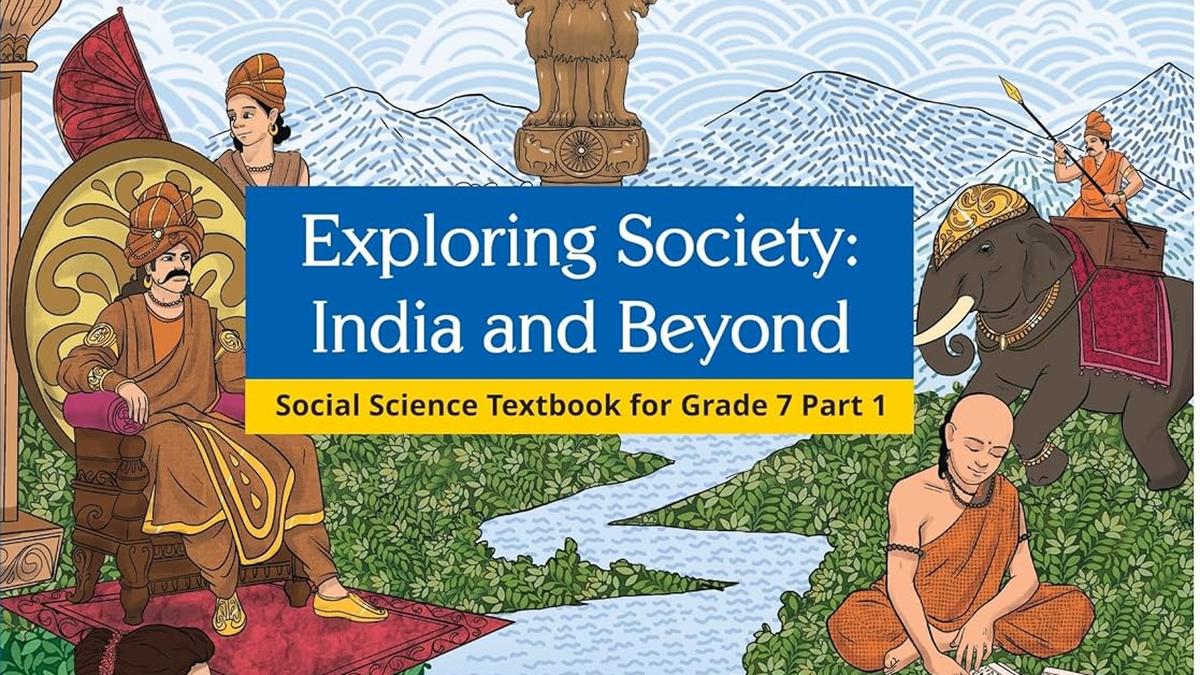
  • As part of the educational reform for the 2025–26 academic year the NCERT presents Exploring Society – India and Beyond (Part 1) which consolidates History, Geography along with Social and Political Life into a single textbook for 7th grade students. 

  • The textbook devotes its complete coverage to the Gupta period along with broad examination of early Indian history after eliminating previous content about medieval India from earlier editions. 

  • Part 2 of the curriculum will finish its execution within several months.

Key Points:

Integration of Subjects:

  • The Social Science book now unites and substitutes the previous trio of Our Pasts–II (History), Our Environment (Geography), and Social and Political Life (Civics/Political Science).

  • Structured around five themes:

    • India and the World: Land and the People

    • Tapestry of the Past

    • Our Cultural Heritage and Knowledge Traditions

    • Governance and Democracy

    • Economic Life Around Us

History Content Focus (Part 1):

  • The book covers historical events from 1900 BCE through the 6th–9th century AD up to the downfall of the Gupta Empire.

  • Emphasis on ancient Indian kingdoms: Janapadas, Mahajanapadas, Mauryas, Guptas, and southern dynasties like Cholas, Cheras, and Pandyas.

  • Introduction of ancient scholars and figures: Kautilya (Chanakya), Panini, Kalidasa, Aryabhata, and Varahamihira.

  • Cultural references like Nalanda University, Vishnu Purana prophecies, and the sacredness of land in Indian traditions.

  • Relevant pictorial material from bronze sculptures discovered at Bharhut Stupa, as well as Udayagiri caves, alongside ancient sculptures.

Changes Compared to Old Textbook:

  • Previous content: Started from the 7th century AD (Delhi Sultanate, Mughals, Medieval India).

  • New content: Most medieval sections were omitted for future inclusion in Part 2.

  • Use of Sanskrit: The insertion of Sanskrit lexemes with diacritical marks achieves accurate pronunciation together with cultural precision.

Highlights of Themes:

  • Extensive religious pilgrimage activities show how holy locations gain sacred value such as seen in Kumbh Mela events.

  • The new textbook eliminates previous discussions of foreign Muslim invasions to study Indian internal political transformations and knowledge traditions that emerged within the nation.

Controversy over NCERT Syllabus changes

Aspect

Details

Concerns Raised

Omission of Medieval History

Focus only on ancient India; medieval period (Delhi Sultanate, Mughals) deferred to Part 2.

Allegations of selective historical portrayal and erasure of Muslim contributions.

Emphasis on Ancient Heritage

Strong focus on ancient scholars, Sanskrit terms, Hindu traditions, and Indian knowledge systems.

Seen as promoting cultural nationalism and ignoring India's diverse history.

Subject Consolidation

History, Geography, and Civics merged into a single Social Science book.

Fears of loss of subject depth, reduced analytical skills development.

NEP 2020 Alignment

Changes justified under NEP 2020 goals of "Indianization" of education.

Critics argue it may prioritize political ideology over neutral education.

Future Coverage Uncertainty

Medieval history promised in Part 2 but not yet released.

Doubts about completeness, balance, and continuity in students’ historical understanding.


Part 2 Expectations:

  • The text will address the Delhi Sultanate and the Mughals while exploring later Indian historical periods.

  • The entire section of content related to Geography and Political Science needs to be finished.

Conclusion:

A drastic educational change has appeared in Class 7 NCERT Social Science textbooks that unite students' learning with the study of India's deep historical and cultural legacies. The textbook matches NEP 2020 objectives because it directs learning toward Indian traditions and emphasizes early civilizations and native developments. The second installment of the academic framework will finish the year by linking medieval and modern historical content.

India’s Triumph in Combating Poverty: 171 Million Lifted from Extreme Poverty

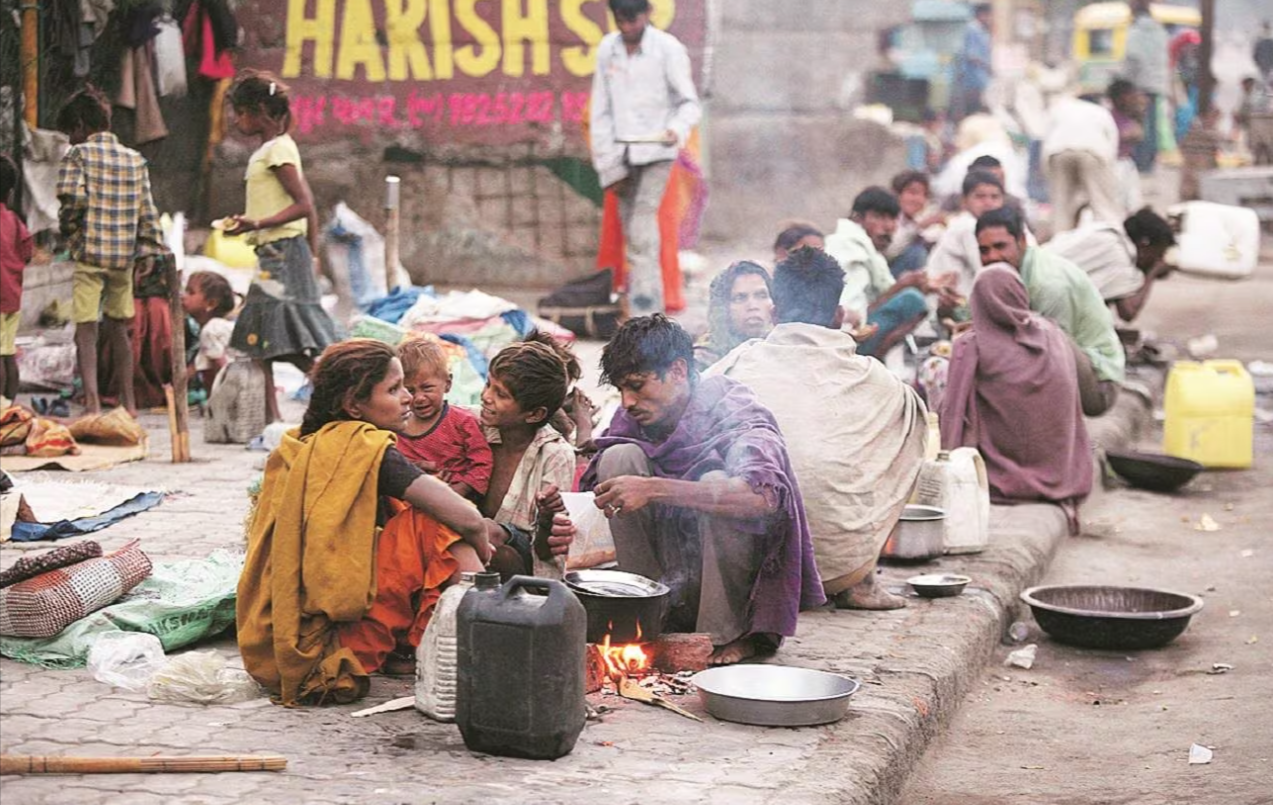
The World Bank issued its Spring 2025 Poverty and Equity Brief as a detailed overview of poverty and inequality throughout more than 100 countries that are developing. India stands among the most successful nations in recent history regarding poverty reduction miracles. The achievement stands out during worldwide attempts to achieve Sustainable Development Goal (SDG 1: No Poverty). The extreme poverty rate decreased from 16.2% in 2011-12 to 2.3% in 2022-23, according to recent statistics. The achievement of reducing poverty levels stems from universal development progress in both rural and urban areas, and robust employment opportunity expansion combined with welfare program interventions

Context:

  • During the last ten years World Bank identified India as a successful case that lifted 171 million citizens above extreme poverty conditions. 

  • A reduction of extreme poverty occurred from 16.2% during 2011-12 to 2.3% during 2022-23. 

  • Rural and urban-based progress, along with employment growth and specific welfare schemes, enabled this achievement.

Key Points:

Reduction in Extreme Poverty:

  • Alternate survey data indicates a major reduction of extreme poverty as the percentage of people living below $2.15 per day decreased from 16.2% (2011-12) to 2.3% (2022-23).

  • The number of extremely poor individuals in India dropped to 171 million.

Broad-Based Progress in Rural and Urban Areas:

  • Rural poverty fell from 18.4% to 2.8%.

  • Urban poverty dropped from 10.7% to 1.1%.

  • The gap between poverty levels between rural and urban areas decreased from 7.7% to 1.7% during the studied period.

Gains at Lower-Middle-Income Poverty Line ($3.65/day):

  • Overall poverty fell from 61.8% to 28.1%.

  • 378 million lifted out of poverty.

  • The overall poverty level decreased in both rural areas from 69% to 32.5% while urban areas went from 43.5% to 17.2%.

Role of Key States:

  • Two-thirds of all poverty relief occurred in Uttar Pradesh together with Maharashtra and Bihar along with West Bengal and Madhya Pradesh.

Decline in Multidimensional Poverty:

  • MPI fell from 53.8% (2005-06) to 16.4% (2019-21).

  • Multidimensional Poverty now at 15.5% in 2022-23.

Income Inequality Reduction:

  • The consumption-based Gini measurement showed improvement from its initial value of 28.8 to reach 25.5.

Employment and Workforce Trends:

  • Post-2021, the employment rate increased more rapidly than the working-age population expansion.

  • Current urban unemployment stands at 6.6% during the first quarter of the economic year 2024-2025, marking the most significant decline since 2017-18.

  • Increased self-employment, particularly among women and rural workers.

About Poverty in India

Meaning of Poverty:

  • Defination: A person lacks the means to obtain necessary resources needed for a standard level of living.

  • Multidimensional: Includes lack of income, education, healthcare, and social mobility opportunities.

Classification of Poverty:

  • This level of poverty describes the inability to satisfy the fundamental life requirements including food together with shelter and appropriate clothing.

  • Relative Poverty: Economic inequality relative to others within a society.

Measurement of Poverty:

  • Poverty Line: Minimum income or consumption threshold.

  • The Multidimensional Poverty Index (MPI) serves to evaluate the nature of health and education and living standard deprivations.

  • Gini Coefficient: Measures income inequality.

Causes of Poverty:

  • Economic Factors: Low income, unemployment, lack of industrialization.

  • The factors that stem from social inequalities include caste, gender and ethnic discrimination which combine with restricted educational opportunities.

  • Health Challenges: Poor health, high medical costs.

  • Geographic and Environmental Factors: Natural disasters, droughts, urban-rural divide.

  • Governance and Policy Gaps: Corruption, poor infrastructure investment, weak social security systems.

Impact of Poverty:

  • Health: Increases disease vulnerability and malnutrition.

  • Education: Reduces literacy and employability.

  • Economic Growth: Lowers productivity and national development.

  • Increased deprivation and social agitation appear as direct consequences of unstable social conditions.

  • Various economic difficulties transfer from one generation to another as poverty continues throughout extended periods of time.

Global and National Efforts to Alleviate Poverty:

  • United Nations:

  • The United Nations aims to eliminate all kinds of poverty worldwide before 2030 through SDG 1.

  • Government of India Initiatives:

  • MGNREGA: Employment guarantee in rural areas.

  • PMJDY delivers financial access to all through bank accounts.

  • NFSA: Subsidized food grains for the poor.

  • Skill India Mission: Vocational training and skill development.

  • International Organizations:

  • World Bank: Poverty reduction programs.

  • IMF: Financial aid and policy support.

Challenges in Poverty Alleviation:

  • Population growth straining resources.

  • Urbanization leading to slum proliferation.

  • Climate change increasing vulnerability.

  • Global economic disruptions (e.g., pandemics).

  • Inefficient policy implementation and corruption.

Strategies to Address Poverty:

  • Economic Development: Inclusive growth, technology adoption, microfinance.

  • Social Interventions should focus on improving education and on providing healthcare services to every citizen.

  • The development of infrastructure requires better connectivity together with adequate housing and utilities.

  • Good Governance: Transparent, accountable policymaking.

  • Environmental Sustainability: Climate-resilient infrastructure, renewable energy.

Conclusion:

The reduction of poverty throughout India stems from focused government initiatives and economic reforms and grassroots welfare programs. The development process has achieved three important outcomes as it brings rural and urban areas closer together and reduces poverty gaps while creating more job,s particularly for women. The progressive outcomes create several fundamental opportunities for India to speed up its efforts against poverty and inequality on its way to becoming a developed nation by 2047.

Mahuadanr Wolf Sanctuary: India’s First and Only Wolf Sanctuary

The protection effort regarding India's top predators is getting stronger as the growing dangers of habitat destruction, alongside poaching and human-animal conflicts. The Indian grey wolf is an example of showcasing biodiversity importance by extending beyond the conservation focus on tigers and elephants. The strategic importance of the  Mahuadanr Wolf Sanctuary continues to grow as the country has established the Bankapur Wolf Sanctuary as its second dedicated wolf protection area.

Context:

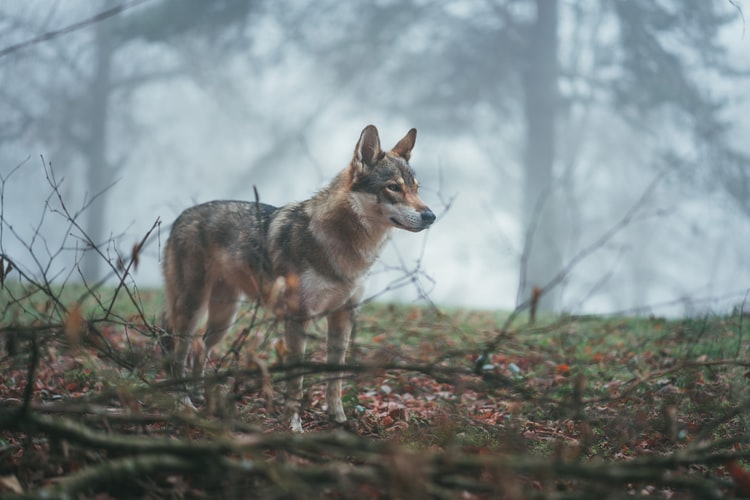
  • The Indian grey wolf (Canis lupus pallipes) finds its protection base at Mahuadanr Wolf Sanctuary in Jharkhand, which stands as India's initial and sole wolf-dedicated sanctuary. 

  • This protected sanctuary was founded in 1976 to sustain an endangered animal species that belongs to multiple wildlife protection programs in national and international realms. 

  • This sanctuary plays an important role in maintaining the ecological system of the Palamau Tiger Reserve.

Key Points:

  • Location: Latehar district, Jharkhand.

  • Area: Approximately 63 square kilometers.

  • Established: The protection of Indian wolves gained recognition in 1976.

  • Affiliation: Part of the Palamau Tiger Reserve.

  • Major Species: The sanctuary is home to four principal species, including the Indian grey wolf, spotted deer, wild boar, hyena, and bear.

About Indian Grey Wolf:

  • Subspecies of grey wolf (Canis lupus pallipes).

  • Smaller pack size, less vocal, primarily nocturnal.

  • The species exists within semi-arid regions, together with grasslands along scrublands.

Conservation Status:

  • IUCN Red List: Endangered (Population in India: 2,000–3,000).

  • CITES: Appendix I (highest international protection).

  • The Indian grey wolf has the maximum legal protection under Schedule I of the Wildlife Protection Act, 1972.

Conclusion:

The Mahuadanr Wolf Sanctuary works as an important center for protecting Indian grey wolves from extinction since it demonstrates India's dedication to safeguarding its wildlife diversity. The general decline of India's threatened species calls for expanding existing wildlife conservation programs that guarantee their well-being.

Frequently Asked Questions (FAQs)

The current affairs cover recent national and international events related to UPSC, SSC, Banking, Railways, and State PCS.

You need to read about the current affairs daily, and revise them every week and every month to keep them longer in your memory.

Yes, Class24 provides free downloadable Daily Current Affairs PDFs for easy revision.

Yes, you can practice MCQs and quizzes to boost your exam preparation.

Absolutely. The content is written in simple, easy-to-understand bilingual language suitable for beginners.

Go to class24.com and click on the current affairs section directly, where you find everything that you need.

ssc-toppers

Start Learning Today with Class24

Related current affairs

Class24 offers free video lectures for smart preparation, covering CGL, CPO, CHSL, MTS, and GD exams. Learn from expert faculty, revise concepts easily, practice with PYQs, and improve speed and accuracy through high-quality, exam-focused video lessons anytime, anywhere.

Get success in your hand. Start study anytime anywhere.

The journey becomes simple and enjoyable when you start taking interest in it. And through our app “Class24”, we will be your trusted partners in developing that interest.

Daily Quizzes
Mock Tests
Ongoing

No ongoing tests right now.