

Day: March 25, 2025

India to Conduct Joint Naval Exercise ‘Aikeyme’ with 10 African Nations

The future exercise ‘Aikeyme’ will bring together 10 African countries for their inaugural large-scale maritime operation under Indian leadership. India operates this initiative as a strategic African policy along with regional counter-chinese influence efforts. The Indian Navy continuously monitors security threats which include violent actions from Somali pirates and Houthi rebels operating within the Indian Ocean.

Key Details of Exercise ‘Aikeyme’

  • Location: Off Dar-es-Salaam, Tanzania

  • Dates: April 13-18, 2025

  • Participants: India, Tanzania (co-host), Comoros, Djibouti, Eritrea, Kenya, Madagascar, Mauritius, Mozambique, Seychelles, and South Africa

  • Inauguration: By Defence Minister Rajnath Singh

Focus Areas:

The maritime force will practice Visit Board Search and Seizure operations they need to conduct during VBSS drills.

  • Arms firings

  • Helicopter operations

  • Seamanship evolutions

  • Search and rescue missions

  • Anti-piracy operations

  • Information-sharing and command post exercises

Strategic Importance

  • The collaboration enhances maritime security agreements between India and several African countries.

  • India confirms its role as the security leader and emergency response force for the Indian Ocean Region (IOR).

  • The exercise plans to repeat every two years yet West African nations will participate in upcoming editions.

  • The exercise promotes implementation of the ‘SAGAR’ vision (Security and Growth for All in the Region) as well as the ‘Mahasagar’ initiative (Mutual and Holistic Advancement for Security Across the Regions).

Indian Ocean Ship (IOS) Sagar Initiative

  • Two naval initiatives became operational at the same time with ‘IOS Sagar’ joining ‘Aikeyme’ as Indian Navy programs.

  • Deployment: April 5 – May 8, 2025

Warship: INS Sunayna

  • The engagement will unite ship and air elements of Sri Lanka, Maldives, Mauritius, Comoros, Kenya, Madagascar, Mozambique, Seychelles and South Africa.

Activities:

  • Joint surveillance of Exclusive Economic Zones (EEZs) of Tanzania, Mozambique, Mauritius, and Seychelles

  • The naval forces will visit the shipping ports of Dar-es-Salaam, Nacala, Port Louis, Port Victoria and Male.

  • The training program received 44 military personnel from various nations who came to Kochi for education.

Maritime Security Collaboration

Security forces in India together with their African partner nations understand maritime security’s value and intend to strengthen their collaboration against maritime threats including:

  • Piracy

  • Drug smuggling

  • Human trafficking

  • Illegal maritime activities

Conclusion

India takes meaningful strides to enhance naval bilateral agreements with African states through the ‘Aikeyme’ exercises and the ‘IOS Sagar’ program. These maritime initiatives both strengthen India’s security at sea along with enhancing defense alliances with primary countries operating in the Indian Ocean region.

First-Ever Export of Anthurium Flowers from Mizoram to Singapore

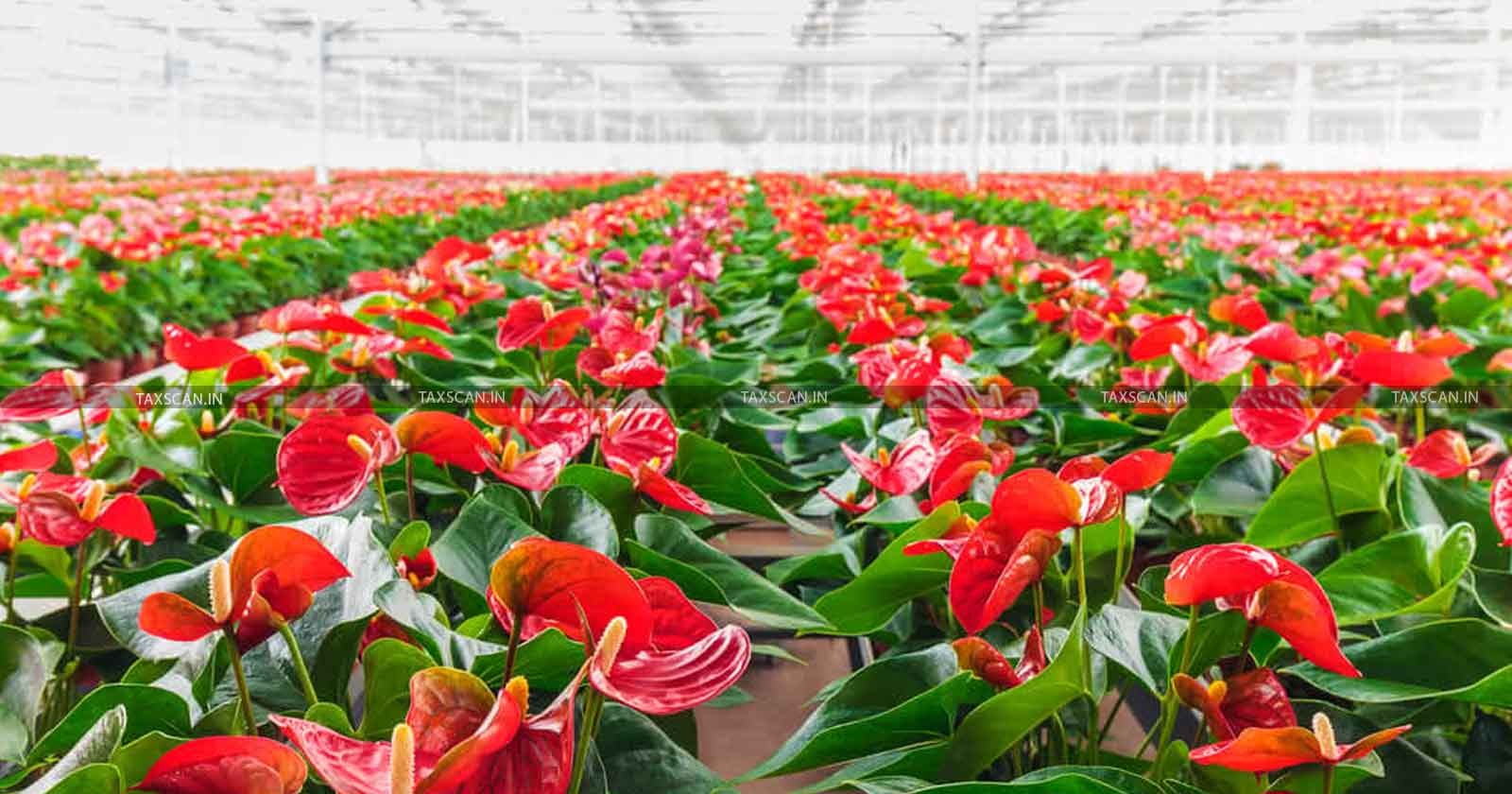
The floriculture sector of India achieved a historic achievement by making the inaugural export of Anthurium flowers from Mizoram to Singapore. This export project initiated by APEDA together with the Department of Horticulture and Government of Mizoram demonstrates the export capabilities of the North Eastern Region (NER). This 1,024 flower export demonstrates Mizoram's floriculture success and creates new economic advantages that specifically benefit female farmers who run businesses.

Introduction:

  • The floriculture sector of India achieved a historic achievement by making the inaugural export of Anthurium flowers from Mizoram to Singapore. 

  • This export project initiated by APEDA together with the Department of Horticulture and Government of Mizoram demonstrates the export capabilities of the North Eastern Region (NER)

Export Details:

  • Anurthium flower exports from Mizoram reached Singapore for the very first time.

  • The export operation received support from the Department of Horticulture, Government of Mizoram together with APEDA

Significance of Anthurium Cultivation in Mizoram:

  • Acts as a key economic driver, particularly benefiting women entrepreneurs.

  • The Anthurium Festival's annual implementation organizes campaigns to promote tourism and spread understanding about its ornamental features throughout Mizoram.

Anthurium Plant Details:

  • Native Region: Americas, from northern Mexico to northern Argentina and parts of the Caribbean.

  • The plant cultivation in India spreads throughout Mizoram and additional Northern Eastern states.

  • The growth habit consists of herbaceous plants which develop either as epiphytes or terrestrially.

  • Inflorescence: Consists of a spadix and colorful spathe (red, pink, orange, and other colors).

  • The berries of this species develop seeds after reproduction.

  • Consumers must be aware of its toxic nature because of calcium oxalate crystals which also causes skin and eye irritation through the plant sap.

Background Event:

  • An export victory will take place after the International Conclave cum Buyer-Seller Meet (IBSM) event occurs in Aizawl on December 6, 2024.

  • The trade event included 9 Singaporean, United Arab Emirate and Nepalese as well as Jordanian, Omani, Azerbaijani, Russian, Ethiopian and 24 domestic exporter participants.

  • APEDA worked to create market connections for the floriculture sector of Mizoram.

India’s Floriculture Export Potential:

  • The floriculture exports of India reached USD 86.62 million throughout FY 2023-24.

  • The horticultural and floricultural export markets hold substantial potential in the NER region.

APEDA’s Role:

  • APEDA serves as a statutory body of the Ministry of Commerce & Industry working to globally promote Indian agricultural food exports as well as processed food products through its operations.

Conclusion:

Anthurium flower exports from Mizoram to Singapore represent a major milestone that advances both Indian floriculture operations and the North Eastern Region’s expansion potential. APEDA’s initiative successfully enhances both agricultural export potential for India while building economic growth opportunities for local farmers alongside women entrepreneurs. The continued backing of the floriculture export market alongside extension in market regions will transform the North Eastern Region into a primary floriculture export center that helps grow India's international trade reach.

Colossal Food Wastage: A Global Crisis That Demands Immediate Action

The world faces an urgent food wasting problem which generates multiple severe environmental effects and creates economic and social challenges. The United Nations Environment Programme’s Food Waste Index Report (FWIR) 2024 shows that food waste during 2022 amounted to 1.05 billion tonnes while food availability reached 5.49 billion tonnes. India stands as one of the leading nations in food waste generation through the annual household waste of 55 kilograms per person. Petty food waste amounts reach unacceptable levels because of logistical problems in marketing food and through inefficient storage systems and through wasteful consumer practices. The solution of food waste management stands vital for environmental and economic protection and security of the food supply and United Nations sustainability goals.

Key Points:

Distinction Between Food Wastage and Food Loss:

  • Food wastage indicates improper disposal of food at retail outlets and households but food loss represents disposal that occurs throughout the production and distribution process.

  • The extensive demographic in India intensifies overall waste consequences because it results in severe economic and ecological harm.

The Scale of the Problem:

  • Throughout the world we waste trillion-dollar value of food each year even though 783 million people continue to suffer from food shortages.

  • Every year India loses 78 million tonnes of food while its population exceeds 200 million individuals who lack secure access to food.

  • The disposal of household waste represents a significant part of total discard mainly due to purchasing more than necessary and storage problems along with cultural food practices.

Reasons for Food Wastage at the Household Level:

  • Careless attitude towards food and a misconception of food abundance.

  • Among cultural patterns human beings interpret a bulky plate as an indicator of financial abundance.

  • users of Zomato and Swiggy food delivery platforms tend to give numerous orders that result in wasted food products.

  • Food waste occurs from neglectful meal preparation methods and spontaneous shopping habits that lead to superfluous buying and food loss.

Food Wastage at Social Gatherings:

  • Large-scale food wastage at weddings, festivals, and social events due to over-preparation.

  • The practice of showing status through feigned wealth in food preparation results in excessive offering and food disposal.

  • The concurrent social expectation to provide generous food portions together with apprehension about possible shortages causes people to prepare excess food.

  • Event organizers together with their caterers and guests do not properly coordinate their activities which results in substantial food waste.

Environmental Impact:

  • The production of food requires large amounts of land, water and energy thus unnecessary waste of food results in excessive resource depletion.

  • The production of food waste leads to 8%-10% of global greenhouse gas emissions which mainly come from landfill-produced methane.

  • The annual water waste associated with food waste measures 100 million swimming pools in volume.

  • Food wastage increases following climate changes which damages agricultural outputs and breaks down distribution systems while modifying dietary substances.

Social and Economic Implications:

  • Food waste throughout India prevents the country from reaching its Sustainable Development Goals, especially Zero Hunger (SDG 2) and Responsible Consumption (SDG 12.3).

  • Inefficiencies in storage and transportation cause post-harvest losses, affecting farmers’ incomes.

  • Food waste in India amounts to ₹1.52 lakh crore ($18.41 billion) which affects the overall development of the agricultural sector.

Urban-Rural Divide and Climate Change:

  • Rapid urban living patterns generate higher food waste amounts because residents eat away from home often and do not consistently learn food saving techniques.

  • The feeding and reusing of food leftovers occurs frequently in rural areas because residents transform food waste into animal feed or new dishes.

  • The preservation methods used by traditional rural communities help decrease food waste.

  • Climate change drives food insecurity because it creates rising heat combined with irregular monsoon patterns and intensified weather extremes that destroy supply systems.

Suggestions

  • Residential Strategies for Improving Food Waste Reduction Include planning meals efficiently, improving storage methods, transforming unused portions into new dishes, conducting compost activities and contribution for food donations.

  • Systemic Reforms Demand investment into cold storage facilities along with transport infrastructure and policy-backed food redistribution systems and resource reduction policies.

  • Government and Business Initiatives: Expansion of the Pradhan Mantri Kisan Sampada Yojana (PMKSY), public-private partnerships, and startup-driven innovations in food supply management.

  • The development of sustainable food systems and global food loss reduction receives support through international collaborations between FAO and UNEP.

Conclusion

The reduction of food wastage remains essential for reaching global food security needs and preserving the environment while driving sustainable economic development. Sustainable food management requires government agencies to unite operational efforts with private sector organizations and private citizens as they enhance resource preservation against unnecessary waste while adopting ethical food consumption habits. Collaborative work among different entities will allow food preservation while maximizing resources and eliminating hunger to create an equitable sustainable future.

DBT Advances TB Genomic Sequencing: A Step Towards Eliminating Tuberculosis in India

Using their "Dare2eraD TB" initiative the Department of Biotechnology (DBT) has concluded sequencing 10,000 tuberculosis (TB) genome samples while they aim to finish a total of 32,500 genome sequences before November 2025. A group of researchers works to gain better insights about drug-resistant TB while building new diagnostic methods. The initiative serves as a vital component to eliminate TB from India by 2025 which represents five years earlier than the WHO's target date.

Key Points:

  • The "Dare2eraD TB" program launched its operations in 2022 for the purpose of sequencing 32,500 TB genome samples to obtain drug-resistant strain information about their genetic makeup.

  • 10,000 samples have undergone sequencing since March 2025 which showed drug resistance in 7% of studied cases among patients who only took one anti-TB medication.

  • 9 laboratories managed by DBT, CSIR, and ICMR work together in the Indian Tuberculosis Genomic Surveillance consortium to support the initiative.

  • The elimination mission faces great urgency because India leads global TB cases at 28% along with 1,990 cases per million population in 2022.

  • The ongoing spread of tuberculosis becomes worse because of patients who carry the infection without symptoms yet remain contagious in combination with Multi-Drug Resistant strains being a persistent concern.

  • Through combined technologies of AI and genome sequencing India could achieve a one-week detection time instead of the current three weeks thus improving both diagnosis and beginning of treatment.

  • Statistics show that people between 18-45 years old make up the majority of TB cases and diabetes victims and persons suffering from malnutrition show a direct association to TB transmission.

What is Tuberculosis?

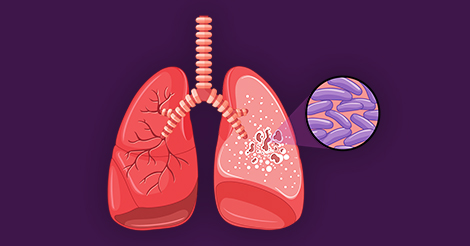
  • An infectious disease called Tuberculosis mainly impacts human lungs through bacterial infections of the Mycobacterium tuberculosis microorganism.

  • Transmission: The bacteria get transmitted through breathing in air particles that contain infected droplet nuclei from coughing, sneezing or spitting events.

  • Symptoms: Prolonged cough (sometimes with blood), chest pain, weakness, fatigue, weight loss, fever, night sweats.

  • Affected Organ: TB infects lungs as its main target organism yet it may spread toward brain spine skin and kidney tissue.

  • Treatment: Anti-TB antibiotics serve as the curative and preventive treatment for this condition.

  • TB Vaccine: The Bacillus Calmette-Guérin (BCG) vaccine stands as the sole TB protection because it helps prevent serious TB manifestations in new-borns and young children.

Data Point


  • Global: The latest statistical data shows that each year 8.2 million people develop TB infections making it the leading infectious disease mortality worldwide above COVID-19.

  • India: 2023 statistics indicate that India holds the world’s highest tuberculosis burden that includes 2.8 million diagnosed cases.

  • India alone accounted for 26% of global cases and 29% of global TB deaths (315,000 deaths).

  • India is followed by Indonesia (10%), China (6.8%), the Philippines (6.8%), and Pakistan (6.3%).

  • Multi-drug-resistant tuberculosis cases in India make up 27% of all global MDR-TB cases thus requiring specialized treatment protocols for this health problem.

Challenges Faced by India in Eliminating TB

  • Drug-resistant tuberculosis remains a severe challenge in India because the nation faces substantial cases of multidrug-resistant tuberculosis that need distinctive treatment procedures extending beyond standard TB periods.

  • Limited tool availability: Medical detection and diagnostics suffer from limited tool availability which obstructs healthcare workers from implementing newer diagnostic standards.

  • Poor Infrastructure: Rural and remote areas have insufficient healthcare facilities which delays both diagnosis and treatment services.

  • Lack of Awareness: Substance stigma forces patients to wait in seeking healthcare while inadequate public awareness permits the disease to persist.

  • Private Sector Involvement: Successful TB control requires public healthcare providers to work hand in hand with private sector entities for coordination.

  • Treatment adherence: TB treatment extends over multiple months with antibiotics which presents difficulties to patients in following their prescribed medication plan.

  • Vulnerable Populations: The risk for tuberculosis infection is much higher among vulnerable population groups including people who work as migrants and those who live in urban slums.

Steps Taken by the Government of India to Eliminate TB

  • 100-Day Intensified Campaign: Union Health Minister Shri JP Nadda to Launch 100-Day Intensified Campaign to Address TB Incidence and Mortality in India on 7th December, 2024 in Panchkula, Haryana

    • This nationwide program targeting thirty-three States and Union Territories was developed to detect more TB cases more quickly and deliver better treatment results. 

    • The Indian government intends to eliminate tuberculosis (TB) by 2025 before achieving the global goal of eliminating it by 2030.

  • Revised National Tuberculosis Control Program (RNTCP) launched its operations in 1997 as an ongoing intervention system to control tuberculosis nationwide.

  • National Tuberculosis Elimination Program (NTEP) : Indian health services implement the National Tuberculosis Elimination Program (NTEP) as a strategy to achieve TB elimination in India during the period of 2017-25 through the National Strategic Plan.

  • Pradhan Mantri TB Mukt Bharat Abhiyan (PMTBMBA): The 2022-launched Pradhan Mantri TB Mukt Bharat Abhiyan (PMTBMBA) delivers extra healthcare services including nutrition support and examinations and trade education for TB patients.

  • Universal Drug Susceptibility Testing (DST): It enables healthcare providers to identify resistant strains of TB which allows for specific therapeutic solutions to be prescribed.

  • Ni-kshay Portal: The Ni-kshay Portal functions as an online system which monitors every notified TB case.

  • New Drugs: The government now includes Bedaquiline and Delamanid drugs within its free treatment regimen for patients diagnosed with drug-resistant TB.

  • Research: The research sector explores alternative anti-tubercular drug therapies that can run between three or four months instead of the traditional six-month course.

  • Vaccine Development: Scientists conduct trials to evaluate the new tuberculosis vaccines Immuvac and VPM1002 because they show more effective protection.

Suggestions

  • National organizations should create guidelines for TB prevention and care programs and foster their deployment throughout India.

  • The organization should develop along with promoting research-backed strategies to prevent and control TB infections.

  • The TB epidemic should be monitored through reports that cover funding along with implementation status at global, regional and national levels.

Conclusion:

The "Dare2eraD TB" initiative takes a crucial step against TB in India through AI-powered genomic sequencing for combating drug-resistant strains. The sustained progress in India will enable reaching the nation's goal of eliminating TB by 2025 while establishing possible guidelines for global tuberculosis control programs. The achievement of long-term success requires tackling both asymptomatic carriers and multi-drug resistance.

Frequently Asked Questions (FAQs)

The current affairs cover recent national and international events related to UPSC, SSC, Banking, Railways, and State PCS.

You need to read about the current affairs daily, and revise them every week and every month to keep them longer in your memory.

Yes, Class24 provides free downloadable Daily Current Affairs PDFs for easy revision.

Yes, you can practice MCQs and quizzes to boost your exam preparation.

Absolutely. The content is written in simple, easy-to-understand bilingual language suitable for beginners.

Go to class24.com and click on the current affairs section directly, where you find everything that you need.

ssc-toppers

Start Learning Today with Class24

Related current affairs

Class24 offers free video lectures for smart preparation, covering CGL, CPO, CHSL, MTS, and GD exams. Learn from expert faculty, revise concepts easily, practice with PYQs, and improve speed and accuracy through high-quality, exam-focused video lessons anytime, anywhere.

Get success in your hand. Start study anytime anywhere.

The journey becomes simple and enjoyable when you start taking interest in it. And through our app “Class24”, we will be your trusted partners in developing that interest.

Daily Quizzes
Mock Tests
Ongoing

No ongoing tests right now.