
Day: March 10, 2025

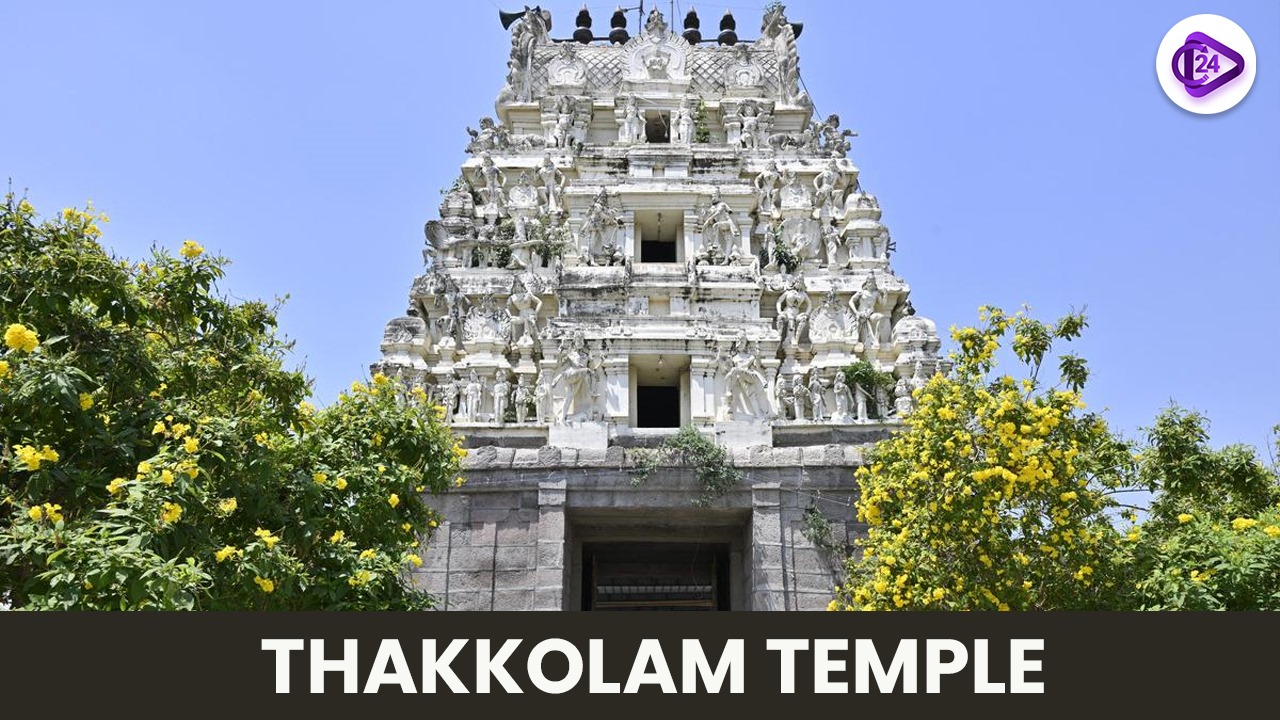
Thakkolam Temple: A Forgotten Tamil Heritage in Urgent Need of Restoration

The Jalanatheswarar Temple at Thakkolam in Tamil Nadu stands as an important historical and cultural site having started its existence in the 6th century Pallava period. The site exists in a deteriorated condition because its northern wall has fully collapsed and the temple tank remains abandoned. Multiple dynastic inscriptions starting from the Pallava and Chola ages emphasize the temple's importance so its urgent restoration becomes critical. The people of the world now focus on Thakkolam after the CISF Recruits Training Centre received its new name to honor Rajaditya Chola and his deeds during the Battle of Thakkolam in 949 CE. The temple contains abundant historical records which provide important evidence for understanding the history of the Chola dynasty.

Key Points

Historical Significance

  • The Pallavas built the temple in the 6th century AD yet it contains historical writings from three distinct dynasties: the Pallavas as well as the Cholas and the Chalukyas.

  • The historical site received its initial name Thiruvural according to lyrical hymns dedicated to Saivite minstrels.

  • Chronological events of the Chola dynasty are revealed through royal inscriptions from both Aditya I and Rajakesari and other Chola monarchs.

  • The Chalukya ruler Vimaladitya renamed the town to Thakkolamana Thiruvuralpuram after he married Kundavai daughter of Rajaraja Chola.

Architectural and Epigraphical Importance

  • 51 inscriptions inside the temple outline donations of land combined with cattle and precious metal.

  • Editions written in the Chola period mention the deity by the name Thiruvuralkattrali Mahadeva.

  • The historian K.A. Nilakanta Sastri used information from Thakkolam inscriptions to identify the specific time when Aditya I and other Chola rulers ruled.

Current State and Restoration Needs

  • A collapse has affected the northern outer wall of the temple while the temple tank exists in a state of abandonment.

  • The temple faces structural danger because vegetation has taken over the tank area and accumulated debris surrounds it.

  • The temple needed its last kumbabishekam ceremony which is a consecration ritual over 15 years back.

  • The Hindu Religious and Charitable Endowments (HR&CE) Department needs to grant approval for restoration.

Dravidian Style and Evolution

  • The Pallavas created the architectural movement which later became known as Dravidian style throughout South Indian territories.

  • The Pallava architects developed their temple design through several phases starting with rocky temples and extending to monolithic temple columns then finishing with permanent temple structures.

Notable Temples and Structures under Pallavas

  1. Shore Temple (Mahabalipuram)

    • Built by Narasimhavarman II.

    • Through Western explorers this complex received its name of Seven Pagodas.

    • Features:

      • The temple exists as a construction from granite blocks instead of rock-cut architecture.

      • Three shrines comprise Shiva shrines and one Vishnu shrine with its reclining form.

      • Lion Monolith consists of a Durga image emerging from a partly finished lion sculpture at its rear.

      • UNESCO World Heritage Site.

  2. Temple (Kanchipuram)

  • The temple received its construction at the hands of Narasimhavarman II following the completion of Shore Temple.

  • Features:

  • Largest sandstone temple.

  • Rectangular courtyard with peristyle complex.

  • Main shrine: Houses a 16-sided Shivalinga (black granite).

  • 58 devakulikas (mini shrines) around the temple.

  • The temple contains different royal titles which refer to Narasimhavarman II.

  1. Seven Rathas (Mahabalipuram)

  • Built under Narasimhavarman I.

  • Stone temples emerged as the next architectural development following the traditional rock-cut cave architecture.

  • Features:

  • Different architectural traditions define the seven individual parts of the temple.

  • The craftsmen created stone versions of wooden elements with great attention to detail.

  1. Vaikunthaperumal Temple

  • Built by Nandivarman II (736-796 CE).

  • Dedicated to Vishnu.

  • Features:

    • The temple contains three levels where Vishnu appears in three different positions.

    • The carving shows King Nandivarman II taking the throne as monarch.

    • Sculptures of a Chinese pilgrim.

  1. Descent of the Ganges (Mahabalipuram)

  • Also called ‘Arjuna’s Penance’.

  • This relief sculpture at Mahabalipuram represents Ganga during her descent to the terrestrial world.

  • The sculpture portrays Shiva as he regulates the River while it becomes furious.

  • Kailashnath Temple in Kanchipuram contains a duplicate design of the same.

Notable Chola Temples

1. Nataraja Temple, Chidambaram

  • The sanctuary worships Nataraja the dancing aspect of Lord Shiva while he performs Ananda Tandava.

  • Parantaka I presented his devotion by presenting a golden vimana roof through his patronage.

  • The temple has a special characteristic as it simultaneously worships a Vaishnavite deity named Lord Govindaraja.

2. Nageswaraswamy Temple, Kumbakonam

  • Dedicated to: Lord Shiva.

  • The sanctum inside remains lit by sunlight only during the Tamil month of Chithirai (April-May).

  • Patronage: Built by Aditya Chola in the 9th century.

3. Brihadeshwara Temple (Periya Kovil), Tanjore

  • Also Known As: Rajarajesvara Temple.

  • The completion of the temple by Raja Raja Chola I occurred in 1010 AD.

  • The temple remains the biggest in India while showcasing the best examples of Dravidian architectural art.

  • Material: Entirely made of granite.

  • Significance: Part of the UNESCO World Heritage Site, "Great Living Chola Temples."

  • Puranic and epic subjects appear through fresco artwork and small sculptural works.

4. Valisvara Temple, Tirunelveli

  • Dedicated to: Lord Shiva.

  • Patronage: Built by Raja Raja Chola I in the early 10th century AD.

5. Gangaikonda Cholapuram Temple

  • Patronage: Built by Rajendra Chola I after his victorious expedition to the Ganges.

  • Dedicated to: Lord Shiva.

  • Features:

  • The temple designers took the Brihadeshwara Temple as their foundation but added improvements to it.

  • Carvings inside the temple depict Nataraja together with sculptures of Dakshinamurthy, Lingodbhava, Vishnu, Brahma and Mahishasuramardini.

  • Part of the UNESCO "Great Living Chola Temples" World Heritage Site.

6. Kampahareswarar Temple, Thanjavur

  • The temple honors Lord Shiva under the name of Kampahareswarar.

  • Patronage: Built by Kulothunga Chola II.

  • Architectural Style: Traditional Dravidian.

7. Airavatesvara Temple, Darasuram

  • Dedicated to: Lord Shiva.

  • Patronage: Built by Rajaraja Chola II in the 12th century CE.

  • Features:

  • A UNESCO World Heritage Site.

  • Displays elements of Vaishnavism, Shaktism, and Shaivism.

  • Miniature sculptures depict Periyapuranam legends.

8. Chudamani Vihara, Nagapattinam

  • Type: Buddhist monastery.

  • Patronage: Built by Sri Vijayan King Sri Mara Vijayattunga Varman with the support of Rajaraja Chola I.

  • The Chola rulers displayed religious tolerance through their patronage by establishing this temple.

Conclusion

Tambrahm community considers the Thakkolam Temple as both sacred worship space and critical cultural heritage of Tamil Nadu. Stones at the site present knowledge about the succession of events from the Chola dynasty. The religious structure requires urgent maintenance because its outer facade shows deterioration along with general lack of care in its tank. The historical preservation of this monument demands immediate approval from the HR&CE Department and greater public visibility to accomplish restoration work. The government must place conservation of this architectural and epigraphical treasure at the forefront because of its importance.

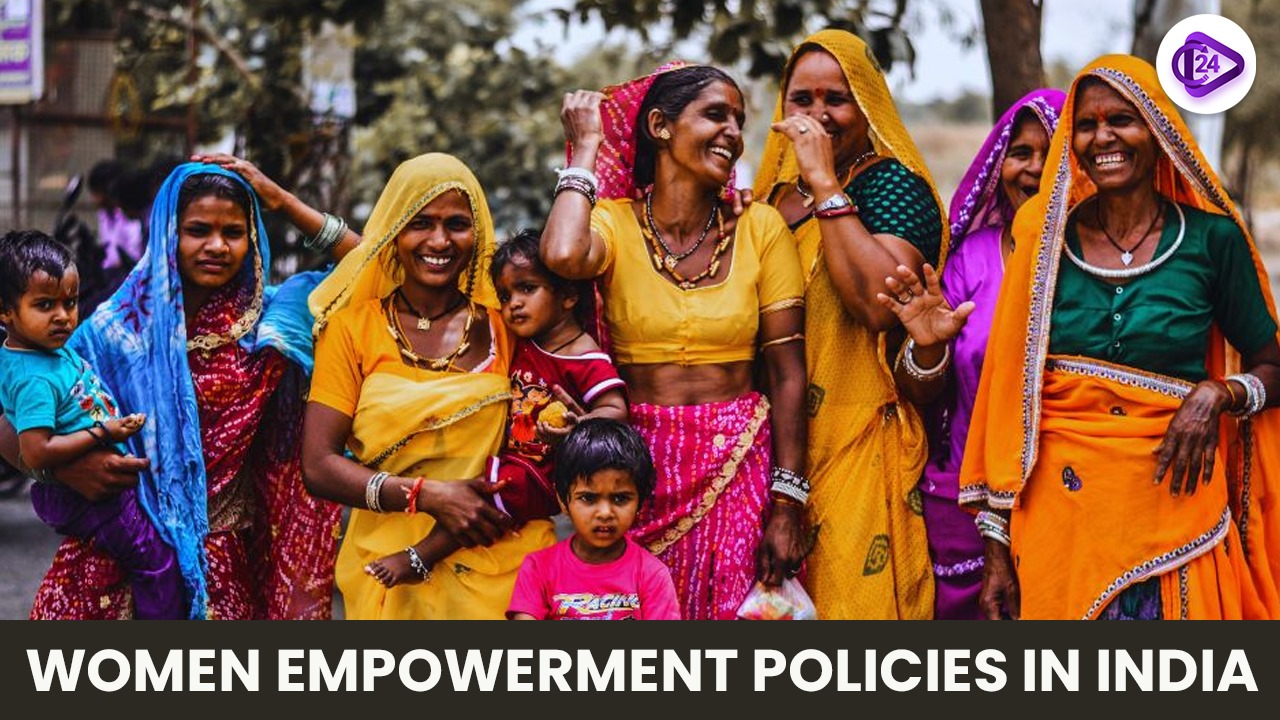
The Empowerment of India’s Women with Bold Policies

India's women empowerment journey is being shaped by bold policies that enhance financial inclusion, entrepreneurship, governance, and access to sanitation. Initiatives like Swachh Bharat Abhiyan and Jal Jeevan Mission have improved hygiene and reduced daily struggles for women. Government schemes such as Mudra Yojana and Stand-Up India are fostering female entrepreneurship. Increased representation in governance and judiciary is paving the way for long-term gender equality. The focus now is to sustain this momentum and drive inclusive growth.

Sanitation and Clean Water Initiatives

  • Swachh Bharat Abhiyan (SBM)

    • The initiative focused on delivering a holistic improvement in women's sanitary facilities as well as their sense of dignity and safety.

    • A total of 116 million homes received benefits which helped decrease open defecation activities and enhanced hygiene standards across the country.

    • Through its effort Maa Tarini Self-Help Group in Rourkela created shared bathrooms for patients with leprosy that improved feminine hygiene standards and maintained individual dignity

  • Jal Jeevan Mission (JJM)

    • The initiative established convenient access to drinking water for houses and thus lightened the water-related responsibilities of women.

    • Increased rural female workforce participation from 24.6% to 41.5% (2017-2023), especially in Bihar and Jharkhand.

    • The number of households with tap water connections has exceeded 150 million properties across India.

Women-Led Businesses and Financial Inclusion

  • Startup India Initiative

    • A total of 73,000 new businesses function with a minimum of one female representative on their leadership boards.

  • Government-backed Financing Programs

    • Stand-Up India Scheme distributed ₹53,609 crore worth of loans for 236,000 entrepreneurship ventures.

    • Mudra Yojana has sanctioned ₹32.36 lakh crore in loans which primarily benefited women entrepreneurs to the extent of 68 percent.

  • Digital Connectivity for Economic Inclusion

    • BharatNet & PM-WANI enabled high-speed Internet access at 199,000 villages and 247,000 Wi-Fi hotspots.

    • The Jan Dhan Yojana scheme succeeded in creating more than 300 million bank accounts for women.

  • E-commerce and Government Procurement

    • Women entrepreneurs form 8% of the sellers who conduct business on the Government e-Marketplace (GeM).

    • A total of 100,000 women-owned MSEs obtained contracts which resulted in ₹46,615 crore sales.

  • Women’s Representation in Governance

    • 33% Reservation for Women in Legislative Bodies

    • Prime Minister Narendra Modi enacted this historic reform as a part of his governance measures.

  • Grassroots Leadership in Panchayati Raj Institutions (PRIs)

    • Neighborhood self-governance includes 46 percent women participation and 1.4 million women lead this system.

    • The governance system led by women provides better healthcare facilities together with better educational services and stronger public security measures.

  • Women in STEM and Other Sectors

    • The research and technological innovation sector benefits from 43% STEM-trained female graduates.

    • Increasing presence in sports, governance, and entrepreneurship.

  • Closing the Gender Gap in the Higher Judiciary

    • For the last century law professionals around India have steadily achieved notable progress in their representation of women. The upper judiciary contains few women judges while structural obstacles preside as major barriers to female legal professional growth.

Persistent Inequality in Higher Judiciary

  • Low Representation in High Courts

    • Women account for 14.27% of judiciary members since they comprise 109 judges within 764 positions.

    • Eight of the High Courts lack women judges while all others maintain single female members.

    • All high courts in Uttarakhand Meghalaya and Tripura remain without any female judges.

    • Out of 79 judges in Allahabad High Court, this judicial institution maintains only 3 female representatives (2 percent).

    • The later appointment of women judges at age 53 compared to men at age 51.8 results in their inability to assume senior roles in the judiciary.

    • Only one woman Chief Justice (Gujarat High Court) among 25 High Courts.

  • Low Representation in the Supreme Court

    • Justice B.V. Nagarathna and Justice Bela Trivedi (reaching retirement age in June 2025) make up the complete number of women judges within the Superior Courts of India today.

    • Since 2021 a total of 28 judicial appointments were made while no female judges were included in the list.

    • Since 1947 until today the Supreme Court has received only one female direct Bar appointment while nine male attorneys achieved this milestone.

Systemic Barriers to Women’s Appointment

  • Lack of Equal Opportunities

    • The process of selecting female judges receives more intense examination than the process used for men.

    • The verification process for judging talent requires women judges to demonstrate comparable abilities and competence above their male peers.

  • Opaque Collegium System

    • The judiciary lacks specific qualifying factors or evaluation standards to select appointees.

    • Many Collegium panels consist entirely of men who continuously fail to identify and propose worthy female candidates.

    • During the period from 2020 to the present day nine women nominees for High Courts encountered rejection and five women were denied judicial positions.

Steps Towards Gender Equality in Judiciary

  • Transparent and Inclusive Appointment Process

    • The collegium needs to create precise selection criteria that can be used for appointing judges.

    • Lawyers who wish to become judges need an established program to show their interest.

    • The selection process should define a definite period to speed up recommendations.

  • Ensuring Gender Diversity in Appointments

    • Judicial bodies that embrace all population sectors develop unbiased practices because diversity goes together with merit-based selection.

    • Gender diversity holds an equal importance in representation compared to State and religious and caste démographics.

    • The higher judiciary must include women who amount to at least one-third of all their members and ideally stand at fifty percent.

  • Building Public Confidence in an Inclusive Judiciary

    • A judiciary that reflects diversity strengthens both institutional legitimacy and fairness along with public trust of the judicial system.

    • The judiciary needs to establish gender equality as a fundamental goal for personnel selection within its appointments process.

Normalizing Women’s Leadership in Judiciary

  • Respecting women judges as routine exists above any form of special treatment.

  • Justice Banerjee emphasized to the media she refused any special distinction due to her gender during her appointment to the judgeship.

  • The target exists to completely normalize women's participation within the judiciary.

Conclusion

Indian society is transforming economically and sociologically as the country continues its efforts to empower women through enterprise programs and education opportunities and by extending financial access while providing equal representation in governance bodies and judicial roles. Maintaining this current buildup will result in long-term progress toward equality for the upcoming generations.

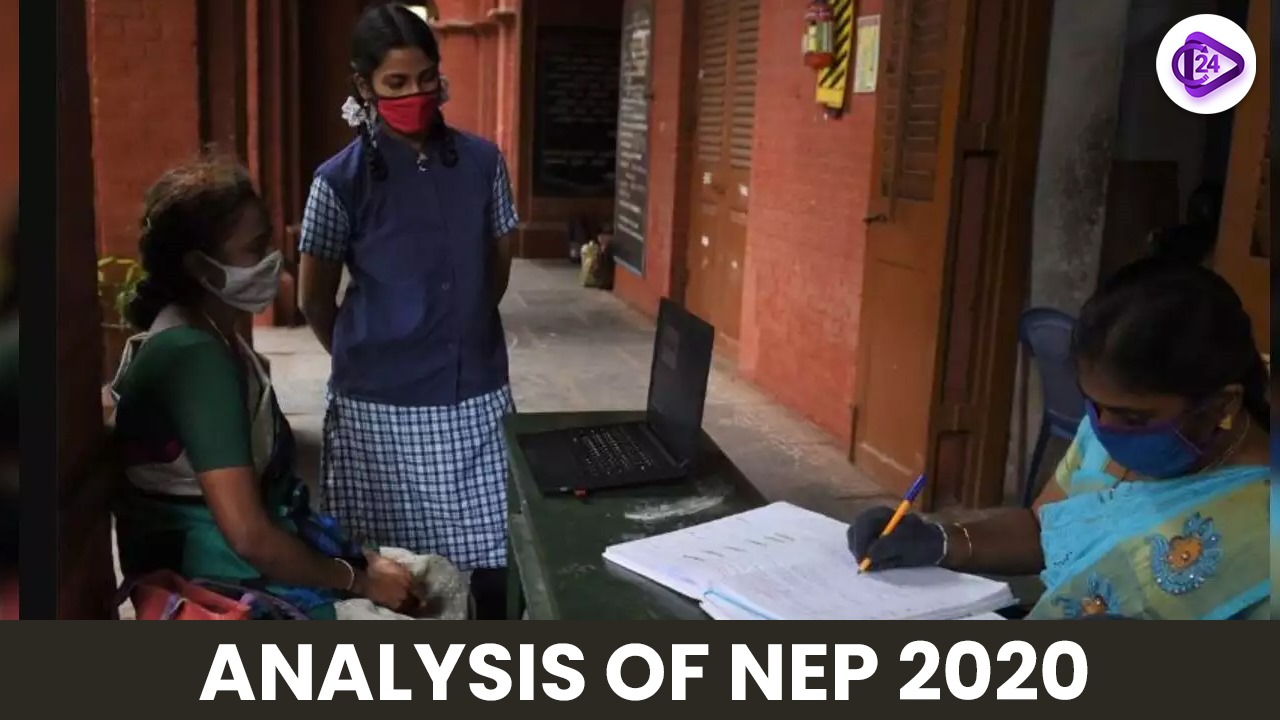
NEP 2020 and the Three-Language Policy: Impact, Challenges & Future

The National Education Policy (NEP) 2020 pursues a complete educational language approach while reimagining the Indian educational structure. According to this policy all educational institutions should adopt multilingualism by teaching through their students' mother tongue or local language during initial educational stages. The three-language formula faces substantial implementation barriers as one of the major obstacles of NEP 2020.

Key Highlights of New Education Policy 2020: 

The main characteristics of NEP 2020 regarding language education include using native languages and local languages as instructional tools.

Medium of Instruction

  • NEP 2020 establishes that home language and mother tongue together with regional languages should act as the main instructional tools from Grade 5 onward to at least Grade 8.

  • Bilingual education that combines native languages with English receives encouragement as a strategy to improve educational results.

  • Research in NEP documents shows children learn ideas best through their native language.

What is the Three-Language Formula?

  • The Three-Language Formula provides support for linguistic diversity through its implementation approach for maintaining national unity.

  • According to NEP 2020 the government will not enforce any language education upon any State or location.

  • The new policy enhances incentives for the promotion of Sanskrit as well as Tamil Telugu, Kannada, Malayalam, and Odia along with other classical languages.

Implementation Challenges

  • Declining Trend: Research through the All India School Education Survey (AISES) detected that schools progressively switch away from using the students' native language for teaching.

  • Rural vs Urban: A larger proportion of rural educational institutions choose mother-tongue-based education classes instead of urban schools.

  • Different Preference of States: The government of Tamil Nadu keeps fighting against the three-language policy since they prefer dual-language education over the existing norm.

  • Lack of trained educators: The lack of trained educators handling regional and classical languages becomes a barrier to successful program execution.

Role of Digital and Bilingual Resources

  • Under NEP 2020 the educational board supports digital educational resources in mother tongue languages for improved learning access.

  • NCERT has developed educational content in 104 different regional languages and dialects to establish mother-tongue-based learning programs.

Foreign Languages in NEP 2020

  • Secondary students in schools have the choice between the foreign language options of Korean, Japanese, French, German and Spanish for their studies.

  • Students need to learn two Indian languages during their first ten years of school but they get flexibility later to pick a foreign language.

Critical Analysis

  • Strengths

    • Early learning of the mother tongue helps develop cognitive capabilities of children during formative years.

    • NEP 2020 adopts a policy to acknowledge diverse languages throughout India while embracing multiple linguistic skills.

    • The system provides adaptable language policies because it gives authority to states to create their own choices.

    • Focuses on technological integration with digital resources in regional languages.

  • Challenges

    • A strong opposition against the three-language formula exists in Tamil Nadu as its residents fear Hindi language enforcement.

    • AISES survey data shows that the number of students enrolled in mother tongue education has decreased across the education system.

    • Infrastructure and manpower issues: Shortage of qualified teachers for classical and regional languages.

    • Unequal Implementation: The language policy adoption differs between States as certain states succeed in having bilingual books yet other states face difficulties with integrating the policy.

Way Forward

  • The government should prioritize investing money into training programs that teach teachers regional and classical languages.

  • The language policy must be applied equitably to urban schools at equal strength to that of rural schools.

  • Education institutions should use technology to develop digital learning tools which support multilingual education delivery.

  • State governments should receive flexibility to modify the three-language approach as long as national unity remains preserved.

Conclusion

The language policy within NEP 2020 functions to develop an education system which offers balanced and inclusive and multilingual learning. The strategy needs continuous improvement in addition to proficient teachers who can implement this approach and avoidance of opposition from different regions. Success of this policy demands a detailed approach which both recognizes different languages while maintaining educational standards.

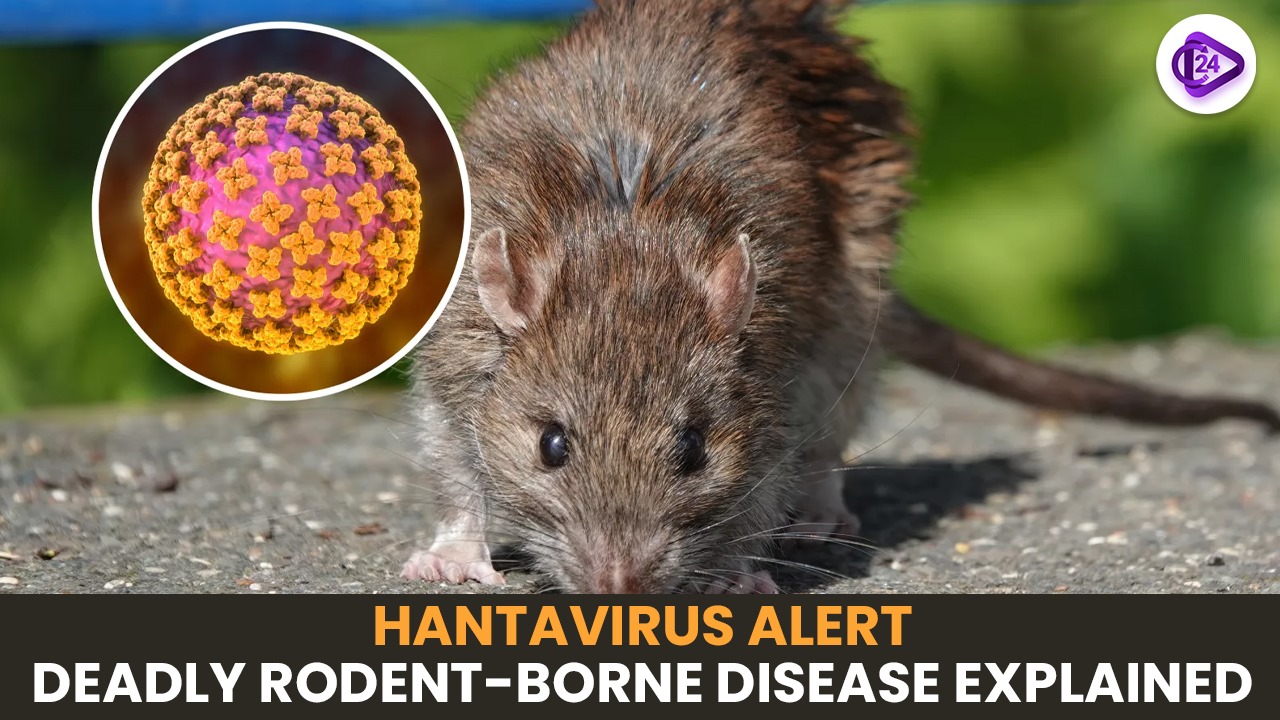
Hantavirus Pulmonary Syndrome (HPS): Symptoms, Risks, and Prevention

Actor Gene Hackman and his wife Betsy Arakawa passed away recently which led media attention toward Hantavirus Pulmonary Syndrome (HPS) a fatal rodent-borne disease. Low incident rates emphasize the need for understanding Hantavirus Pulmonary Syndrome transmission because the disease proves fatal and lacks distinct treatment options. The tragic situation reveals the necessity of raising public health understanding together with better disease monitoring and rodent population management capabilities.

Context: 

  • Actor Gene Hackman and his wife Betsy Arakawa passed away recently which led media attention toward Hantavirus Pulmonary Syndrome (HPS) a fatal rodent-borne disease.

Hantavirus Pulmonary Syndrome (HPS)

What is Hantavirus?

  • HPS stands for Hantavirus Pulmonary Syndrome and represents the essential facts regarding this rodent-borne illness which leads to fatalities.

  • Different strains of virus belonging to the Hantavirus family accept rodent populations including deer mice and rice rats as their carriers.

  • The transmission of hantavirus happens through air contact with rodent droppings and urine yet humans only spread the virus in extreme cases involving the Andes virus.

  • Rodents transmit the virus to people by way of airborne droppings, urine particles as well as saliva particles.

Types of Hantavirus Diseases

  • Hantavirus Pulmonary Syndrome (HPS): People acquiring Hantavirus Pulmonary Syndrome (HPS) only encounter this condition throughout the American continent where it targets their lung function.

  • Hemorrhagic Fever with Renal Syndrome (HFRS): The European and Asian region serves as the primary domain for Hemorrhagic Fever with Renal Syndrome (HFRS) which attacks the kidneys while also resulting in bleeding inside patients.

Symptoms of HPS

  • Early Stage( Prodromal Phase): At the beginning of the disease patients develop Prodromal Phase symptoms that include fever and chills alongside muscle aches and headaches and nausea.

  • Severe Stage: During the severe stage patients develop respiratory distress plus their lungs fill with fluid while their heart gets endangered to failure.

  • Mortality Rate: About 38% for those with advanced respiratory symptoms.

Treatment & Prevention

  • Medical science lacks both a specific remedy and available antivirals for this condition.

  • The treatment for severe cases requires both oxygen therapy combined with respiratory support equipment.

  • Early detection improves survival chances.

  • The prevention steps include staying away from rodents by wearing protective masks during cleaning activities and disinfecting all contaminated areas.

Public Health Implications

1. Disease Surveillance and Public Awareness

  • HPS remains under-recognized by many people which makes patients seek help too late and causes worse medical results.

  • To mitigate this risk authorities should launch thorough rodent control systems while also spreading educational warnings to community members.

2. Urbanization and Zoonotic Diseases

  • The expansion of human communities into natural wildlife areas boosts the chances of diseases transmitted by rodents.

  • The patterns of rodent populations change because of climate variations which amplifies the danger of hantavirus transmission.

3. Lessons from the COVID-19 Pandemic

  • HPS shares the same characteristic with COVID-19 by being a disease that passes from animals to people.

  • Strong detection systems and well-established public health networks represent key components in controlling new infectious disease outbreaks.

4. India's Preparedness Against HPS and Other Zoonotic Diseases

  • The Indian public has experienced outbreaks of Nipah virus and Kyasanur Forest Disease (KFD) as zoonotic diseases.

  • Health administrators should adopt One Health policies which link human health with animal and environmental health strategies for emerging disease control.

  • The surveillance of diseases needs improvement because rodent-populated areas should be particular targets.

 Way Forward & Conclusion

Rats control measures and public health alerts became critical issues after hantavirus caused multiple deaths. Despite its limited occurrence the death rate of HPS establishes this disease as a substantial threat for public health. Enhancing surveillance activities including early detection with community awareness programs will assist in risk mitigation. India should implement One Health strategies as a method to control and prevent zoonotic diseases while stopping potential outbreaks.

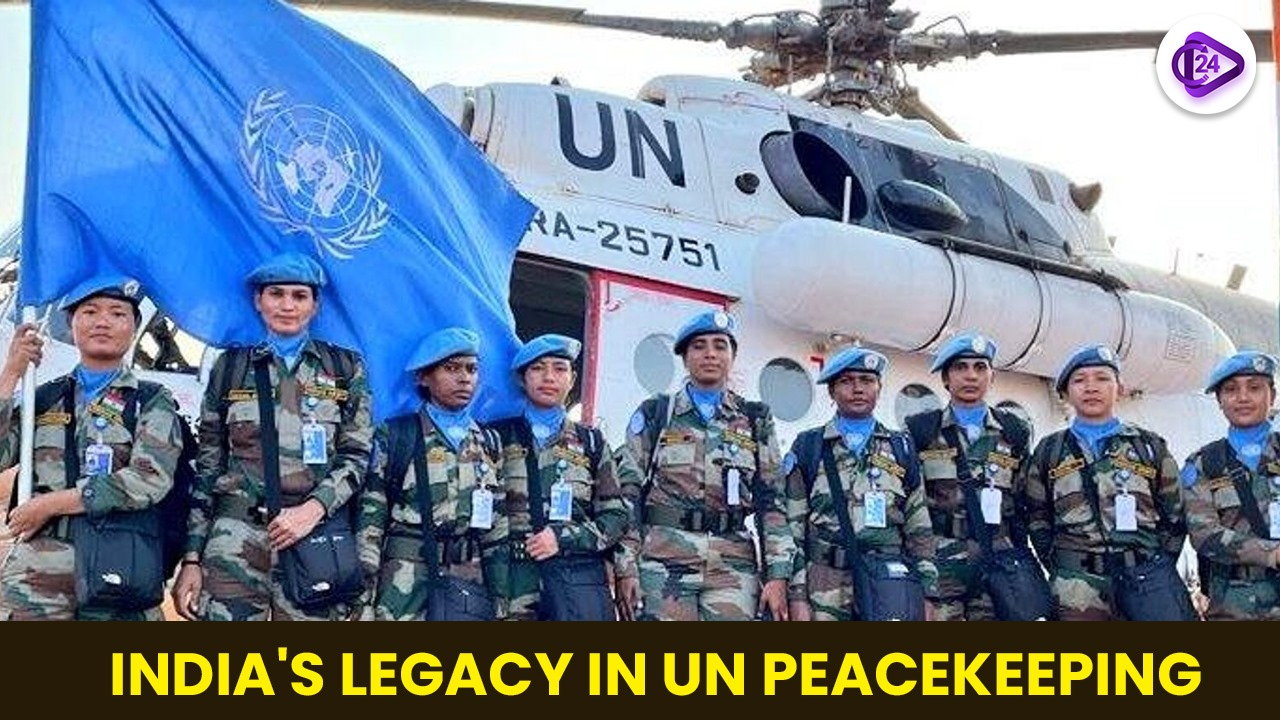
India’s Legacy in UN Peacekeeping: Leadership, Commitment, and Sacrifice

The United Nations has acknowledged India as its cornerstone force which supplied over 290,000 troops for using more than 50 peacekeeping missions across the world. The country of India stands among the biggest military contributors to United Nations peacekeeping missions which currently maintain over 5,000 troops in nine operational missions. 

The “Vasudhaiva Kutumbakam” principle of India supports its peacekeeping doctrine by emphasizing worldwide networks of diplomatic dialogue and cooperative action at the heart of peace operations. Military together with humanitarian support and political stabilization constitutes the essential missions where Indian peacekeeping forces demonstrate their effectiveness. 

Women peacekeepers serving India have successfully eliminated gender-related barriers to boost both gender balance and operational achievements in their missions. The Centre for United Nations Peacekeeping (CUNPK) in India serves as a global peace initiative force that delivers training and capacity development programs for international peace organizations.

What is UN Peacekeeping?

  • UN Peacekeeping acts as an essential framework to achieve global security because it helps uphold peaceful relations between nations. It involves:

    • Political Frameworks: The establishment of political frameworks combined with governance structures receives support through this strategy.

    • Protecting Civilians: Peacekeeping operations must safeguard the civilian inhabitants located in war-torn regions.

    • Disarmament, Demobilization, and Reintegration (DDR):  The DDR component supports combatants who left their military roles by helping them become civilians.

    • Election Support: The organization supports democratic procedures through its electoral operations.

    • Human Rights and Rule of Law: Promoting justice, accountability, and governance reforms.

India's Contribution to UN Peacekeeping

India started its United Nations peacekeeping operations during the Korean War battle of 1950-1954. The Indian government has sent military personnel alongside medical and logistical participants to many battle zones since the 1950s.

Current Missions with Indian Involvement

Mission Name

Location

India’s Contribution

UNDOF

Golan Heights

Logistics Battalion with 188 personnel

UNIFIL

Lebanon

Infantry battalion group with 762 personnel

UNTSO

Middle East

Military observers and support staff

UNFICYP

Cyprus

Military observers and staff officers

MONUSCO

Democratic Republic of Congo

Infantry battalions, medical units

UNMISS

South Sudan

Infantry battalion, medical personnel

UNIFSA

Abyei

Military observers and staff officers

MINUSCA

Central African Republic

Formed Police Units and military observers

MINURSO

Western Sahara

Military observers

The dedication of Indian peacekeeping forces is exceptional because exactly 180 members lost their lives during peace operations.

Women in Peacekeeping

  • Women contribute fundamentally to peacebuilding endeavors and also serve effectively as peace fixers and ingredient participants in conflict resolutions. Through their leadership role India performs the following functions:

    • Indian female troops established the first all-female Formed Police Unit (FPU) in Liberia during 2007 which boosted local women to pursue careers in security services.

    • Major Radhika Sen clinched the UN Military Gender Advocate of the Year award in 2023 for her important contributions.

    • Indian peacekeeping missions currently benefit from the presence of more than 150 female defense personnel who help enhance both security standards and inclusivity throughout the operations.

    • India actively backs the UN goal to reach 15% female military contingent representation along with 25% female police unit participation by 2028.

Training and Capacity Building

  • The India-based Centre for United Nations Peacekeeping (CUNPK) in New Delhi maintains an essential function by:

    • The training institution equips more than 12000 peacekeeping troops each year.

    • Through its international programs the establishment runs the United Nations Peacekeeping Course for African Partners (UNPCAP).

    • The plans include organizing the 'Conference on Women Peacekeepers from the Global South’ as a global event in 2025 to promote gender inclusion in peacekeeping operations.

Challenges and Future Outlook

  • India has achieved impressive milestones but numerous hurdles continue to affect its peacekeeping efforts.

    • Security risks in volatile regions.

    • Resource constraints in peacekeeping missions.

    • More leaders should come from both genders to achieve higher organizational representation.

  • India upholds its commitment to advancing United Nations peacekeeping operations by implementing new technology and conducting diplomatic relations and delivering consistent leadership for educational and capacity development programs.

Conclusion

Units from India have established themselves in UN peacekeeping operations through their determined pursuit of international peace alongside their willingness to forfeit lives for this cause. By providing major troop numbers India maintains a strong impact on global peacekeeping operations through superior military leadership practices and inclusive gender policies and strategic international alliances. India will continue applying principles of dialogue and diplomacy and global cooperation to advance its status as a peace champion in the present global transformation.

Gandiva Missile (Astra Mk-III): India’s Advanced BVR Air-to-Air Weapon

India has officially renamed its Astra Mk-III missile as Gandiva, inspired by the legendary weapon from the Mahabharata. Developed by DRDO, this beyond visual range (BVR) air-to-air missile is designed to enhance the Indian Air Force’s aerial combat capabilities. With a range of up to 340 km, Gandiva is set to be integrated with Sukhoi Su-30MKI and LCA Tejas fighter jets. It features a dual-fuel ducted ramjet engine for superior speed and maneuverability. This advancement places India among the nations with the longest-range BVR missiles, strengthening its air defense.Key Features:

  • This weapon belongs to the Beyond Visual Range (BVR) air-to-air missile category.

  • This weapon exists to serve as an air-based system for fighter aircraft.

  • Development: Still under development by DRDO.

  • Deployment: Planned for integration with Sukhoi Su-30MKI and Light Combat Aircraft (LCA) Tejas.

Performance & Specifications:

  • Range:

    • 340 km at 20 km altitude.

    • 190 km at 8 km altitude.

  • Engine:

    • Dual-fuel ducted ramjet engine.

    • Capable of launch from sea level to 20 km altitude.

  • Speed:

    • Launch speed: 0.8 to 2.2 Mach.

    • Target engagement speed: 2.0 to 3.6 Mach.

  • Target Engagement:

    • Angle of attack: Capable of engaging highly maneuverable aircraft up to 20 degrees.

    • The system has a position adjustment capability which allows the engagement of targets through a 10 km altitude range above or below the launching aircraft.

Capabilities:

  • Targeting:

    • Gandiva operates as a system which targets numerous aerial threats including:

    • Enemy fighter jets.

    • Military transport aircraft.

    • Refueling planes.

    • Airborne Warning and Control System (AWACS).

  • Global Standing:

    • The integration of Gandiva positions India among the nations with the longest BVR missiles in the world.

Strategic Importance:

  • Astra Mk-III (Gandiva) has been designed specifically to change BVR warfare so Indian Air Force aircraft can hit enemy targets precisely at greater distances.

  • The aerial warfare capabilities gain strength through Gandiva thus enabling better regional and global aerospace defense and offense operations.

Conclusion:

Gandiva originated from Astra Mk-III to establish a significant advancement in Indian defense technology. The compliance of Astra Mk-III (Gandiva) with Indian air defense forces will deliver unprecedented smash capability to neutralize many airborne threats from extensive distances.

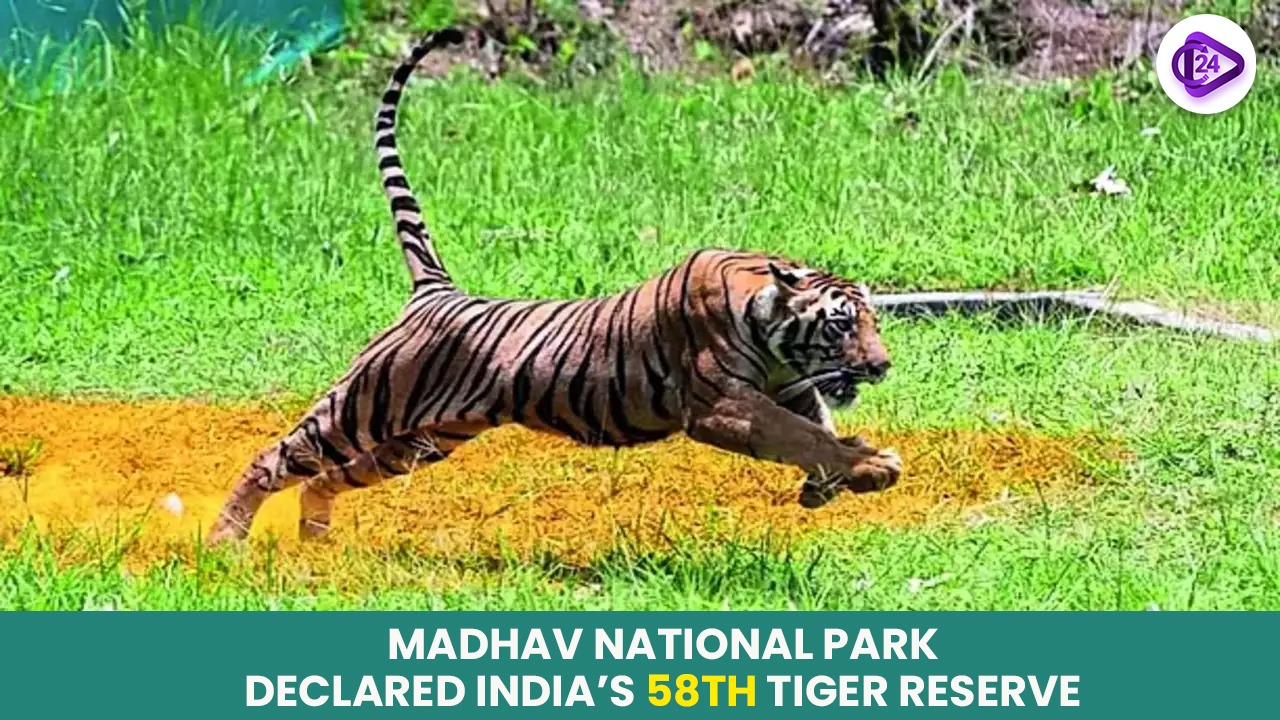
Madhav National Park Declared India’s 58th Tiger Reserve: A New Chapter in Wildlife Conservation

Madhav National Park in Madhya Pradesh has been officially declared India’s 58th Tiger Reserve on March 9, 2025. This move strengthens the state’s position as the “Tiger State” by adding its ninth tiger reserve. Spanning 1,751 sq km, the reserve currently houses five tigers, with more arrivals planned. It plays a crucial role in wildlife conservation, eco-tourism, and biodiversity preservation. The initiative aligns with India’s broader efforts to protect and increase its tiger population.

Key Highlights

  • Location: Shivpuri district, Chambal region, Madhya Pradesh.

  • Tiger Population: Today there are 5 tigers present in the park which include two fresh born offspring combined with three recent arrivals. Additional two adult tigers will be released during the forthcoming period.

  • Area: The Park spans a total area of 1,751 sq km where the core zone reaches 375 sq km and the buffer zone reaches 1,276 sq km.

  • Year of Establishment: The site started its existence as a National Park during 1956 before its establishment.

  • Recognition: The 9th tiger reserve in Madhya Pradesh.

  • Government Approval: In-principle approval by the Central Government within a month of proposal.

  • Announcement: Union Environment Minister Bhupender Yadav declared the announcement on March 9th 2025.

  • Inauguration: Scheduled for March 10, 2025, by Madhya Pradesh Chief Minister Dr. Mohan Yadav. One tiger stemming from each of Bandhavgarh and Kanha Tiger Reserves will participate in this release event.

Location and Geography

  • State: Madhya Pradesh

  • Location: The ecological territory of this area contains the Northern end of Central Highlands India that occupies the Upper Vindhyan Hills region.

  • Topography: Comprises plateaus, valley sections, and sedimentary rocks (sandstone, shale, and limestone) from the Vindhyan system.

Water Bodies

  • Lakes: The southern section of the national park houses two connecting water bodies called Sakhya Sagar and Madhav Sagar which maintain ecological stability throughout the park.

  • Rivers:

    • The northern portion of the park functions as the drainage zone which supplies water to Amarnadi.

    • Most of the park drains through the Sind River which defines the eastern region.

Biodiversity

  • Vegetation

    • The park forests consist of two principal categories of vegetation systems.

    • Northern Tropical Dry Deciduous Mixed Forests

    • Dry Thorn Forests, typical of northwestern Madhya Pradesh

  • Flora

    • Dominant tree species: Kardhai, Salai, Dhaora, and Khair.

    • Understory vegetation: Ber, Makor, and Karonda.

    • Jamun together with Mahua trees are located in nullah areas.

  • Fauna

    • Herbivores: Nilgai, Chinkara, Chowsinga, Chital, Sambar, and Barking Deer.

    • Carnivores: Leopard, Wolf, Jackal, Fox, and Wild Dog.

Significance of Madhav Tiger Reserve

  • Tourist Attraction: The development of tourist attractions throughout Madhya Pradesh will establish a vast wildlife tour route for Chambal visitors while creating local job positions.

  • Increasing Number of tigers: The preservation initiative helps enhance existing national tiger protection programs as it increases the current tiger numbers in Madhya Pradesh.

  • Conservation: This area stands near both Kuno National Park that reintroduced cheetahs and conservation work for gharials and dolphins in the Chambal River area.

  • Government Support: Increased central funding for tiger conservation efforts in Madhya Pradesh.

Future Plans & Conservation Initiatives

  • The Indian government plans to enhance safety measures within Kuno National Park in order to safeguard its resident cheetahs.

  • The authorities at Madhav Tiger Reserve have designed plans to develop the habitat for long-term sustainability of the growing tiger population.

  • The government should enhance anti-poaching programs while implementing conservation participation frameworks with nearby communities.

National Parks and Tiger Reserves in India

National Parks in India

  • Definition and Purpose

    • The government creates National parks as spaces which exist for the conservation of natural environments alongside their biodiversity. 

    • Wildlife sanctuaries and national parks differ through their regulations because sanctuaries have extensive boundaries from national parks and focus on environmental protection as their main objective.

  • Regulations in National Parks

    • No human activities are allowed.

    • These protected areas do not allow animals to graze among them along with disallowing private ownership of land.

    • Hunting or capturing species covered by the Wildlife Protection Act receives total prohibition under law.

    • The National Park authorities strictly prohibit any actions that damage wildlife or natural habitats.

    • National parks cannot be downgraded to a wildlife sanctuary.

  • Declaration of National Parks

    • Both the Government of India through its Central body and any State Government possesses authority to establish national parks.

    • Boundaries of national parks must get legislative approval from the State Legislature.

  • India's National Parks

    • Total Number: 106 (covering 40,501 sq.km.)

    • The Indian states of Madhya Pradesh together with Andaman and Nicobar Islands hold the distinction of having 9 national parks each.

    • First National Park: Jim Corbett National Park

    • Largest National Park: Hemis National Park

    • Smallest National Park: South Button National Park

    • Latest National Park: Kuno National Park

  • List of National Parks in Madhya Pradesh: 11 national parks 

    • Bandhavgarh National Park – High density of Bengal tigers.

    • Kanha National Park – Known for its barasingha population.

    • The Dinosaur Fossil National Park contains ancient dinosaur fossils.

    • Ghughua Fossil National Park – Rich in prehistoric plant fossils.

    • Kuno National Park offers a sanctuary to cheetahs that were relocated there.

    • Madhav National Park – Located in the Vindhya Range.

    • Panna National Park – Renowned for tiger conservation.

    • Pench National Park – Basis for "The Jungle Book."

    • Sanjay National Park – Dense forest ecosystem.

    • Satpura National Park – Unique terrain and rich biodiversity.

    • Van Vihar National Park – Urban national park in Bhopal.

Tiger Reserves in India

  • Tiger Reserve Structure: A tiger reserve contains two parts:

    • Core Area: Within critical tiger habitat areas it stands as a strictly protected region.

    • Buffer Zone: The Buffer Zone serves as a multiple-use area which has lower protection levels than other zones.

  • National Tiger Conservation Authority (NTCA)

    • Project Tiger together with National Tiger Conservation Authority (NTCA) formed an essential system for Indian wildlife management.

    • Project Tiger entered the scene in 1973 as an initiative to safeguard tigers.

    • The NTCA operates as a Wildlife Protection Act, 1972 based body which facilitates tiger conservation operations.

    • Tiger Reserves in India: 54 reserves covering 2.21% of India's land.

    • India established the new Tiger Reserve known as Ranipur Tiger Reserve in Uttar Pradesh on October 19th 2022.


  • Tiger Population in India

    • The Indian territory contains more than 70% of all existing tiger populations on Earth.

    • The 2018-19 tiger census conducted in India confirmed that the population reached 2,967 individuals.

    • The annual growth rate of tigers in India rises at 6% according to statistics from 2006 to 2018.

Tiger Reserve in Madhya Pradesh:

Tiger Reserve

Notification Year

Total area (Km Sq.)

Bandhavgarh Tiger Reserve

1993-1994

1536.93

Kanha Tiger Reserve

1973-1974

2051.79

Panna Tiger Reserve

1993-1994

1598.1

Pench Tiger Reserve

1992-1993

1179.63

Sanjay-Dubri Tiger Reserve

2008-2009

1674.5

Satpura Tiger Reserve

1999-2000

2133.3

Veerangana Durgavati Tiger Reserve

2023

1414.006

Ratapani Tiger Reserve

2022

1271.465

Madhav Tiger Reserve

2025

1751

  • Largest and Smallest Tiger Reserves

    • Largest: Nagarjunsagar-Srisailam Tiger Reserve (Andhra Pradesh, 3,728 sq.km.).

    • Smallest: Bor Tiger Reserve (Maharashtra, 138 sq.km.).

  • Geographical Classification of Tiger Reserves

    • The wildlife reserves across India fall under five district classifications.

      • Shivalik Hills and Gangetic Plains

      • Central India and Eastern Ghats

      • Western Ghats

      • Northeastern Hills and Brahmaputra Plains

      • Sundarbans

  • Global Tiger Conservation Efforts

    • International Tiger Day

      • Observed on July 29 since 2010.

  • Beginning its existence at the Saint Petersburg Tiger Summit that took place in Russia.

  • Purpose of this global event is to spread knowledge about protecting tigers as well as their habitats.

  • The Indian Ministry exceeded the goals set by the St. Petersburg Declaration (2010) by successfully attaining double the tiger population four years earlier than the timeline.

  • St. Petersburg Declaration on Tiger Conservation

    • Held in November 2010.

    • Tigers face an objective to stop their numbers from diminishing while their population must increase three times by 2022.

    • 13 Tiger Range Countries: Bangladesh, Bhutan, Cambodia, China, India, Indonesia, Lao PDR, Malaysia, Myanmar, Nepal, Russia, Thailand, Vietnam.

    • Conservation efforts receive financial resources with a parallel strategy using anti-poaching measures.

  • Challenges in Tiger Conservation

    • Habitat loss and fragmentation.

    • Human-tiger conflict in buffer zones.

    • Poaching and illegal wildlife trade.

    • Sustainable practices must be implemented for preserving ecological stability.

Conclusion

Wildlife conservation remains a core strategic priority for India which is evident through making Madhav National Park the 58th tiger reserve in India. The top position of Madhya Pradesh in tiger conservation helps advance habitat security along with biodiversity preservation programs. The achievement needs continued backing from both government officials and scientists in combination with active community participation for enduring results. Such protective measures toward India's national animal remain essential to preserve both ecological stability and worldwide conservation initiatives.

Surging Cotton Imports: Challenges for Indian Farmers & Textile Industry

The rising cotton import levels across India during the previous seven months reveals concerns about local cotton productivity alongside competitive pricing. Textile manufacturers in India choose less expensive cotton from Brazilian, Australian, and American sources rather than domestic supplies because local farmers face lower output along with elevated production expenses. The Cotton Corporation of India (CCI) uses minimum support pricing to buy domestic cotton yet local farmers remain unprofitable. A Cotton Mission introduced by the government runs through the Union Budget aims to boost productivity yet experts insist that solid implementation methods are necessary to support domestic fiber supply and market competitiveness.

Key Points:

  • Rising Cotton Imports:

    • The quantity of imported cotton increased dramatically from $19.62 million in January 2024 to $184.64 million in January 2025.

    • The Indian textile industry selects foreign cotton imports from abroad because international rates remain lower than local cotton markets even with the 11% tax duty.


  • Farmers’ Challenges:

    • The cotton harvest from Indian fields reaches only 450 kg per hectare whereas Brazilian fields obtain twice as much with 1,800-2,000 kg of cotton per hectare.

    • The production cost amounts to ₹9,000 per quintal yet brokers only present open market offers between ₹5,000 and ₹5,500.

    • Integrational cotton prices remain lower than the prices Indian farmers currently receive so they must sell their produce at reduced rates.

  • Government Intervention & Policy Measures:

    • The Cotton Mission in the Union Budget received scrutiny from experts because they believed the budgetary amount was insufficient to achieve its productivity goals.

    • A system of acreage-based Minimum Support Price (MSP) should exist to safeguard farmers when they face economical losses.

    • According to industry leaders the textile sector should boost its export activities as a means to stabilize cotton market prices inside India.

  • Impact on the Textile Industry:

    • Cotton-based garments make up more than 60% of Indian exported clothing products so the industry depends on competitive raw material supply.

    • Foreign import of Extra Long Staple cotton under tariff exemptions assists exporters even though it creates anxiety among local cotton producers.

    • The primary details essential to understand cotton cultivation need to be examined.

About Cotton:

  • The cultivation of cotton stands as one of India's key commercial agricultural products since it generates about 25% of the worldwide cotton output.

  • “White-Gold” is one of its many names because of its vital role in the Indian economy.

  • The cotton farming industry in India persists in two distinct regions with 67% grown in rain-fed zones followed by 33% organized in irrigated farming.

Growing Conditions:

  • Climate: Cotton cultivation necessitates a hot, and sunny climate with a long frost-free period. Hottest and most humid climatic environments provide optimum results for its cultivation.

  • Soil: Cotton successfully grows across various types of soils in India including deep alluvial soils of the northern regions together with variable-depth black clayey soils in the central region along with the mixed black and red soils of the southern zone.

  • Surviving Condition: Many cotton varieties survive salt conditions although they suffer major damage from waterlogged conditions indicating farmers must manage soil drainage properly.

Hybrid and Bt Cotton:

  • Suppliers make Hybrid Cotton through crossbreeding two parent lines with contrasting genetic backgrounds. Spontaneously generated hybrid varieties form naturally in open-pollinated plant populations when different plant types mate with their related species.

  • The genetically modified pest-resistant cotton plant variety is known commercially as “Bt Cotton”.

India’s Scenario:

  • According to Global Production records of November 2023, India produces cotton in the biggest quantities and China ranks second and the United States comes third.

  • Largest Producing Zone (2022-23): Central Zone (Gujarat, Maharashtra, Madhya Pradesh).

Indian Government Initiatives For Development of the Cotton Sector

  1. Cotton Development Programme Under the National Food Security Mission (NFSM):

    • Since 2014-15 the Department of Agriculture & Farmers Welfare has implemented a cotton development program through the National Food Security Mission across 15 major cotton-growing states.

  2. Cotton Corporation of India (CCI):

    • The Ministry of Textiles began managing this government enterprise through Cotton Corporation of India (CCI) in 1970 as a Public Sector undertaking under the Companies Act 1956.

    • The organization is responsible for price support enforcement by implementing support measures whenever market prices decline under government-established price targets.

  3. MSP Formula for Cotton:

    • A2+FL multiplied by a factor of 1.5 served as the basis to determine the Minimum Support Price (MSP) thus protecting the economic position of cotton growers and safeguarding the supply of cotton for textile industries.

    • Under MSP operations CCI conducts its duties as Central Nodal agency for seed cotton kapas belonging to Fair Average Quality when prices drop below MSP levels.

  4. Textile Advisory Group (TAG):

    • The Ministry of Textiles formed this organization to bring stakeholders from the cotton value chain together for resolving productivity and price and branding concerns among others.

  5. Cott-Ally Mobile App:

    • A user-friendly platform exists to offer farmers vital information about the MSP Rate alongside location details of procurement centers through this application.

  6. Committee on Cotton Promotion and Consumption (COCPC):

    • The organization has been established to guarantee steady cotton supply for the textile industry.

Which Problems Affect the Cotton Industry of India?

  1. Pest Attack:

    • The appearance of the pink bollworm pest (Pectinophora gossypiella) resulted in substantial decreases in cotton production levels.

    • The cotton ball invasion of PBW larvae causes both decreased production output and weakens crop quality.

    • The continuous use of Bt hybrid seeds has resulted in PBW populations building resistance capabilities.

    • Heavy infestations of cotton pests are found currently in Gujarat, Punjab, Haryana and Rajasthan.

  2. Yield Fluctuations:

    • The combined factors of restricted irrigation access together with deteriorating soil conditions and unpredictable weather outcomes result in unpredictable cotton harvests.

  3. Smallholder Dominance:

    • In India most cotton farming belongs to small-scale farmers who perform traditional agriculture but have inadequate access to contemporary farming technology.

  4. Limited Market Access:

    • The majority of cotton farmers battle market access problems which forces them to sell their crops at low intermediated prices.

Way Forward

  1. Integrated Pest Management:

    • IPM programs should implement natural pest controls with trap crops and beneficial insect populations in order to minimize chemical pesticide usage during effective pest management.

  2. Address the Yield Gap:

    • The NFSM Large-Scale Demonstrations Project serves as a platform to introduce HDPS along with value chain solutions for better yielding outcomes.

  3. Modernisation and Infrastructure Development:

    • The Technology Upgradation Fund Scheme (TUFS) and Mega Textile Parks (MITRA) should receive support from the government to modernize ginning and spinning and weaving operations thus boosting operational efficiency and worldwide market competitiveness.

  4. Improve MSP Calculation:

    • A new MSP calculation system which applies a 1.5 times factor to production expenses guarantees reasonable profits for farmers. Additional changes to farmer income security will benefit from recommendations made by NITI Aayog.

  5. Strengthen Market Linkages:

    • Prices at better levels with fewer middleman exploitations can be achieved through strengthened procurement systems and price funding as well as strict cotton grade standards.

  6. Branding and Traceability:

    • The creation of the Kasturi Cotton brand enables India to establish its cotton as a distinctive and high-quality product in the global marketplace.

Initiatives in the Cotton Sector:

  • PM Mega Integrated Textile Region and Apparel (PM MITRA) Parks Scheme

  • Through the Production Linked Incentive (PLI) Scheme the government promotes MMF Apparel as well as MMF Fabrics and Products of Technical Textiles.

  • Cotton development programme under NFSM

  • Through Cott-Ally mobile app users will gain greater awareness about the implementation of Minimum Support Price for Cotton.

  • Branding of Indian Cotton as "Kasturi Cotton India"

  • Under NFSM the program demonstrates wide-scale implementation of productive methods to boost cotton yields.

  • SAMARTH (Scheme for Capacity Building in the Textile Sector)

  • The Technology Upgradation Fund Scheme was modified to become ATUFS.

Budget Allocation:

  • The government expects to allocate INR 5272 crores during the 2025-26 financial year for the Ministry of Textiles.

  • The Cotton Mission introduces a five-year plan that targets productivity increases of extra-long staple cotton varieties.

Conclusion

Indian cotton farming faces uncertain prospects since the country continues to depend more heavily on cotton imports. Weak international competitiveness and high costs of production along with low productivity levels are the main obstacles facing the industry. The Cotton Mission policy initiative from the government requires additional strong measures to improve productivity rates while maintaining harmonious relations between farmers and the textile sector and controlling domestic cotton prices. The resolution of these problems stands essential for India to preserve its dominance in world cotton and textile trades.

Frequently Asked Questions (FAQs)

The current affairs cover recent national and international events related to UPSC, SSC, Banking, Railways, and State PCS.

You need to read about the current affairs daily, and revise them every week and every month to keep them longer in your memory.

Yes, Class24 provides free downloadable Daily Current Affairs PDFs for easy revision.

Yes, you can practice MCQs and quizzes to boost your exam preparation.

Absolutely. The content is written in simple, easy-to-understand bilingual language suitable for beginners.

Go to class24.com and click on the current affairs section directly, where you find everything that you need.

ssc-toppers

Start Learning Today with Class24

Related current affairs

Class24 offers free video lectures for smart preparation, covering CGL, CPO, CHSL, MTS, and GD exams. Learn from expert faculty, revise concepts easily, practice with PYQs, and improve speed and accuracy through high-quality, exam-focused video lessons anytime, anywhere.

Get success in your hand. Start study anytime anywhere.

The journey becomes simple and enjoyable when you start taking interest in it. And through our app “Class24”, we will be your trusted partners in developing that interest.

Daily Quizzes
Mock Tests
Ongoing

No ongoing tests right now.