Day: February 15, 2025

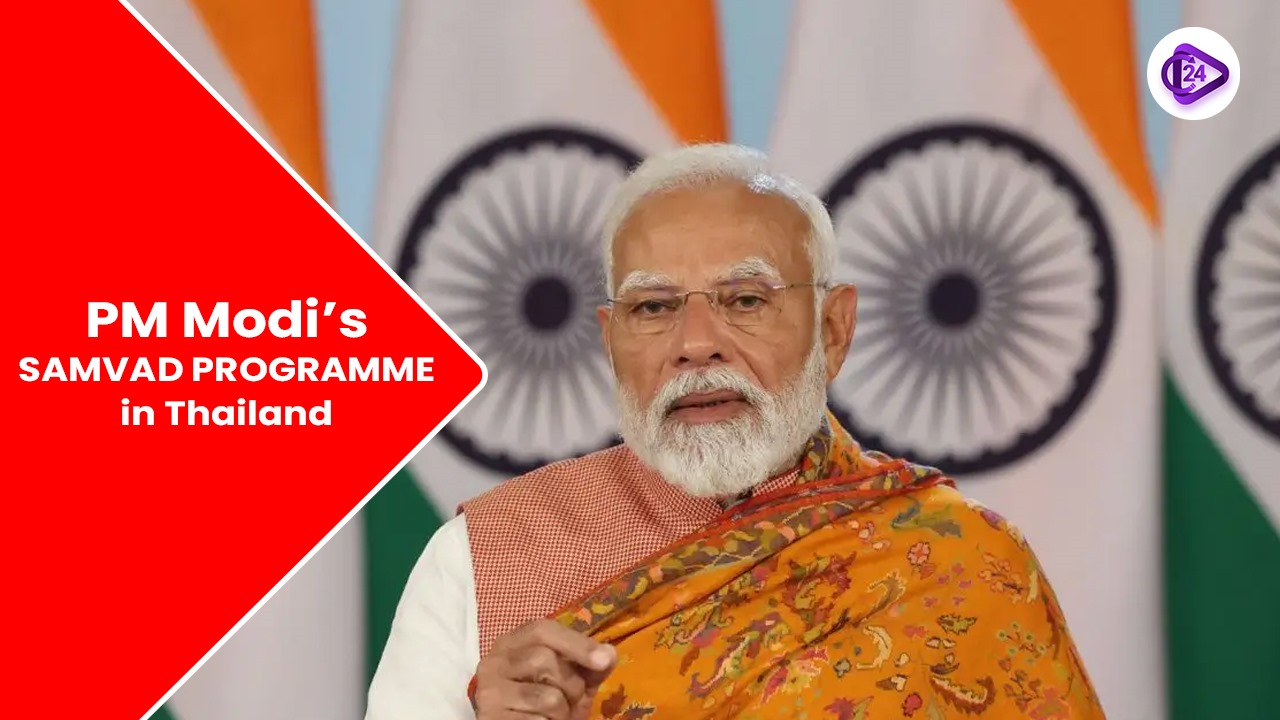
PM Modi at SAMVAD Thailand: Strengthening Cultural & Global Peace

Prime Minister Narendra Modi delivered an important video presentation at the SAMVAD program in Thailand where he highlighted how Asian cultures share both philosophical teachings and spiritual practices. The head of state described how Shinzo Abe established SAMVAD back in 2015 while he explained how India and Thailand share cultural elements which include both the Ramayana traditions and teachings of Bhagwan Buddha. The Prime Minister stressed the Middle Path strategy which Buddha established as a means to tackle worldwide crises along with extremism and environmental issues. During his visit PM Modi described Indian projects dedicated to Buddhist heritage maintenance notably the Buddhist Circuit together with the Kushinagar Airport development and the restoration of Nalanda University. The PM declared Pali as a classical language while emphasizing Buddhist cooperation between India and other nations.  The head of the Dalai Lama honored Thailand before wishing for Dhamma’s wisdom to lead a peaceful and prosperous world ahead.

Significance of SAMVAD and Cultural Ties

  • SAMVAD’s inception: Initiated in 2015 through discussions with Shinzo Abe.

  • Cultural bridge functions to enhance the relations between India and Thailand because of their shared spiritual beliefs and philosophical traditions.

  • The Ramayana spiritual heritage of India signifies the same cultural roots as the Ramakien tradition in Thailand.

  • Millions throughout Thailand give reverence to Bhagwan Buddha’s relics which demonstrates their shared spiritual bond.

Conflict Avoidance and the Asian Century

  • Buddha’s teachings as guidance: Advocates a human-centric, peaceful approach to global challenges.

  • The approach supports diverse perspectives by referring to both Rig Veda and Dhammapada.

  • The concept of Middle Path urges people to use balanced methods for solving political battles as well as social disputes and environmental problems.

Addressing Environmental Challenges

  • Sustainable development through Dhamma principles should govern the battle between human activities and natural resources.

  • The trusteeship approach draws inspiration from Mahatma Gandhi to fulfill responsible resource utilization.

India’s Contributions to Buddhist Heritage

  • Tourism & Infrastructure:

    • Buddhist Circuit: Enhancing pilgrimage routes.

    • Kushinagar International Airport: Facilitating global Buddhist pilgrimages.

    • Bodh Gaya Development: Improving connectivity and facilities.

  • Nalanda Revival: Restoring India’s ancient knowledge hub.

  • Pali as a Classical Language: Ensuring the preservation of Buddha’s teachings.

  • Under Gyan Bharatam Mission India has initiated a project that digitizes and organizes ancient Buddhist manuscripts.

India’s Global Buddhist Collaborations

  • Summits & Conferences: Hosted Asian and Global Buddhist Summits.

  • Monument Conservation: Supporting the preservation of Buddhist sites worldwide.

  • International Initiatives:

    • India International Center for Buddhist Culture & Heritage (Lumbini, Nepal).

    • Reprinting Mongolian Kanjur for Buddhist monasteries.

Promoting Interfaith Harmony

  • Religious Roundtable: Encouraging dialogue among diverse faith leaders.

  • Shared vision for peace: Calls for unity through Dhamma’s principles.

Conclusion

  • The conference took place in Thailand and those organizers deserve our appreciation.

  • Buddha's teachings power the expectation of building a peaceful environment that will manifest progression and prosperity.

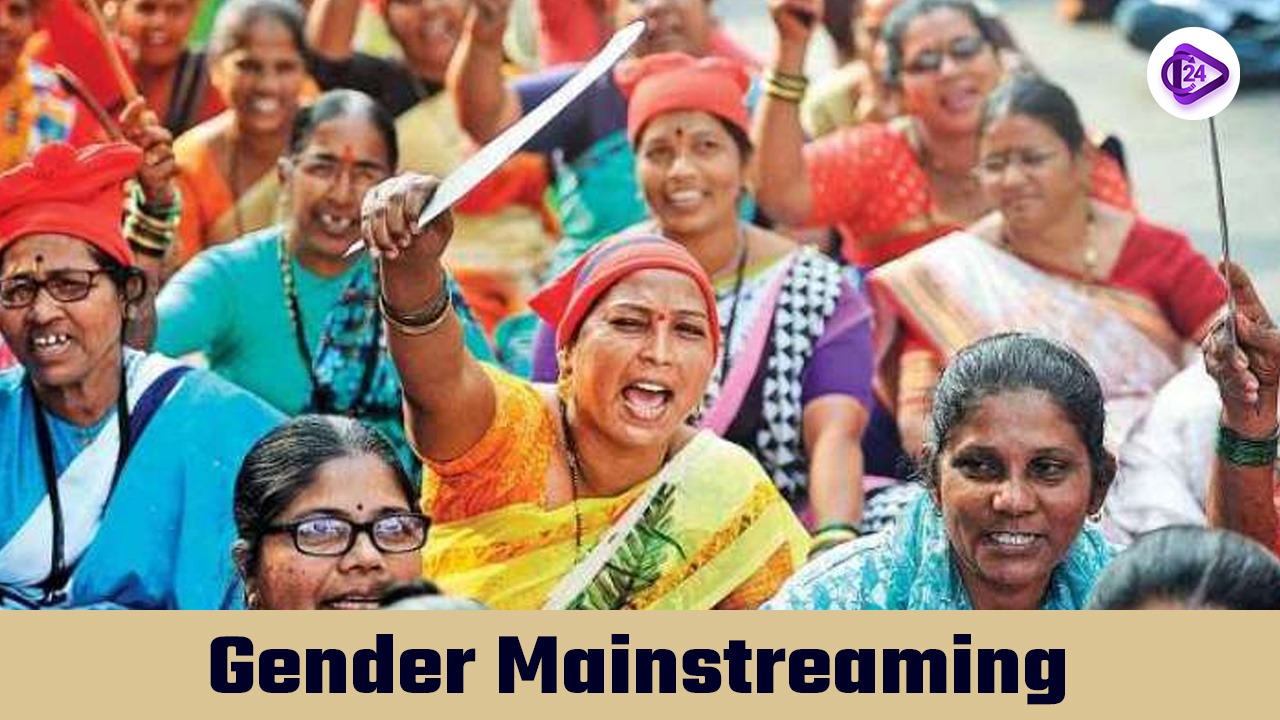
Gender Mainstreaming: An evolving landscape of feminism in India

Feminism in India functions as an active movement that fights for equal opportunities for women throughout all social fields, economic structures, and political institutions. The Indian feminist movement has developed into its present form through time during which it changed according to Indian historical, cultural, and social environments. The feminist movement in India started under male leadership because its origins came from men fighting for social change as opposed to Western feminism which began as a men's struggle for women to gain political rights. The movement grew through time to embrace additional concerns involving caste alongside class, religious groups, and rights for LGBTQ+ persons which diversified its focus.

Throughout different historical periods, the feminist movement in India has experienced substantial changes by transitioning from a reform-based orientation to adopting a modern intersectional and inclusive framework.  Feminism in India developed its direction based on the characteristics of social change alongside political and economic developments. At the beginning of its feminist movement, India focused on social reforms instead of the Western pattern which centered on civil and political rights.

Evolution of Feminism in India: A Historical Perspective

The feminist movement of India developed through four distinct historical periods which brought separate socio-political patterns during each stage.

First Phase (19th Century – Early 20th Century): Social Reforms

The movement for social reform in India was initiated by male leaders including Raja Ram Mohan Roy and Ishwar Chandra Vidyasagar together with Jyotirao Phule.

Focus Areas:

  • Abolition of Sati and child marriage.

  • Promotion of widow remarriage (Vidyasagar).

  • Advocacy for women’s education (Savitribai Phule, Fatima Sheikh).

  • Affluent Hindu women of higher castes became the sole recipients of positive impacts during this phase.

Challenges:

  • Lacked a strong women-led movement.

  • The introduced social reforms failed to address how family and marriage structure depended on patriarchy.

  • The notion of intersectionality failed to consider how lower-caste and tribal women were missing from its discussions.

Second Phase (1915–1947): Political Participation & Nationalist Movement

The political sphere gained new significance when women transferred their social reformer efforts into active participation in struggles for change.

Key Developments:

  • Formation of All India Women’s Conference (AIWC), Women’s India Association (WIA), and National Federation of Indian Women (NFIW).

  • Mahatma Gandhi’s influence: Encouraged women’s participation in the freedom movement (Non-Cooperation & Civil Disobedience Movements).

  • Sarojini Naidu alongside Aruna Asaf Ali and Kasturba Gandhi became influential leaders during this time.

Limitations:

  • The nationalist movement considered women's rights less important than the dedication to nationalistic objectives.

  • Women occupied their conventional role in society where they fulfilled duties as mothers and caregivers.

  • The main distribution of political activities occurred in urban areas while being driven by upper-caste groups.

Third Phase (Post-1947 – 1990s): Women’s Rights & Legal Reforms

The transfer of power from the British colonial government to state control resulted in modern gender equality policy development.

Key Developments:

  • Constitutional provisions for gender equality (Articles 14, 15, 16).

  • Legal reforms: Hindu Code Bill (1955-56), Dowry Prohibition Act (1961), Equal Remuneration Act (1976).

  • The Committee on the Status of Women in India produced Towards Equality (1974) to expose gender inequalities in the nation.

  • Mathura Rape Case (1972) → Led to amendments in rape laws, the emergence of women’s activism.

Challenges:

  • Patriarchy within the legal system: Implementation gaps in laws.

  • The workplace treats women as supplementary staff to be called in when needed.

  • Upper-caste and urban feminists tend to ignore the problems faced by rural and Dalit women so their issues receive minimal attention.

Fourth Phase (1990s-Present): Intersectionality & Digital Feminism

Acceptance of diverse characteristics by the justice system which includes caste together with class, sexual orientation, and gender identities.

Key Developments:

  • Vishaka Judgment (1997): Framework for workplace sexual harassment laws.

  • Bhanwari Devi case: Highlighted caste and gender-based violence.

  • Rise of Dalit feminism, Adivasi feminism, Queer feminism.

  • Digital movements through #MeToo, Pinjra Tod, and Internet advocacy for making marital rape punishable and LGBTQ+ rights defense have become increasingly prominent.

New Challenges:

  • Rural women face the challenge of experiencing harassment in the online world and encounter cyberbullying while being systematically excluded online.

  • Deep-rooted cultural biases against feminism.

Key Issues in Indian Feminism

A. Intersectionality & Inclusion

  • The traditional feminist movement mainly served members who belonged to upper castes and resided in urban areas while holding middle-class status.

  • Female members of Dalit, Adivasi, and Muslim groups face a compound system of societal discrimination.

  • The proposed remedy features this solution which recognizes that different groups require unique policy patterns.

B. Legal Framework vs. Implementation

  • The nation has several progressive statutes including the Pocso Act, the Dowry Act, and Domestic Violence Act yet their implementation remains ineffective.

  • National Crime Records Bureau statistics indicate that domestic violence and rape convictions remain exceptionally low according to official reports.

  • Relief for elections alongside stronger local government representation should be implemented through the Panchayati Raj model.

Feminism & State Policy in India

Constitutional Provisions

  • Article 14: Equality before the law.

  • Article 15(3): Special provisions for women & children.

  • Article 16: Equal opportunities in public employment.

  • Article 39(d): Equal pay for equal work.

  • Article 42: Maternity relief.

Government Initiatives

  • Beti Bachao Beti Padhao: Addresses declining Child Sex Ratio (CSR).

  • The Maternity Benefit (Amendment) Act of 2017 grants workers and women employees 26 weeks of paid maternity leave.

  • One Stop Centre Scheme: Provides support to survivors of violence.

  • SHe-Box (Sexual Harassment Electronic Box): Online complaint portal for workplace harassment.

Future Directions: The Way Forward

A. Strengthening Intersectionality

  • Relevant action must be taken to address women who live in rural areas along with service provision for Dalit, Muslim, and LGBTQ+ communities.

  • The economy must include provisions to minimize exclusion based on caste and gender differences within its frameworks.

B. Law & Policy Reform

  • Step one should involve the criminalization of marital rape while improving services that support survivors.

  • Strict implementation of workplace harassment laws.

C. Economic & Political Empowerment

  • Women should join the workforce in greater numbers through the implementation of accommodating employment policies.

  • Pass the Women’s Reservation Bill.

D. Role of Technology & Digital Activism

  • Remote groups of women should get safe access to digital platforms.

  • The control of cyber harassment together with deepfakes and gendered misinformation must receive regulation.

Conclusion

India has undergone a fundamental shift in its feminist movement since the 19th century social reform period transitioning into the current 21st century practice of intersectional advocacy. The existing constitutional provisions with laws have not overcome their enforcement difficulties. Indian feminist movements of the future need to prioritize both inclusivity through representation and economic empowerment and digital security for women to achieve complete gender equality.

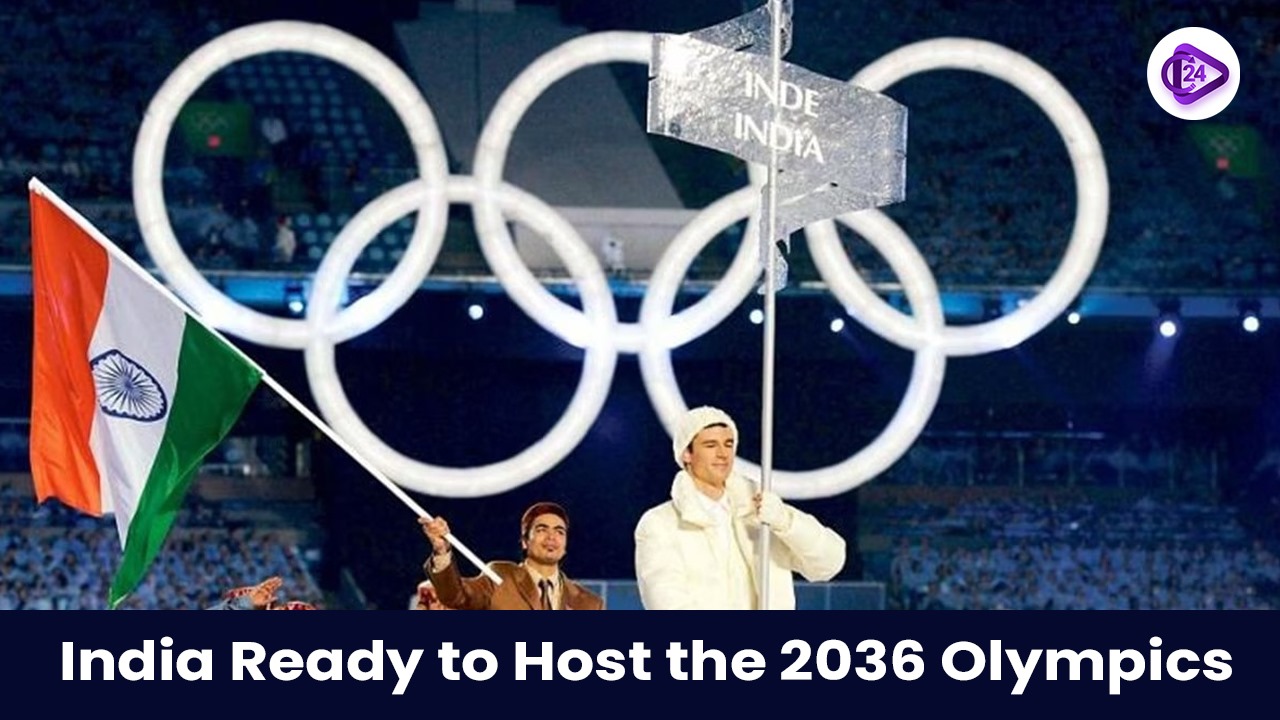
India Ready to Host the 2036 Olympics: Amit Shah’s announcement at the 38th National Games

Union Minister Amit Shah made an official statement that India would organize the 2036 Olympics to establish itself as a leading sports nation in the world. The nation advances in several sports disciplines through vital infrastructure development and strengthening sports culture while receiving substantial investments. A full evaluation of logistics and infrastructure alongside financial aspects and sport-focused systems constitutes necessary criteria before organizing such a major event.

India’s Sporting Growth and Aspirations

  • The nation has experienced substantial sports development during the last decade because of government backing combined with Khelo India and Target Olympic Podium Scheme (TOPS) initiatives. 

  • The government demonstrates its dedication through its substantial rise of budgetary support from ₹800 crore in 2014 to ₹3,800 crore. 

  • Various international sports success by India represents a valid reason to pursue hosting a global athletic championship.

Olympics Timeline

Edition

Year

Host City

Country

Date

Last 

2020 (held in 2021)

Tokyo

Japan

July 23 – August 8, 2021

2024

Paris

France

July 26 – August 11, 2024

Future

2028

Los Angeles

USA

July 21 – August 6, 2028

2032

Brisbane

Australia

July 23 – August 8, 2032

Challenges in Hosting the Olympics

The country confronts many serious obstacles while trying to benefit from widespread enthusiasm.

  • Infrastructure: Hosted the 2010 Commonwealth Games but organizing an Olympics requires first-class facilities including stadiums together with athlete residential areas and transportation systems connecting different cities.

  • Budget Issues: International sporting events require enormous financing which commonly results in budgetary overruns for all previous host countries.

  • Administrative Problems: Smooth execution requires the Indian sports administration to overcome existing problems with administrative efficiency including corruption and poor management strategies.

  • Better training for sportsperson: India has registered improvements yet it faces difficulties attaining positions within the top 10 for Olympic medals. Grassroots development alongside athlete training requires better focus to achieve progress.

Way Forward

India requires the following four strategic elements to produce a successful bid for the 2036 Olympics.

  • Infrastructure Development: The nation needs to strengthen sports infrastructure throughout various cities.

  • Better administrative services: Sports organizations should develop better governance systems that maintain clear transparency.

  • PPP model: The government needs to establish alliances between private enterprises and public organizations for effective financial investment management.

  • Better training: Athlete training together with performance enhancement continues to be the main priority.

Conclusion

The Indian ambition to host the 2036 Olympics demonstrates both national progress and a rising worldwide position. Successful execution of the event along with thorough planning together with funding and structural changes will produce an impactful athlete competition. A successful Olympic Games will benefit India by enhancing its international recognition after leaving behind a permanent impact that advances sports growth throughout India.

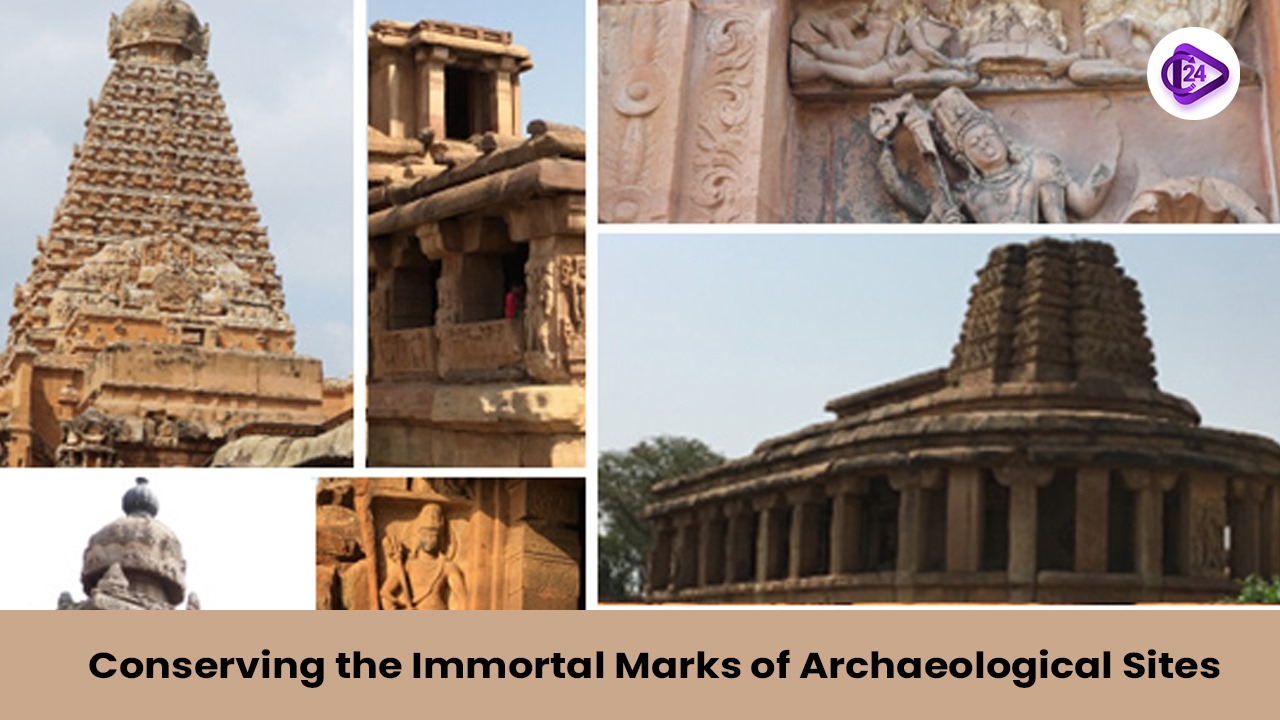
Conserving the Immortal Marks of Archaeological Sites: Conservation Amidst Modern Challenges

The archaeological sites Khajuraho, Hampi, and Somnath in India encounter multiple threats from environmental changes, pollution, and development into urban areas. ASI started its operation in 1861 to monitor 3,698 monuments under the Ancient Monuments and Archaeological Sites and Remains Act of 1958. The funding for conservation measures reached ₹443.53 crores during 2023-24 after authorities increased their budget by 70%. ASI employs climate-resilient strategies, Automated Weather Stations (AWS) with ISRO, air pollution monitoring, and disaster preparedness under NDMA guidelines. Through legal guidelines, the state implements both encroachment prevention measures and security measures. India safeguards its cultural heritage through the National Conservation Policy which was established in 2014. The combined efforts of proactive conservation activities stop past historical landmarks from disappearing as ancestors view them.

Importance of India’s Archaeological Heritage

  • The nation possesses multiple internationally renowned archaeological sites along with Khajuraho, Hampi, and Somnath Temple among them.

  • The historic sites in India showcase three primary dimensions of the nation's background bestowing architectural supremacy and cultural richness between the Himalayas and Kanyakumari regions.

  • The archaeological sites serve as vital components that both support national identity develop historical awareness and draw tourists.

Threats to Archaeological Sites

  • Extreme environmental changes through rising sea levels combined with extreme temperatures, torrential rains, forest fires, and strong winds quicken the natural decay of archaeological sites.

  • Environmental dangers consisting of pollution and encroachments and urbanization and quarrying operations create hazards for monuments.

  • Archaeological sites face degradation issues because of how well materials were produced and what building methods were used plus natural catastrophic events.

Role of the Archaeological Survey of India (ASI)

  • The Archaeological Survey of India was established in 1861 to guard 3,698 nationally important monuments.

  • Monuments are safeguarded via two legal acts including the Ancient Monuments Preservation Act (1904) and the Ancient Monuments and Archaeological Sites and Remains Act (1958).

  • The maintenance strategy follows the principle of doing only essential work to protect site authenticity.

  • The organization utilizes 37 Circle offices together with 1 Mini Circle to manage conservation programs at specific sites across the nation.

Increased Funding for Conservation

  • The government budget for the ASI experienced a 70% growth from 2020-21 to 2023-24.

  • 2020-21: ₹260.90 crores allocated, ₹260.83 crores spent.

  • The conservation program for monuments received ₹443.53 crores in funding during both the 2023-24 fiscal years and spent all the allocated amount.

Climate-Resilient Conservation Measures

  • A comprehensive system of regular site checks exists for the detection of damage from climate change.

  • Weather-resisting scientific strategies maintain architectural structures in their original state.

  • ISRO operates Automated Weather Stations (AWS) to monitor heritage site wind speeds and rainfall and environmental temperatures.

  • Two pollution labs equipped at the Taj Mahal (Agra) and Bibi Ka Maqbara (Aurangabad) track the level of air pollution.

  • ASI works with government bodies to establish complete preservation strategies through coordination efforts.

  • ASI engages in disaster management workshops among other activities through its participation with UNESCO and NDMA facilities.

  • The National Disaster Management Guidelines have been developed to ensure preparedness at cultural heritage sites.

Legal and Security Safeguards

  • Monuments receive protection from the Ancient Monuments and Archaeological Sites and Remains Act 1958.

  • Superintending Archaeologists are authorized to exercise eviction powers through the Public Premises Act of 1971 for encroachment control.

  • Specific monuments receive protection through combined forces of CISF and private security staff.

  • The 2014 National Conservation Policy functions as the main direction for protected site preservation activities.

  • Section 30 of the 1958 Act imposes legal penalties on those who misuse or destroy monuments according to the Act.

Conclusion

  • Conducting ongoing environmental regulations plus substantial legal protocols and security measures is necessary to safeguard India's cultural heritage.

  • ASI guides these historical treasure protection efforts together with government bodies and international organizations.

  • India’s culture will stay safeguarded for the next generations through forward-thinking conservation strategies.

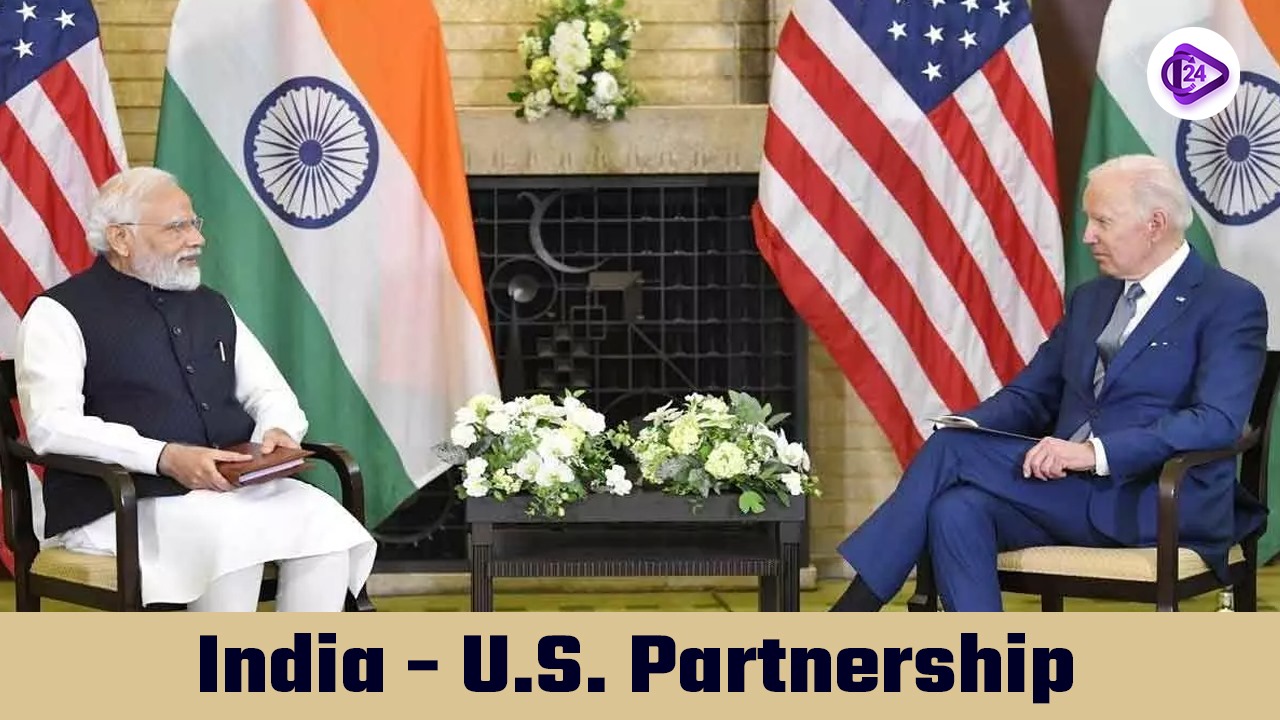
India-U.S. Mission 500: Strengthening Trade and Strategic Ties

Prime Minister Modi together with President Trump strengthened the India-U.S. Comprehensive Global Strategic Partnership through the launch of defense initiatives and trade initiatives as well as energy and technology partnerships. A new 10-year defense framework strengthened defenses and the two parties agreed to co-produce futuristic military equipment. India and the United States have set "Mission 500" as their trading objective to reach a $500 billion value by 2030. Both nations extend their efforts to expand their cooperation in the oil, gas, and nuclear domains. US-Indian TRUST stands as an initiative that concentrates its efforts on Artificial Intelligence alongside semiconductor technology while addressing space-related matters. The participating countries made official commitments to build stronger ties in counterterrorism operations and maritime strategies as well as Indo-Pacific security. The partnership focused on developing stronger social bonds between nations and mobility systems that will create a long-lasting beneficial relationship for worldwide peace prosperity and security.

  1. Strengthening the Strategic Partnership

    • Both nations endorsed the India-U.S. Comprehensive Global Strategic Partnership which depends on mutual trust and shared objectives together with ties between their citizens.

    • COMPACT (Catalyzing Opportunities for Military Partnership, Accelerated Commerce & Technology) established by U.S.-India allowed both parties to enhance their cooperative efforts.

  2. Defense Cooperation

    • Two parties will sign a ten-year U.S.-India Major Defense Partnership agreement.

    • The partnership includes defense product transfers and joint manufacturing activities between the U.S. and India with Javelin Anti-Tank Guided Missiles and Stryker Infantry Combat Vehicles at the core.

    • The government plans to establish a Reciprocal Defense Procurement agreement which will harmonize defense trade regulations.

    • The ASIA (Autonomous Systems Industry Alliance) needs to enhance its autonomous defense system capabilities.

    • The military forces plan to undertake extended joint exercises led by Tiger Triumph which involves all branches of the defense.

    • Indian and American forces have agreed to work together on logistics operations alongside intelligence exchange as well as mobility capabilities for Indo-Pacific operations.

  3. Trade and Investment

    • The organization launched "Mission 500" as an effort to achieve $500 billion in bilateral trade during the next decade.

    • BTA negotiations between the two countries will start in 2025 to create improved market entry points and minimize commercial limitations.

    • The bilateral trade relations between India and the United States expanded through reciprocal reductions of bourbon tariffs along with motorcycle, ICT products, and metal tariffs as well as permission for importing Indian mangoes and pomegranates.

    • The United States accepted $7.35 billion in Indian investments that created 3,000 jobs in U.S. industrial sectors.

  4. Energy Security

    • Both the United States and India will enhance their joint energy security arrangements to establish affordable energy prices and maintain market steadiness.

    • The United States declared official support for India to become a member of the International Energy Agency.

    • The two nations vowed to boost their trade of hydrocarbons LNG and petroleum products.

    • New nuclear cooperation between the countries will include U.S. technical support for local nuclear reactor manufacturing within Indian territory.

  5. Technology and Innovation

    • TRUST (Transforming the Relationship Utilizing Strategic Technology) proved to be a key U.S.-India initiative that was launched in parallel.

    • India’s AI capabilities will receive backing through an established AI Infrastructure Roadmap.

    • The two countries will deepen their collaboration regarding semiconductors as well as quantum computing biotech space exploration and critical mineral research.

    • The United States and India jointly announced the Strategic Mineral Recovery initiative which seeks lithium, cobalt, and rare earth mining operations.

    • NASA and ISRO intend to work together on sending an Indian cosmonaut to the ISS while launching the NISAR mission.

  6. Multilateral Cooperation

    • The strategy involves maintaining a free open Indo-Pacific policy while maintaining ASEAN's central position and maritime security roles.

    • India has assumed a leadership position in Combined Maritime Forces to enhance military relations in the Arabian Sea region.

    • The United States expects Pakistan to solemnly fulfill its commitment to prosecute all terrorists responsible for the 26/11 Mumbai attacks and the Pathankot terrorist incidents.

    • Tahawwur Rana received authorization to be extradited to India by the government bodies.

  7. People-to-People Ties

    • The contribution of the Indian student community generates 8 billion dollars annually for the U.S. economy.

    • The administration aims to enhance visa processing for academic and professional applicants and work on illegal migration control to stop human trafficking.

    • Strengthened law enforcement cooperation against organized crime, narco-terrorism, and cyber threats.

  8. Commitment to Continued Engagement

    • The leaders agreed to maintain continuous contact at the highest levels between government departments, industries, and academic institutions.

    • The leaders are dedicated to sustaining an unending India-U.S. partnership that supports international stability alongside Indo-Pacific freedom.

Conclusion

The Joint Statement demonstrates how both countries have strengthened their strategic partnership which unites their democratic principles with their mutual interests. The two nations strengthen their collaboration through their mutual agreements which link defense with trade and energy as well as technology along with people-to-people interactions. The start of COMPACT, TRUST along with Mission 500 marks the beginning of long-term multinational partnerships aimed at boosting economic advancement and community defense throughout the region. Strategic global stability will improve through increased cooperation between the two nations specifically in defense co-production and AI industries together with space exploration and counterterrorism initiatives. The bilateral statement establishes both nations as strategic partners who guide global geopolitical developments and economic wealth creation during the twenty-first century while aiming for an Indo-Pacific region that remains free and open.

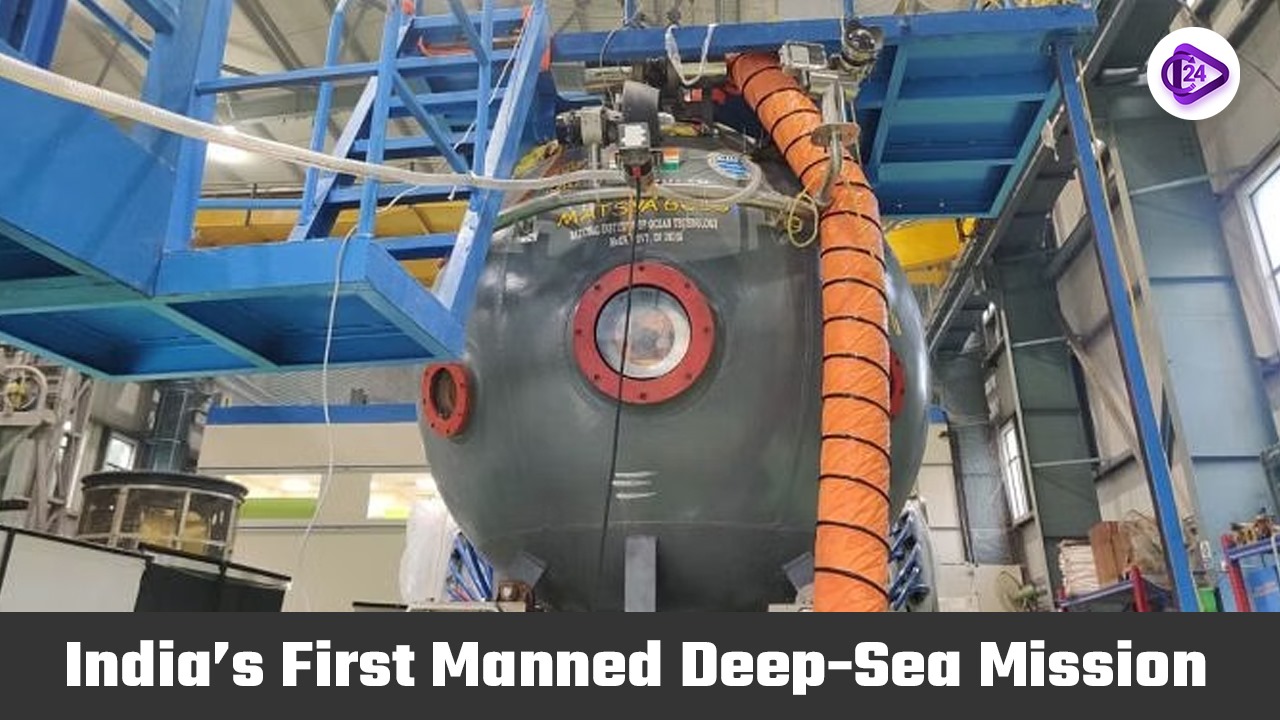
India’s First Manned Deep-Sea Mission: Matsya 6000 to Launch in 2026

India’s Deep Ocean Mission will introduce its manned submersible Matsya 6000 in 2026 aiming to put India among five countries US, France, China, Russia, and Japan able to perform deep-sea exploration. The Samudrayaan Project at NIOT Chennai developed Matsya 6000 as their deep-sea submersible meant for ocean research studies. A ₹4,077 crore mission managed by the Earth Sciences Ministry strives to observe deep-sea biodiversity while studying marine ecosystems and valuing cobalt and manganese as well as rare earth element resources.  Matsya 6000 incorporates modern safety and navigation systems to boost Indian deep-sea technology which enables research and resource exploration in deep ocean areas.

Context:

  • Under the Deep Ocean Mission (DOM) India will initiate its inaugural manned submersible Matsya 6000 during 2026.

  • The mission positions India inside the exclusive consolidated group of five nations (US, France, China, Russia, and Japan) that can execute deep-sea manned exploration.

  • A representative from the Union Minister of Earth Sciences approved the project.

What is Matsya 6000?

  • The underwater exploration capability of Matsya 6000 operates as a deep-sea manned submersible.

  • The development of Matsya 6000 took place under the Samudrayaan Project which functions as a component of the Deep Ocean Mission (DOM).

  • Matsya 6000 was constructed at the Chennai facility of the National Institute of Ocean Technology (NIOT).

Ministry & Budget

  • The Earth Sciences Ministry stands as the implementation authority for this program.

  • Deep Ocean Mission serves as a funding source which comprises ₹4,077 crore for deep-sea exploration objectives.

Aims and Objectives

  • The objective of surveying involves mapping deep-sea biodiversity alongside studying marine ecosystem dynamics.

  • The survey focuses on mineral exploration of cobalt along with manganese and copper and rare earth elements.

  • Research support for oceans will be combined with literacy campaigns for marine environments and tourist initiatives for the ocean.

  • India will enhance its technological competence for manned deep-sea explorations through this effort.

Key Features of Matsya 6000

  1. Deep-sea Capability

    • Matsya 6000 functions between 6,000 meters under the ocean surface.

    • Operational endurance: 12-16 hours of deep-sea exploration.

    • Emergency survival: 96-hour life support for crew safety.

  2. Structural Design

    • Crew Capacity: Houses three crew members.

    • The sphere structure has a diameter of 2.1 meters and consists of 80mm thick titanium alloy material to withstand extreme pressure conditions.

  3. Advanced Navigation & Communication Systems

    • Ultra-Short Baseline (USBL) Acoustic Positioning System for real-time underwater tracking.

    • Continuous surface contact remains possible through voice and data communication systems installed on board.

  4. Safety & Redundancy Measures

    • The safety measures incorporate triple redundant systems that distribute across buoyancy devices power systems and life support components which work together for maximum protection.

    • The syntactic foam flotation device can automatically return the equipment to the surface in case of emergencies.

Functions of Matsya-6000:

  1. Deep-Sea Exploration

    • Scientists should perform biodiversity examinations at hydrothermal vents and methane seeps to study chemosynthetic organisms.

    • Researchers need to assess both the floor composition and health state of marine ecosystems.

  2. Resource Assessment

    • Researchers should identify the mineral deposits of cobalt, manganese and rare earth elements.

    • Scientists need to evaluate the possibility of extractable minerals in deep-sea zones and develop methods to extract them sustainably.

  3. Scientific Research & Technological Advancement

    • Marine archaeology should receive support alongside deep-sea engineering innovation development.

    • Deep-sea biodiversity serves as the study subject for contributing to research about climate change.

Conclusion

Matsya 6000 stands as a major achievement for deep-sea research in Indian territory because it simultaneously advances scientific discoveries and evaluates resources. The mission realizes India's goals of developing the blue economy together with technological self-reliance and ocean conservation projects.

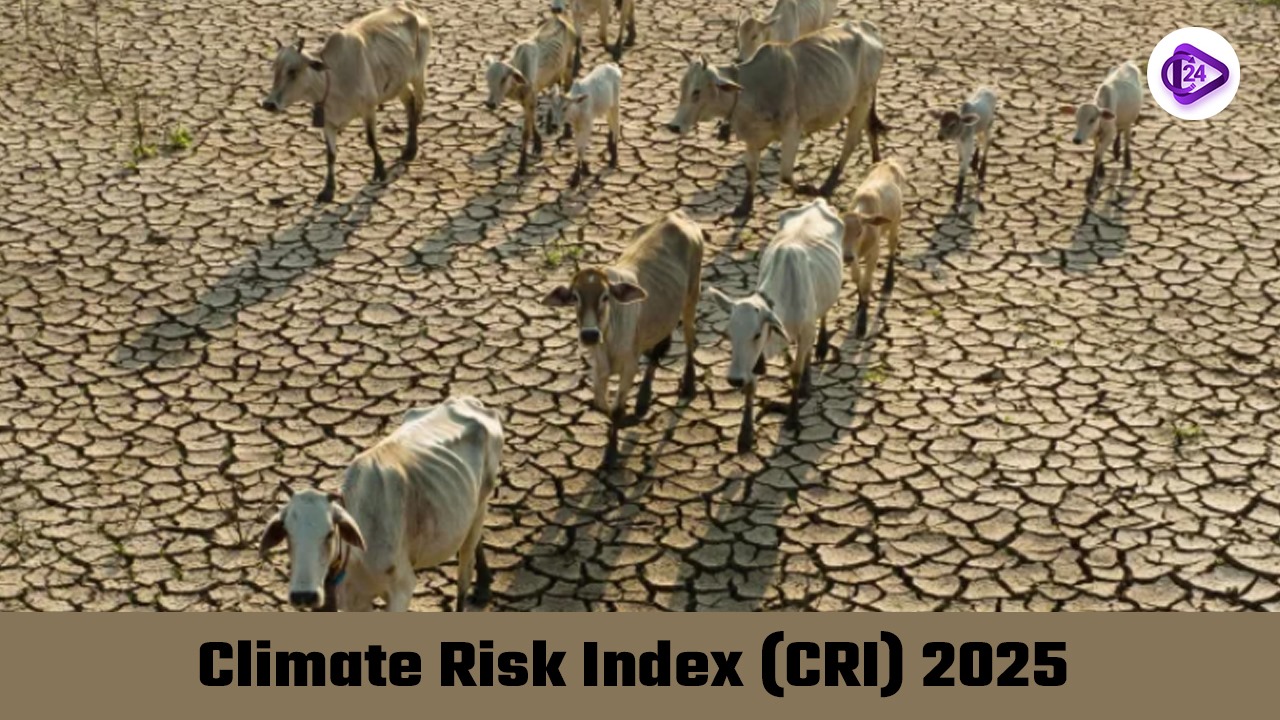
Climate Risk Index (CRI) 2025: Global and India’s Performance

The Climate Risk Index (CRI) 2025 highlights the impact of extreme weather events globally. During 1993-2022 India held the ranking of 6th most affected country but rose to 49th place in 2022. Germanwatch has published CRI annually since 2006 to evaluate climate-induced disaster losses to develop global policy recommendations. The assessment methodology includes counting human casualties together with population numbers hit by disasters as well as economic damage and overall extreme weather occurrences. Dominica, China, and Honduras maintained the status of most affected countries during 1993-2022 but Pakistan followed by Belize and Italy emerged as the most impacted during 2022. During the past thirty years, India faced more than 400 extreme events resulting in the deaths of 80,000 people while sustaining losses amounting to $180 billion. India achieved better results in its disaster management and climate resilience programs since its previous vulnerable state.

Overview: 

  • The Climate Risk Index (CRI) 2025 highlights the increasing impact of extreme weather events worldwide.

  • During the period (1993-2022) India occupied the sixth spot among most affected countries yet achieved a better rank of forty-nine for 2022.

About the Climate Risk Index (CRI)

What stands as the main function of the Climate Risk Index?

  • The rankings of countries conducted by CRI represent their susceptibility to extreme weather conditions.

  • The evaluation determines human casualties along with economic damage stemming from disasters influenced by climate change.

Published by & Frequency

  • The environmental research organization Germanwatch released this publication.

  • The organization publishes the Annual Report annually since 2006 while providing thirty years of historical data.

Aim of CRI

  • Extensive weather event implications receive evaluation through comparative analysis.

  • The index serves as a tool for steering international climate guidelines as well as risk reduction strategies.

  • The analysis focuses on identifying affected regions while strengthening attention towards climate resilience measures.

CRI Methodology and Criteria

The CRI ranking is based on:

  • High numbers of deaths originated from climate disaster events and those occurring in unrelated ways.

  • The affected population consists of those injured as well as those displaced and those facing any direct consequences.

  • Economic Losses – Infrastructure, agriculture, and GDP losses.

  • The number of severe weather events evaluated floods in combination with storms and heatwaves and droughts together with wildfires.

  • Long-Term Impact (1993-2022) and Short-Term Impact (2022) analysis.

Key Findings from CRI 2025

  • Most Affected Countries (1993-2022):

    • The three countries facing the maximum impact from climate disasters are Dominica followed by China then Honduras.

    • The country achieved place 6 together with Myanmar, Italy, and Vanuatu among the top ten nations.

  • Most Affected Countries in 2022:

    • Weather-related disasters had their greatest impact on Pakistan followed by Belize and then Italy.

    • The primary environmental triggers behind these events involve heat waves together with storms that also produce flooding conditions.

  • Top Disasters by Impact (1993-2022):

    • The economic impact of storms created 35% of all costs which amounted to approximately $2.33 trillion during that period.

    • Heatwaves (30%) led to significant fatalities.

    • Floods (27%) affected the largest population.

India’s Performance in CRI

  • Long-Term Ranking (1993-2022):

    • The sixth position as the worst-affected nation globally belonged to India.

    • A total of more than 400 severe weather-related incidents have occurred since the start of thirty years.

    • 80,000+ deaths and $180 billion in economic losses due to climate disasters.

  • Short-Term Ranking (2022):

    • The country improved its short-term position by ranking at 49th spot compared to its 7th place ranking in 2019.

Conclusion

The CRI 2025 report establishes that vulnerable nations like India require immediate measures to build climate adaptation strategies. Extreme weather events continue to pose significant threats to India even though the country has experienced short-term progress. The vital steps include enhancing disaster preparedness alongside developing climate resilience and sustainable policies to reduce future perils.

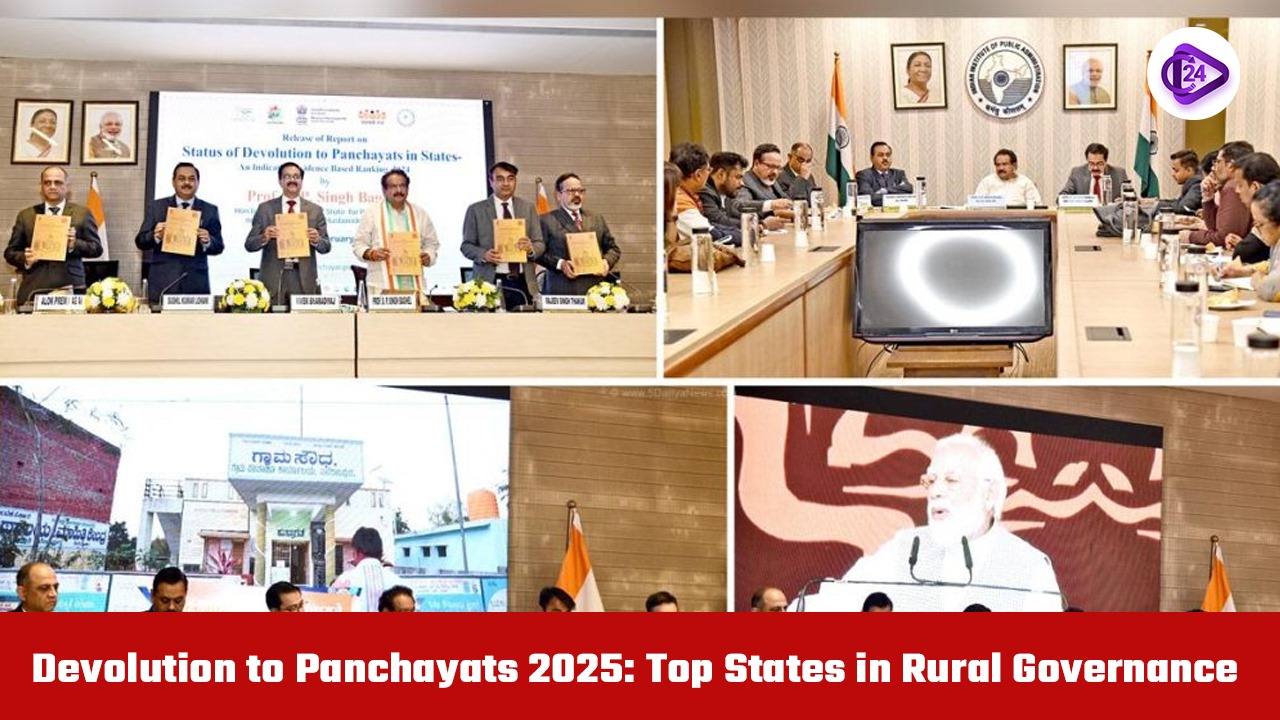
Status of Devolution to Panchayats in States – 2025 Report

During an event in New Delhi, the "Status of Devolution to Panchayats in States" Report received a public release from Union Minister of State Prof. S.P. Singh Baghel. The document presents an evidence-based state ranking system describing the extent of power distribution between Panchayati Raj Institutions and states. The evaluation analyzes State-related efforts to strengthen Panchayati Raj Institutions (PRIs) according to the 73rd Constitutional Amendment. The report stimulates states to enhance their local governance structure by ensuring better transparency accountability and operational efficiency.

About the Report

Prepared by: 

  • Indian Institute of Public Administration (IIPA) commissioned by the Ministry of Panchayati Raj (MoPR).

Key Findings of the Report

Overall Devolution Trends (2013-14 to 2021-22):

  • Rural Local Bodies received increased devolution which evolved from 39.9% to 43.9%.

  • The Rashtriya Gram Swaraj Abhiyan (RGSA) led to an enhanced Capacity Enhancement Index that rose by 11 percentage points to 54.6%.

  • Affiliations within local government functions saw a noteworthy rise from 39.6% to 50.9% because Panchayats received more infrastructure along with an expanded workforce.

Top 10 States in Panchayat Devolution Index:

Rank

State

1

Karnataka

2

Kerala

3

Tamil Nadu

4

Maharastra

5

Uttar Pradesh

6

Gujarat

7

Tripura

8

Rajasthan

9

West Bengal

10

Chhattisgarh

Medium Scoring States (DI Score between 50-55):

  • Andhra Pradesh, Himachal Pradesh, Madhya Pradesh, Odisha.

Success Stories:

  • Uttar Pradesh (Rank 5, from Rank 15):

    • The implementation of various transparency and accountability reforms produced major achievements throughout the state.

    • Strengthened financial audits and anti-corruption measures.

  • Tripura (Rank 7, from Rank 13):

    • The state successfully managed both its revenue collection and economic money-handling processes.

Devolution Index: Six Key Dimensions

  • The state of Kerala holds the top position regarding mandatory framework implementation for devolution purposes.

  • Tamil Nadu presents the most advanced system for transferring governance authorities.

  • The government of Karnataka demonstrates exceptional performance in managing funds alongside the distribution of finances.

  • Gujarat leads other states when it comes to developing personnel capabilities and managerial talent.

  • Telangana stands foremost for improving the capacity of its public institutions.

  • Karnataka establishes superior standards as the most transparent regional authority for governance.

Government’s Vision & Future Prospects

  • Strengthening Panchayat Bhawans:

    • These locations function as multi-purpose centers that administer rural benefits consisting of Ayushman Bharat benefits together with pension system benefits and vital community programs.

  • Digital Transformation in Panchayati Raj:

    • The establishment of new office facilities alongside internet networks together with proper accounting and auditing systems.

  • Monitoring Fund Utilization:

    • The monitoring system should stop financial irregularities and corruption in local bodies that serve rural areas.

  • Viksit Bharat & Gram Swaraj:

    • Panchayati Raj follows Prime Minister Modi's goal of rural India's economic self-sufficiency by applying Gandhi's concepts of Gram Swaraj.

Conclusion

The Devolution Index 2025 establishes itself as a benchmark tool that gauges Panchayati Raj Institution's (PRI) advancement in India. The Devolution Index 2025 establishes itself as a benchmark tool that gauges Panchayati Raj Institution's (PRI) advancement in India. The Devolution Index 2025 represents a significant landmark in evaluating Panchayati Raj Institution (PRIs) advancement in India. More reforms are needed in financial transparency and decentralization with enhanced accountability throughout states with lower standing in local governance than leaders. The development of PRIs stands as the key factor for establishing grassroots democracy and advancing rural development and sustainable governance.

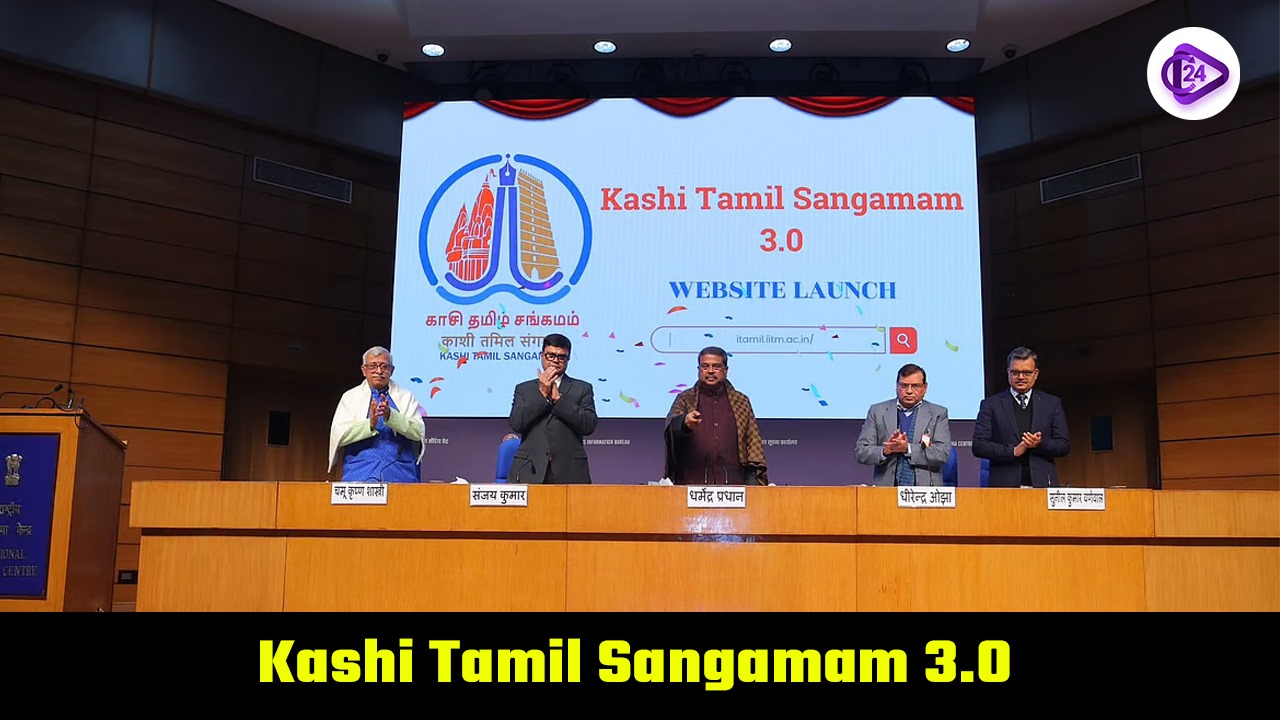
Kashi Tamil Sangamam 3.0: Celebrating Unity in Diversity

The Kashi Tamil Sangamam (KTS) 3.0 will span from February 15 to February 24, 2025, in Varanasi, Uttar Pradesh. The Ministry of Education joins forces with different ministries and the Uttar Pradesh Government to organize this esteemed cultural initiative which celebrates and enhances the historic link between Tamil Nadu and Kashi.

Kashi Tamil Sangamam (KTS) acts as an arena that gathers students along with scholars, philosophers, traders, artisans, artists, and multiple other backgrounds to share knowledge and experience cultural unification. This initiative supports the National Education Policy (NEP) 2020 objectives to merge traditional Indian intellectual heritage with contemporary educational approaches.

Shri Dharmendra Pradhan Launches Registration Portal for Kashi Tamil Sangamam Phase 3

  • Event Dates: February 15-24, 2025

  • Event Venue: Varanasi, Uttar Pradesh

  • Theme: Sage Agasthyar

  • The event features two remarkable features: fresh Kumbh attendees will see the prayer festival in Prayagraj and they can visit the recently dedicated Ayodhya's Ram Temple.

The event gains historic significance because it takes place during the Mahakumbh celebration in Prayagraj. The event provides participants with access to view the recently dedicated Ram Mandir in Ayodhya. The complete duration of the event spans 10 days until it finishes on February 24, 2025.

Aim & Significance:

  • The evaluation assesses which states have executed the empowerment process for Panchayati Raj Institutions (PRIs) according to the 73rd Constitutional Amendment.

  • The review system directs states to enhance their local governance functions through better transparency alongside accountability and efficiency improvements.

  • Assists in policy formulation for effective decentralization.

Participation and Delegation

The government has planned to bring around 1,000 delegates from Tamil Nadu under five categories:

  1. Students, Teachers, and Writers

  2. Farmers and Artisans (Vishwakarma Categories)

  3. Professionals and Small Entrepreneurs

  4. Women Self-Help Groups (SHG), Mudra Loan Beneficiaries, and Dakshina Bharat Hindi Prachar Sabha (DBHPS) Pracharaks

  5. Start-ups, Innovation, Edu-Tech, and Research

The relationship between Kashi and Tamil Nadu becomes stronger through the participation of 200 students of Tamil descent studying at Central Universities in addition to 200 visitors from Tamil Nadu. A focused initiative exists to attract young individuals from all demographic groups.


Honoring Sage Agasthyar’s Legacy

The current theme focuses on Sage Agasthyar's significant role in contributing to various aspects of Indian knowledge traditions by:

  • Siddha System of Medicine (Bharatiya Chikitsa)

  • Classical Tamil Literature

  • Cultural and Linguistic Unity

  • Philosophy, Science, Polity, and Arts

Bridging Tradition and Contemporary Discourse

Sage Agasthyar holds the position of first grammarian of Tamil while communities in Java and Sumatra show devotion to him because he promoted Indian cultural values across territories. A Kashi-based exhibition dedicated to Sage Agasthyar will display many aspects of his life alongside seminars, workshops, and multiple book releases.

Prime Minister Shri Narendra Modi established the Kashi Tamil Sangamam as an initiative that aims to protect the historical connections between Tamil Nadu and Kashi while making “Ek Bharat Shreshtha Bharat” more visible.

Key Objectives:

  • The event brings attention to all cultural and religious connections which link Tamil Nadu with Kashi.

  • Encouraging academic and research-based interactions between scholars from both regions.

  • The event will display local art traditions together with handmade crafts while presenting regional cooking to build cultural knowledge.

  • The conference offers Tamil students an opportunity to investigate the historic value of Kashi and its notable educational institutions.

Kashi Tamil Sangamam: A Journey Through the Years

The Inaugural Edition: KTS 1.0 (2022)

The first edition of Kashi Tamil Sangamam occurred from November 16 to December 16 2022 while the event received full backing from the government. The cultural immersion of 2,500 Tamil people from 12 sectors took them throughout Varanasi, Prayagraj, and Ayodhya.

KTS 2.0 (2023): Strengthening Intellectual and Cultural Ties

The second edition of KTS followed the previous success of KTS 1.0 and took place at Namo Ghat in Varanasi from December 17 to December 30, 2023. Delegates received real-time Prime Minister speech translation in Tamil through an app for the very first time at this event.

Conclusion

The Kashi Tamil Sangamam 3.0 has a future launch date in February 2025 to establish long-term connections between Tamil Nadu and Kashi culturally and intellectually. The initiative enables India to embrace its extensive heritage through diverse delegate participation thus supporting the Ek Bharat Shreshtha Bharat vision.

Frequently Asked Questions (FAQs)

The current affairs cover recent national and international events related to UPSC, SSC, Banking, Railways, and State PCS.

You need to read about the current affairs daily, and revise them every week and every month to keep them longer in your memory.

Yes, Class24 provides free downloadable Daily Current Affairs PDFs for easy revision.

Yes, you can practice MCQs and quizzes to boost your exam preparation.

Absolutely. The content is written in simple, easy-to-understand bilingual language suitable for beginners.

Go to class24.com and click on the current affairs section directly, where you find everything that you need.

ssc-toppers

Start Learning Today with Class24

Related current affairs

Class24 offers free video lectures for smart preparation, covering CGL, CPO, CHSL, MTS, and GD exams. Learn from expert faculty, revise concepts easily, practice with PYQs, and improve speed and accuracy through high-quality, exam-focused video lessons anytime, anywhere.

Get success in your hand. Start study anytime anywhere.

The journey becomes simple and enjoyable when you start taking interest in it. And through our app “Class24”, we will be your trusted partners in developing that interest.

Daily Quizzes
Mock Tests
Ongoing

No ongoing tests right now.