
Day: February 12, 2025

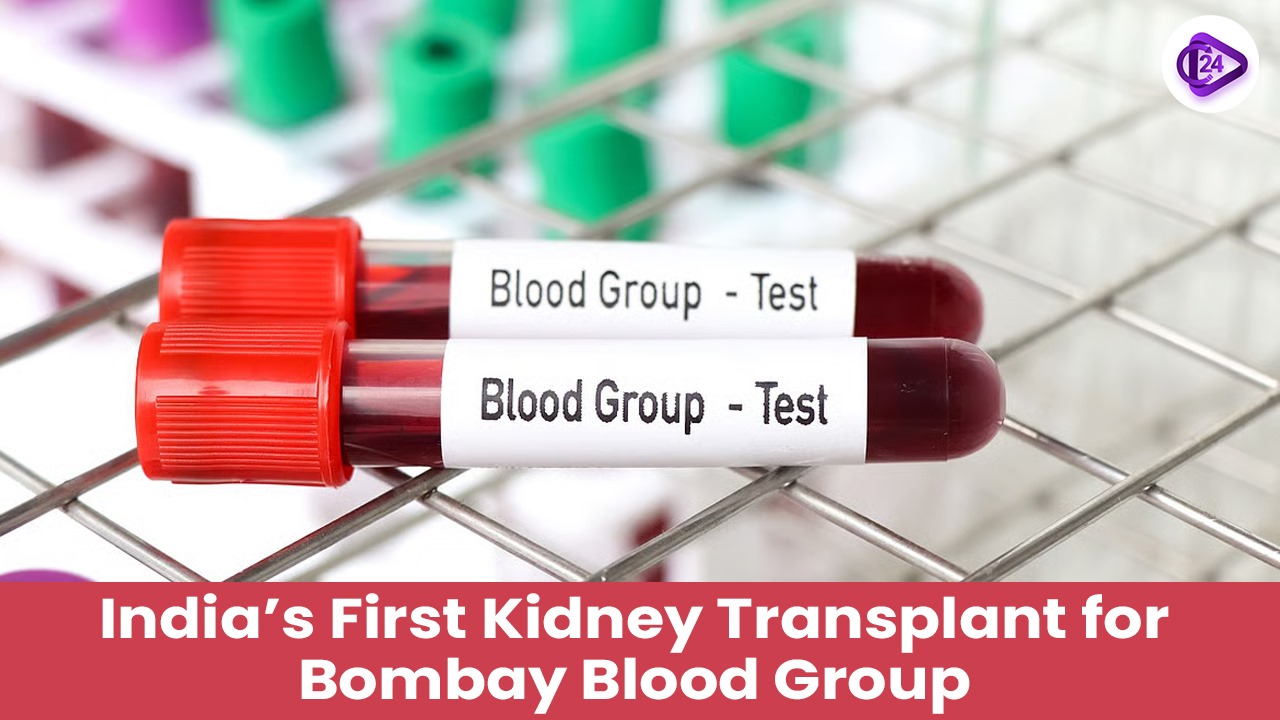
India’s First Kidney Transplant for a Patient with Rare ‘Bombay’ Blood Group

India achieved a significant medical milestone with its first successful kidney transplant for a patient with the rare Bombay (hh) blood group. A 30-year-old woman from Shirdi, suffering from end-stage kidney disease, underwent the complex procedure at Jaslok Hospital, Mumbai. The extreme rarity of her blood type made finding a compatible donor highly challenging. The Bombay blood group, first discovered in India, is found in only 1 in 10,000 Indians and 1 in a million globally. This breakthrough highlights the importance of specialized donor registries and advancements in organ transplantation.

The patient , a 30-year-old woman from Shirdi, received her kidney transplant at Jaslok Hospital in Mumbai because she had end-stage kidney disease from diabetes. The complexity of her surgery raised challenges due to her ‘Bombay’ (hh) blood group since this type proves elusive in donor searches.

Context:

  • The medical community discovered Bombay blood as its first identification place in India because it exists as an extremely rare blood type.

  • Occurrence:

    • 1 in 10,000 individuals in India.

    • 1 in a million globally.

  • People who lack H antigens create difficulties in compatibility with every blood type including O-negative.

  • This rarity complicates blood transfusions and organ transplants.

Bombay (HH) Blood Group 

Discovery & Origin:

  • The Bombay blood group received detection from Dr. Y.M. Bhende in Mumbai in 1952.

  • Scientific study workers discovered this blood type for the first time within the city that would later become Mumbai.

What Makes It Rare?

  • The absence of the H antigen distinguishes the Bombay blood group from other blood types because it occurs everywhere in every subgroup.

  • A deficiency of H antigen prevents Bombay blood group individuals from accepting blood donations from any group including O-negative blood which poses difficulties for medical transfusions.

  • The absence of H antigens in Bombay blood group individuals causes their body to produce anti-H antibodies that trigger the rejection of O group blood.

Prevalence & Distribution:

  • Global occurrence: ~1 in 4 million people (0.0004%).

  • European population: 1 in a million.

  • India (Mumbai): 1 in 10,000.

  • Regions with inter-family marriage practices along with specific community groups show the highest prevalence of the Bombay blood group.

Medical & Transfusion Challenges:

  • The routine blood group testing method often confuses Bombay donors with O donors because of the potential wrong identification.

  • Cross-matching tests of O blood fail due to the antibodies known as anti-H which identify incompatibilities.

  • People who have Bombay blood need their organ transplants to come from another Bombay blood group donor while this situation makes transplantation extremely difficult to achieve.

Composition of Blood

  • Blood is a special connective tissue composed of:

    • Plasma (55%) – Fluid matrix, 92% water.

    • Formed Elements (45%) – RBCs, WBCs, Platelets.

  • Functions: Transport of gases, nutrients, hormones, immune defense, and clotting

ABO Blood Group Tables

Conclusion 

The kidney transplant procedure for a Bombay (hh) blood group patient represents a major medical achievement in Indian medical history. Organ transplantations present special difficulties to people with rare blood type Bombay (hh) because of difficulties matching donor and recipient blood type compatibility. The successful procedure at Jaslok Hospital, Mumbai, showcases the importance of specialized donor registries and advanced medical techniques. The need for greater awareness and early screening along with continuous research exists to enhance medical support for rare blood types because it will enable better life-saving treatment access in upcoming years.

International Day of Women and Girls in Science – February 11

The annual celebration on February 11 for Women and Girls in Science helps advance both gender equality and complete female involvement in STEM disciplines. The United Nations established this initiative to eliminate all obstacles that stand between women and participation in science technology engineering and mathematics fields. The theme for 2025 focuses on "Unpacking STEM Careers: Her Voice in Science" to showcase the importance of proper inclusivity together with representation alongside opportunities for women engaged in scientific careers. The 2030 Sustainable Development Goals along with innovation require equal participation of women in STEM fields.

Context

  • This program functions as an initiative supported by the United Nations to ensure complete gender equality in science, technology engineering, and mathematics education.

  • The organization strives to eliminate gender disparities when it comes to scientific studies as well as innovation and technological development.

  • The initiative supports gender equality as part of the 2030 Sustainable Development Goals (SDGs).

Historical Background

  • The United Nations Commission on the Status of Women (55th session) proposed enhancing STEM enrollment for women during its meeting on March 14th, 2011.

  • United Nations General Assembly adopted on December 20th, 2013 emphasized women should have equal access to scientific and technological innovation.

  • United Nations General Assembly (UNGA) created February 11 as the official International Day of Women and Girls in Science through its Declaration on December 22 of 2015.

  • The 2025 anniversary will explore STEM careers while highlighting "Her Voice in Science" as its main theme.

Importance of Women in STEM

  • Worldwide research profession remains primarily dominated by men since they make up 67% compared to women who represent 33%.

  • The AISHE Report (2020-21 shows that women compose 43% of STEM graduates while their numbers in STEM job positions remain quantitatively low.

  • Limited participation of women in STEM fields results from traditional sexual stereotypes as well as inadequate mentorship connections and minimal decision-making roles and social expectations.

  • Research excellence along with sustainable innovation and development advances when women participate in scientific activities.

UNESCO's Role

  • The organization actively engages in activities aimed at reducing educational and research gender inequality.

  • The organization maintains support for legislative measures that would stimulate scientific breakthroughs through female leadership along with innovative policies

Conclusion

Women and girls must be strongly supported to enter STEM careers because it leads to better scientific innovation and world advancement. The presence of balanced gender representation in science creates new viewpoints that produce creative answers and maintain long-term success rates. The elimination of gender inequality in STEM requires governments along with institutions and societal collaboration to develop education systems combined with policy adjustments together with programs that empower women.

India Committed to Eliminating Lymphatic Filariasis by 2027: J.P. Nadda

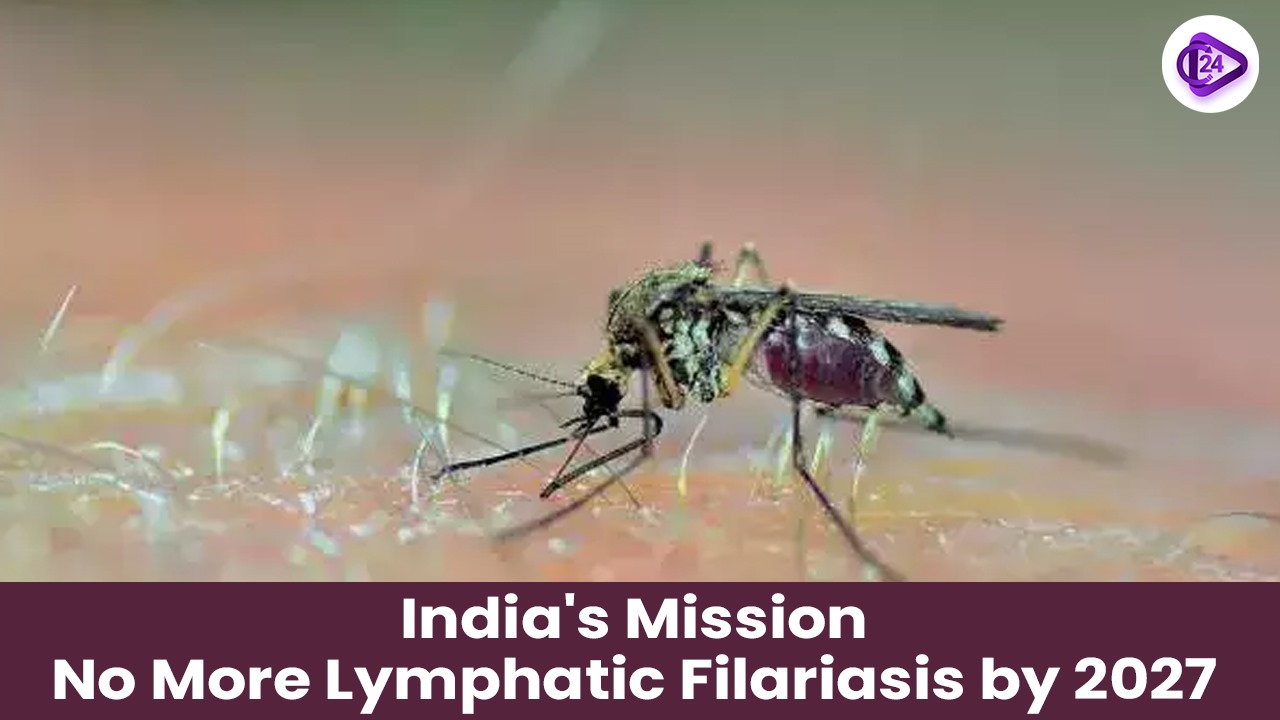
India aims to eliminate the tropical disease welfare known as Lymphatic Filariasis (LF) or elephantiasis before 2027 which exceeds the Sustainable Development Goal (SDG) deadline of 2030. J.P. Nadda the Union Health Minister initiated the special campaign of the National Mass Drug Administration (MDA) Round for its execution in 111 endemic districts located across 13 states.

Key Highlights of the Initiative

  • The Mass Drug Administration Campaign was launched through video conference for distributing preventive medicine to endemic regions' households.

  • The initiative provides preventive medication to more than 17.5 crore individuals who live in 111 endemic districts of 13 states.

  • Implementation Date: February 10 onwards, with free medication distribution.

  • A five-point approach targets more than 90% use of anti-filaria medications by eligible populations.

What is Lymphatic filariasis (LF)?

  • Lymphatic filariasis (LF), commonly known as elephantiasis, is a neglected tropical disease. Infection occurs when filarial parasites are transmitted to humans through mosquitoes. Infection is usually acquired in childhood and causes hidden damage to the lymphatic system.

Government's Strategic Approach

  • The multiple ministries run together with several departments to support the campaign activities through whole-of-government involvement.

  • The states will actively supervise programs for early detection and immediate treatment of diseases.

  • The MDA program receives enhanced compliance through active participation from elected representatives along with local bodies and health officials and their representatives.

Integration of MMDP Services:

  • Ayushman Arogya Mandirs (AAM) will receive a complete implementation of services under Morbidity Management and Disability Prevention (MMDP).

  • Each year approximately half of the lymphedema cases obtain annual MMDP kit distributions.

  • National Health Mission (NHM) along with the PMJAY scheme provides coverage for hydrocelectomy surgical procedures.

Role of State Governments

  • State health ministers together with their officials must perform the following tasks:

  • Ensuring high MDA coverage.

  • Mobilizing community participation.

  • The government must collaborate with Members of Parliament (MPs) Members of Legislative Assembly (MLAs) as well as Panchayati Raj Institutions.

  • Strategies must be developed to solve distribution problems related to medications.

Importance of MDA

  • The protocol enables prevention of microscopic filarial parasites found inside mosquitoes from spreading.

  • The program helps stop LF transmission while simultaneously enhancing public health conditions.

  • Trained health workers supervise medication intake properly to minimize medicine loss.

Safety Guidelines for MDA Medication

  • Individuals should take this medication with a meal present in their stomach.

  • Not for children below 2 years, pregnant women, or seriously ill individuals.

  • Every eligible person needs to consume their medications while being supervised by an authorized health professional.

Conclusion

India demonstrates its dedication to eliminating Lymphatic Filariasis as a part of its forward-thinking public health initiatives by 2027. The country follows an approach featuring extensive strategic interventions and committed political will and engaged community members toward the target of eliminating this damaging condition that leads to a healthier condition for millions.

Meghalaya High Court’s Action Against Assam Fertility Clinic

The Meghalaya High Court investigated the Institute of Human Reproduction at Guwahati regarding its conflicting approach and improper handling of a 50-year-old woman seeking ART treatment. The court required the center to submit a document about the feasibility of providing care with an indication of possible restrictions as a result of unsatisfactory performance. 

Overview

The Meghalaya High Court has voiced severe warnings against the Institute of Human Reproduction, Guwahati because it mismanaged the ART (Assisted Reproductive Technology) application of a 50-year-old woman. The regulation in the ART Regulation Act 2021 established that elderly patients above 50 could not access such treatment.

The medical facility first instructed Sarah to apply for court authorization before changing their position to deny any assessment due to missing facilities. The court lost trust because of this incompatible position of the hospital staff. The court directed the clinic to present an affidavit that included both safety information about the medical process and a professional medical evaluation of the patient. Any unsatisfactory response from the clinic could result in limitations being imposed on their ART service provision.

Abortion Laws in India

Legal Framework: Medical Termination of Pregnancy (MTP) Act

  • The Indian law was established in 1971 to protect legal and safe abortion services across the country.

  • The law works to combine protection for fetal rights alongside women’s right to reproductive choices through medically compassionate procedures.

Latest Supreme Court Case (2025)

  • The pregnant woman visited medical services at week 26 because she felt her physical and mental conditions were unsteady.

  • The Supreme Court justices presented conflicting rulings about abortion rights and newborn protection during this case.

  • Under the MTP Act powers to terminate pregnancies beyond 20 weeks of gestation exist only in particular medical situations.

  • The Additional Solicitor General Aishwarya Bhati filed opposition to termination as she based her stance on current legal boundaries.

Evolution of the MTP Act

(a) Original MTP Act, 1971

  • One doctor's consent was required for pregnancies up to 12 weeks of gestation to obtain a medical abortion.

  • Required two doctors' approval for abortions up to 20 weeks.

(b) 2003 Amendment

  • Introduced misoprostol, an abortion-inducing drug.

  • Extended medical abortion eligibility up to 7 weeks.

(c) 2021 Amendment

  • Abortion laws were expanded by raising the authorized period from 20 weeks to 24 weeks for medical reasons.

  • Up to 20 weeks: Requires the opinion of one medical practitioner.

  • 20-24 weeks: Requires the opinion of two registered medical practitioners.

  • Allowed termination for cases involving:

    • Threat to the woman’s life (physical/mental health).

    • Rape/incest survivors and minors.

    • Physical disabilities or fetal abnormalities are incompatible with life.

    • Changes in marital status (widowhood/divorce during pregnancy).

  • Beyond 24 weeks: Requires approval from a State Medical Board.

  • Unmarried women can seek abortions without a spouse’s consent.

Indian Penal Code (IPC) and Abortion

  • Section 312 IPC: Women obtaining abortions face criminal consequences under Section 312 IPC with a sole exception being necessary to preserve her life.

  • Section 313 IPC: Section 313 IPC states that unauthorized miscarriage can lead to life imprisonment and fines as punishment.

Challenges in Implementation

  • Shortage of trained obstetricians-gynecologists, especially in rural areas.

  • The legal stand against unsafe abortions has not stopped knowledgeable women from undertaking risky abortion procedures.

  • The risk of maternal death remains high when women perform unsafe abortions.

Common Global Practices

  • The standard gestational period allowed for abortion ranges between 12 weeks to 24 weeks but specific abnormalities of the fetus may provide additional legal options.

  • Medical risks that might impact the health of the pregnant person along with cases of rape/incest or fetal developmental disorders are recognized legal grounds for termination.

  • Certain nations mandate patients to complete waiting periods together with counseling sessions before obtaining an abortion.

  • Parental Consent for Minors: Varies across nations.

  • Medical practitioners decline to provide abortions for religious or moral reasons.

Conclusion

  • Through the MTP Act women have gained improved reproductive freedom in India.

  • While the 2021 changes brought better access to abortion services more challenges remain during their implementation process.

  • The protection of women throughout the abortion process requires complete healthcare system improvements along with the prevention of unsafe abortion practices in India.

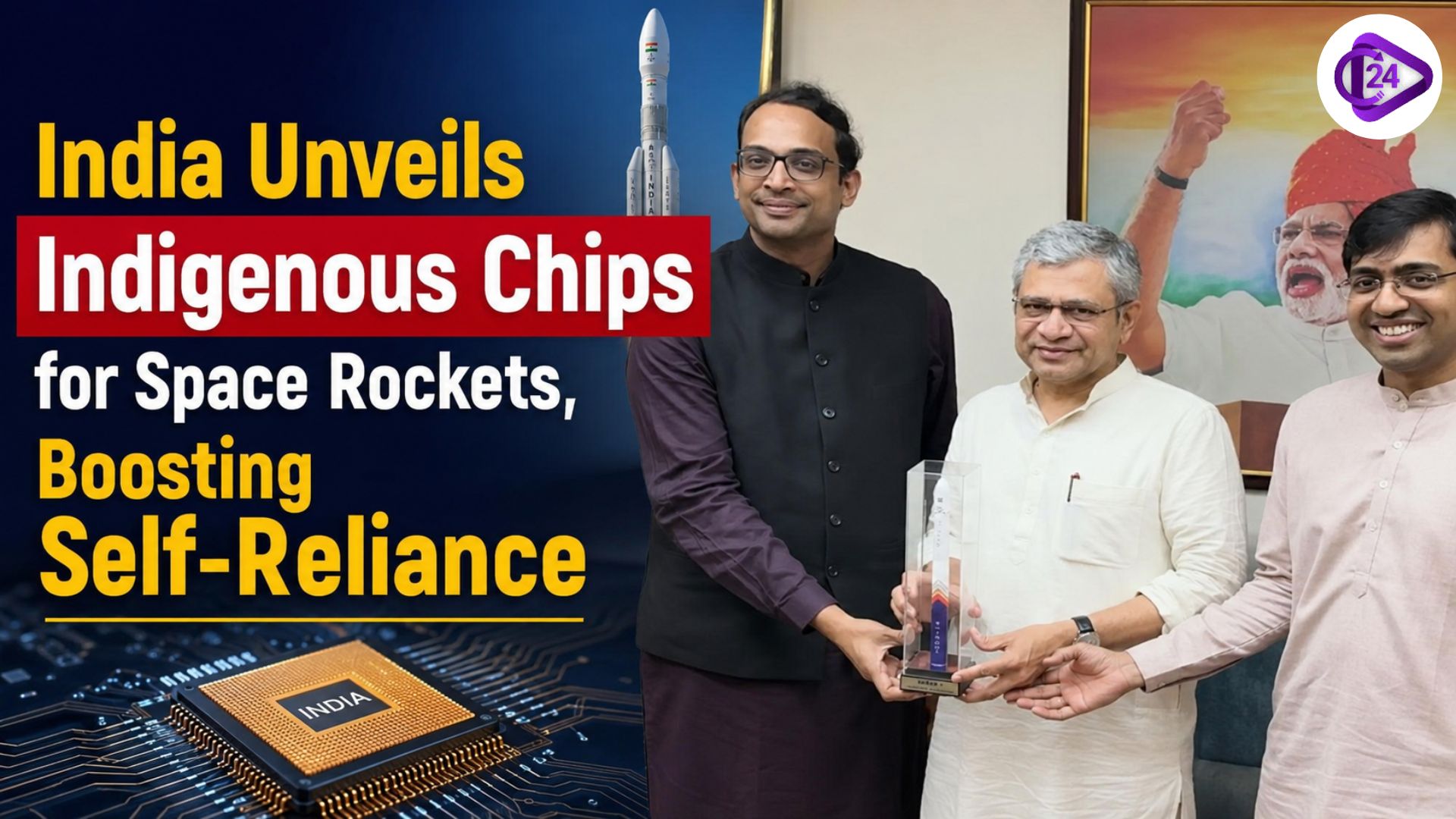
IIT Madras & ISRO Unveil SHAKTI-Based IRIS Chip for Space

The advancement of semiconductor technology within India reached a major goal by creating native semiconductor chips intended for aerospace missions. Through their partnership, IIT Madras (IIT Madras) along with ISRO (Indian Space Research Organisation) created the IRIS (Indigenous RISC-V Controller for Space Applications) chip that utilizes SHAKTI microprocessor foundations. The program implements the 'Make in India' and 'Atmanirbhar Bharat' programs. 

Indigenous Semiconductor Breakthrough

  • The aerospace application field saw a major technological advancement for semiconductors within Indian borders.

  • IIT Madras joined forces with the Indian Space Research Organisation to establish IRIS (Indigenous RISC-V Controller for Space Applications).

  • The chip depends on SHAKTI microprocessor momentum while using RISC-V technology as an open-source solution.

SHAKTI Microprocessor & RISC-V Technology

  • Professor V Kamakoti at IIT Madras PSCDISHA Center oversees the SHAKTI project.

  • RISC-V functions as an open-source processor architecture that receives support through the ‘Digital India RISC-V’ (DIRV) initiative.

  • The initiative works to establish an autonomous processor system for vital program requirements.

Key Features of IRIS Chip

  • This microprocessor system has been created specifically for command and control systems used by ISRO.

  • This processor benefits from design features that promote reliability and tolerate system faults so it works efficiently for space operations.

  • The chip includes feature-specific built-in modules that integrate serial buses with WATCHDOG timers.

  • Features multiple boot modes and hybrid memory extensions for future expansion.

  • This domestically produced technology enables India to be independent in its semiconductor developments.

Expansion of 'Make in India' and 'Atmanirbhar Bharat'.

  • The development team consisted of IIT Madras together with IISU Thiruvananthapuram.

  • The 180 nm technology node manufacturing process was implemented at Semiconductor Laboratory (SCL) Chandigarh to produce the device.

  • The chip packaging process takes place at Tata Advanced Systems located in Karnataka state.

  • The manufacturing of the motherboard takes place in Gujarat before Tata Airports assembles it in Chennai.

  • Software Development & Booting at: IIT Madras.

Indigenous Development of Semiconductors

What are Semiconductors?

  • Materials with conductivity between conductors and insulators.

  • Materials used in semiconductor chips include both pure elements silicon and germanium together with compounds of gallium arsenide.

  • The resistance of materials lies between the values of insulators and conductors.

  • The resistance value declines when the temperature rises.

Importance of Semiconductors

  • Core of Modern Technology – Used in electronics, communications, automobiles, and medical devices.

  • Propels Emerging Technologies – Essential for AI, 5G, and autonomous vehicles.

  • The Value of Global Trade with Semiconductors stands as the second highest after automotive and fuel sectors.

  • Reduction in device scale and improvement in efficiency and cost-effectiveness happens through semiconductor assistance.

  • Transformative Potential – Drives progress across industries such as aerospace, consumer electronics, and healthcare.

India’s Current Status in Semiconductor Manufacturing

  • The R&D sector for semiconductors exists in India because various international businesses operate research facilities inside the country.

  • Two strategic fabrication plants are operating in India for defense and space sector needs under DRDO’s SITAR and SCL Chandigarh.

  • India imports all its commercial chips from foreign vendors while China remains its primary supplier (100% imports) during 2020.

Significance of Indigenous Semiconductor Development in India

  • An independent supply chain enables India to lower its import dependence.

  • The growing number of remote workers and internet users within India requires the development of indigenous semiconductors to meet their demand.

  • Manufacturing within India creates employment opportunities that also enhance electronics value chains and produce various positions.

  • The indigenous production of semiconductors enables India to save import expenses and create more export opportunities.

  • Security benefits increase when processing happens locally because production takes place within the nation.

  • Geopolitical Leverage gives India the ability to decrease Chinese imports while enhancing its international leadership position.

  • Increased Competitiveness – Enhances India's position in global semiconductor manufacturing.

Challenges in India's Semiconductor Industry

  • The capital requirements for starting a fab unit amount to between $5 to $7 billion.

  • The investment process suffers delays and requires various government clearances to proceed because of bureaucratic inefficiencies.

  • Unstable Power Supply – Requires uninterrupted power, available in limited regions.

  • Advanced semiconductor technologies present technological barriers because they require high licensing expenses.

  • Structural problems exist in India because the availability of skilled workers is low land acquisitions take too long and tax stability remains unclear to foreigners.

Government Efforts Toward Semiconductor Industry Development

  • The National Policy on Electronics from 2019 functions to develop Electronics System Design and Manufacturing (ESDM) into a global hub for India.

  • The Semicon India Programme receives INR 76,000 crore for semiconductor and display production.

  • Modified Semiconductor Fabs Scheme – Provides 50% fiscal support for semiconductor wafer fabrication.

  • Modified EMC 2.0 Scheme – Supports the establishment of Electronics Manufacturing Clusters (EMCs).

  • 100% FDI in Electronics Manufacturing – Encourages foreign investment in the sector.

  • Production Linked Incentive (PLI) Scheme – Provides financial incentives for domestic manufacturing.

Way Forward

  • Adequate Funding for R&D – Support institutions for innovation in semiconductors.

  • The SPF program should be rapidly deployed as a sovereign patent fund to buy domestic business patents.

  • Manufacturers will join domestic markets when manufacturers receive guarantees of domestic purchasing requirements.

  • The nation should provide support for semiconductor companies to acquire operational units based abroad.

  • Manufacturing facilities should start with packaging and testing procedures before establishing complete fabrication operations.

  • The states should work together with the government to provide reliable power supply and clean water access.

Conclusion

Increasing demand for semiconductor chips will persist because the digital revolution maintains its fast pace. Self-reliance combined with economic development plus global leadership requires India to prioritize domestic semiconductor manufacturing. The implementation of appropriate funding measures and nationwide policy improvements will establish India as a prominent semiconductor industry force on a worldwide scale.

Frequently Asked Questions (FAQs)

The current affairs cover recent national and international events related to UPSC, SSC, Banking, Railways, and State PCS.

You need to read about the current affairs daily, and revise them every week and every month to keep them longer in your memory.

Yes, Class24 provides free downloadable Daily Current Affairs PDFs for easy revision.

Yes, you can practice MCQs and quizzes to boost your exam preparation.

Absolutely. The content is written in simple, easy-to-understand bilingual language suitable for beginners.

Go to class24.com and click on the current affairs section directly, where you find everything that you need.

ssc-toppers

Start Learning Today with Class24

Related current affairs

Class24 offers free video lectures for smart preparation, covering CGL, CPO, CHSL, MTS, and GD exams. Learn from expert faculty, revise concepts easily, practice with PYQs, and improve speed and accuracy through high-quality, exam-focused video lessons anytime, anywhere.

Get success in your hand. Start study anytime anywhere.

The journey becomes simple and enjoyable when you start taking interest in it. And through our app “Class24”, we will be your trusted partners in developing that interest.

Daily Quizzes
Mock Tests
Ongoing

No ongoing tests right now.