
Day: March 3, 2026
Oil, Gas Prices Continue to Spike as Tensions Mount in West Asia

Oil, Gas Prices Continue to Spike as Tensions Mount in West Asia

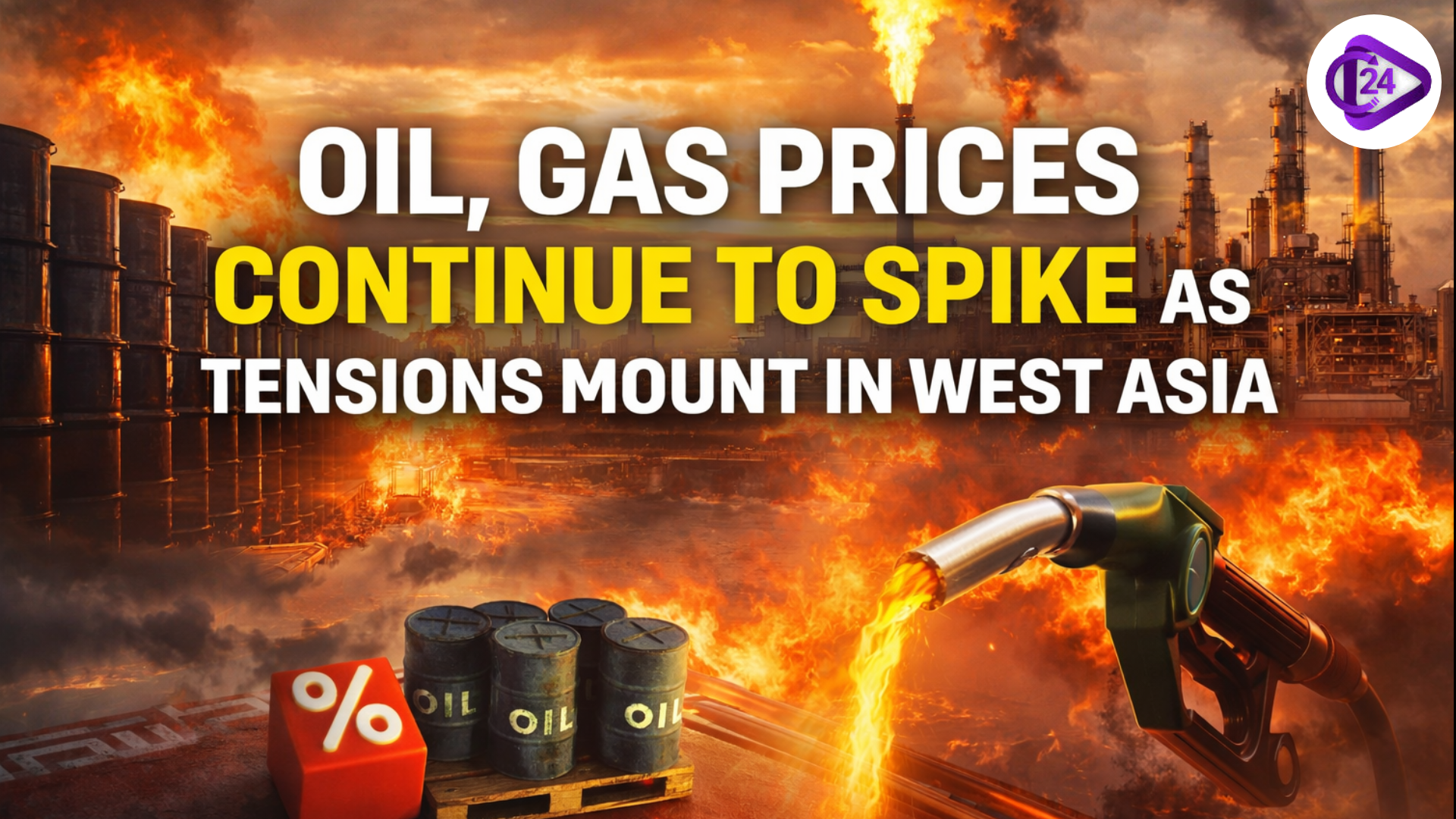
Global energy markets are witnessing renewed volatility as geopolitical tensions escalate across West Asia, a region that holds some of the world’s largest oil and gas reserves. Conflicts, military confrontations, and political uncertainty have raised concerns about potential disruptions to energy supply routes and production facilities. As a result, international crude oil and natural gas prices have spiked, affecting economies worldwide. Major import-dependent countries such as India face rising inflationary pressures and higher import bills. The situation highlights the deep connection between geopolitics and energy markets, emphasizing the need for diversified energy sources and strategic reserves.

Key Factors Behind the Spike in Oil and Gas Prices

Geopolitical Instability in West Asia

Rising tensions and conflicts in key energy-producing areas of West Asia have created fears of supply disruptions, pushing global energy prices upward.

Supply Route Vulnerabilities

Strategic maritime chokepoints such as the Strait of Hormuz play a critical role in global oil transport. Any threat to shipping routes can significantly impact supply and price stability.

Market Speculation and Investor Sentiment

Geopolitical uncertainty often triggers speculative trading in energy markets, amplifying price volatility even before actual supply disruptions occur.

Impact on Major Importers

Countries heavily dependent on energy imports, including India and China, face higher import bills and pressure on foreign exchange reserves.

Inflationary Pressures Worldwide

Higher fuel costs increase transportation and production expenses, leading to broader inflation across sectors such as food, manufacturing, and logistics.

Strain on Developing Economies

Rising oil and gas prices disproportionately affect developing countries, where energy costs significantly influence economic stability and growth.

Strategic Petroleum Reserves

Many countries rely on strategic reserves to cushion short-term supply shocks, but prolonged price spikes can still strain national budgets.

Energy Security Concerns

The situation highlights the importance of diversifying energy sources and reducing overdependence on politically sensitive regions.

Acceleration of Renewable Energy Transition

Persistent volatility in fossil fuel markets encourages governments to invest more in renewable energy and alternative fuels.

Global Economic Implications

Continued spikes in oil and gas prices can slow global economic recovery, disrupt trade balances, and increase financial uncertainty in international markets.

Important Previous Year Questions

Exam Year Question Options Correct Answer
UPSC Prelims 2020 The term West Texas Intermediate frequently seen in news refers to a type of what? (A) Natural Gas
(B) Crude Oil
(C) Shale Gas
(D) Petroleum Wax
B – Crude Oil
UPSC Prelims 2016 Which of the following is not a member of the Gulf Cooperation Council? (A) Kuwait
(B) Oman
(C) Iran
(D) Qatar
C – Iran
SSC CGL 2018 Which organization regulates global oil production levels among member countries? (A) IMF
(B) Organization of the Petroleum Exporting Countries
(C) World Bank
(D) IEA
B – OPEC
RBI Grade B 2019 Which region supplies the largest share of crude oil imports to India? (A) Europe
(B) Africa
(C) West Asia
(D) Latin America
C – West Asia
UPSC Prelims 2013 The strategic waterway through which a large portion of global oil trade passes is the (A) Suez Canal
(B) Panama Canal
(C) Strait of Hormuz
(D) Malacca Strait
C – Strait of Hormuz
SSC CHSL 2020 Which country is one of the world’s largest oil producers in West Asia? (A) Japan
(B) Saudi Arabia
(C) Germany
(D) Nepal
B – Saudi Arabia
UPSC Prelims 2018 The headquarters of Organization of the Petroleum Exporting Countries is located in (A) Geneva
(B) Vienna
(C) Paris
(D) Doha
B – Vienna
Banking Exams (IBPS PO) 2021 A sudden rise in crude oil prices mainly affects which macroeconomic indicator in India? (A) Fiscal deficit
(B) Inflation
(C) Unemployment
(D) Literacy rate
B – Inflation
UPSC Prelims 2017 India imports a significant portion of its crude oil from which region? (A) Central Asia
(B) West Asia
(C) North America
(D) Australia
B – West Asia
SSC CGL 2017 Which fuel is commonly referred to as the cleanest fossil fuel? (A) Coal
(B) Diesel
(C) Natural Gas
(D) Kerosene
C – Natural Gas

India’s New GDP Series

Conclusion

Rising geopolitical tensions in West Asia continue to drive volatility in global oil and gas markets. Disruptions in key supply routes such as the Strait of Hormuz can significantly impact global energy prices and economic stability. For major importers like India, sustained price spikes increase inflationary pressures and strain fiscal resources. The situation highlights the urgent need for diversified energy sources, strategic reserves, and accelerated investment in renewable energy to ensure long-term energy security and resilience.

India–Canada Relations – Uranium Deal and CEPA Negotiations

India–Canada Relations – Uranium Deal and CEPA Negotiations

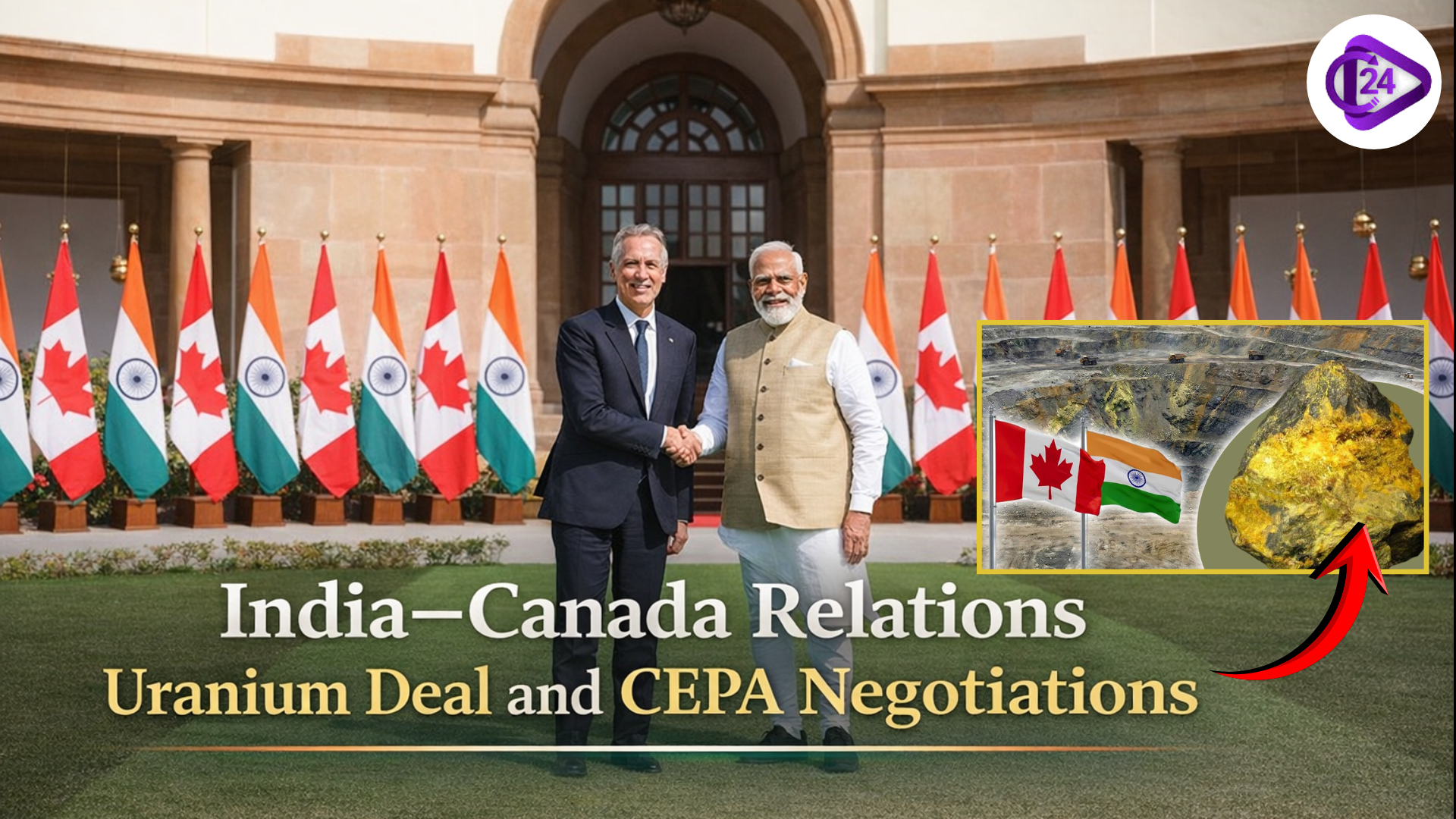
Relations between India and Canada have experienced periods of cooperation as well as diplomatic strain in recent years. However, both countries recognize the strategic importance of rebuilding trust and strengthening economic and energy partnerships. Two key pillars in this process are the uranium supply agreement and the revival of negotiations for the Comprehensive Economic Partnership Agreement (CEPA). These initiatives reflect mutual interests in energy security, trade expansion, and geopolitical collaboration in the Indo-Pacific. By advancing nuclear cooperation and trade liberalization, India and Canada can reset their bilateral engagement and unlock significant opportunities for sustainable development and economic growth.

Key Dimensions of the Uranium Deal and CEPA Negotiations

Strategic Energy Cooperation

Canada is one of the world’s largest uranium producers, making it a vital partner for India’s growing nuclear energy program. Supplying uranium helps India fuel its civilian nuclear reactors and diversify its energy mix.

Support for India’s Nuclear Energy Expansion

Access to Canadian uranium strengthens India’s ability to expand nuclear power generation, a crucial step for meeting rising electricity demand while reducing carbon emissions.

Revival of Civil Nuclear Engagement

The uranium agreement symbolizes renewed trust after decades of restrictions on nuclear cooperation following the India’s Smiling Buddha nuclear test.

Economic Opportunities through CEPA

CEPA negotiations aim to reduce tariffs, improve market access, and increase bilateral trade between India and Canada across sectors such as agriculture, technology, and manufacturing.

Boost to Bilateral Trade and Investment

A successful CEPA could significantly increase two-way trade and encourage Canadian investments in India’s infrastructure, clean energy, and education sectors.

Strengthening Supply Chains

Both countries see CEPA as a mechanism to build resilient and diversified supply chains, reducing overdependence on single markets.

Indo-Pacific Strategic Alignment

Stronger economic and energy cooperation aligns with Canada’s Indo-Pacific strategy and India’s vision for regional stability and open trade.

Technology and Innovation Collaboration

The agreement could promote partnerships in advanced technologies, research, and clean energy innovation.

Addressing Diplomatic Challenges

Progress on CEPA and nuclear cooperation may help rebuild political trust and stabilize relations after recent diplomatic tensions.

Long-Term Strategic Partnership

Together, the uranium deal and CEPA negotiations provide a framework for a long-term partnership focused on energy security, economic integration, and sustainable growth.

PM Modi Receives Israel’s Speaker of Knesset Medal

Conclusion

India–Canada relations have gained renewed momentum through cooperation in nuclear energy and trade negotiations. The uranium supply agreement marked a significant step in rebuilding trust after decades of limited engagement, enabling India to access reliable fuel for its civilian nuclear program. At the same time, negotiations on the Comprehensive Economic Partnership Agreement (CEPA) reflect both countries’ commitment to strengthening economic ties, expanding trade, and encouraging investment. While challenges remain, continued dialogue and mutual strategic interests provide a strong foundation for deeper collaboration. Overall, the uranium deal and CEPA talks symbolize a pragmatic partnership aimed at promoting energy security, economic growth, and long-term bilateral cooperation.

Frequently Asked Questions (FAQs)

The current affairs cover recent national and international events related to UPSC, SSC, Banking, Railways, and State PCS.

You need to read about the current affairs daily, and revise them every week and every month to keep them longer in your memory.

Yes, Class24 provides free downloadable Daily Current Affairs PDFs for easy revision.

Yes, you can practice MCQs and quizzes to boost your exam preparation.

Absolutely. The content is written in simple, easy-to-understand bilingual language suitable for beginners.

Go to class24.com and click on the current affairs section directly, where you find everything that you need.

ssc-toppers

Start Learning Today with Class24

Related current affairs

Class24 offers free video lectures for smart preparation, covering CGL, CPO, CHSL, MTS, and GD exams. Learn from expert faculty, revise concepts easily, practice with PYQs, and improve speed and accuracy through high-quality, exam-focused video lessons anytime, anywhere.

Get success in your hand. Start study anytime anywhere.

The journey becomes simple and enjoyable when you start taking interest in it. And through our app “Class24”, we will be your trusted partners in developing that interest.

Daily Quizzes
Mock Tests
Ongoing

No ongoing tests right now.