

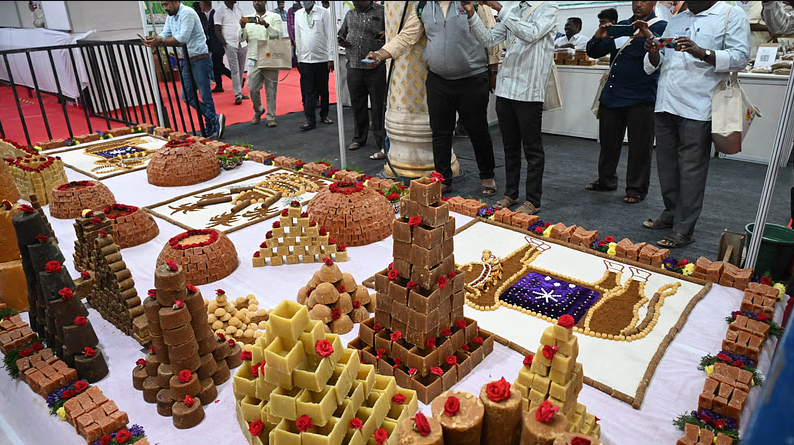
From January 23 to 25, 2025 Bengaluru will serve as the host venue of the sixth International Millets Festival organized by Karnataka. During this year's event participants will explore millet promotion along with innovations in millet-based items and techniques for sustainable farming management. This event provides an opportunity to promote millet cultivation by helping farmers build market relationships and connect them to opportunities while establishing the dual advantages of millet toward environmental sustainability and human health. Through B2B meetings and demonstrations at the event farmers and producers have opportunities to create collaborations and exchange new developments which results in improved millet industrial growth.
Key Highlights of the Event:
-
International Trade Fair – Organics and Millets 2025: More than 300 exhibitors comprising processors manufacturers and farmer producer organizations will participate at the fair located at Bengaluru Palace Grounds. Numerous millet-based items will be exhibited by the organization's participants.
-
The International Trade Fair for Organic and Millets 2025 will foster market connections for Karnataka-made organic and millet products while representing efforts to boost millet cultivation.
-
-
Global Participation:
-
Representatives of ten global nations and more than 25 Indian state agencies comprising agriculture ministers and bureaucracies will take part in the event.
-
Agrifood system transformation via agri-ecology represents the main focus of this event along with global insights into these strategies.
-
-
Farmers and Indigenous Practices: Traditional millet landraces which farmers have grown for many generations will be the main focus of the fair. Thirty local farmers will showcase their historical millet collections to illustrate authentic sustainable farming practices.
-
Demonstrations and Research Insights: Renowned research organizations like the Indian Institute of Millets Research (IIMR) and the Central Food Technological Research Institute (CFTRI). will demonstrate millet processing methods alongside value-addition techniques and innovative technologies.
-
Soil Pedon Pavilion: A unique pavilion featuring Soil Pedons will educate visitors about soil health by focusing on classification along with properties and structural information about this fundamental agricultural basis.
Karnataka’s Role in Millet Production:
With 18.37 lakh hectares dedicated to millet cultivation, Karnataka maintains its position as the second-largest millet-producing state in India. The state actively works to promote millets because these crops offer valuable nutrition and possess strong adaptation to changing climates.
Key points about Millet
-
Millets represent a single species of small-seeded grasses that demonstrate excellent drought-resistance qualities in addition to their proficiency at growing on impoverished lands with scarce water availability.
-
Food culture throughout various Indian regions embraces millets because they provide nutritional advantages and tolerate adverse environmental conditions.
Types of Millets in India:
India grows various types of millets, each with its own nutritional profile and cultivation regions:
-
Pearl Millet (Bajra):
-
Regions: Rajasthan, Maharashtra, Gujarat, Uttar Pradesh.
-
Nutritional Benefits: High in protein, fiber, and essential micronutrients such as iron, zinc, and B vitamins.
-
-
Finger Millet (Ragi):
-
Regions: Karnataka, Tamil Nadu, Andhra Pradesh, Maharashtra.
-
Nutritional Benefits: Contains calcium, iron, and amino acids which build strong bones and control blood sugar.
-
-
Foxtail Millet (Kangni):
-
Regions: Andhra Pradesh, Tamil Nadu, Karnataka.
-
Nutritional Benefits: A good source of carbohydrates, dietary fiber, minerals, and essential fatty acids.
-
-
Barnyard Millet (Jhangora):
-
Regions: Uttarakhand, Maharashtra, Madhya Pradesh.
-
Nutritional Benefits: High in protein and dietary fiber.
-
-
Kodo Millet (Kodon):
-
Regions: Central and southern India.
-
Nutritional Benefits: Food contains polyphenols which work as antioxidants to enhance overall wellness.
-
-
Little Millet (Kutki):
-
Regions: Karnataka, Tamil Nadu, Andhra Pradesh, West Bengal.
-
Nutritional Benefits: Heart health benefits from magnesium which is present in high amounts in this food.
-
-
Proso Millet (Chena):
-
Regions: Maharashtra, Madhya Pradesh, Tamil Nadu.
-
Nutritional Benefits: High in protein and gluten-free, making it suitable for those with gluten intolerance.
-
-
Sorghum Millet (Jowar):
-
Regions: Maharashtra, Karnataka, Andhra Pradesh.
-
Nutritional Benefits: Rich in protein, fiber, and B vitamins.
-
Significance of Millets
-
Nutritional Value:
-
Dietary fiber along with calcium and iron and B vitamins can be found in millets. Finger Millet contains high calcium levels but Pearl Millet delivers abundant protein content as a nutritional benefit.
-
-
Climate Resilience:
-
Due to their ability to grow under dry conditions using little water the versatile millets remain the top option as a nutritious agricultural product across drought-prone and soil-damaged areas.
-
-
Food Security:
-
Research shows that the resistance of millets makes them essential for maintaining sustainable food supplies particularly when weather patterns become erratic because of climate change. When many other crops do not succeed their limited agricultural output serves as a dependable source of food for the population.
-
-
Economic Significance:
-
Millets form a vital economic foundation for the country's rural framework. The crop combination of food and fodder produces essential products that sustain small-scale and marginal farmers.
-
Millets and Indian Government Initiatives
Recognizing the potential of millet, the Indian government has launched various initiatives to boost its production and consumption:
-
National Year of Millets (2018): During 2018 the Indian government designated millets as National Year of Millets to support agricultural development and spread understanding about their advantages.
-
INSIMP (Initiative for Nutritional Security through Intensive Millet Promotion): Through this program, the initiative works to support both higher millet production rates as well as spread knowledge about their health advantages.
-
Incorporation in Public Distribution System (PDS) and Mid-Day Meal Scheme: The revised PDS system along with school meal programs now distributes millet to make it more available for consumers.
Conclusion
The agricultural cultivation of these grains addresses multiple societal and economic alongside environmental concerns including food-based health concerns and climate adaptations and sustainability targets. The combination of nutrient value with climate-resistant traits and economic potential establishes millets as the crucial foundation for farmers' food security and general well-being. The government's efforts to promote millets serve as a critical foundation for their advancement because they confirm millets as a sustainable nutritious environmentally beneficial future food option.