

Day: January 25, 2025

Ireland Appoints Micheál Martin as New Prime Minister

Micheál Martin’s return as Taoiseach reflects his resilience and strategic political acumen during a challenging period in Ireland’s parliamentary history. After months of political instability following the 2024 elections, his Fianna Fáil party formed a coalition with Fine Gael and independent lawmakers. Despite opposition protests and constitutional hurdles, Martin successfully secured his second term. His leadership will focus on steering Ireland through economic and political challenges while strengthening its international relations. This development underscores the importance of coalition politics in Ireland's democratic framework.

Taoiseach (Prime Minister) Micheál Martin recently reclaimed his second term in office as leader of Fianna Fáil after Ireland's parliament faced prolonged political strife and delays during the formation of a coalition government.

Background of the Appointment

  • Election Disruptions: The 2024 November election created a period of stability issues for Ireland's parliament when different political groups sought to build alliances through power exchanges. Martin's Fianna Fáil won the most parliamentary seats but neither party nor coalition formed a government majority after the election considered this process haltingly long.

  • Parliamentary Chaos: The first session of January 17 began with repeated voting delays to select a new Taoiseach. Opposition parties staged protests against the new government's plan to give additional speaking power to independent parliamentarians who joined their coalition. The intensive parliamentary session was suspended because the government accepted there was unclear constitutional status regarding parliamentary speakers.

  • Resolution: Extended rights granted to pro-government independents from opposition seats were temporarily prevented when all sides settled the following day. On January 18 Micheál Martin successfully won his election as Taoiseach.

Political Landscape and Coalition Formation

  • Fianna Fáil and Fine Gael Coalition: The November election produced more Fianna Fáil representatives than any other party but not enough to create a majority-led government. The political situation pushed Fianna Fáil to return to its coalition alliance with Ireland's center-right party Fine Gael. Independent lawmakers from the same region collaborated with this coalition of political parties to create the government.

  • Martin’s First Term: When Fianna Fáil and Fine Gael formed an unprecedented coalition partnership in 2020 Martin took office as Taoiseach. Investigators Leo Varadkar (Finé Gedarel Leader) and Martin used a two-year plan to exchange between being Taoiseach and Tánaiste (Deputy Prime Minister).

  • Leadership Transitions: When Taoiseach Leo Varadkar stepped down unexpectedly in 2024 Simon Harris became Ireland’s youngest leader for a brief period before Martin returned to power. After stepping down as Tánaiste Harris plans to reclaim the Taoiseach position beginning in 2027.

India-Israel Relations: Key Highlights

  • Diplomatic Ties:

    • Formal diplomatic relations were established in 1992.

    • The relationship between both governments has grown more strategic over successive years.

  • Defense & Security Cooperation:

    • As a major defense technology customer Israel sells critical military equipment such as drones and missiles as well as anti-tank weaponry to India.

    • The two countries work jointly against terrorism while sharing counterterrorism intelligence and managing cybersecurity needs.

  • Economic and Trade Relations:

    • The volume of commercial activities continues to increase between both nations with technology being the main driver alongside cybersecurity and agriculture and water management.

    • Recent years have seen bilateral trading activities surpass $6 billion.

  • Agricultural and Water Management Cooperation:

    • Collaboration on irrigation, water conservation, and agriculture technology.

    • The Israeli agricultural sector receives substantial benefits from Israeli water management and drip irrigation systems.

  • Cultural and People-to-People Ties:

    • An important number of Indian Jews chose relocation to Israel which has developed strong personal connections between the populations.

    • Cultural exchanges and collaborations in education and tourism.

  • Israel-Palestine Issue:

    • While preserving Palestinian rights is important to India the country establishes sound diplomatic ties with Israel.

  • Space & Technology:

    • Collaboration in space exploration, AI, and technology sectors.

    • Through Israeli space expertise, India has received substantial benefits.

Key Takeaways

  • As the Taoiseach of Ireland for his second term, Micheál Martin confronts various political difficulties characterized by both opposition demonstrations and grappling with coalition alignment difficulties.

  • Independent lawmakers with Fianna Fáil and Fine Gael combine to form a coalition government that will guide Ireland throughout upcoming political cycles.

  • Irrespective of disrupting events the Irish-American diplomatic relationship remains at the core of government foreign policy operations.

Conclusion

Micheál Martin’s reappointment as Taoiseach signifies a critical step toward political stability in Ireland after a period of disruptions. Despite challenges in forming a coalition, the Fianna Fáil-Fine Gael partnership has once again taken charge to guide the nation. Martin’s leadership in his second term is expected to focus on addressing Ireland’s pressing political and economic concerns while ensuring a steady path forward for the country’s governance.

ISRO’s 100th Mission: NVS-02 Satellite Launch in January 2025

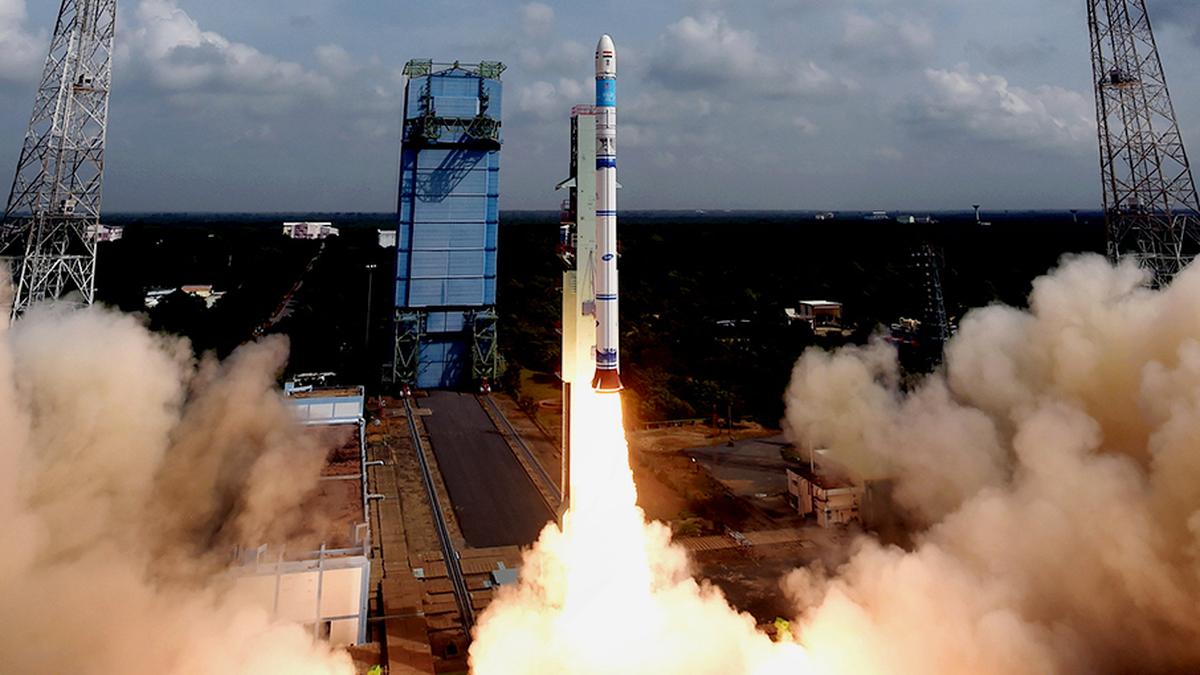
ISRO is poised to mark a significant milestone in January 2025 with its 100th mission, the launch of the NVS-02 satellite aboard the GSLV Mark II. This advanced satellite will serve as the ninth addition to the NavIC navigation system, enhancing positioning accuracy and boosting navigation capabilities. Equipped with a Rubidium atomic clock and advanced payloads, the NVS-02 satellite promises to provide precise location tracking and improved interoperability with global systems. This mission highlights India’s progress in autonomous navigation technology and its commitment to strengthening its space infrastructure.

ISRO plans to carry out its 100th mission by launching the NVS-02 satellite on the Geosynchronous Satellite Launch Vehicle (GSLV) in January 2025. India's space development program is achieving important progress after this milestone launch.

About the NVS-02 Satellite:

  • Technology has reached a milestone as NVS-02 marks the ninth satellite entry in NavIC (Navigation with Indian Constellation) while firmly serving as the second delivery in its 2nd-generation navigation satellite progress.

  • Launch vehicle: GSLV Mark II.

Payloads of NVS-02:

  • Navigational Payload:

    • Users on Earth receive transmitted signals through the L1, L5, and S-band frequencies.

    • Precise time measurements become possible thanks to the onboard Rubidium atomic clock system which delivers positioning accuracy to within less than 10 nanoseconds.

  • Ranging Payload:

    • The system supports user navigation through its transponder designed to send timestamped tracking signals that deliver precise position speed determination and time accuracy even in harsh weather environments.

Significance of 2nd Generation Satellites:

  • Enhanced interoperability with other global satellite systems due to the additional L1 frequency.

  • The extended mission life of 2nd-generation satellites reaches over 12 years giving longer mission life whereas the first generation operates for only 10 years 

  • Improved encryption for secure communications.

What is NavIC?

  • NavIC stands as India's independent satellite navigation system under the title Navigation with Indian Constellation.

  • NavIC consists of seven satellites positioned to provide positioning navigation timing services to India and its neighboring regions.

Key Objectives of NavIC:

  • NavIC serves three primary functions including defense operations along with emergency service systems and strategic missions.

  • Precision agriculture, geodetic surveying, and timing services for financial institutions.

Global Comparison:

  • Global Navigation Satellite Systems (GNSS): GPS (USA), GLONASS (Russia), BeiDou (China), Galileo (EU), and Japan’s QZSS.

Why NavIC?

  • India's autonomous positioning system enhances national security alongside military operations by operating without needing external worldwide satellite systems.

Conclusion

NVS-02 satellite launch represents a vital achievement for ISRO and the Indian space program which both improves NavIC system capabilities, provides better navigation services and boosts national defense capabilities.

6th International Millet Festival to be organized in Bengaluru, Karnataka from 23rd to 25th January 2025

From January 23 to 25, 2025 Bengaluru will serve as the host venue of the sixth International Millets Festival organized by Karnataka. During this year's event participants will explore millet promotion along with innovations in millet-based items and techniques for sustainable farming management. This event provides an opportunity to promote millet cultivation by helping farmers build market relationships and connect them to opportunities while establishing the dual advantages of millet toward environmental sustainability and human health. Through B2B meetings and demonstrations at the event farmers and producers have opportunities to create collaborations and exchange new developments which results in improved millet industrial growth.

Key Highlights of the Event:

  • International Trade Fair – Organics and Millets 2025: More than 300 exhibitors comprising processors manufacturers and farmer producer organizations will participate at the fair located at Bengaluru Palace Grounds. Numerous millet-based items will be exhibited by the organization's participants.

    • The International Trade Fair for Organic and Millets 2025 will foster market connections for Karnataka-made organic and millet products while representing efforts to boost millet cultivation.

  • Global Participation:

    • Representatives of ten global nations and more than 25 Indian state agencies comprising agriculture ministers and bureaucracies will take part in the event.

    • Agrifood system transformation via agri-ecology represents the main focus of this event along with global insights into these strategies.

  • Farmers and Indigenous Practices: Traditional millet landraces which farmers have grown for many generations will be the main focus of the fair. Thirty local farmers will showcase their historical millet collections to illustrate authentic sustainable farming practices.

  • Demonstrations and Research Insights: Renowned research organizations like the Indian Institute of Millets Research (IIMR) and the Central Food Technological Research Institute (CFTRI). will demonstrate millet processing methods alongside value-addition techniques and innovative technologies.

  • Soil Pedon Pavilion: A unique pavilion featuring Soil Pedons will educate visitors about soil health by focusing on classification along with properties and structural information about this fundamental agricultural basis.

Karnataka’s Role in Millet Production:

With 18.37 lakh hectares dedicated to millet cultivation, Karnataka maintains its position as the second-largest millet-producing state in India. The state actively works to promote millets because these crops offer valuable nutrition and possess strong adaptation to changing climates.

Key points about Millet

  • Millets represent a single species of small-seeded grasses that demonstrate excellent drought-resistance qualities in addition to their proficiency at growing on impoverished lands with scarce water availability. 

  • Food culture throughout various Indian regions embraces millets because they provide nutritional advantages and tolerate adverse environmental conditions.

Types of Millets in India:

India grows various types of millets, each with its own nutritional profile and cultivation regions:

  1. Pearl Millet (Bajra):

    • Regions: Rajasthan, Maharashtra, Gujarat, Uttar Pradesh.

    • Nutritional Benefits: High in protein, fiber, and essential micronutrients such as iron, zinc, and B vitamins.

  2. Finger Millet (Ragi):

    • Regions: Karnataka, Tamil Nadu, Andhra Pradesh, Maharashtra.

    • Nutritional Benefits: Contains calcium, iron, and amino acids which build strong bones and control blood sugar.

  3. Foxtail Millet (Kangni):

    • Regions: Andhra Pradesh, Tamil Nadu, Karnataka.

    • Nutritional Benefits: A good source of carbohydrates, dietary fiber, minerals, and essential fatty acids.

  4. Barnyard Millet (Jhangora):

    • Regions: Uttarakhand, Maharashtra, Madhya Pradesh.

    • Nutritional Benefits: High in protein and dietary fiber.

  5. Kodo Millet (Kodon):

    • Regions: Central and southern India.

    • Nutritional Benefits: Food contains polyphenols which work as antioxidants to enhance overall wellness.

  6. Little Millet (Kutki):

    • Regions: Karnataka, Tamil Nadu, Andhra Pradesh, West Bengal.

    • Nutritional Benefits: Heart health benefits from magnesium which is present in high amounts in this food.

  7. Proso Millet (Chena):

    • Regions: Maharashtra, Madhya Pradesh, Tamil Nadu.

    • Nutritional Benefits: High in protein and gluten-free, making it suitable for those with gluten intolerance.

  8. Sorghum Millet (Jowar):

    • Regions: Maharashtra, Karnataka, Andhra Pradesh.

    • Nutritional Benefits: Rich in protein, fiber, and B vitamins.

Significance of Millets

  • Nutritional Value:

    • Dietary fiber along with calcium and iron and B vitamins can be found in millets. Finger Millet contains high calcium levels but Pearl Millet delivers abundant protein content as a nutritional benefit.

  • Climate Resilience:

    • Due to their ability to grow under dry conditions using little water the versatile millets remain the top option as a nutritious agricultural product across drought-prone and soil-damaged areas.

  • Food Security:

    • Research shows that the resistance of millets makes them essential for maintaining sustainable food supplies particularly when weather patterns become erratic because of climate change. When many other crops do not succeed their limited agricultural output serves as a dependable source of food for the population.

  • Economic Significance:

    • Millets form a vital economic foundation for the country's rural framework. The crop combination of food and fodder produces essential products that sustain small-scale and marginal farmers.

Millets and Indian Government Initiatives

Recognizing the potential of millet, the Indian government has launched various initiatives to boost its production and consumption:

  • National Year of Millets (2018): During 2018 the Indian government designated millets as National Year of Millets to support agricultural development and spread understanding about their advantages.

  • INSIMP (Initiative for Nutritional Security through Intensive Millet Promotion): Through this program, the initiative works to support both higher millet production rates as well as spread knowledge about their health advantages.

  • Incorporation in Public Distribution System (PDS) and Mid-Day Meal Scheme: The revised PDS system along with school meal programs now distributes millet to make it more available for consumers.

Conclusion

The agricultural cultivation of these grains addresses multiple societal and economic alongside environmental concerns including food-based health concerns and climate adaptations and sustainability targets. The combination of nutrient value with climate-resistant traits and economic potential establishes millets as the crucial foundation for farmers' food security and general well-being. The government's efforts to promote millets serve as a critical foundation for their advancement because they confirm millets as a sustainable nutritious environmentally beneficial future food option.

India Ranks 4th in Global Firepower Index 2025, Reflecting Military Strength

India has achieved the 4th rank in the Global Firepower Index 2025, reinforcing its position as one of the world’s leading military powers. This ranking highlights India’s growing defense capabilities, strategic significance, and global influence. Positioned after the United States, Russia, and China, India’s military strength is supported by vast manpower, resources, and advantageous geography. The achievement reflects India’s dedication to enhancing its military prowess amidst global challenges.

India ranks 4th in the Global Firepower Index 2025 which demonstrates both international military progress and rising diplomatic power in global politics. Here are some key takeaways about India’s standing and the Global Firepower Index:

India’s Military Rank:

  • Position: According to the Global Firepower Index 2025 India maintains its position as the world’s fourth most powerful force after the United States, Russia, and China.

  • Score: India holds the 0.1184 ranking on the index while its 0.0000 score indicates top military performance yet no nation has achieved true perfect military strength.

The top 10 countries in the index for 2025 are:

  1. United States – 0.0744

  2. Russia – 0.0788

  3. China – 0.0788

  4. India – 0.1184

  5. South Korea – 0.1656

  6. United Kingdom – 0.1785

  7. France – 0.1878

  8. Japan – 0.1839

  9. Turkey – 0.1902

  10. Italy – 0.2164

About the Global Firepower Index:

Purpose: Military strength assessment through the index functions by reviewing operations in land, sea, and air domains. The index measures over 60 different elements including manpower together with natural resources as well as finance and geographical variables. The assessment excludes nuclear military potential in its overall evaluation.

Factors Contributing to India’s Ranking:

India’s military strength is bolstered by several key attributes:

  • Manpower: Every year India generates the world’s largest pool of new military recruits while possessing the second-largest military personnel potential.

  • Resources: India makes substantial use of its extensive natural resources base to support its military framework structures.

  • Geography: India’s valuable position on the world map bordered by many nations grants it an enhanced capacity to defend national interests.

Challenges:

Despite its high ranking, India faces several challenges:

  • Oil and Gas Consumption: Energy consumption of oil and natural gas in India places substantial pressure on national resources.

  • External Borders: The defense readiness of India faces significant challenges when managing its control of adjacent state borders.

  • Helicopter Carrier and Mine Warfare Strength: Analysis shows that India sits at position 145 among countries for helicopter carrier deployment capability and underwater mine warfare potential requiring immediate enhancement efforts.

Comparison with Neighboring Countries:

  • Pakistan: The Global Firepower 2025 index shows that Pakistan’s military power decreased to the 12th position from its previous 9th position. Modern war capabilities demonstrate India continues to outmatch its neighboring countries regarding military capabilities.

Conclusion

India’s 4th place in the Global Firepower Index 2025 highlights its growing military capabilities and strategic importance. Despite challenges with oil consumption and mine warfare India maintains its path to becoming a leading global defense force because of its powerful resources and advantageous location.

Digital Initiative for Preservation of Chinar Trees in Jammu and Kashmir

A digital identification system has been established for the symbolic Chinar tree of Jammu and Kashmir as part of a preservation strategy intended to protect it. The J&K Forest Department along with JKFI organized a groundbreaking effort that assigned Tree Aadhaar numbers to trees through QR code installation on digital plates attached to each tree. Through this initiative, officials aim to both document and conserve diminishing numbers of these heritage trees.

Key Details:

  • Tree Aadhaar Numbers: Through the assignment of individual Tree Aadhaar numbers to thousands of Chinar trees in Jammu and Kashmir scientists have established a complete database for conservation purposes. Goal-tagging for these trees utilizes Geographic Information System (GIS) technology.

  • Digital Plates with QR Codes: Every tree within the program receives a metal digital plate that displays a QR code. Through code scanning technology users gain access to location information while also receiving tree measurements and assessments of its health as well as ecological threats and pest find. The tree plates are supported by spring straps which protect them from damaging the forest growth.

  • Geo-Tagging Efforts: The program launched in 2021 has successfully geo-tagged 28,560 Chinar trees. A total of 18,000 Chinar trees received geo-markers in the first two years and geo-information markers are currently being deployed to an additional 10,000 trees across this fiscal.

Importance of the Initiative:

  • Cultural Heritage: Kashmiris value the Chinar tree as a symbol of vital regional culture. Among Kashmir’s historical symbols, the Chinar tree represents both its cultural roots and distinctive regional identity while holding some specimens that date several centuries back.

  • Environmental Protection: These trees gain better protection through the geo-tagging and digital documentation system created for monitoring purposes. Authorities can start to prompt protective measures through tracking systems that report the health status of each tree.

  • Data-Driven Conservation: The development of an extensive database leads to critical health and status information about these trees allowing scientists and conservationists to apply their knowledge effectively.

  • Chinar Atlas: As part of its initiative the JKFI intends to establish a Chinar Atlas dedicated to collecting detailed information about tree locations across the region.

  • In regions like Kashmir, the Chinar tree (Platanus orientalis) known as the Oriental plane exists as an important aspect because it combines cultural elements with ecological benefits and environmental value. 

Features of Chinar Trees of Kashmir

  • Scientific Name: The Oriental plane (Platanus orientalis) functions as its botanical name designation

  • Habitat and Distribution:
  • Native Range: From its geographic home in Italy to its native range extending to the Himalayas the Chinar tree exists across Turkey and the Caucasus and Iran.

  • Local Distribution: Indians can observe this tree mainly in the Kashmir Valley with heavy concentrations in Ganderbal and Budgam districts.

Climatic Factors:

  • Ideal Growth Conditions: Occurring naturally in temperate regions the Chinar prefers smooth-draining soils.

  • Rainfall: The Chinar tree thrives in areas with moderate rainfall patterns and moderate climate variations while requiring intense sunlight alongside steady soil moisture.

Features:

  • Size: This deciduous tree exists in a large size range between 30 meters and reaches heights of 30 meters.

  • Girth: The trunk base diameter reaches between 10 and 15 meters.

  • Longevity: Across Kashmir state, some Chinar trees demonstrate extraordinary staying power because they have existed for more than six centuries.

  • Seasonal Beauty: The Chinar tree displays its dramatic autumn foliage transformation when summer leaves progress through shades of deep green into vibrant combinations of red yellow and amber during fall.

Reasons Behind Decline:

  • Urbanization: The combination of fast-paced infrastructure construction with expanding urban areas has destroyed their original environment. The loss of tree habitat is mostly due to construction development which took over areas previously occupied by these trees.

  • Climate Change: Global climate changes have modified the native ecological environment favorable for these trees through transformations of precipitation distribution alongside changing temperatures. Climate change results in stress damages for trees rendering them more prone to disease attacks.

  • Illegal Felling: The trees receive conservation status yet illegal timber practices lead to their population decline through anecdotic felling activities.

  • Pests and Diseases: Weather-related stress operating under urban growth and climate change conditions now threatens Chinar trees by making them susceptible to both pests and diseases.

Conclusion

The revolutionary Tree Aadhaar system with its combination of QR codes and geo-tagging technology represents a crucial method for defending the Chinar trees of Jammu and Kashmir. Through systematic documentation of culturally important tree health, this project works to defend these important trees from environmental threats throughout numerous generations.

NITI Aayog’s Fiscal Health Index 2025: Odisha Tops with Best Fiscal Performance

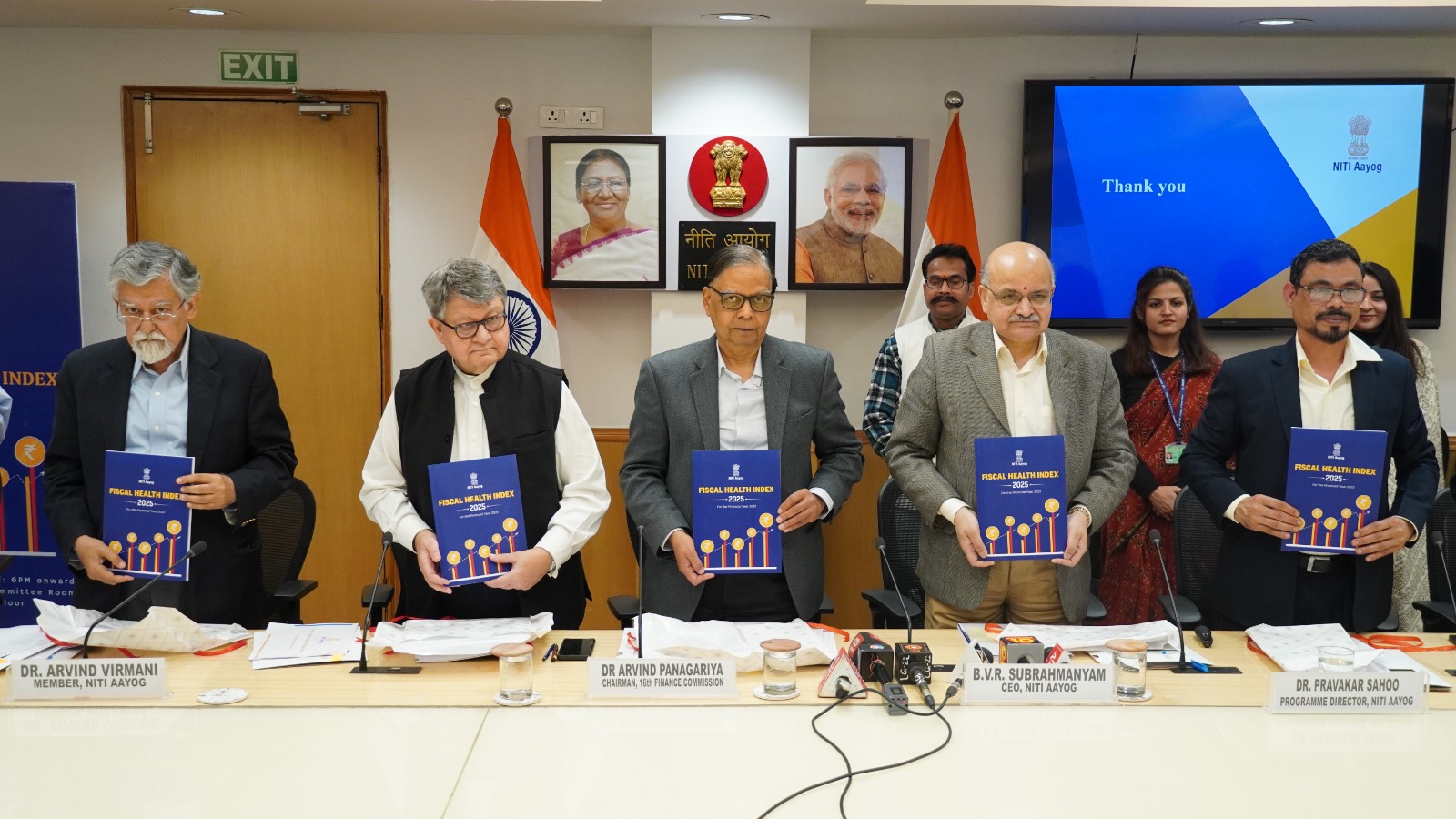
India's 18 major states can now evaluate their fiscal performance through the NITI Aayog's newly launched Fiscal Health Index (FHI) 2025. NITI Aayog uses the index to direct reforms supporting sustainable economic development while building fiscal standards among states.  NITI Aayog's Fiscal Health Index (FHI) for 2022-23 produced Odisha, Chhattisgarh, Goa and Gujarat and Jharkhand as the five states in best fiscal condition.

How do we define the Fiscal Health Index (FHI)?

NITI Aayog developed the FHI (Fiscal Health Index) as a combined assessment tool to analyze Indian states' financial stability. It measures the financial stability and efficiency of state governments by assessing five key sub-indices:

  • Quality of Expenditure: The index evaluates state funds distribution efficiency.

  • Revenue Mobilization: The index evaluates whether states manage to successfully collect revenue from sources.

  • Fiscal Prudence: The index shows how states maintain strong financial management combined with responsibility assurance.

  • Debt Index: Looks at the level of debt concerning the state’s economy and fiscal capacity.

  • Debt Sustainability: A state demonstrates debt management sustainability through this metric.

Using both the Comptroller and Auditor General of India (CAG) fiscal year 2022-23 reports and past FHI data from 2014-15 through 2021-22 the assessment takes place.

Key Highlights of FHI 2025:

Top Performers:

  • Odisha: The state received the highest score of 67.8 and performed outstandingly in debt management alongside debt sustainability.

  • Chhattisgarh: The state demonstrates robust fiscal management according to its score of 55.2 which secured second place in the ranking.

  • Goa: Fiscal balance stands out through its position at rank 3 and its obtained score of 53.6.

  • "Achievers" Category: Multiple fiscal metrics demonstrate strong performance results in these states which position them as exemplars of best practices.

  • "Front Runners" and "Performers": The "Front Runner" label went to Maharashtra and Uttar Pradesh alongside Telangana and Madhya Pradesh and Karnataka but the "Performer" tag was given to Tamil Nadu alongside Rajasthan as well as Bihar and Haryana. The results showed that Kerala together with West Bengal and Andhra Pradesh and Punjab earned "Aspirational" status because they stood in need of substantial enhancement.

Underperformers:

  • Kerala: Kerala represented the lowest performer according to FHI 2025 with a score of 29.7 as it experiences difficulties maintaining debt sustainability while also facing downward pressure on expenditure quality.

  • Punjab: The state achieved a score of 28.4 although it demonstrated poor mobilization in revenue alongside high deficit problems.

  • West Bengal: Score 27.8 while at the same time struggling with debt index performance and fiscal resource management systems.

  • Andhra Pradesh: The state performed poorly since its high fiscal deficits lowered its total score to 26.9.

Regional Insights:

Southern States: Telangana emerges as the highest performing state scoring 47.5 while neighboring Tamil Nadu (30.2), Kerala (29.7), and neighboring Andhra Pradesh (26.9) face escalating fiscal problems.

Significance of FHI:

  • Comprehensive Insights: FHI reveals state fiscal conditions by showing their best points along with necessary improvement areas.

  • Annual Report: NITI Aayog plans to publish FHI on an annual basis starting from fiscal year 2024-25 until its following releases. Cost assessment data through FHI permits authorities to develop fiscal strategies that address emerging patterns in financial health.

  • Guiding Fiscal Reforms: The report underlines the need to develop careful financial systems while building better tax enforcement and focusing investments for maintaining long-term fiscal stability. 

Implications for Policy and Governance:

  • Balanced Fiscal Growth: For ongoing national sustainability both in terms of geographic equality and fiscal stability the FHI report identifies balance as essential.

  • Informed Decision-Making: Through its data-driven analysis the FHI facilitates policy decisions by highlighting key areas for improvement that guide future policy structures aimed at fiscal health enhancement.

Conclusion

The 2022-23 NITI Aayog Fiscal Health Index demonstrates critical use in state fiscal assessment by showing Odisha, Chhattisgarh, and Goa as exemplary performers. Through FHI policymakers gain vital knowledge to pursue financial reforms that build transparency while maintaining sustainable economic expansion in India.

India Becomes the Largest Importer of Tea from Kenya

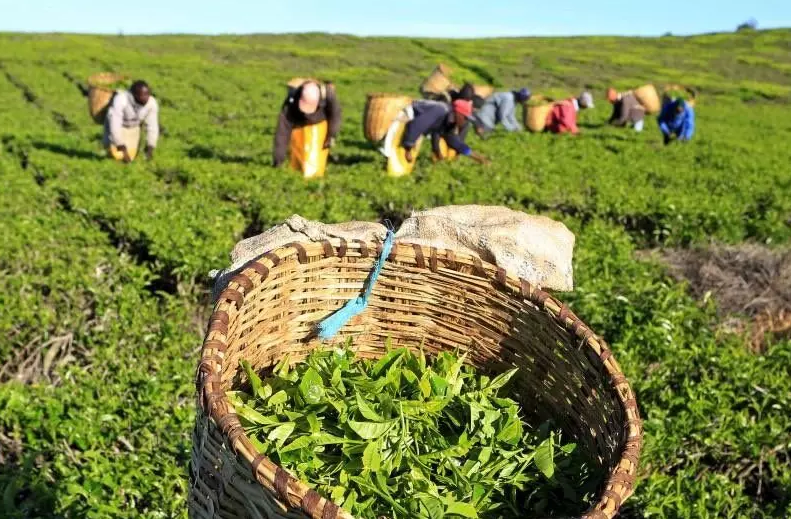
India has established itself as Kenya's leading tea import market through a significant 288% rise in exported tea volume which grew from 3.53 million kg in 2023 to 13.71 million kg during the same timeline of 2024. The trade data reveals that increased demand coincides with major transformations in business relationships.

India’s Tea Industry: Present Status

  • Global Ranking: As the world's second-biggest tea producer after China India generates 21% of global tea production.

  • Exports: The tea industry maintains its position as India's fourth-largest exporter through its 12% share of global tea exports. Tea export volumes throughout the first ten months of 2023 rose from 184.46 million kg to 209.14 million kg during the corresponding period of 2024. The major export markets for Indian tea are UAE, Russia, Iran, the U.S., and the U.K.

  • Domestic Market: India's love for tea creates a local market that consumes a total of 80% of its annual tea output.

  • Regional Production: Assam, India’s largest tea-producing state, produces 55% of the country's tea. India's annual tea production dropped by 50 million kg during 2024 as Assam lost 20 million kg from its total output.

Significance and Potential of Indian Tea

  • Economic Contributions: Through the tea industry India generates substantial employment opportunities as well as foreign exchange and government revenue benefits across rural districts.

  • Global Reputation: India maintains an international reputation for its tea exports because of its established geographical identifications along with creative new products. The special status of Darjeeling tea becomes significant because it is the first product to receive GUyeographical Indication authorization.

  • Strategic Growth Areas: The tea industry of India improves market competitiveness through greater product diversity and market expansion alongside increased market value addition.

Challenges Facing India’s Tea Industry

  • Stagnant Prices and Oversupply: Profitability for tea producers decreases because of a persisting price stagnation caused by growing supply exceeding market demand.

  • Cheaper Imports: Low-cost imports from around the world have led to doubts about tea quality and forced a reduction in India’s tea export volumes.

  • Rising Input Costs: Cost inflation for labor and resources has created stressed conditions for tea estates so they are either forced to shut down or their corporate parents must provide financial assistance through subsidies.

About Tea

  • Botanical Background: Tea grows as an evergreen plant where farmers harvest its leaves and leaf buds to make a global beverage favorite.

Cultivation Requirements:

  • Soil: Well-drained soil with high organic content and a pH of 4.5 to 5.5.

  • Climate: All climate zones from tropical to subtropical areas allow tea plants to flourish naturally.

  • Origin in India: Three hundred years ago British colonialists first brought Chinese and Southeast Asian tea to India for cultivation.

  • Geographic Spread: North East Indian states together with West Bengal grow the main tea crops while Karnataka, Kerala, Tamil Nadu, and Uttar Pradesh have minor production areas. 

    • Among India's tea collection, Darjeeling Tea maintains its status as a much-valued variety because it holds GI status.

Tea Board of India

  • Overview: The Tea Board of India was founded through the Tea Act in 1953 to manage agricultural tea operations and active exports while looking after industry standard compliance based on the International Tea Agreement.

  • Composition: A total of 31 members make up the board through their representation of parliamentarians and producers as well as trade representatives along with state and trade union members.

  • Functions: The Tea Board implements two core functions which include promoting Indian tea production at home and worldwide while building the nation's presence abroad in the tea business.

Recommendations

  • Boost Exports: Value-added efforts from India will enhance market pricing and make it possible to reach premium international markets.

  • Technology Integration: Blockchain technology allows supply chain visibility and advanced Research & Development in cultivation practices to make production systems more efficient.

  • Global Marketplaces: The establishment of an electronic marketplace connecting tea agriculturalists with international market participants would straighten up their business relationships while it grows the market.

  • Sustainable Practices: Sustainable farming practices will preserve the sustainable future of the tea industry.

  • Policy Support: The tea industry can maintain operational sustainability through targeted subsidies and skill development programs together with financial incentive programs.

Conclusion

The Indian tea industry foretells an optimistic outlook thanks to mounting demands within the nation and expanding exports coupled with rising international commerce participation. Positive results for the tea industry depend on successful solutions to manage price stability problems while controlling production expenses and opposing low-cost imported products. The tea industry's global leadership position shall remain secure as India advances through strategic growth initiatives with innovative approaches and sustainable operational strategies.

DRDO’s 76th Republic Day Parade 2025: Showcasing Pralay & Abhed Systems

A series of innovative defense technologies developed by the Defence Research & Development Organisation (DRDO) will be showcased at the Republic Day Parade 2025. At the DRDO tableau, India will feature two significant defense items including a Laser-Based Directed Energy Weapon and the Pralay surface-to-surface tactical missile system in operational readiness. During the celebrations,the DRDO will exhibit multiple sophisticated systems demonstrating its ongoing dedication to homegrown defense capabilities and independence.

DRDO's Republic Day Parade 2025 Highlights:

  • Laser-Based Directed Energy Weapon: As a defensive innovation India demonstrates progress in directed energy instrumentation while advancing its future-ready technology research.

  • Pralay Missile System: India's tactical missile system represents a sophisticated modern warfare capability that significantly enhances national strategic deterrence capabilities.

  • Featured Systems:

    • Quick Reaction Surface-to-Air Missile: For rapid air defense response.

    • Airborne Early Warning & Control System: Enhances surveillance and threat detection.

    • A modern artillery solution is a 155 mm/52 Cal Advanced Towed Artillery Gun System.

    • Drone Detect, Deter & Destroy System: A comprehensive counter-drone technology.

    • Satellite-Based Surveillance System: For enhanced monitoring and intelligence gathering.

    • Medium Power Radar 'Arudhra': Advanced radar for comprehensive detection.

    • Advanced Lightweight Torpedo & Electronic Warfare System 'Dharashakti': For naval defense and electronic warfare.

  • Indigenous Unmanned Aerial System & UGRAM Assault Rifle: The display showcases India's increasing technological achievements in unmanned aerial vehicles and advanced weapons platforms.

The tableau display will showcase the Long Range Hypersonic Anti-Ship Missile together with the Light Weight Bullet Proof Jacket 'ABHED' as major achievements from 2024.

  • Other DRDO Contributions: Besides the featured DRDO systems the celebration will include additional developments from DRDO laboratory staff.

    • Nag Missile System: An anti-tank guided missile.

    • Pinaka: A multi-barrel rocket launcher.

    • BrahMos: A supersonic cruise missile.

    • Akash Weapon System: A surface-to-air missile.

    • Short Span Bridging System 10m: For rapid mobility across obstacles.

DRDO continues to advance the defense capabilities of India through its vital role as the country advances toward achieving national defense technology independence (Aatmanirbharta). 

Grand Parade in New Delhi: Among the day's key features lies the nationwide parade in New Delhi which displays India's power through its military forces cultural variety and historical background. 

The parade features:

  • Cultural displays and military showcases.

  • The celebration exhibits 31 curated presentations from multiple states to showcase their ancestral heritage cultural evolution and social progress.

  • A musical performance with 300 artists and a cultural display with 5000 performers.

Theme for 2025: This celebration adopts Swarnim Bharat: Virasat aur Vikas (Golden India: Heritage and Progress) as its focal theme which embraces India's historical background together with its current achievements.

Beating Retreat Ceremony: On January 29th Beating Retreat signals the conclusion of the Republic Day festivities.

Chief Guest for 2025: The Republic Day 76th celebrations welcome Indonesian President Prabowo Subianto as the keynote guest. Since his presidential inauguration in October 2024, President Prabowo Subianto will participate in his inaugural presidential engagement with India.

Conclusion

India displays its unity with democratic values alongside its cultural diversity during the powerful celebration of Republic Day. In 2025 the mega celebration emphasized both India's military advancements through its Show of Live Demonstrations and its cultural festivities that showcased traditional performances together with advanced defense technology systems illustrating the country's dual growth aspects. The showcase of cutting-edge technologies, particularly by the DRDO, underscores India’s commitment to self-reliance in defense and its strengthened position on the global stage. The nation's accomplishments combined with these elements stand as reflections of past achievements while setting forth future aspirations that unify innovative approaches with communal progress.

NITI Aayog’s Fiscal Health Index 2025: Odisha Tops with Best Fiscal Performance

India’s 18 major states can now evaluate their fiscal performance through the NITI Aayog’s newly launched Fiscal Health Index (FHI) 2025. NITI Aayog uses the index to direct reforms supporting sustainable economic development while building fiscal standards among states.  NITI Aayog’s Fiscal Health Index (FHI) for 2022-23 produced Odisha, Chhattisgarh, Goa and Gujarat and Jharkhand as the five states in best fiscal condition.

How do we define the Fiscal Health Index (FHI)?

NITI Aayog developed the FHI (Fiscal Health Index) as a combined assessment tool to analyze Indian states’ financial stability. It measures the financial stability and efficiency of state governments by assessing five key sub-indices:

  • Quality of Expenditure: The index evaluates state funds distribution efficiency.

  • Revenue Mobilization: The index evaluates whether states manage to successfully collect revenue from sources.

  • Fiscal Prudence: The index shows how states maintain strong financial management combined with responsibility assurance.

  • Debt Index: Looks at the level of debt concerning the state’s economy and fiscal capacity.

  • Debt Sustainability: A state demonstrates debt management sustainability through this metric.

Using both the Comptroller and Auditor General of India (CAG) fiscal year 2022-23 reports and past FHI data from 2014-15 through 2021-22 the assessment takes place.

Key Highlights of FHI 2025:

Top Performers:

  • Odisha: The state received the highest score of 67.8 and performed outstandingly in debt management alongside debt sustainability.

  • Chhattisgarh: The state demonstrates robust fiscal management according to its score of 55.2 which secured second place in the ranking.

  • Goa: Fiscal balance stands out through its position at rank 3 and its obtained score of 53.6.

  • “Achievers” Category: Multiple fiscal metrics demonstrate strong performance results in these states which position them as exemplars of best practices.

  • “Front Runners” and “Performers”: The “Front Runner” label went to Maharashtra and Uttar Pradesh alongside Telangana and Madhya Pradesh and Karnataka but the “Performer” tag was given to Tamil Nadu alongside Rajasthan as well as Bihar and Haryana. The results showed that Kerala together with West Bengal and Andhra Pradesh and Punjab earned “Aspirational” status because they stood in need of substantial enhancement.

Underperformers:

  • Kerala: Kerala represented the lowest performer according to FHI 2025 with a score of 29.7 as it experiences difficulties maintaining debt sustainability while also facing downward pressure on expenditure quality.

  • Punjab: The state achieved a score of 28.4 although it demonstrated poor mobilization in revenue alongside high deficit problems.

  • West Bengal: Score 27.8 while at the same time struggling with debt index performance and fiscal resource management systems.

  • Andhra Pradesh: The state performed poorly since its high fiscal deficits lowered its total score to 26.9.

Regional Insights:

Southern States: Telangana emerges as the highest performing state scoring 47.5 while neighboring Tamil Nadu (30.2), Kerala (29.7), and neighboring Andhra Pradesh (26.9) face escalating fiscal problems.

Significance of FHI:

  • Comprehensive Insights: FHI reveals state fiscal conditions by showing their best points along with necessary improvement areas.

  • Annual Report: NITI Aayog plans to publish FHI on an annual basis starting from fiscal year 2024-25 until its following releases. Cost assessment data through FHI permits authorities to develop fiscal strategies that address emerging patterns in financial health.

  • Guiding Fiscal Reforms: The report underlines the need to develop careful financial systems while building better tax enforcement and focusing investments for maintaining long-term fiscal stability.

Implications for Policy and Governance:

  • Balanced Fiscal Growth: For ongoing national sustainability both in terms of geographic equality and fiscal stability the FHI report identifies balance as essential.

  • Informed Decision-Making: Through its data-driven analysis the FHI facilitates policy decisions by highlighting key areas for improvement that guide future policy structures aimed at fiscal health enhancement.

Conclusion

The 2022-23 NITI Aayog Fiscal Health Index demonstrates critical use in state fiscal assessment by showing Odisha, Chhattisgarh, and Goa as exemplary performers. Through FHI policymakers gain vital knowledge to pursue financial reforms that build transparency while maintaining sustainable economic expansion in India.

Frequently Asked Questions (FAQs)

The current affairs cover recent national and international events related to UPSC, SSC, Banking, Railways, and State PCS.

You need to read about the current affairs daily, and revise them every week and every month to keep them longer in your memory.

Yes, Class24 provides free downloadable Daily Current Affairs PDFs for easy revision.

Yes, you can practice MCQs and quizzes to boost your exam preparation.

Absolutely. The content is written in simple, easy-to-understand bilingual language suitable for beginners.

Go to class24.com and click on the current affairs section directly, where you find everything that you need.

ssc-toppers

Start Learning Today with Class24

Related current affairs

Class24 offers free video lectures for smart preparation, covering CGL, CPO, CHSL, MTS, and GD exams. Learn from expert faculty, revise concepts easily, practice with PYQs, and improve speed and accuracy through high-quality, exam-focused video lessons anytime, anywhere.

Get success in your hand. Start study anytime anywhere.

The journey becomes simple and enjoyable when you start taking interest in it. And through our app “Class24”, we will be your trusted partners in developing that interest.

Daily Quizzes
Mock Tests
Ongoing

No ongoing tests right now.