
Day: January 9, 2026

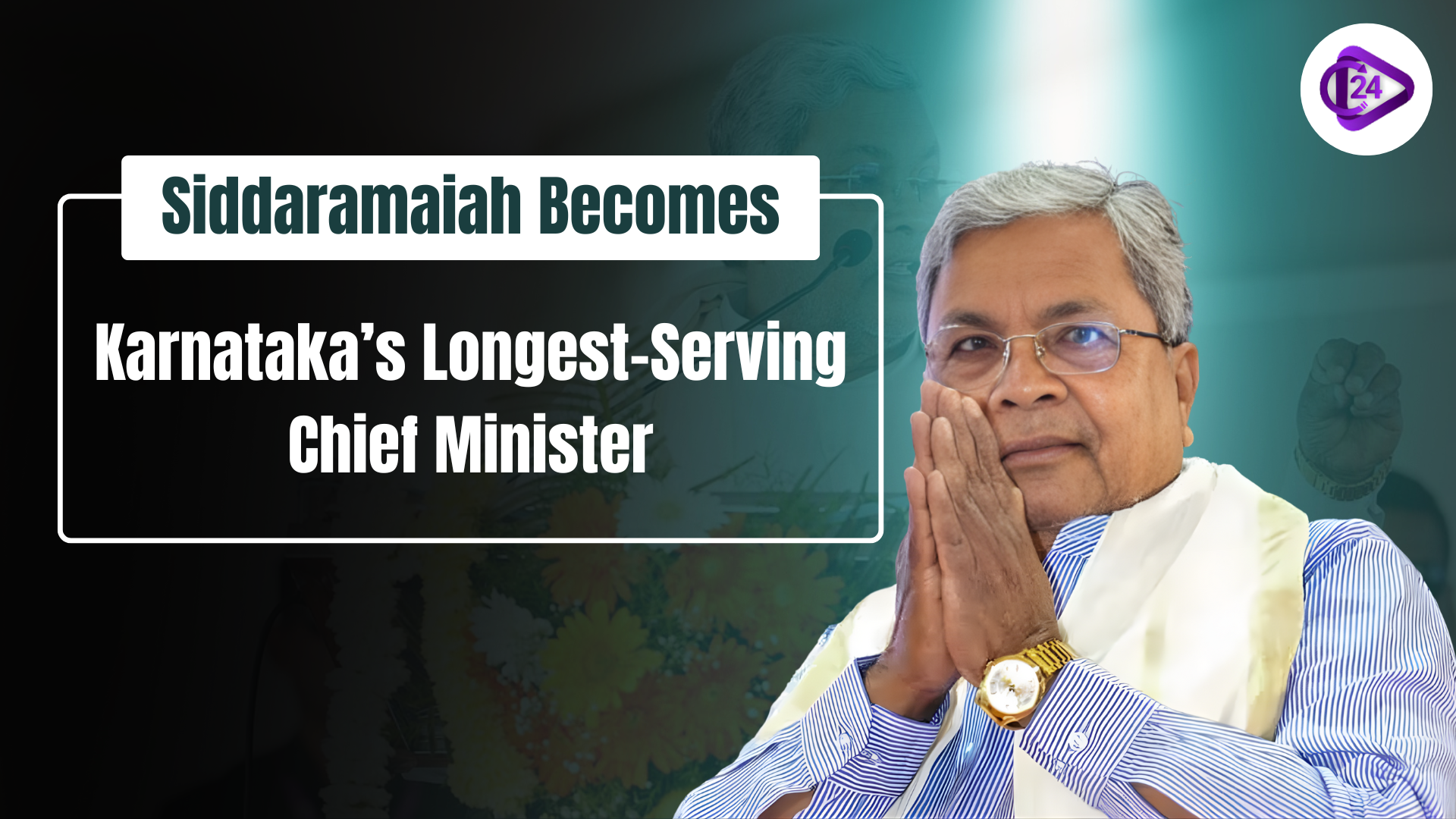
Siddaramaiah Becomes Karnataka’s Longest-Serving Chief Minister

Siddaramaiah has made history by becoming the longest-serving Chief Minister of Karnataka, a record that has stood since the time of the late D. Devaraj Urs. On January 6-7, 2026, the Congress veteran leader completed more than 2,792 days in office across his two terms, marking a new milestone in the state's history. Siddaramaiah has long been a political figure with a history of welfare-based administration, and he said he has stayed longer because the people were on his side and he was willing to serve them as long as they continued their blessings. His success is largely regarded as a reflection of his long service and leadership in Karnataka politics.

Political Journey Behind Siddaramaiah’s Historic Milestone

  • Siddaramaiah started politics in the early 1980s and was elected to the Karnataka Assembly in 1983.

  • He was gradually working up the political ladder, where he held major positions, including the finance minister and the deputy chief minister.

  • He was elected as the Chief Minister in 2013 and served a full-term of five years.

  • He was again sworn in as Chief Minister after the Congress came back to power in 2023.

  • His overall term of office surpassed the old mark, becoming the longest-serving CM in Karnataka.

  • His experience is a response to decades of policy-making, grassroots campaigns, and an emphasis on policies to promote social justice.

Important PYQs Based on CM

Exam Year Question Answer
UKPSC Prelims 2016 According to which article of the Constitution is the Chief Minister appointed by the Governor? Article 164
RRC Group D 2018 Which article states that the Chief Minister shall be appointed by the Governor? Article 164
NBE Jr. Assistant 2015 Which article defines the duties of the Chief Minister? Article 167
UPSC CSE (Mains) 2018 Discuss the discretionary powers of the Governor in appointing the Chief Minister. Answer based on the Governor’s discretion in hung assemblies
UPSC CSE (Mains) 2020 Examine the significance of the Chief Minister in the federal structure of India. The answer focuses on the CM’s role in maintaining federal balance

Conclusion (Siddaramaiah Becomes Karnataka’s Longest-Serving)

Siddaramaiah, the longest-serving Chief Minister of Karnataka, is a major milestone in the history of this state's politics. It is an indication of the long-standing popular backing and the existence of administration, as well as his role in the politics of the state. The success highlights the way in which experience and voter trust work together to influence long-term leadership in a democratic system.

Textile Ministry Signs Pacts with 15 States to Boost Data Systems Efficiency

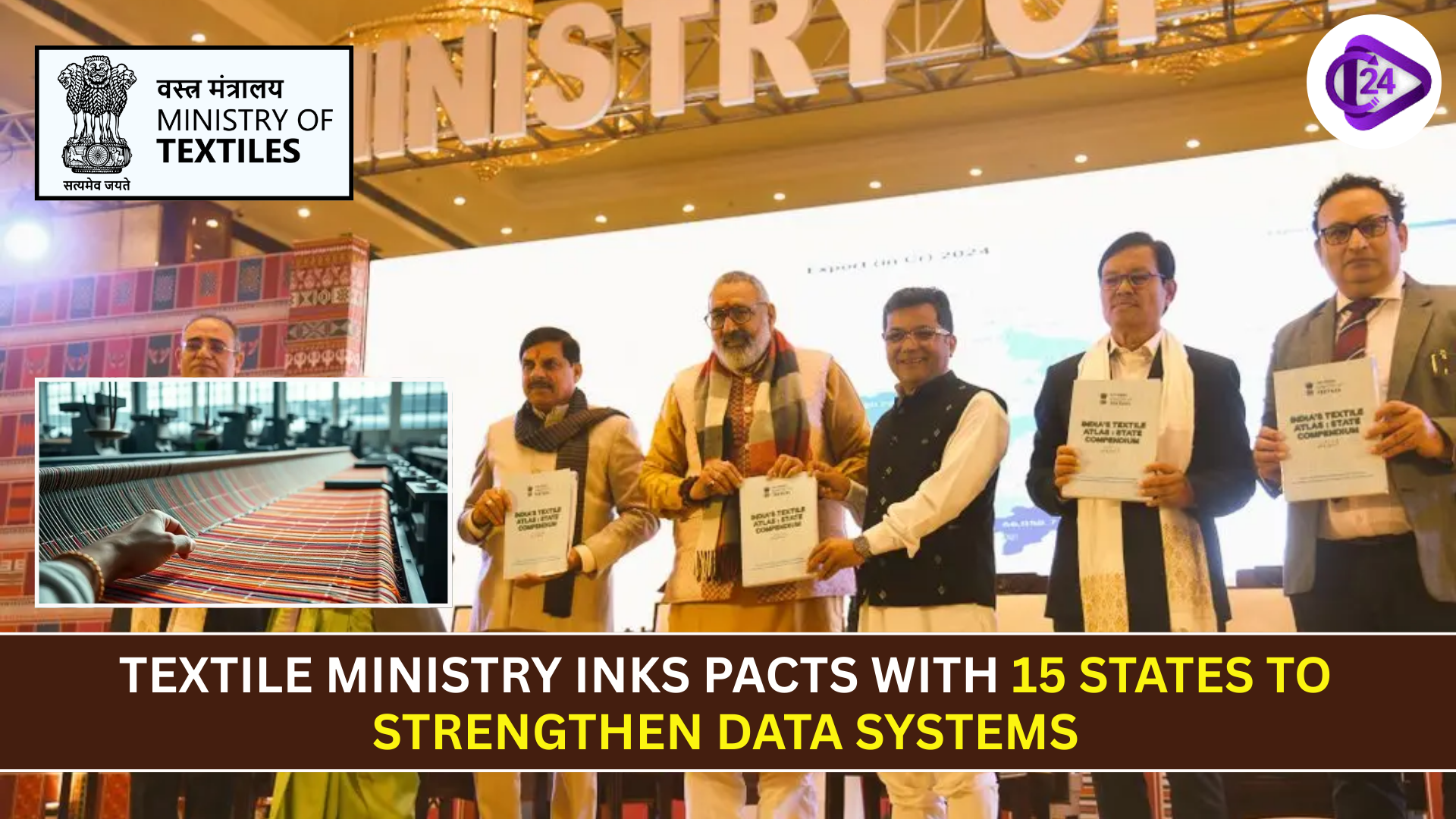
The Ministry of Textiles signed memorandums of understanding with 15 states and Union Territories under the TexRAMPS (Textiles‑focused Research, Assessment, Monitoring, Planning and Start‑Up) scheme to enhance data systems for the textile industry. The new project is expected to increase the coverage, quality, timeliness and credibility of textile-related statistical data and research to support evidence-based policymaking and strong operational frameworks. These agreements were ratified in the National Textiles Ministers Conference in Guwahati, wherein the government gave states financial assistance yearly to enhance the collection and analysis of data. The initiative promotes combined planning in the field of handlooms, handicrafts, apparel and technical textiles, which contributes to growth and investment.

Key Facts of the Tex-RAMPS Project

  • Tex-RAMPS is an abbreviation of Textiles-Focused Research, Assessment, Monitoring, Planning and Start-Up scheme by the Ministry of Textiles.

  • It is a Central Sector Scheme which is entirely government-financed with an outlay of 305 crore from 2026-2031 to 2025-26.

  • The initiative is to make the textile industry stronger in terms of research, innovation, data systems and planning.

  • It will implement an Integrated Textiles Statistical System of real-time data and analytics.

  • The major areas of focus are advanced research, diagnostics, monitoring, capacity building and support of start-ups.

  • It helps in interstate, inter-industry, inter-academic and inter-government collaboration in enhancing global competitiveness.

Recently Asked Questions and Answers: Textile Industry

Exam Year Question Answer
UPSC Prelims Geography 2020 Consider the following statements:
(1) “Textiles and textile articles” constitute an important item of trade between India and Bangladesh.
Which is correct?
Statement 2 only (Yes)
UPSC Geography Prelims Consider the following statements regarding the cotton textile industry:
(1) It faces stiff competition with synthetic fibres and has now shown a declining trend in many countries.
Which statements are correct?
Only statement 3 is correct
WBCS Mains 2023 The Indian textile industry faces competition from:
(1) China, (2) South Korea, (3) Japan, and (4) all of the above.
All of the above
UPSC CSE Mains 2013 Analyse the factors for the highly decentralised cotton textile industry in India. Explanation of decentralisation from traditional mills to power loom and handloom sectors
UPSC CSE Mains 2020 What are the challenges and opportunities facing the cotton textile industry in India in global competition? Global competition, technology adoption, labour issues, productivity and sustainability
Various State PSC Geographies 2010 Tamil Nadu is a leading producer of mill-made cotton yarn due to rich, skilled labour. Correct: Rich, skilled labour (Statement 2)
CTET Paper 2 2021 Read the statements:
(A) Indian textiles declined because of tough competition from European & American textiles;
(B) declined due to very high duties on imports into Britain.
Which is correct?
A is false, B is true

Conclusion 

The Textile Ministry has established a partnership with 15 states are a major stride towards enhancing data systems amongst India textile industry. The initiative allows making the evidence-based policymaking process, facilitating transparency, encouraging innovations, improving efficiency, and promoting sustainable development and competitiveness in the handloom, silk, cotton, and jute sectors across the country.

Trump Withdraws U.S. from Key Climate Treaty, Sparks Global Climate Policy Shift

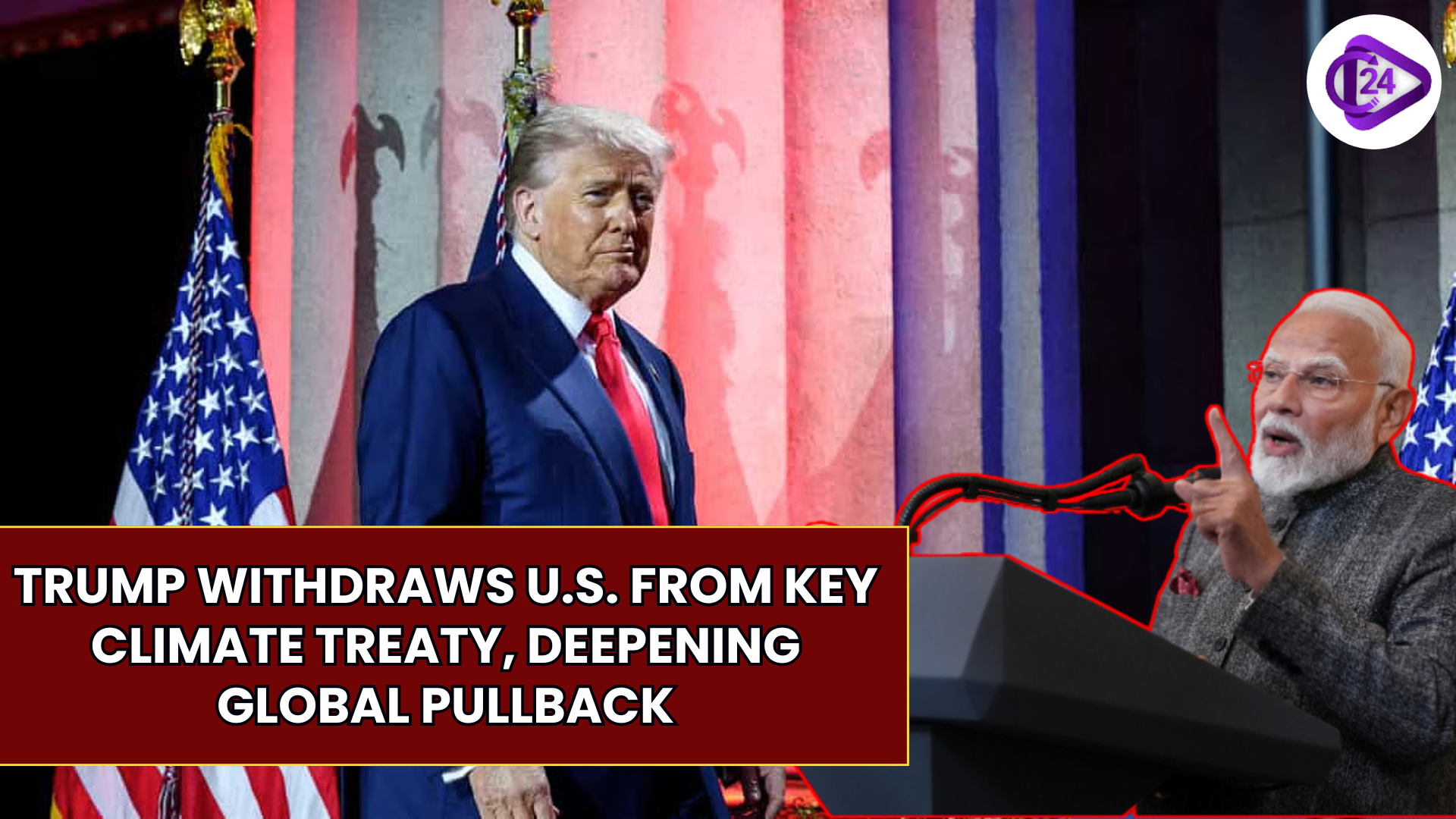
President Donald Trump announced that the United States would officially withdraw from the United Nations Framework Convention on Climate Change (UNFCCC), a foundational global climate treaty upon which key agreements on greenhouse gas reduction and international climate action are based. This ruling was proclaimed in a White House memorandum, which instructed the withdrawal from 66 international organisations and treaties considered against U.S. interests, among them the major climate bodies, the UNFCCC and the Intergovernmental Panel on Climate Change. The step, as part of a broader withdrawal from multilateralism, has increased America's pullback from global climate collaboration and has become an international issue of widespread anxiety.

Key Highlights of UNFCCC

  • The UNFCCC is an international document committed to the stabilisation of the level of greenhouse gases to ensure that the climate system is not put at risk due to the harmful intervention of human beings.

  • It establishes a precedent of climate negotiations and activities of almost all countries of the world.

  • It also defined the Conference of the Parties (COP) as the decision-making institution in which the climate objectives are discussed and promoted.

  • It promotes climate finance and technology collaboration, particularly in developing countries.

  • The Kyoto Protocol, as well as the Paris Agreement, are the results of the UNFCCC.

  • It encourages mitigation and adaptation reporting, transparency and collaboration.

What is UNFCCC?

  • The United Nations Framework Convention on Climate Change (UNFCCC) is a global environmental treaty that was adopted in 1992 and became effective in 1994 in order to deal with climate change.

  • The main task is to stabilise greenhouse gas concentrations to eliminate the risk of harmful human intervention in the climate system.

  • The Convention offers an international platform for collaboration and climate action negotiation between almost all states.

  • It is the foundation of such significant climate agreements as the Kyoto Protocol and the Paris Agreement.

  • Countries that are members of it hold an annual conference known as the Conference of the Parties (COP) in order to discuss the progress and reinforce commitments.

  • The UNFCCC leads in global endeavours in mitigation, adaptation, climate finance, technology transfer, and transparency.

PYQs Based MCQs for UNFCCC

Exam Year Question Answer
UPSC Prelims 2016 With reference to the Agreement at the UNFCCC meeting in Paris in 2015, which of the following statements is/are correct?
(1) The Agreement was signed by all UN members and will go into effect in 2017.
(2) It aims to limit the rise in global temperature to 2°C/1.5°C above pre-industrial levels.
(3) Developed countries committed to donating $1000 billion annually from 2020 to help developing countries.
Only statement 2 is correct.
Bihar CET B.Ed. 2019 The 24th session of the Conference of the Parties to the UNFCCC (COP24) was held at Katowice, Poland
AP Police Constable 2017 The UNFCCC COP22 was held in which place? Marrakesh, Morocco
SSC CGL 2023 The UNFCCC has announced which country will host COP28 in 2023. United Arab Emirates
UPSC 2010 The United Nations Framework Convention on Climate Change was an international treaty drawn up at? UN Conference on Environment and Development, Rio de Janeiro, 1992

Expected Questions and Answers About UNFCCC Framework

Q. The principle of “common but differentiated responsibilities (CBDR)” implies:
a) All countries have identical obligations
b) Developed countries have greater responsibility
c) Only developing countries reduce emissions
d) No binding obligations

Answer: b) Developed countries have greater responsibility
Explanation: CBDR acknowledges the historical responsibility of developed nations for climate change and their capacity to act.

Q. The Paris Agreement’s main goal is to limit global warming to:
a) 5°C above pre-industrial levels
b) 4°C above pre-industrial levels
c) Well below 2°C, preferably 1.5°C
d) 3°C above pre-industrial levels

Answer: c) Well below 2°C, preferably 1.5°C
Explanation: The Paris Agreement sets scientifically guided temperature limits to prevent catastrophic climate impacts.

Q. Which mechanism under the UNFCCC allows developed countries to invest in emission-reducing projects in developing nations?
a) CDM
b) Carbon Tax
c) Kyoto Export Scheme
d) Global Emission Market

Answer: a) CDM (Clean Development Mechanism)
Explanation: CDM lets developed countries invest in emission reduction projects in developing nations to earn carbon credits.

Q. The UNFCCC entered into force in:
a) 1990
b) 1992
c) 1994
d) 1997

Answer: c) 1994
Explanation: Adopted in 1992 at Rio, the UNFCCC became legally binding in 1994.

Q. “Nationally Determined Contributions (NDCs)” under the Paris Agreement refer to:
a) Mandatory financial contributions to the UN
b) Country-specific climate action plans
c) Annual GDP contributions
d) Trade policies

Answer: b) Country-specific climate action plans
Explanation: NDCs define each country’s voluntary climate mitigation and adaptation targets.

Q. COP meetings under UNFCCC are held:
a) Once every 6 months
b) Annually
c) Every 2 years
d) Every 5 years

Answer: b) Annually
Explanation: COP meets annually to review progress and adopt new climate decisions.

Q. Which body reviews the implementation of UNFCCC commitments?
a) COP
b) IPCC
c) UNEP
d) WTO

Answer: a) COP
Explanation: Conference of the Parties (COP) is the main decision-making body assessing progress and guiding policies.

Q. The Kyoto Protocol is associated with UNFCCC because it:
a) Introduced legally binding emission reduction targets
b) Created the UN Climate Fund
c) Introduced carbon trading only for India
d) Focused on ozone layer depletion

Answer: a) Introduced legally binding emission reduction targets
Explanation: The Kyoto Protocol (1997) set binding targets for developed countries to reduce greenhouse gas emissions.

Q. Which developing country pledged to achieve net-zero emissions by 2070 under UNFCCC?
a) India
b) China
c) Brazil
d) Indonesia

Answer: a) India
Explanation: India announced its net-zero target by 2070 at COP26.

Q. Which of the following reports guides UNFCCC negotiations?
a) IPCC Assessment Reports
b) World Bank Annual Reports
c) WTO Trade Statistics
d) IMF Climate Reports

Answer: a) IPCC Assessment Reports
Explanation: IPCC provides scientific data to inform climate policy decisions under UNFCCC.

Conclusion (Trump Withdraws U.S. from Key Climate Treaty)

President Trump's leaving the major climate treaty can be seen as a strong back-step of the climate cooperation on a global level. This action compromises global actions to curb the emission of greenhouse gases, frustrates multilateral climate regulations, and casts doubt on the appropriateness of global climate agreements towards dealing with the impending environmental risks.

OPSA and ORF Announce Partnership for Inaugural Raisina Science Diplomacy Initiative (SDI) 2026

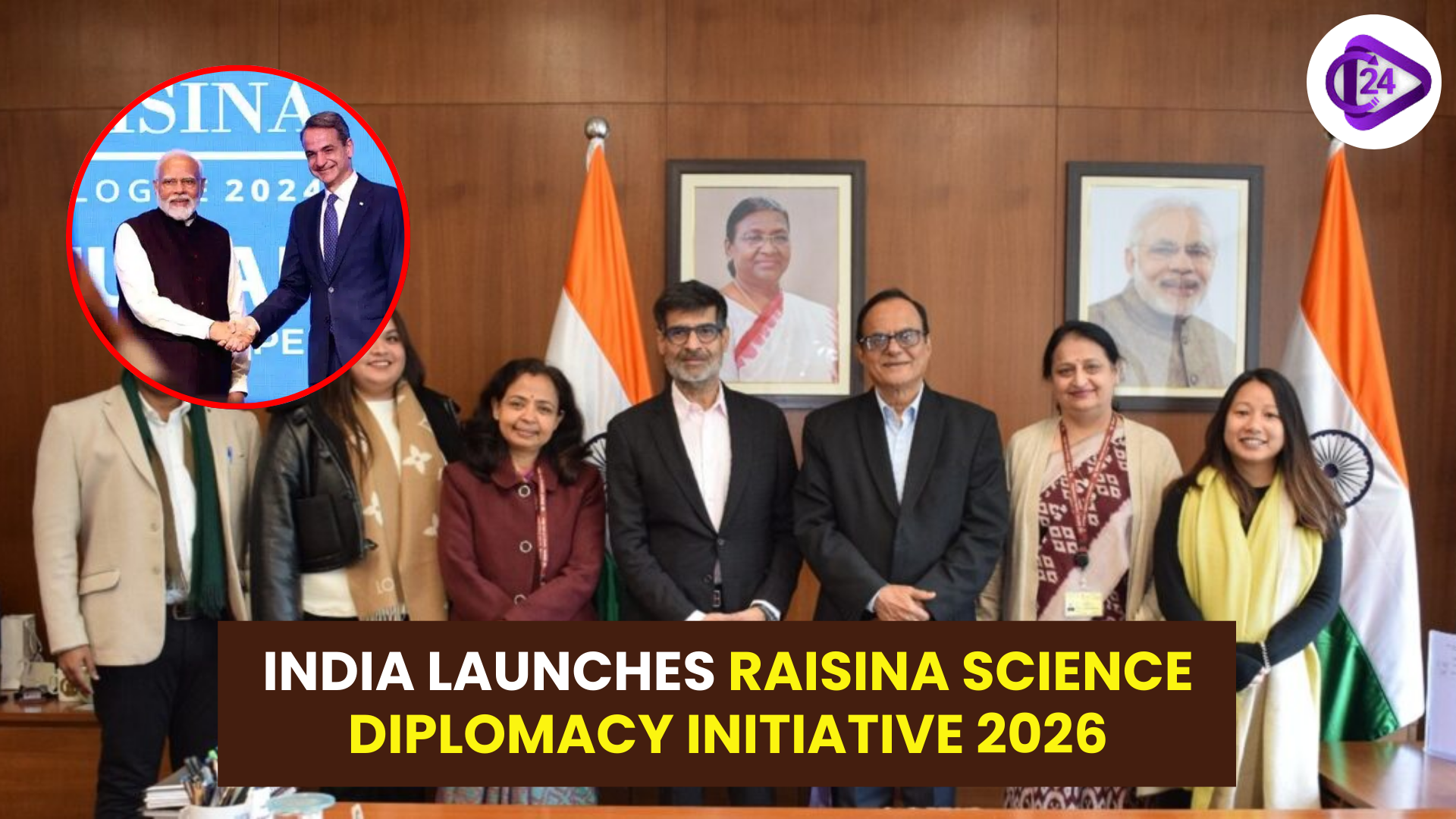
The Raisina Science Diplomacy Initiative (SDI) 2026 is a new strategic platform officially launched by India to strengthen the connection between science, technology, and international relations. The initiative, announced in collaboration with the Office of the Principal Scientific Advisor (OPSA) and the Observer Research Foundation (ORF), will be publicised as part of the Raisina Dialogue 2026, which is planned to be held in New Delhi between March 5 and 7. The SDI aims to create a high-level discourse on new technologies, the management of disruptive innovation, and scientific collaborations in a multipolar world, and to strengthen India's role in international science-policy relations.

Raisina Science Diplomacy Initiative 2026 Launched

  • First Initiative: A new platform, the Raisina Science Diplomacy Initiative (SDI) 2026, has been inaugurated as a new platform that links science, technology, and diplomacy.

  • Institutional Support: It is a collaboration between the office of the Principal Scientific Advisor and the Observer Research Foundation.

  • Management: The Principal Scientific Adviser to the Government of India and the President of ORF headed the launch.

  • Purpose: The project will encourage a discussion on how scientific and technological innovations influence world policy and regulation.

  • Global Focus: It will cover the emerging technologies, governance of innovation, and international scientific cooperation in a multipolar world.

  • Venue: SDI 2026 will be hosted with the Raisina Dialogue 2026 in New Delhi.

Recently Asked PYQs on Raisina 

Exam Year Question Answer
UP Police SI 2021 Raisina Dialogue, a multilateral conference, is held every year in which city? New Delhi
Delhi Police Constable 2020 Where was the fifth edition of the Raisina Dialogue held? New Delhi
PPSC Naib Tehsildar 2022 Which of the following statements about Raisina Dialogue is/are true?
(1) It is India’s flagship conference on foreign policy.
(2) Its seventh edition was launched in April 2022.
(3) It started in 2017.
Only statements 1 and 2 are true
UPPSC BEO 2020 What was the main theme of the Raisina Dialogue held during 14–16 January 2020? Navigating the Alpha Century
IB ACIO Grade-II 2025 The Raisina Dialogue, held in March 2025, was hosted by which Indian city? New Delhi
RRB PO Mains 2024 Where was the 9th edition of the Raisina Dialogue inaugurated? New Delhi

Conclusion (India Launches First Raisina Science Diplomacy Initiative)

The Raisina Science Diplomacy Initiative in India is a significant initiative that can be undertaken to integrate science and foreign policy. The initiative enhances India's leadership in science governance and international interaction in a more complex and technology-oriented world by supporting dialogue on new technologies and fostering global collaboration.

Frequently Asked Questions (FAQs)

The current affairs cover recent national and international events related to UPSC, SSC, Banking, Railways, and State PCS.

You need to read about the current affairs daily, and revise them every week and every month to keep them longer in your memory.

Yes, Class24 provides free downloadable Daily Current Affairs PDFs for easy revision.

Yes, you can practice MCQs and quizzes to boost your exam preparation.

Absolutely. The content is written in simple, easy-to-understand bilingual language suitable for beginners.

Go to class24.com and click on the current affairs section directly, where you find everything that you need.

ssc-toppers

Start Learning Today with Class24

Related current affairs

Class24 offers free video lectures for smart preparation, covering CGL, CPO, CHSL, MTS, and GD exams. Learn from expert faculty, revise concepts easily, practice with PYQs, and improve speed and accuracy through high-quality, exam-focused video lessons anytime, anywhere.

Get success in your hand. Start study anytime anywhere.

The journey becomes simple and enjoyable when you start taking interest in it. And through our app “Class24”, we will be your trusted partners in developing that interest.

Daily Quizzes
Mock Tests
Ongoing

No ongoing tests right now.