
Day: December 29, 2025

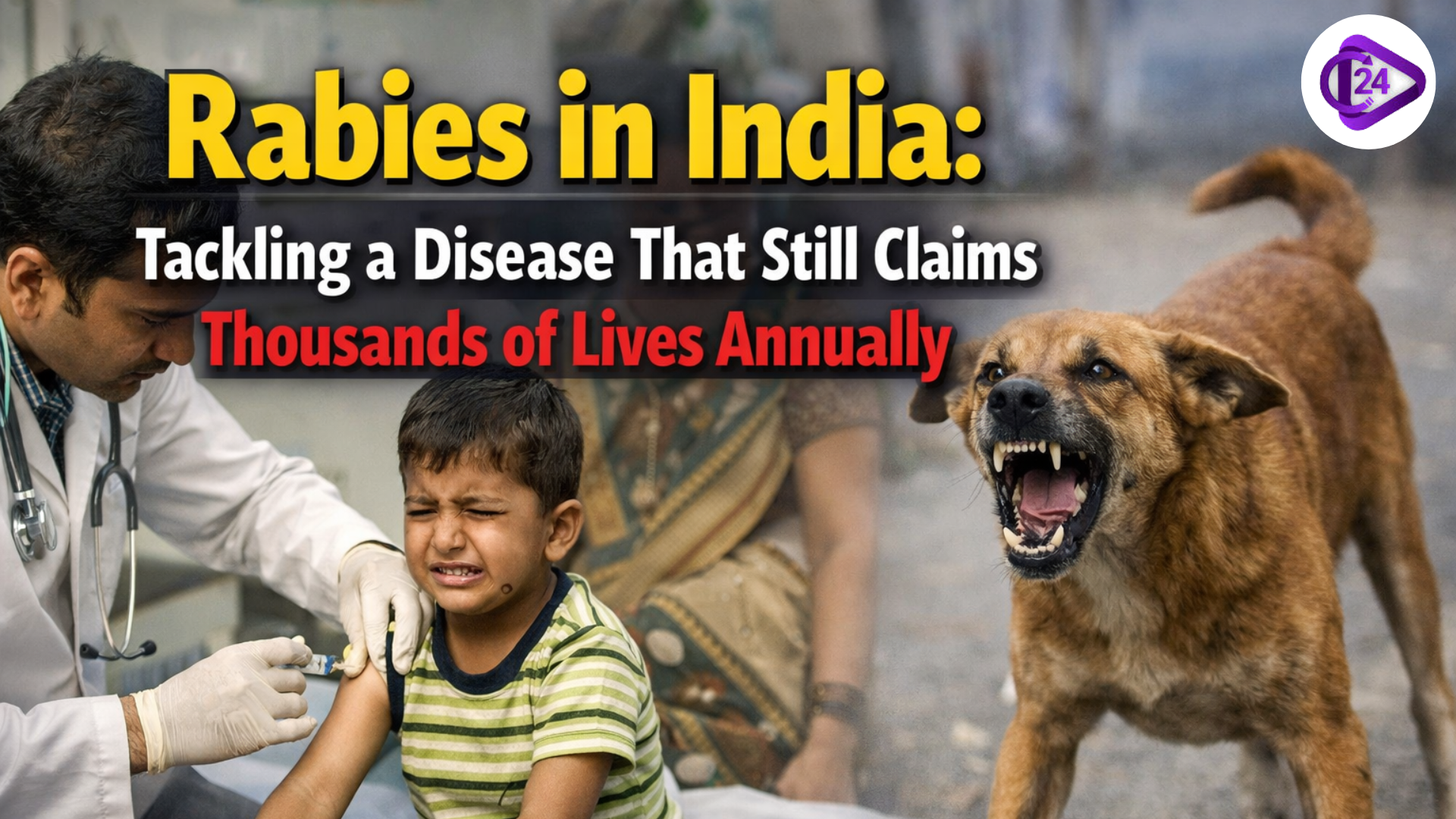
Rabies in India: Tackling a Disease That Still Claims Thousands of Lives Annually

Rabies is a significant health issue in India, which is a vaccine-preventable viral infection and is mostly caused by bites from dogs. With nearly no progress in eliminating rabies, India is an endemic country that has a proportion of approximately 36 percent of deaths caused by rabies in the world, with estimates available showing that this is 18,000 to 20,000 deaths in the country each year. The children have the highest burden since they form a great percentage of cases. Although this can be prevented by timely vaccination after exposure and vaccination of dogs, due to the lack of awareness, timely access to medical care, and overall dog vaccination, the level of mortality remains high. The prevention, mass dog vaccination, and surveillance efforts should be strengthened to enable the elimination of human deaths caused by rabies.

What are the Key Facts About Rabies?

  • Rabies is a contagious virus that causes infections in the central nervous system and is lethal upon symptom development, which is preventable by vaccination. Up to 99 percent of human rabies incidences are a result of dog attacks and scratches. Children below 15 are the worst hit.

  • Rabies is also endemic in India and has a large share of the global rabies deaths, in India with tens of thousands dying every year.

  • The rabies fatalities can be brought down to zero by acting in time. Washing of the wound immediately, post exposure prophylaxis (PEP) with anti-rabies vaccine and, if needed, rabies immunoglobulin (RIG) may prevent the development of the virus in the nervous system.

  • These modes of control are the One Health approach, including mass vaccination of dogs, awareness of bite prevention, better access to PEP, health worker training, surveillance, and control of dog populations.

  • The National Action Plan of rabies elimination, as part of the Indian state vision, is the NAPRE; the national priority lies in the coordination of actions such as mass immunization of dogs and the reinforcement of veterinary and human systems, with the ultimate vision of eradicating human rabies by 2030, which is carried out by dogs by 2030.

PYQs Based on Rabies 

Exam Name Year Question Answer
UP Police SI 2021 Which of the following diseases spreads through the saliva of infected animals? (a) Rabies (b) West Nile Virus (c) Malaria (d) Lyme disease Rabies
OSSC CGL 2022 In 1885, Louis Pasteur discovered the vaccine for __________. (a) Chikungunya (b) Smallpox (c) Cancer (d) Rabies Rabies
State RAS Prelims Which of the following is not a zoonotic disease? (a) Mucormycosis (b) Rabies (c) Plague (d) SARS Mucormycosis

Read also: 

Conclusion of Rabies in India

Rabies is a significant but preventable health hazard to the Indian population, as it kills thousands of citizens each year. Proper prevention by means of vaccination of dogs immediately after exposure, mass dog vaccination, and enlightenment of people is important. The national action plans can be used to coordinate the eradication of human rabies using an integrated strategy to protect the vulnerable populations, particularly children, and decrease deaths at the national level.

BHU Develops Molecular Classification for Oral Cancer Therapy

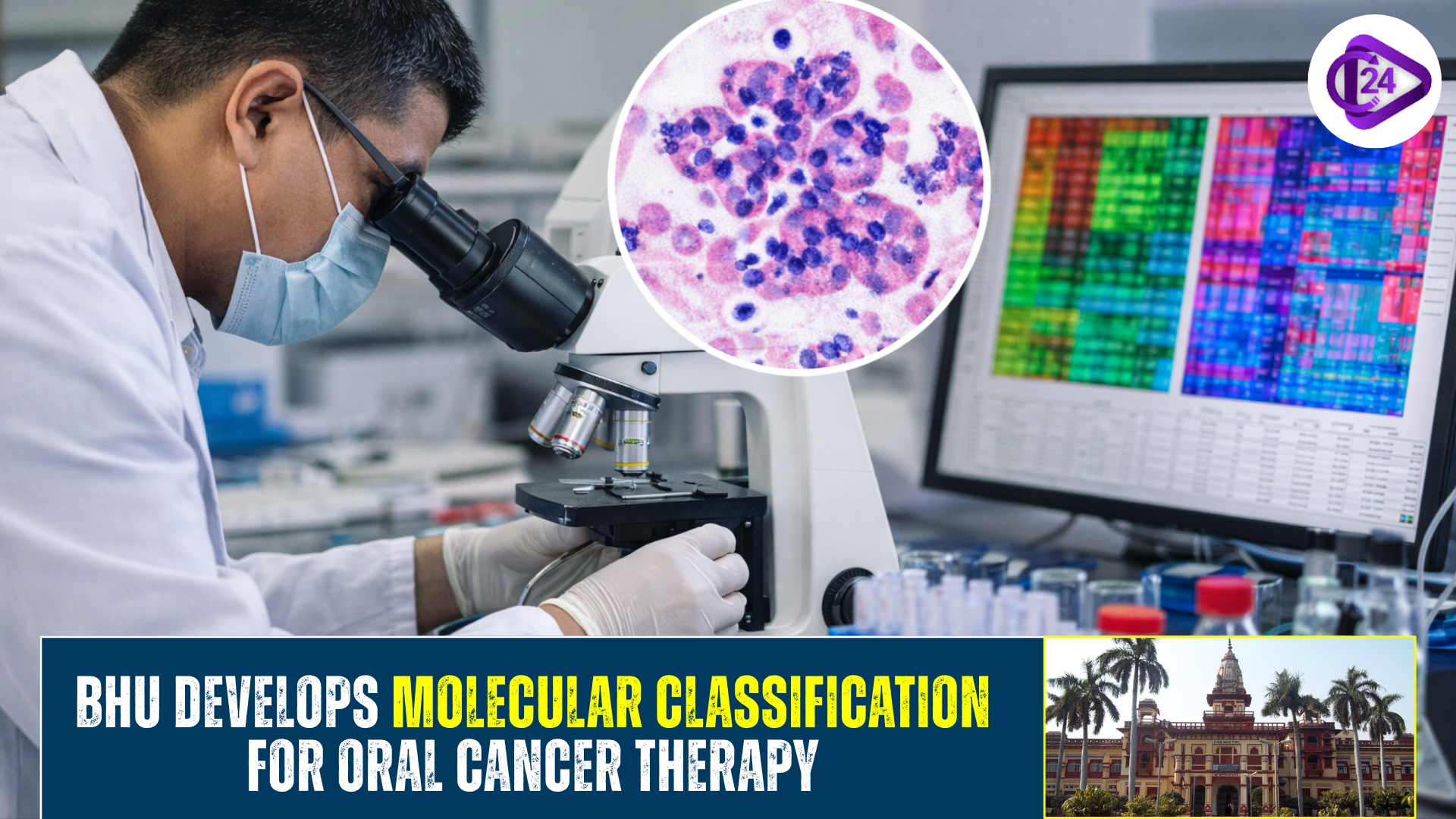
Researchers at Banaras Hindu University have created the first systematic molecular classification of oral cancer worldwide, providing a precision therapy roadmap for personalised treatment. On the 25th of December 2025, the journal Mutation Research/Reviews in Mutation Research published the study, which used genomic data and literature to define five molecular subtypes of oral cancer, each associated with specific genes and pathways. The new framework now transcends standard morphology-based diagnosis, allowing clinicians to model specific therapies rather than apply standard chemotherapy. It has major India-specific relevance, as the incidence of oral cancer is high in India because of the consumption of tobacco and betel quid.

Five Key Molecular Pathways Identified for Precision Oral Cancer Therapy

  • The first systematic molecular classification of oral cancer was developed by researchers at Banaras Hindu University, who analyzed genomic data and literature to arrive at the classification.

  • The study has established five distinct biological pathways in the development of oral cancer, namely Cell-Cycle Dysregulation, Immune-Mediated, Xenobiotic Metabolism-Associated, Inflammatory Pathway Activation, and Viral Protein Activation.

  • Each pathway is associated with specific genes or molecular processes, all of which are amenable to new treatments.

  • The model enables oncologists to customize precision treatments rather than rely on existing homogeneous chemotherapy.

  • The model is particularly applicable to high-incidence areas, including India, as it focuses on tobacco- and betel quid-related pathways.

Read Also: 

Conclusion 

BHU pioneered a significant advance in more precise oncology by the development of a molecular classification of oral cancer. It reveals five different pathways, which allow individualized treatment by enhancing the results and decreasing non-productive treatments. This innovation is especially essential to high-incidence areas such as India that will ensure guided and effective management of cancer.

Gujarat Re-enters India’s Tiger Map After Three Decades

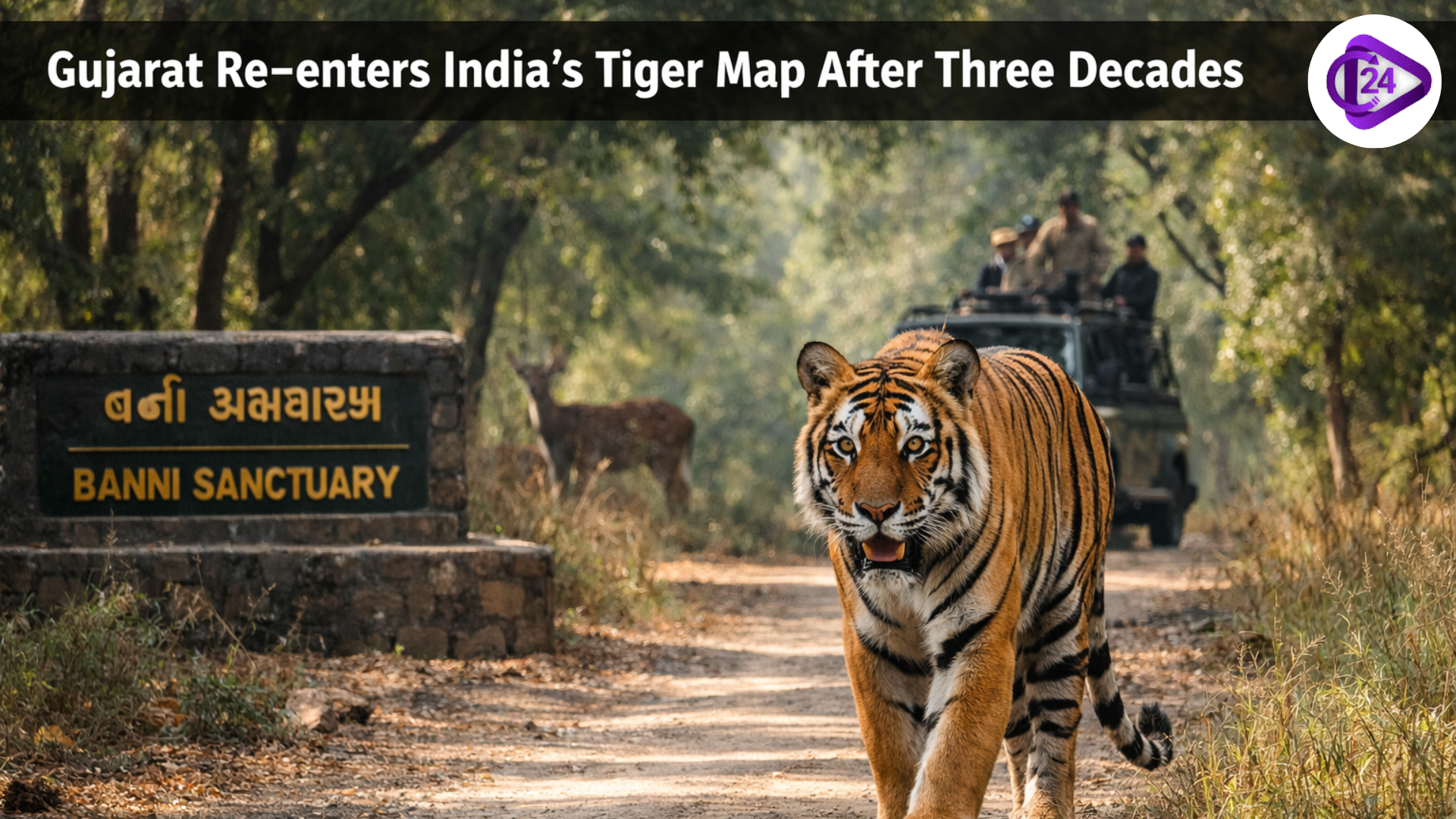
The re-entry of Gujarat into the tiger map in India has been officially registered, marking over 30 years since it was last included in the map, thus a significant milestone in conservation. National Tiger Conservation Authority (NTCA) confirmed that a resident tiger exists in the Ratanmahal Wildlife Sanctuary in Dahod district. Thus, the state was included in the All-India Tiger Estimation (AITE) 2026 census. Gujarat had since lost the tiger status following its local extinction by the late 1980s and lacked a local population in the following censuses. The sight and sound of a tiger indicate an increase in the habitat conditions and a long-term protection of forests. In this development, Gujarat is the only state in India to have lions, leopards, and tigers in the wild.

Why Gujarat’s Return to India’s Tiger Map Matters

  • Conservation win of the year: Gujarat has been re-established as a tiger-preserving state after over three decades, which has been a big milestone towards the conservation of wildlife.

  • The biodiversity gains of India: The state is currently the home of all three big cats-tiger, lion, and leopard, thus making it an important ecological zone.

  • Improved habitat recognition: Inclusion in the All-India Tiger Estimation census shows that there has been an improved quality of habitat and management of forests.

  • Enhanced protection measures: The turn puts an emphasis on efficient surveillance, camera-trap records, and scientific confirmation.

  • Prospects: It clears the way to establish new tiger reserves, increase the power of corridors, and the conservation territory of the big cats in India.

Previous Year Question for Tiger Reservation

Exam Name Year Question Answer
UPSC Prelims 2020 Among the following Tiger Reserves, which one has the largest area under Critical Tiger Habitat? (a) Corbett (b) Ranthambore (c) Nagarjunasagar-Srisailam (d) Sundarbans Nagarjunasagar-Srisailam
UPSC Prelims 2012 Consider the following protected areas: Bandipur, Bhitarkanika, Manas, and Sundarbans. Which are declared Tiger Reserves? Bandipur, Manas, Sundarbans
SSC CGL Tier-I 2020 In 2020, which of the following tiger reserves won the TX2 Award for increasing the tiger population? (a) Periyar (b) Pilibhit (c) Ranthambhore (d) Sariska Pilibhit Tiger Reserve
SSC GD Constable 2021 Which tiger reserve bagged the first-ever international TX2 award for doubling tiger numbers ahead of the target period? Pilibhit Tiger Reserve
UPSSSC Lower PCS 2019 Which of these tiger reserves is situated in Uttar Pradesh? (a) Sariska (b) Amangarh (c) Jim Corbett (d) Panna Amangarh Tiger Reserve (UP)

Read Also: 

Conclusion (Gujarat Re-enters India’s Tiger Map)

A key success story on conservation is the reintroduction of Gujarat in the Indian tiger map after 30 years. It mentions the efficient restoration of habitat, its surveillance, and protection activities. The achievement empowers the biodiversity of India, improves the ecological value of the state, and supports the already underway wildlife conservation efforts, which gives other regions the idea to use similar policies to preserve big cats.

India’s RCEP Minus China Strategy Explained

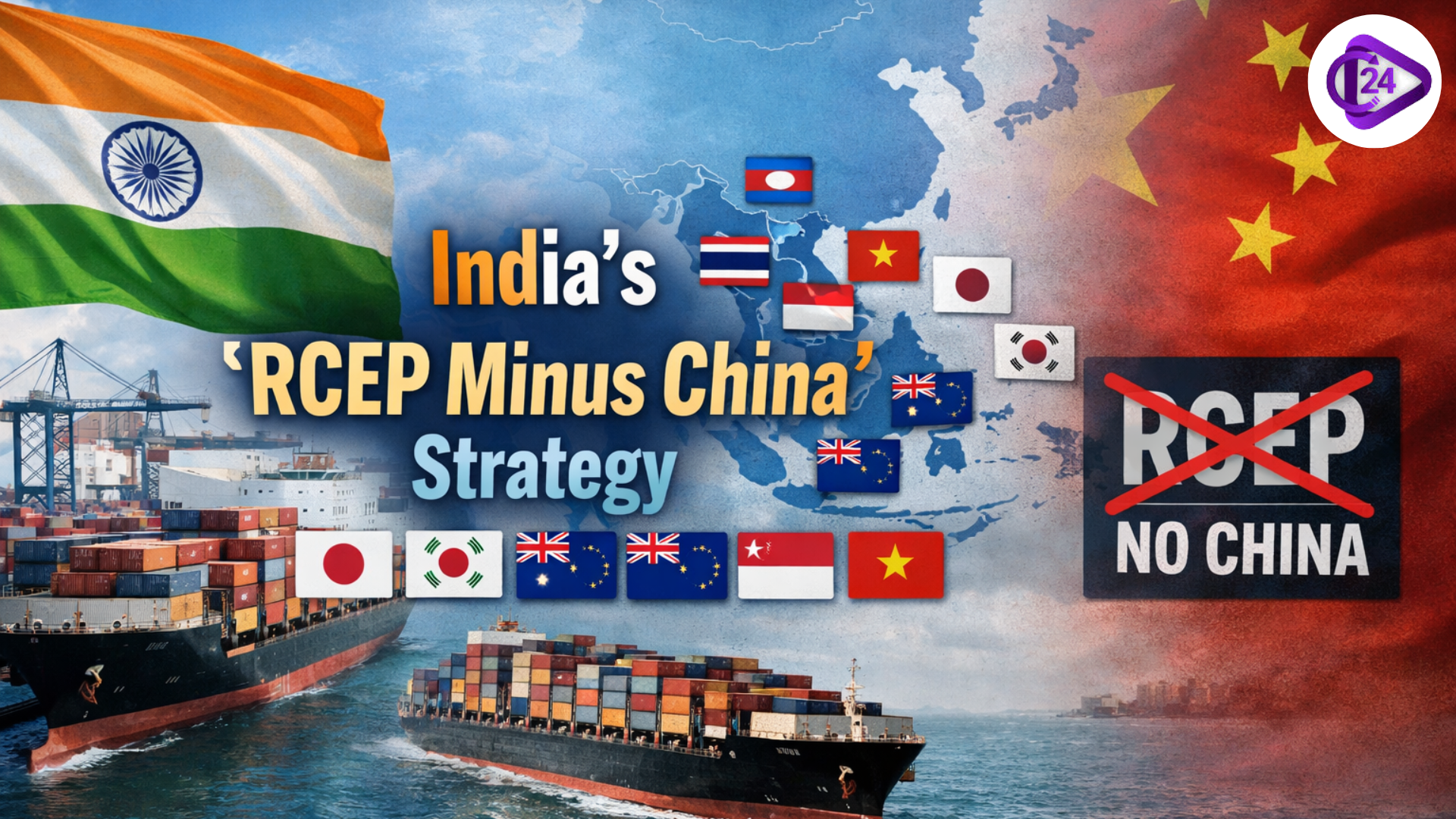
India's RCEP Minus China policy shows that New Delhi was cautious about regional trade following its decision not to join the Regional Comprehensive Economic Partnership (RCEP) in 2019. The government concluded that the current RCEP framework failed to protect India's sensitive sectors and would flood local industries with almost free Chinese imports. Rather than being part of the entire bloc, India has sought bilateral free trade agreements with all RCEP members except China, gaining market access without relinquishing its tariff autonomy and policy space. This policy is intended to restrain economic opportunities in line with national interests and reduce the vulnerability associated with China-centred trade integration.

What is RCEP and India’s ‘RCEP Minus China

  • The RCEP (Regional Comprehensive Economic Partnership) is a mega free trade agreement among countries in the Asia-Pacific region, aimed at reducing tariffs and facilitating trade integration.

  • It comprises 10 ASEAN nations, Japan, South Korea, Australia, and New Zealand, and is a major member of China.

  • RCEP accounts for approximately 30 percent of global GDP and population, making it the largest trade bloc in the world.

  • In 2019, India pulled out because of increasing trade deficits, particularly with China, as well as risks to domestic industries.

  • The RCEP Minus China strategy refers to India's approach of seeking bilateral trade agreements with other RCEP members, excluding China.

  • This will assist India in entering the market while safeguarding both strategic and economic interests.

Expected MCQs about RCEP

Q.1 With reference to the Regional Comprehensive Economic Partnership (RCEP), consider the following statements:

It is a free trade agreement among Asia-Pacific countries.

It aims to reduce tariffs and integrate regional supply chains.

India is a current member of RCEP.

Which of the statements given above is/are correct?

A) 1 and 2 only

B) 2 and 3 only

C) 1 and 3 only

D) 1, 2, and 3

Answer: A

Explanation: India is not a member of RCEP; it withdrew in 2019.

Q.2 What does India’s ‘RCEP Minus China’ strategy primarily refer to?

A) Forming a new trade bloc without China

B) Imposing tariffs only on Chinese goods

C) Signing trade agreements with RCEP members except China

D) Re-entering RCEP with special safeguards

Answer: C

Explanation: India is engaging bilaterally with RCEP countries excluding China.

Q.3 RCEP currently represents approximately what share of the global economy?

A) 15%

B) 20%

C) 30%

D) 45%

Answer: C

Explanation: RCEP accounts for about 30% of global GDP and population.

Q.4 How does the ‘RCEP Minus China’ strategy help India?

A) It isolates India from regional trade

B) It increases import protection only

C) It balances market access with strategic autonomy

D) It replaces WTO rules

Answer: C

Explanation: It allows engagement with Asia-Pacific economies without strategic vulnerability.

Q.5 RCEP consists of ASEAN countries and which of the following non-ASEAN countries?

A) India, Pakistan, Sri Lanka, Bangladesh

B) China, Japan, South Korea, Australia, New Zealand

C) Russia, China, Iran, Turkey

D) UK, France, Germany, Italy

Answer: B

Explanation: RCEP includes ASEAN + China, Japan, South Korea, Australia, and New Zealand.

Read Also: 

Conclusion (India’s ‘RCEP Minus China’ Strategy)

The strategy of India, which is known as the RCEP minus China, is a measure of moderation between economic integration and strategic independence. In the process of interacting with the economies of Asia-Pacific and excluding China, India protects domestic industries, minimizes geopolitical risk, and enhances diversified supply chains in accordance with its long-term national and economic interests.

Frequently Asked Questions (FAQs)

The current affairs cover recent national and international events related to UPSC, SSC, Banking, Railways, and State PCS.

You need to read about the current affairs daily, and revise them every week and every month to keep them longer in your memory.

Yes, Class24 provides free downloadable Daily Current Affairs PDFs for easy revision.

Yes, you can practice MCQs and quizzes to boost your exam preparation.

Absolutely. The content is written in simple, easy-to-understand bilingual language suitable for beginners.

Go to class24.com and click on the current affairs section directly, where you find everything that you need.

ssc-toppers

Start Learning Today with Class24

Related current affairs

Class24 offers free video lectures for smart preparation, covering CGL, CPO, CHSL, MTS, and GD exams. Learn from expert faculty, revise concepts easily, practice with PYQs, and improve speed and accuracy through high-quality, exam-focused video lessons anytime, anywhere.

Get success in your hand. Start study anytime anywhere.

The journey becomes simple and enjoyable when you start taking interest in it. And through our app “Class24”, we will be your trusted partners in developing that interest.

Daily Quizzes
Mock Tests
Ongoing

No ongoing tests right now.