
Day: September 30, 2025

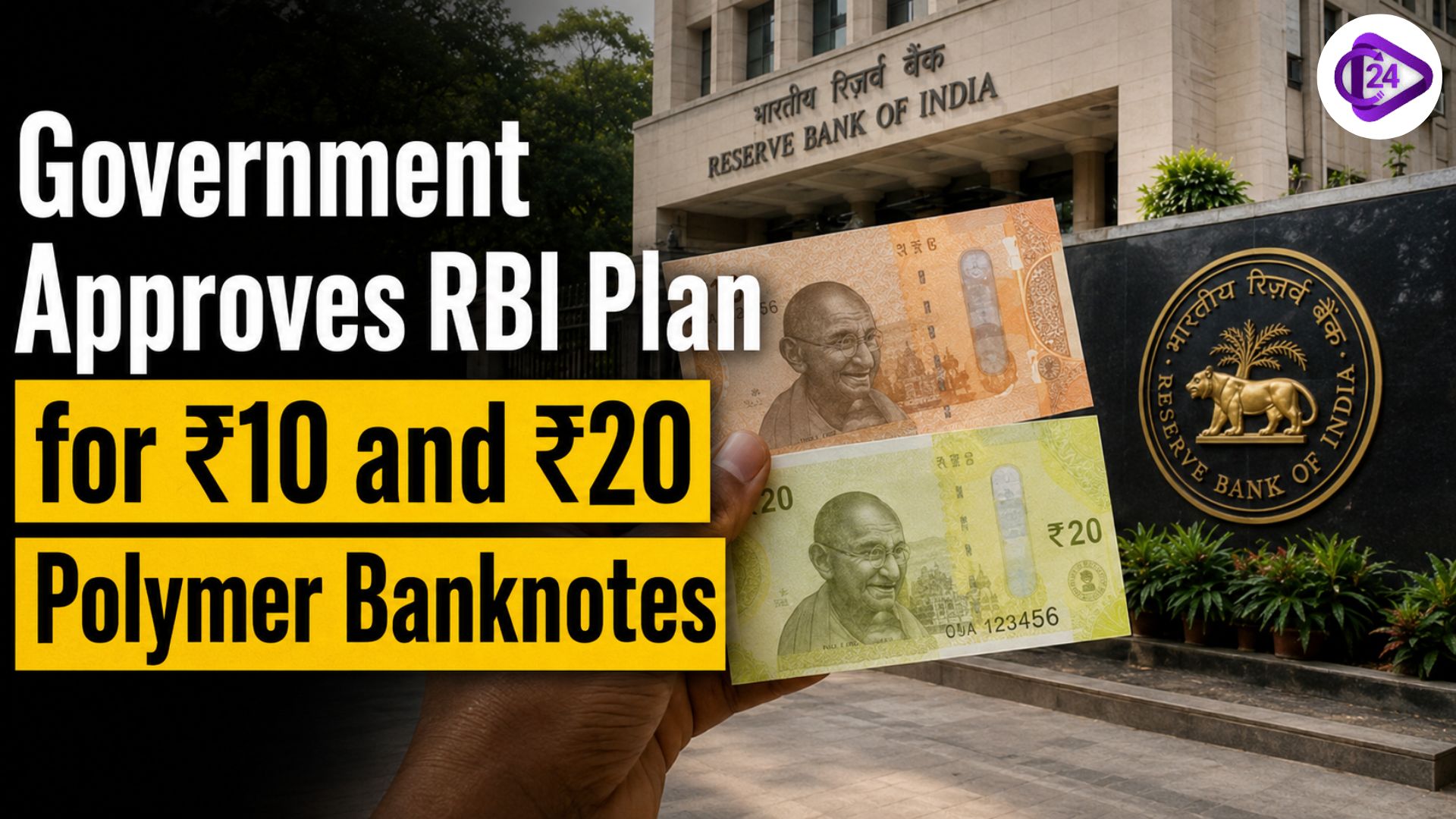
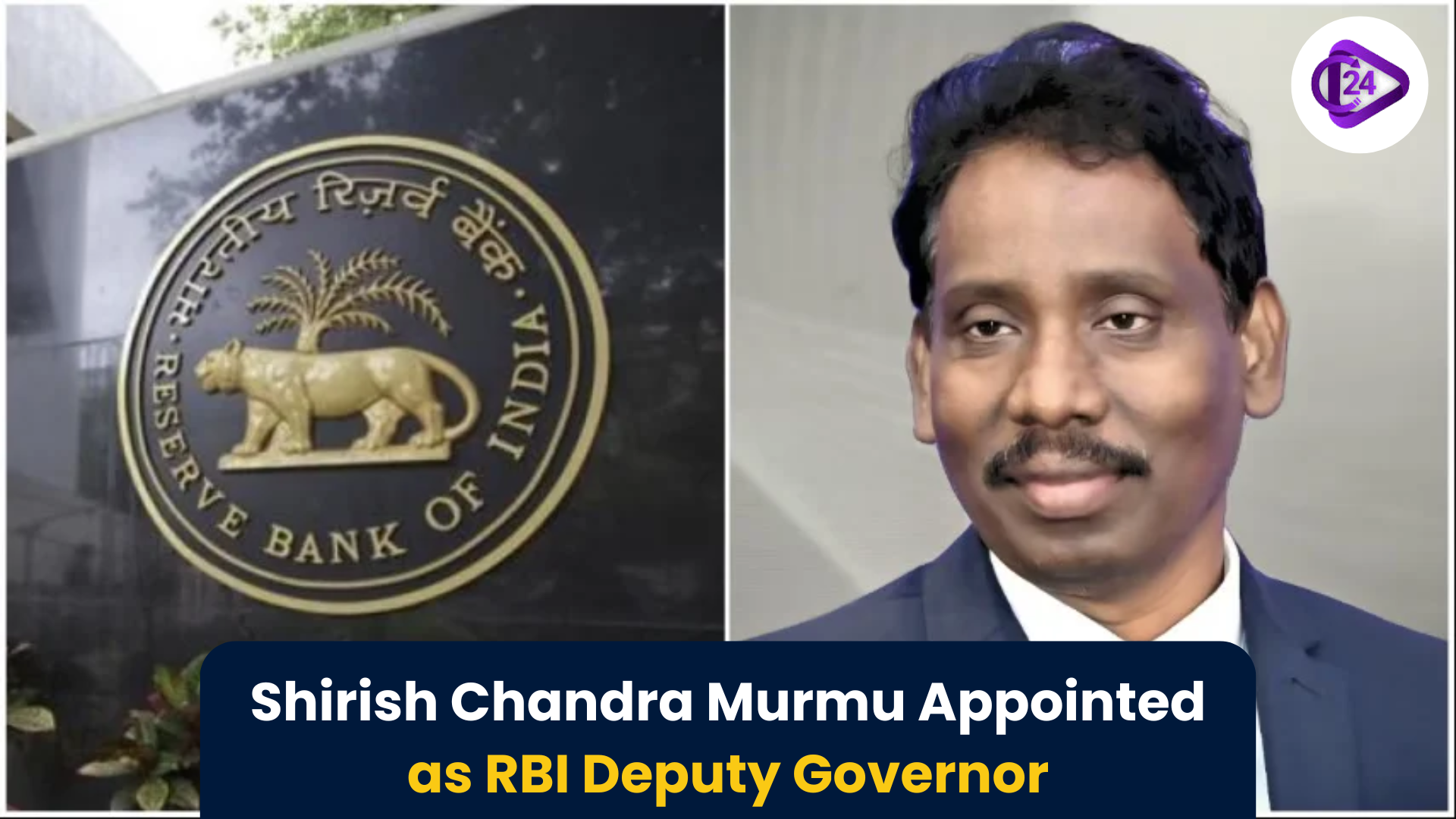
Shirish Chandra Murmu Appointed as RBI Deputy Governor

Shirish Chandra Murmu is appointed as the new Deputy Governor of the Reserve Bank of India for a term of three years. He will officially assume office on this date, and by this time, M. Rajeshwar Rao will have retired, and his term will have expired. Murmu is the Executive Director, presently working in the RBI, and he has been involved in the supervision of banks and non-banking companies in financial matters. This appointment will also make the central bank stronger in terms of leadership, but his portfolio as the Deputy Governor will be announced upon his assumption of office.

Role and Responsibility of RBI Deputy Governor

  • Controls and regulates banks and NBFCs.

  • Helps in the establishment and execution of monetary policy.

  • Manages financial markets, forex, and liquidity.

  • Monitors payment systems and issues of currency.

  • Enhances financial inclusion, consumer protection, and digital banking.

  • Speaks on behalf of RBI on both nationally and internationally oriented financial platforms.

Important Facts of Reserve Bank of India (RBI)

  • Incorporated on 1 April 1935 as part of the RBI Act, 1934.

  • First Governor Sir Osborne Smith (1935-1937)

  • Headquarters moved to Mumbai in 1937, starting in Kolkata.

  • Nationalised in 1949 by means of the Reserve Bank (Transfer to Public Ownership) Act.

  • RBI’s symbol is the lion and palm tree, with the slogan In the Service of the Nation

  • Under the Central Board, which is led by the Governor and four Deputy Governors.

  • Both are important in economic development and financial inclusion.

Conclusion

The central bank and financial regulator of the country is the Reserve Bank of India, which was formed in 1935 in accordance with the RBI Act 1934. It is led by a Governor and four Deputy Governors who are jointly responsible for monetary policy, regulation, and supervision. It was nationalised in 1949 and operates under major acts like the RBI Act and Banking Regulation Act, which provide currency stability, financial inclusion, and accountability and independence in dictating the economic growth of India.

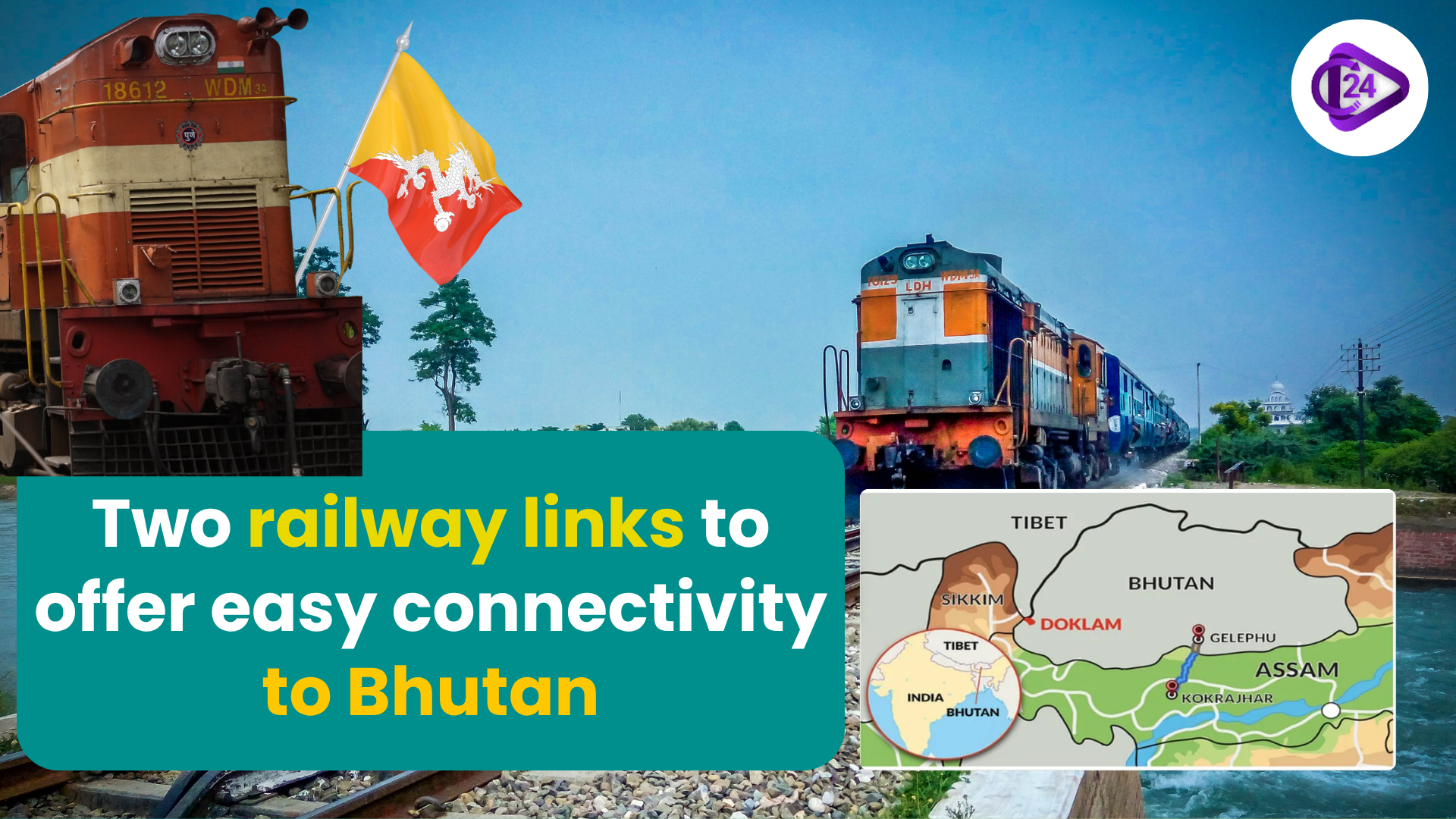
India, Bhutan Approve First Rail Link Project

India and Bhutan have unanimously accepted their first-ever rail link project, a historic move towards enhanced bilateral relations. The project consists of two tracks, Kokrajhar to Gelephu and Banarhat to Samtse, at an estimated cost of 4,033 crore. When it is finished, Bhutan will get direct rail connectivity for the first time, which enhances trade, tourism, and regional cooperation. The project will improve mobility across the borders, decrease the cost of transportation, help Bhutan achieve its development agenda, and strengthen India's position as a reliable partner in the growth and connectivity in the region. This is a sign of a common vision of closer economic and cultural ties between the two countries.

Geopolitics Impact of Bilateral Relations, Key Facts

  • Relations bilaterally: Stability of drive, commerce, connectivity, trust.

  • Regional power and enhance security.

  • The major cooperation: Energy, defense, culture, and technology.

  • Strategic purpose: Minimise reliance on enemy powers.

  • Stability: Advanced economic and political stability.

Other Key Facts of the Rail Link Project

  • The Kokrajhar-Gelephu and Banarhat-Samtse railways are the first railroads in India-Bhutan.

  • Estimated investment: about 4033 Crore.

  • Kokrajhar-Gelephu road: almost 70km, consists of 6 outposts and approximately 100 bridges.

  • BanarhatSamtse highway: approximately 20 km and 2 stations, and 25 bridges.

  • Gelephu is named the city of the future of Bhutan, Mindfulness City.

  • The Kokrajhar-Gelephu corridor is considered a Special Railway Project.

Bilateral Energy Cooperation and Regional Integration

  • Chukha (336 MW, 1988): First mega joint project, the basis of cooperation.

  • Kurichhu (60 MW, 2001): The power and export of eastern Bhutan.

  • Tala (1,020 MW, 2007): Large supplier to India, increases revenues.

  • Mangdechhu (720 MW, 2019): Groundbreaking project, improves bilateral energy relationship.

  • Punatsangchhu-I (1,200 MW): Being built, delayed.

  • Punatsangchhu-II (1,020 MW): Coming to completion, will increase exports.

  • Kholongchhu (600 MW): A Joint venture is underway with the 10,000 MW plan.

Conclusion 

The recently granted approval of the first rail projects in India and Bhutan is witnessing a historic move of enhancing regional cooperation and connectivity. The Kokrajhar-Gelephu and Banarhat-Samtse lines will not only connect Bhutan with the expansive Indian rail system but will also enhance trade, tourism, and cultural connections. The vision of the Gelephu “Mindfulness City can also add to the significance of the project. The Kokrajhar line is a Special Railway Project by declaring it as such and its strategic importance is emphasized. Combined, these efforts will ensure improved bilateral relations and economic growth in both countries in the long term.

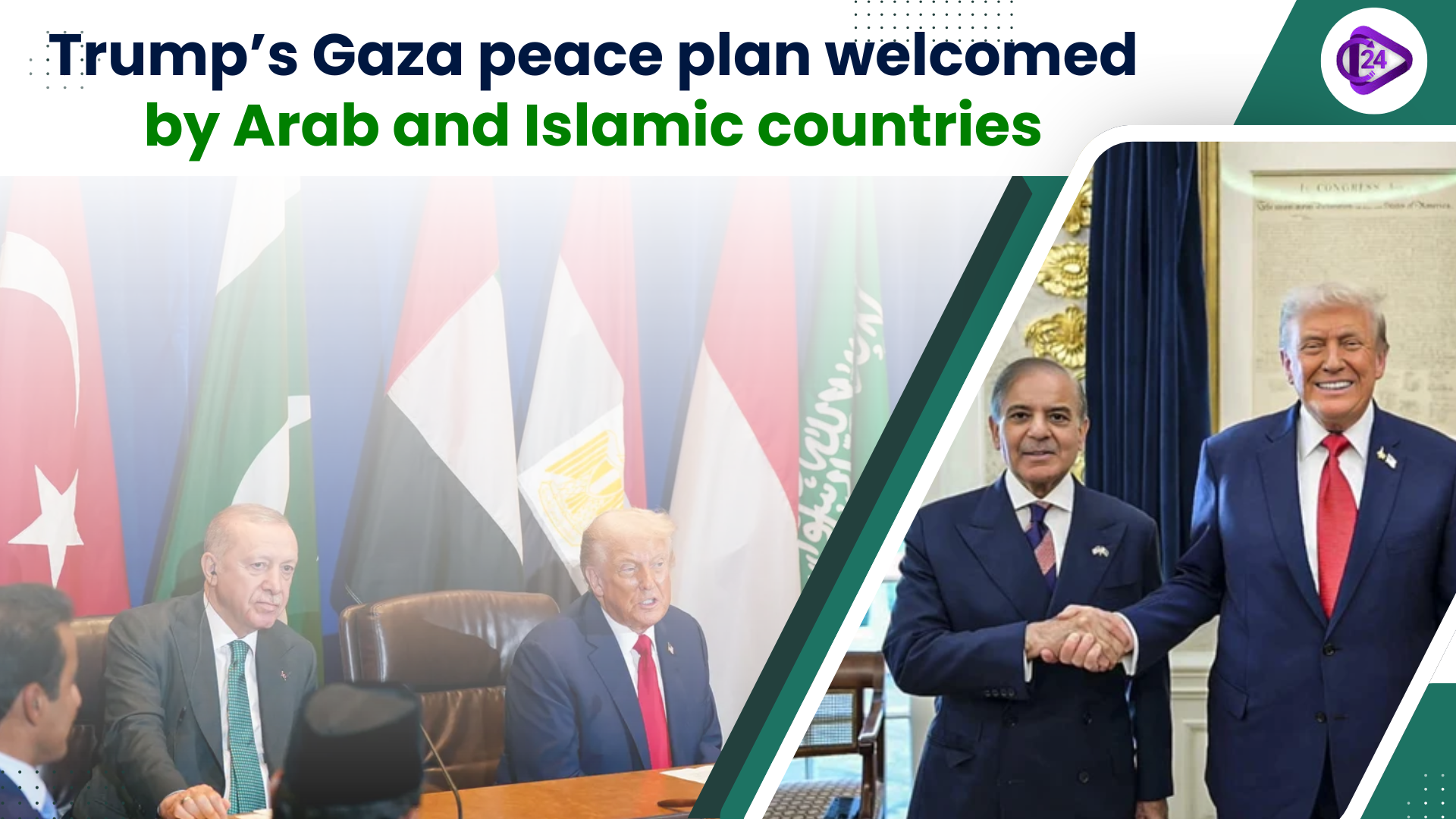
Trump’s Gaza peace plan welcomed by Arab and Islamic countries

Major Arab and Islamic nations have welcomed the Gaza peace plan of Donald Trump, which is a good indication that there is consensus on settling the conflict rarely. The plan includes a lasting ceasefire, safe release of hostages, disarmament of Hamas, and a transitional government structure under international supervision. Countries such as Saudi Arabia, Egypt, Jordan, Qatar, Turkey, Pakistan, and Indonesia hailed the move as a move in the right direction to stability in the region. Its proponents believe that it brings hope to the rebuilding and eventual peace of Gaza, but there are doubts regarding how Hamas will react and enforce it. The plan can be regarded as the point of departure in the struggle to overcome the Gaza crisis.

Trump’s 20-point plan to end Israel’s genocide in Gaza

  • Ceasefire: the suspension of all military operations and the freeze of the frontlines.

  • All Israeli hostages (both alive and dead) are to be returned within 72 hours of Israel's acceptance of the offer.

  • Israel to free 1,700 Palestinian prisoners and 250 who have life sentences.

  • And one Israeli returned dead man is released in exchange for 15 Palestinians.

  • Israel will pull out in stages, not a complete pullout.

  • Gaza is reduced to a terror-free region.

  • Hamas will have to disarm and discontinue weapons.

  • The amnesty of Hamas members who would be ready to transform into non-violent members.

  • Those who wish to be exiled can do so at a slow pace.

  • Hamas was nowhere in the future government.

  • The transitional technocratic Palestinian government is to rule Gaza.

  • International control by a Board of Peace (headed by Trump).

  • UN-supervised humanitarian assistance.

  • Opened up major crossings (e.g., Rafah)

  • International funded reconstruction and development.

  • No forced resettlements- the residents can remain or leave their place.

  • Weakening of Gaza by demilitarization and demolition of tunnels and military installations.

  • Introduction of an international stabilization/security force in Gaza.

Conclusion

The Israel-Gaza dispute is among the most complex disputes in the world, marked by history, religion, politics, and territory. Israel cites security and self-defense, and Palestinians desire statehood, dignity, and extinction of the blockade. The rule of Hamas in Gaza has also led to increased violence, and the greatest cost has fallen on civilians. Peace proposals, such as the Trump 20-point plan, highlight the urgent need for dialogue, disarmament, and reconstruction. It takes compromise, international assistance, and acknowledgement of the rights of both peoples to safety and self-determination to develop a long-term solution.

Frequently Asked Questions (FAQs)

The current affairs cover recent national and international events related to UPSC, SSC, Banking, Railways, and State PCS.

You need to read about the current affairs daily, and revise them every week and every month to keep them longer in your memory.

Yes, Class24 provides free downloadable Daily Current Affairs PDFs for easy revision.

Yes, you can practice MCQs and quizzes to boost your exam preparation.

Absolutely. The content is written in simple, easy-to-understand bilingual language suitable for beginners.

Go to class24.com and click on the current affairs section directly, where you find everything that you need.

ssc-toppers

Start Learning Today with Class24

Related current affairs

Class24 offers free video lectures for smart preparation, covering CGL, CPO, CHSL, MTS, and GD exams. Learn from expert faculty, revise concepts easily, practice with PYQs, and improve speed and accuracy through high-quality, exam-focused video lessons anytime, anywhere.

Get success in your hand. Start study anytime anywhere.

The journey becomes simple and enjoyable when you start taking interest in it. And through our app “Class24”, we will be your trusted partners in developing that interest.

Daily Quizzes
Mock Tests
Ongoing

No ongoing tests right now.