
Day: September 18, 2025

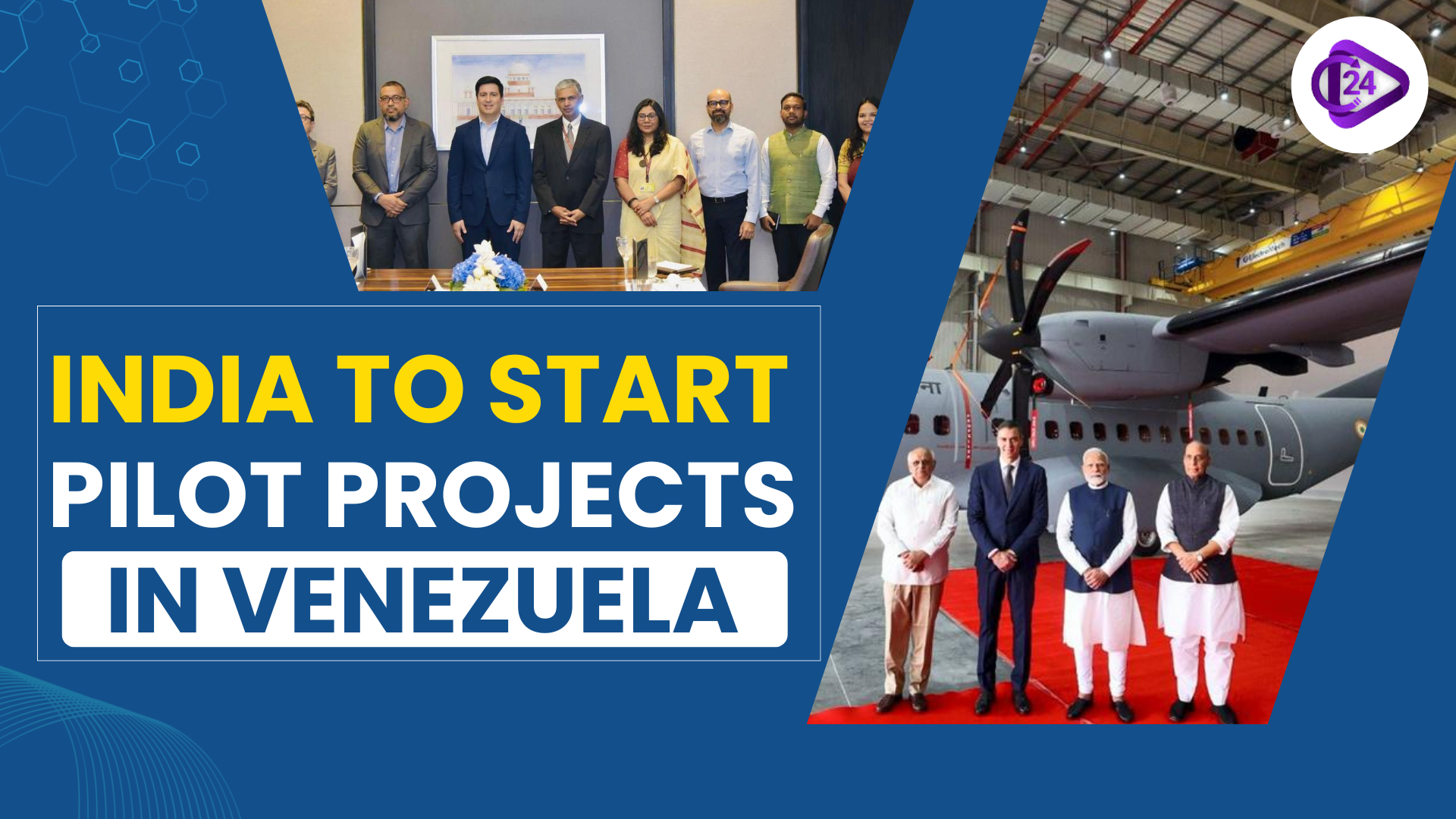
India to Launch Pilot Projects in Venezuela Across Key Sectors

India and Venezuela have also agreed to cooperate in pilot projects in the agricultural, pharmaceutical and digital infrastructure sectors after a visit by Raul Hernandez, the Vice-Minister of Development of Information and Communication technologies in Venezuela. Other topics in the discussions that were held in New Delhi during the period between September 14-17, 2025, included capacity-building in AI, space cooperation, and tourism. The partnership is amidst a mounting conflict between the U.S and Venezuela especially following the accusations of drug trafficking by President Trump.

Key Points in Detail

Collaboration Areas

  • Pilot Projects: Pilot projects will be implemented in priority sectors in India and Venezuela:

  • Agriculture: Solving food security and improving agricultural output.

  • Pharmaceuticals: Dwelling upon the Indian pharmaceutical export to Venezuela, which includes vital medicines and vaccination.

  • Digital Infrastructure: Scale up digital public services and technology in Venezuela, putting special emphasis on AI and capacity building.

  • Training and Capacity Building: Venezuela showed a desire to send its technical staff to train in India, specifically in the field of artificial intelligence (AI) and other areas.

Trade and Economic Cooperation with Japan.

  • Trade: In 2024-’25, bilateral trade between India and Venezuela is 1.8 billion dollars with India exporting 216 million to Venezuela and imports 1.6 billion.

  • Drugs: India is the source of approximately 40 percent of yearly pharmaceutical requirements in Venezuela, estimated at about $110 million in 2024-2025. India has also supplied as a grant basis, vaccines and other vital drugs to Venezuela to solve urgent health demands.

Diplomatic and Strategic Interaction.

  • High-Level Meetings: Hernandez held a meeting with Secretariat (East) P. Kumaran of the Ministry of External Affairs, and also held discussions with the heads of key institutions, including:

  • National Institute of Smart Governance (NISG).

  • UIDAI (Aadhaar Digital Identity)

  • NeGD (DigiLocker)

  • AI BHASHINI

  • Agriculture and Livestock: India and Venezuela also mentioned the further development of the cooperation in the sphere of agriculture and livestock, with reference to food security and sustainable agriculture.

Context of Cooperation

  • U.S.-Venezuela Tensions: U.S.-Venezuela tensions are another factor that led to Venezuela reaching out to India especially following allegations by President Trump against Venezuela in the drug trafficking business. Consequently, Venezuela is seeking to enhance its relationship with countries like India in terms of strategic and economic collaboration.

  • Latin American Perspective: According to the experts, the actions to strengthen the relations with India are the response of Venezuela to the aggressive approach of the U.S. to Caracas, and Russia and India might be able to provide another system of relations.

Importance of the Partnership.

  • Partnership Diversification: In the case of India, such partnership will create new prospects in Latin America, especially in agriculture, healthcare, and digital infrastructure.

  • Strategic Alignment: A common interest in the enhancement of relationships in the face of changing global balance of power, especially in the field of energy and technological advancement, can also be found in the partnership.

  • Local Influence: In the case of Venezuela, India will be a constant and reliable ally, especially in important areas like healthcare where Venezuela is experiencing shortages and high prices by Western origin suppliers.

Conclusion

The increasing relationship between India and Venezuela in terms of pilot projects in the sphere of agriculture, pharmaceuticals, and digital facilities indicates the aggravation of bilateral collaboration between the two nations. As the tension between Venezuela and the U.S. escalates, this alliance is not only a boost to Venezuela in its areas of need but also a boost to the Indian power in Latin America. In UPSC's case, the focus of this development is international relations, economic diplomacy and India's position in South-South cooperation in the world.

India-Japan Relations Strengthen Through Tech, Trade & Labor Ties

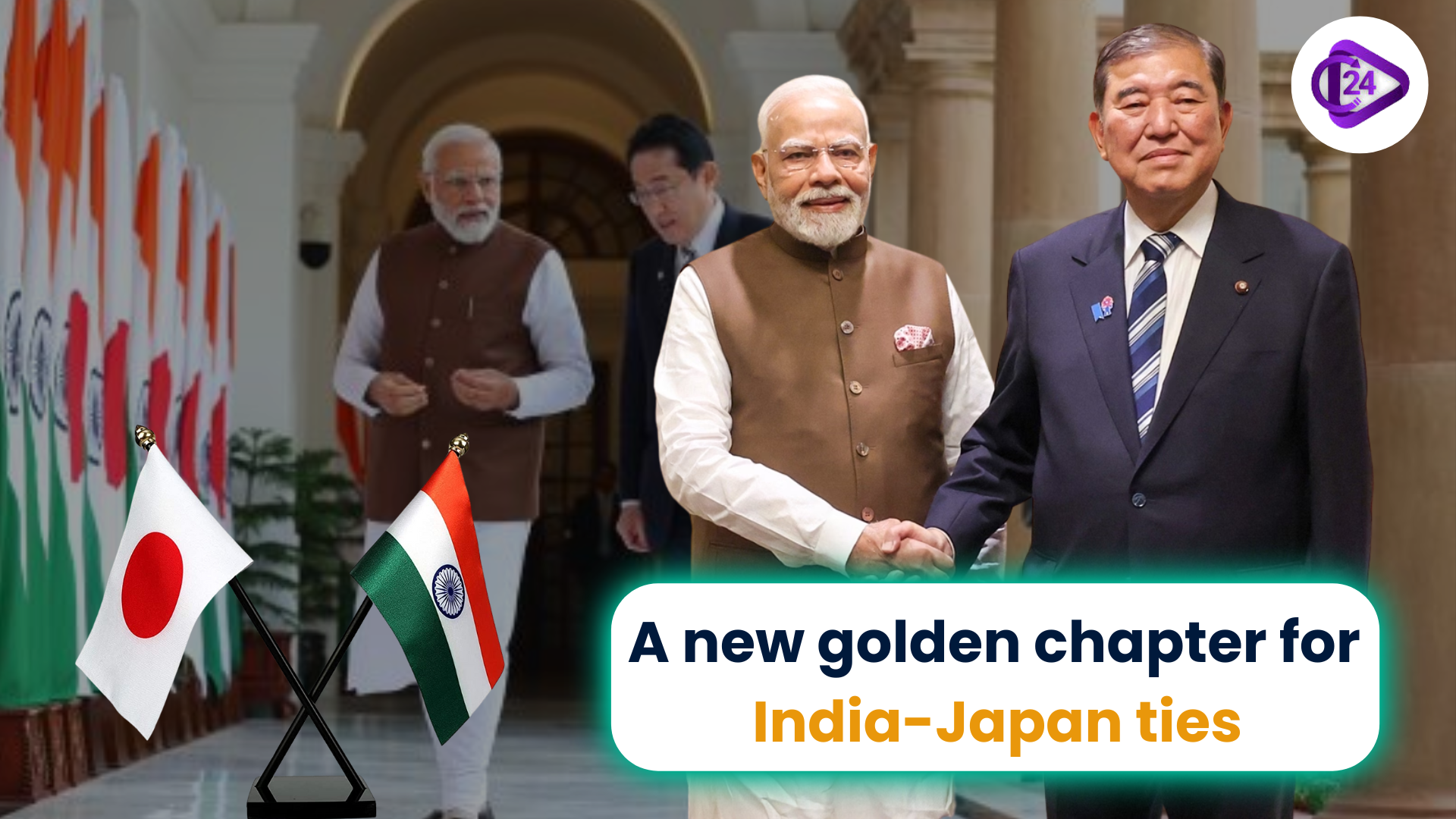
The recent trip by Prime Minister Narendra Modi to Japan has rejuvenated India-Japan relationship as the two nations are looking forward to strengthening relationship in the field of technology, trade and labour mobility. Although the two have been enjoying good security cooperation and strategic alignment, economic relations have tended to trail behind with Japanese companies performing poorly in India. The next major issue is enhancing the interaction between individuals in the form of academic and skills migration to accompany the heightening political and business relationships. The future of their cooperation will be based on the ability to translate the plans into real results as both states shift the level of cooperation and adopt a competitive one.

Key Points in Detail

Enhancement of Economic Relationships.

  • Historical Background: This relationship between India and Japan has always been focused on security, and in the initial phases, their alignment on the Indo-Pacific vision of the former Japanese Prime Minister Shinzo Abe was achieved. Nevertheless, economic cooperation, even with positive rhetoric, has been rather unsuccessful.

  • Commercial Issues: The Japanese brands except for few such as Maruti Suzuki have not performed well in the huge consumer market in India. The recent visit of Prime Minister Modi is considered as a strategic impetus to spur up commercial relationships and lead to more Japanese investments in India.

Key Outcomes from the Summit:

  • Target in the Private Investment: The target in the private investment is to achieve a target of 68 billion in the coming 10 years.

  • Technological Cooperation: The focus on semiconductors, artificial intelligence (AI), and lunar science cooperation.

  • Labor Mobility: This is a program that was formulated to export 500,000 skilled Indian workers to Japan to solve the Japanese labor shortage problem.

Geopolitical Environment and Political Situation.

Japanese politics: Uncertainty: 

  • Although the India-Japan relations have a good trend, domestic politics of Japan are a challenge. 

  • Prime Minister Shigeru Ishiba is a troubled leader whose three consecutive electoral defeats, and the risk of a premature leadership challenge. 

  • This unstable politics restricts Japan diplomacy bandwidth, and it influences its international influence in the midst of when the Quadrilateral Security Dialogue (QUAD) is equally uncertain especially regarding the potential absence of a US President, Donald Trump, in a forthcoming summit in Delhi.

  • Sharing Values of India and Japan: The two countries share a common perception in terms of commitment to democratic values and freedom, which is one of the major ideologies to be used as a powerful basis in future relationships. Although the relations with the US have been shaken in the short term, especially in bilateral disagreements, both countries stick to the principles of these values.

Strategic Outlook

  • A Call to Action: Taniguchi urged India and Japan to encourage US participation in the QUAD system and also made sure that the four-country arrangement remains vibrant, irrespective of the political upheaval in the US.

  • India and its role: In the case of India, the message is straightforward in that Japan is a fellow like-minded democracy that holds a future vision of India. Nevertheless, since now both nations have been tackling the issue of transitioning cooperative intent to competitive grandeur. The years of cautious optimism have now to be substituted by concrete results in the shape of factories, labs, joint patents.

Conclusion

The rejuvenation of the India-Japan relations with the visit of Prime Minister Modi is the new start of the relationship of the two democracies. Both countries have invested heavily in technology, trade, and free movement of labor, thus will enhance their international status. Nonetheless, the ultimate achievement of this association will rely on the increase in person-to-person interactions, especially at the educational or workforce attainment. As the two countries strive to achieve their common vision, they need to make strategies work into action thus making their partnership achieve its maximum potential. In the case of UPSC, it has emphasized the role of bilateral relationships, geopolitics, and people-centred diplomacy in international relationships.

MNRE Unveils India’s First National Policy on Geothermal Energy

The 1st National Policy on Geothermal Energy of India was introduced by the Union Ministry of New and Renewable Energy (MNRE) on 17 th September 2025. The intention was to establish geothermal energy as a major mainstream renewable energy in the country. The policy provides an elaborate framework of implementation, financial incentives and investment assistance to increase energy security, emission minimization and further sustainable development. The program is consistent with the Indian goal of net-zero emission by 2070.

Key Points in Detail

Vision and Goals

  • Primary Objective: To develop geothermal energy as an important constituent of Indian renewable energy.

  • Objectives: To become more energy secure, reduce greenhouse gas emissions and contribute to sustainable development with geothermal energy.

By MNRE Framework (Implementation)

  • International Cooperation: Collaboration with international Geothermal energy leaders.

  • Pilot Projects: Under the Renewable Energy Research and Technology Development Programme, the initiation of pilot projects.

  • Financing Support: Indian Renewable Energy Development Agency (IREDA) and Development Finance Institutions (DFIs) soft loans.

  • Capacity Building: Instituting Centres of Excellence (CoE) in the form of technical support and capacity building.

  • Monitoring and Accountability: Periodic Progress Reports to be sure that milestones are achieved on time.

Model of Development and Financial assistance.

  • Development Phases: It consists of exploration, drilling, feasibility studies, construction and operation.

  • Incentives: Sovereign Green Bonds, Viability Gap Funding (VGF), long-term concessional loans, tax holidays, accelerated depreciation benefits, import duty and GST exemptions, etc.

  • Carbon Credit Trading: Geothermal energy will feature in the Renewable Purchase Obligations (RPOs) market and carbon credit trading.

Investment and Foreign Collaboration.

  • FDI Support: There is 100% foreign direct investment (FDI) in geothermal energy projects.

  • Investment Models: The projects will be entitled to the fiscal incentives and international cooperation, such as the joint venture with oil, gas, and mineral companies to share the resources.

States and Union Territories Guidelines.

  • Geothermal Block Allocation: Geothermal blocks shall be allocated where exploration permits have a lifespan of 3–5 years.

  • Single- Window clearance: A simplified, one-window system of clearance of permits and approvals.

  • Land Leasing: Concessional prices on land leasing to developers.

  • Community Engagement: It should guarantee compensatory actions and community involvement, particularly in the tribal and remote areas.

An Overview of Geothermal Energy.

  • Definition Geothermal energy is the heat present in the crust of the earth which is primarily produced by radioactive decay of uranium, thorium, and potassium.

  • Geothermal Gradient: The temperature on the earth is rising at an average rate of 25-30 C/km below the surface.

Types of Resources:

  • High-Enthalpy Resources: These are related to the volcanoes, geysers and hot springs which are usually utilized in the generation of electricity.

  • Low/Medium-Enthalpy Resources: These are direct-use and geothermal heat pumps.

  • Capacity world wide: The world is currently operating at 15.4 GW in geothermal capacity with the top rivals being the United States, Indonesia and the Philippines.

India Geothermal Potential.

  • Hot Springs: The Geological Survey of India (GSI) has identified 381 hot springs, with surface temperatures ranging from 35°C to 89°C, which can be utilized for geothermal energy.

  • Geothermal Provinces: India falls within a medium to low heat enthalpy zone (100–180°C), spread across 10 geothermal provinces.

  • Potential Capacity: The ‘Geothermal Atlas of India, 2022’ estimates a geothermal power potential of 10,600 MW.

Conclusion

The first National Policy on Geothermal Energy in India is a milestone towards improving the renewable energy (RE) in India. The policy seeks to achieve sustainable development, reduce the level of emissions, and enhance energy security by making use of its geothermal potential. Having high fiscal incentives, foreign partnerships, and a combined structure of project implementation, this project will have a significant contribution to the renewable energy targets of India and its determination to reach the net-zero emissions targets by 2070.

Frequently Asked Questions (FAQs)

The current affairs cover recent national and international events related to UPSC, SSC, Banking, Railways, and State PCS.

You need to read about the current affairs daily, and revise them every week and every month to keep them longer in your memory.

Yes, Class24 provides free downloadable Daily Current Affairs PDFs for easy revision.

Yes, you can practice MCQs and quizzes to boost your exam preparation.

Absolutely. The content is written in simple, easy-to-understand bilingual language suitable for beginners.

Go to class24.com and click on the current affairs section directly, where you find everything that you need.

ssc-toppers

Start Learning Today with Class24

Related current affairs

Class24 offers free video lectures for smart preparation, covering CGL, CPO, CHSL, MTS, and GD exams. Learn from expert faculty, revise concepts easily, practice with PYQs, and improve speed and accuracy through high-quality, exam-focused video lessons anytime, anywhere.

Get success in your hand. Start study anytime anywhere.

The journey becomes simple and enjoyable when you start taking interest in it. And through our app “Class24”, we will be your trusted partners in developing that interest.

Daily Quizzes
Mock Tests
Ongoing

No ongoing tests right now.