Day: September 8, 2025

International Literacy Day 2025: Promoting Education in Digital Era

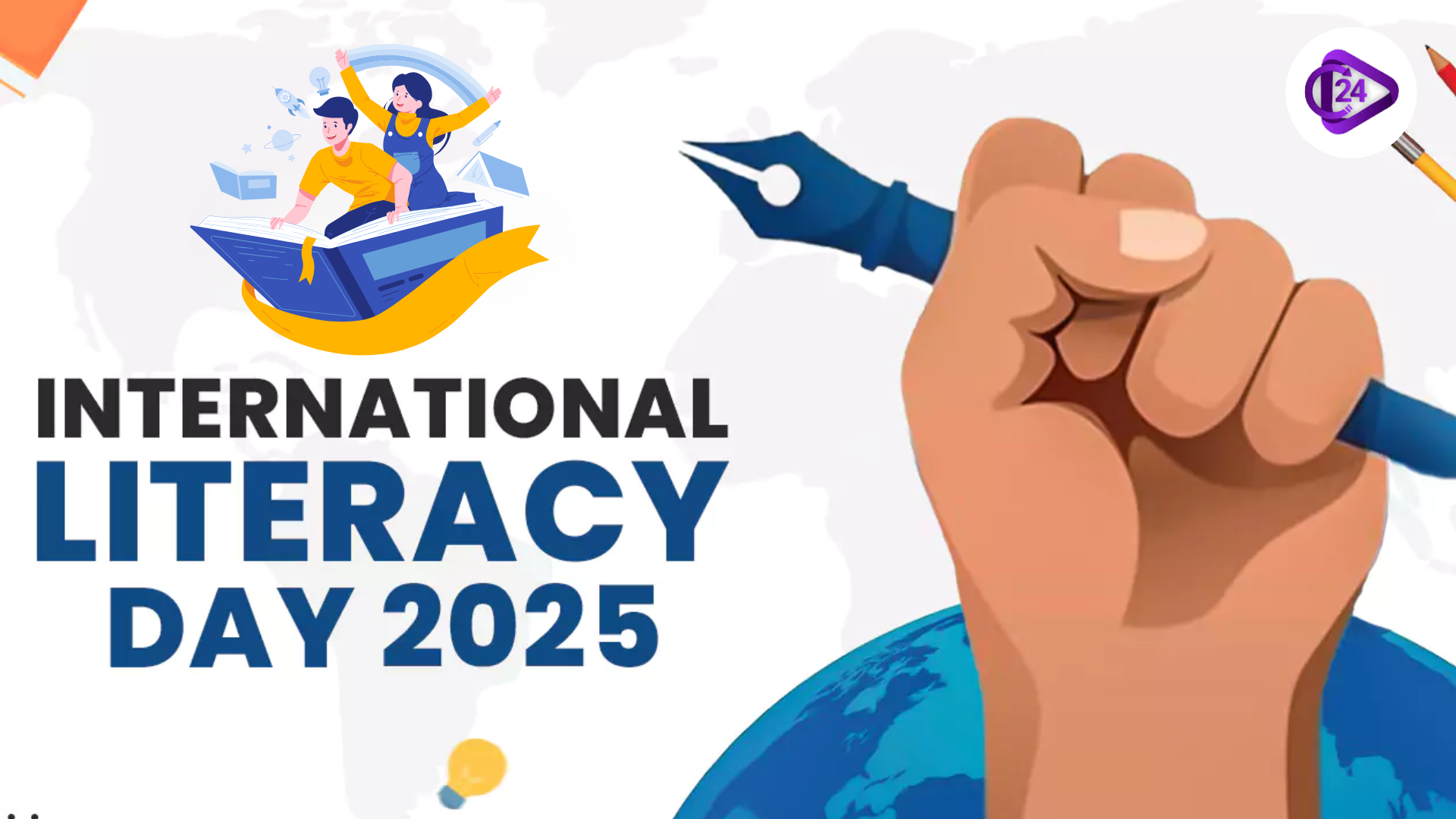
International Literacy Day 2025 will be observed on 8 September to highlight the importance of education and lifelong learning in building inclusive societies. First celebrated in 1967, the day is marked worldwide. The theme for 2025 is “Promoting Literacy in the Digital Era”, focusing on equality and development. Governments, organizations, and communities use this day to organize events and campaigns that promote reading, digital learning, and access to quality education for all.

International Literacy Day 2025 will be celebrated on 8 September in order to show the role of literacy in building the desired future. The day creates awareness on education and the development of skills and lifelong learning. It serves as a reminder that literacy is one of the major empowerment, equality and sustainable development tools in the world.

Significance of the International Literacy Day to our society.

  • Fosters a universal access to education that will help diminish inequalities and empower the disadvantaged sections of the population.

  • Enhances economic development through the production of qualified people in the best employment opportunities.

  • Promotes social consciousness and prudent judgment in citizens.

  • Reduce poverty, unemployment through the strengthening of learning bases.

  • Promotes gender equality and women and men have equal opportunities through education.

  • Increases health awareness, since literate people know better health care and hygiene.

  • Creates a long-term society through the dissemination of knowledge on the environment and development.

  • Promotes life-long learning, which guarantees ongoing self- and professional development.

Key points:

  • Date of Celebration: 8 September 2025, observed worldwide.

  • First Celebration: Started in 1967, after being proclaimed by UNESCO in 1966.

  • Objective: To highlight literacy as a fundamental human right and a key element of education.

  • Theme 2025: “Promoting Literacy in the Digital Era” – focusing on reducing inequality and shaping a better future through education.

  • Significance: Literacy empowers individuals, strengthens communities, and supports sustainable development goals.

  • Global Activities: Governments, organizations, and communities organize events, seminars, workshops, and campaigns to promote reading and lifelong learning.

  • Key Message: Quality education and literacy are essential for building inclusive, equal, and progressive societies, especially in developing regions.

Conclusion

International Literacy Day 2025 should not forget that literacy is not all about reading and writing, but rather it is a pillar of empowerment, equality, and development. Through education and lifelong learning, the society will be able to overcome poverty, open opportunities, and realize sustainability in development, which means a brighter and inclusive society to live in.

Nepal Social Media Ban Triggers Mass Gen-Z Protests

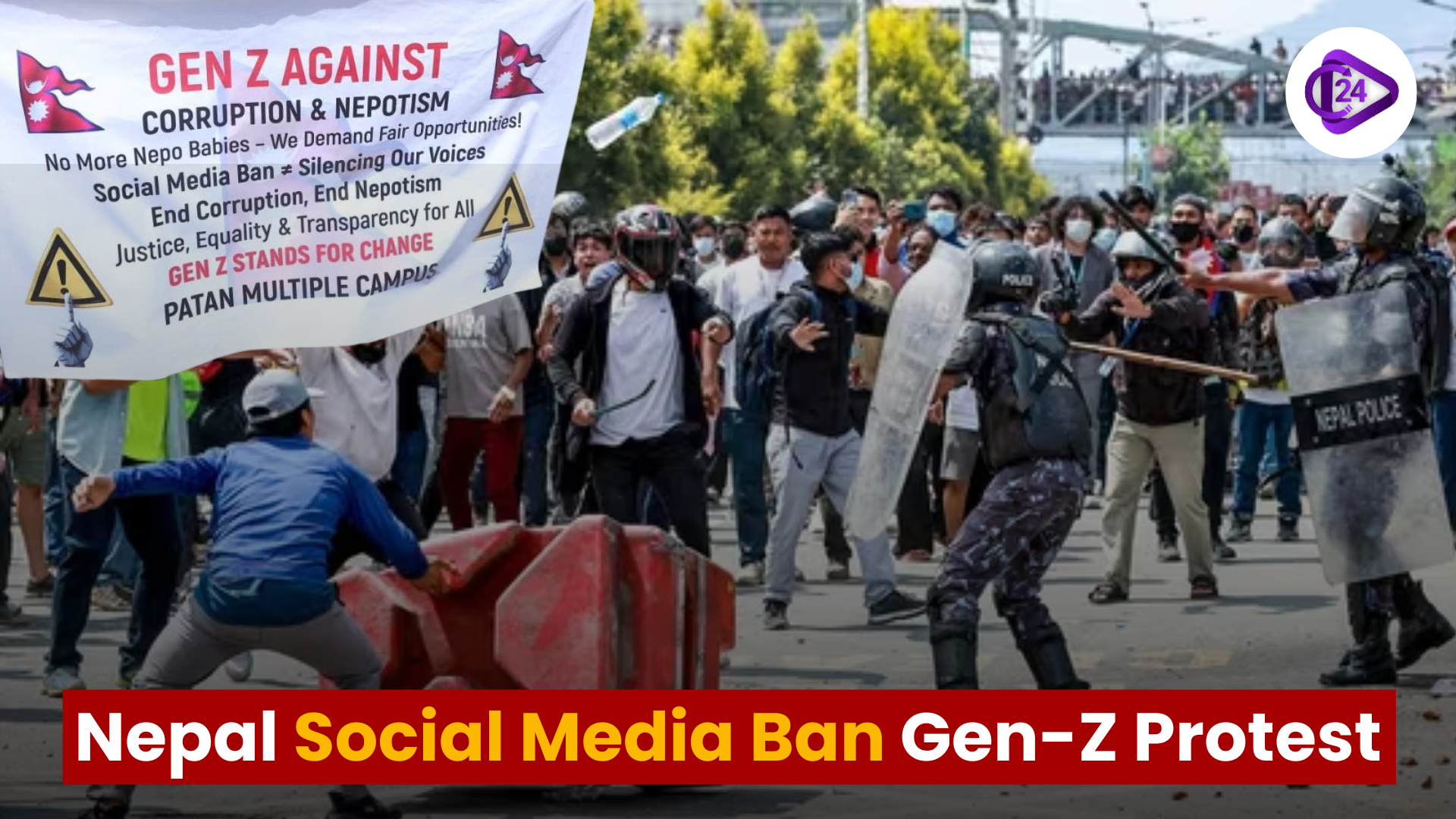
On September 4, 2025, the Nepalese government banned 26 social media platforms, including Facebook, Instagram, WhatsApp, X (formerly Twitter), YouTube, and LinkedIn, illegal. The government claimed that these platforms have become a menace to national security and social peace. Following this decision, youths belonging to Generation Z started to protest on 8 September 2025, in Kathmandu and other big cities.

Demonstrators also slogged against corruption and freedom of expression oppression. They headed to the building of the parliament where the police had to use tear gas, water cannons, and rubber bullets to manage the masses. There are some demonstrators who stormed into the parliament premise, compelling the police to apply force.

Key Events and Impact:

Social Media Ban:

  • The Nepalese government blocked 26 large social media sites, such as Facebook, Instagram, Whatsapp, X, LinkedIn, Pinterest, Reddit, and YouTube.
  • The platforms had to be registered officially in Nepal, against which they could be barred.
  • The prohibition was to contain the abuses of social media to propagate misinformation, hate speech, and fraud.

Protests and Civil Unrest:

  • Nearly thousands of young people, primarily students and young professionals, marched all the way to the federal parliament in New Baneshwor, starting at Maitighar Mandala.
  • The protest anthems included slogans like “Stop Corruption, Not Social Media” and the Prime Minister, K.P. Sharma Oli, had to resign.
  • The violence increased when protesters forced their ways through the police barricades into the parliament premises.

Violence and Casualties:

  • Control of crowds was through use of tear gas, water cannon, and rubber bullets by the police.
  • It resulted in the killing of at least 14 individuals and the wounding of dozens of people in the confrontations.
  • A number of the injured are said to be in critical condition.

Government Response:

  • It instituted curfew in strategic places and this covered Baneshwor, Baluwatar (residence of the Prime Minister), Singha Durbar (government complex), Shital Niwas (residence of the President), and Lainchaur (residence of the Vice-President).
  • To help the police to stabilize the situation and get Nepal out of this mess, the Nepalese army was sent to help them.

Digital Governance and Civil Rights Implications:

  • The incidents underscore the problem of the regulation of social media in the era of digital activism.
  • The demonstrations signify increased political consciousness among the Gen Z generation and the involvement of online resources in the mobilization of the citizens.
  • The issue of balancing national security issues and freedom of expression is still a major challenge to governance in Nepal.

International and Regional Significance:

  • These protests have drawn attention from South Asia and the international community regarding democratic rights and digital freedom.
  • Nepal’s handling of digital governance could set a precedent for neighboring countries facing similar challenges.

Conclusion

Generation Z in politics The Nepal Social Media Ban of 2025 led to the largest youth-led protests in history, proving the impact of Generation Z. These measures of the government such as the curfewing and deployment of the army highlight the conflicts between national security and civil liberties. The events play a vital role in comprehending modern digital governance, youth mobilization, and political accountability in South Asia, thus they are very important in examinations of both UPSC and SSC.

Frequently Asked Questions (FAQs)

The current affairs cover recent national and international events related to UPSC, SSC, Banking, Railways, and State PCS.

You need to read about the current affairs daily, and revise them every week and every month to keep them longer in your memory.

Yes, Class24 provides free downloadable Daily Current Affairs PDFs for easy revision.

Yes, you can practice MCQs and quizzes to boost your exam preparation.

Absolutely. The content is written in simple, easy-to-understand bilingual language suitable for beginners.

Go to class24.com and click on the current affairs section directly, where you find everything that you need.

ssc-toppers

Start Learning Today with Class24

Related current affairs

Class24 offers free video lectures for smart preparation, covering CGL, CPO, CHSL, MTS, and GD exams. Learn from expert faculty, revise concepts easily, practice with PYQs, and improve speed and accuracy through high-quality, exam-focused video lessons anytime, anywhere.

Get success in your hand. Start study anytime anywhere.

The journey becomes simple and enjoyable when you start taking interest in it. And through our app “Class24”, we will be your trusted partners in developing that interest.

Daily Quizzes
Mock Tests
Ongoing

No ongoing tests right now.