Day: September 2, 2025

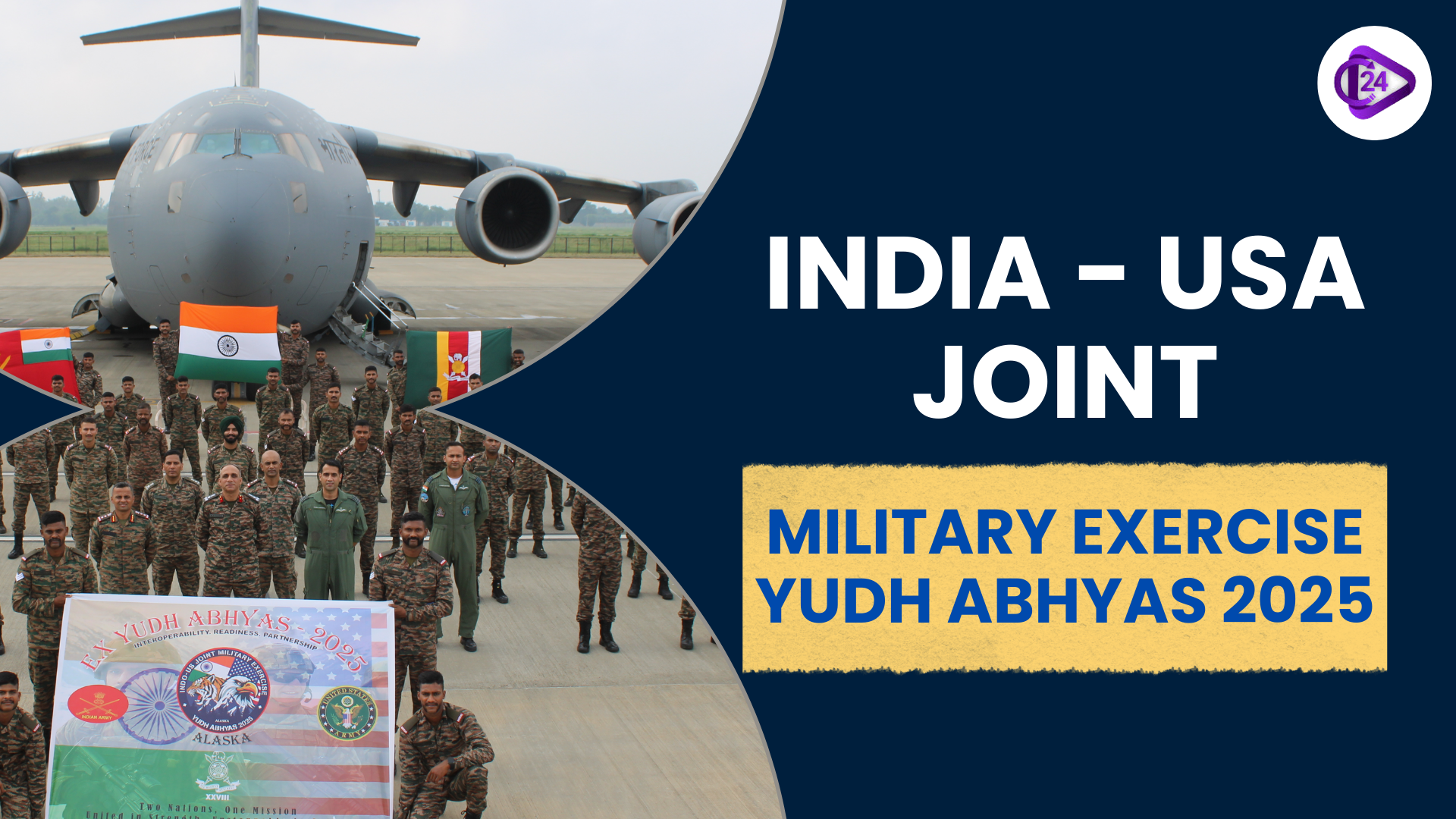
INDIA – USA JOINT MILITARY EXERCISE YUDH ABHYAS 2025

A group of the Indian Army went to Fort Wainwright, Alaska, United States of America, to take part in the 21st edition of India-USA Joint Military Exercise, Yudh Abhyas 2025. This will be held between 1st to 14th September 2025 and will involve Madras Regiment of India soldiers and the 1st Battalion, 5th Infantry Regiment of USA. The two week training will be dedicated to different types of tactical training, such as heliborne training, mountain warfare, combat medical support with the main emphasis on joint operational matters and increasing peacekeeping readiness.

Key Points

Location & Duration:

  • The drill is planned to be conducted at Fort Wainwright, Alaska between 1st and 14th September 2025.

Indian Army Contingent:

  • The Indian Army contingent is made up of the Madras Regiment and the USA contingent is made up of the 1st Battalion, 5th Infantry Regiment of the Arctic Wolves Brigade Combat Team.

Training Focus:

  • The troops will undergo different tactical exercises such as heliborne operations, mountain warfare, casualty evacuation and combat medical assistance.

  • Surveillance resources, unmanned aerial systems (UAS) and artillery and aviation systems will also be incorporated in the exercise.

The contributions of Subject-Matter Experts:

  • Both armies will have experts who will be the leaders of working groups on UAS, Counter-UAS operations, information warfare, and logistics.

Exercise Goal:

  • The culmination of the process will be tactical drills, live-fire training, and high-altitude warfare, which will help improve the UN peacekeeping activities and multi-domain warfare preparedness.

Conclusion

Yudh Abhyas 2025 is an important step towards the Indian military collaboration with the USA, as it will enable both countries to enhance their abilities to operate together, increase the level of interoperability, and deal with the contemporary warfare issues. Tactical exercises, discussions led by experts, and combined combat activities will improve the existing relations between the two armies, increasing their readiness to perform global peacekeeping operations and multi-domain conflicts in the future.

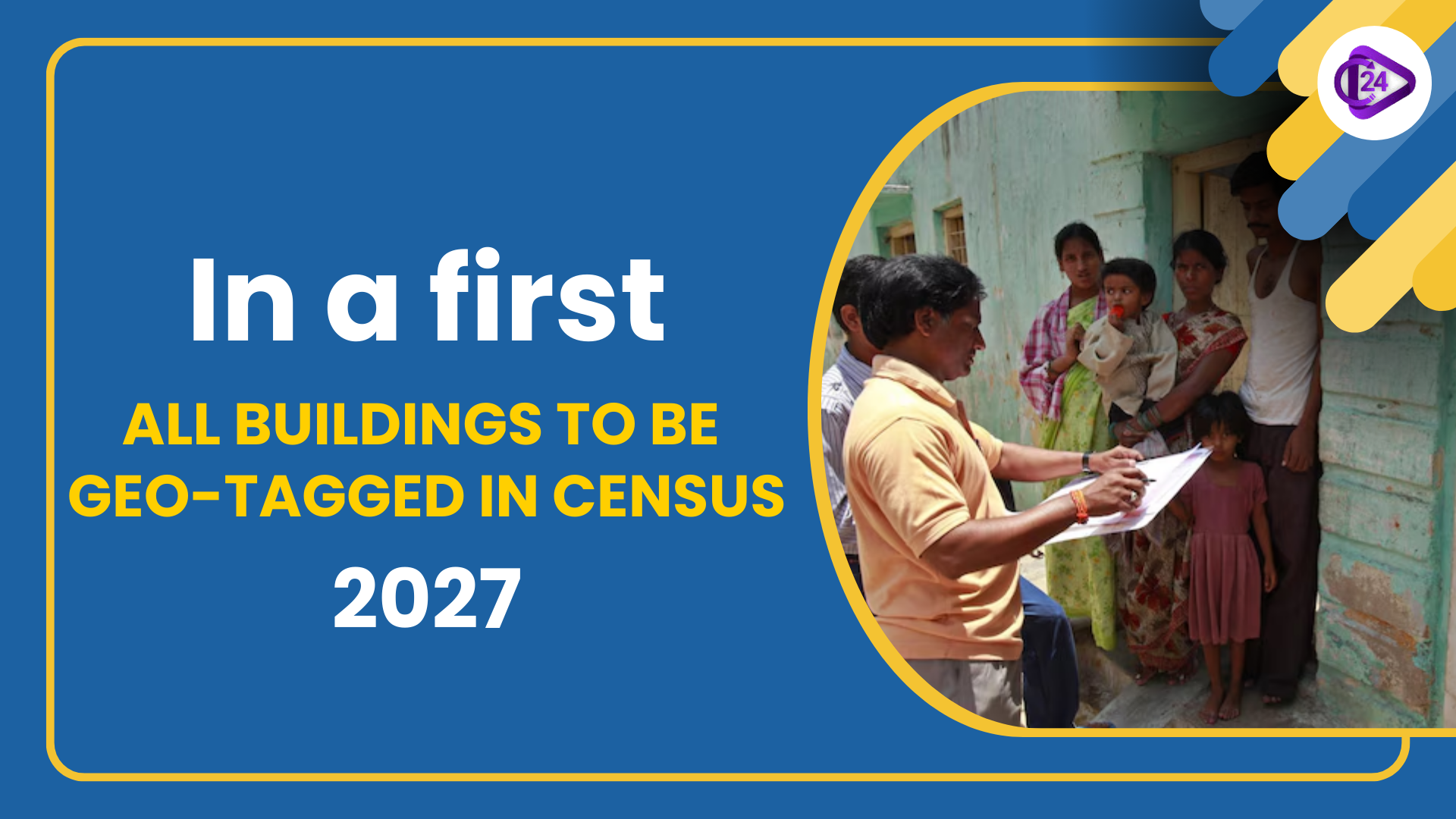
Census 2027: First Digital Census with Geo-Tagged Buildings

Census 2027 will become a big technological breakthrough because every building will be geo-tagged. In this effort Digital Layout Mapping (DLM) will be used to give each building a distinct latitude-longitude position in India, which will give houselisting operations (HLO) access to detailed geographic information. The drill will facilitate accuracy, workload management, and efficiency among field operations. Additionally, it will also be the first digital census that has been using mobile applications in data collection, self-enumeration, and the electronic collection of caste data.

Key Points

Geo-tagging of All Buildings:

  • Census 2027 will be the first time that all buildings will be geo-tagged through Geographical Information Systems (GIS) technology. This covers residential houses and non-residential houses.

  • Digital Layout Mapping (DLM) will also substitute the use of hand-drawn maps, which will produce more precise layout maps based on the geo-tagged data.

Categories of Buildings:

  • Buildings will be categorized as residential, non-residential, partly residential and landmarks.

  • The geo-tagging exercise will help in defining how many Census Houses and Households would be enumerated.

Digital Transformation:

  • The census 2027 will become the first digital census in India. The information will be gathered via special mobile applications.

  • The public will have the option of self-enumeration, where a person will be required to be the source of his or her own information.

Census Monitoring:

  • An agency Census Monitoring and Management System (CMMS) will be created to monitor and manage the census process in real-time to ensure a successful implementation and data collection process.

Scheduled Timeline:

  • Houselisting Operations (HLO) will take place between April and September 2026 with population enumeration beginning in February 2027.

Conclusion

Census 2027 will be a big jump in accuracy, efficiency and technology. Geo-tagging of buildings will be an efficient and accurate framework to comprehend the housing scenario in India, which will improve data collection and management. This step will also contribute towards future policy making and resources allocation processes, which will eventually lead India towards the growth curve. The online method will be more inclusive and open and will provide a solid base of information about future demographic results.

The rise and risks of health insurance in India

Indian health insurance programs such as PMJAY and State Health Insurance Programmes (SHIPs) have expanded very fast in the past ten years but have serious limitations in their approach to universal health care (UHC). The drive towards UHC by insurance does not solve fundamental systemic problems that include a profit-based healthcare model, inadequate coverage, and the inaccessibility of good primary and outpatient care. In addition, insurance plans as such are a relief, but they are fraught with issues such as low reimbursement rates, payment delays, and discrimination of the insured and uninsured patients. Another issue is an increasing concern over inappropriate use of funds and corruption in the insurance system. Health insurance is not an alternative to an all-inclusive UHC that demands expanded access to public health, non-profit care, and a re-investment in primary healthcare.

Key Points

Increase in Health Insurance:

  • PMJAY and SHIPs have increased significantly, benefitting millions of individuals, and together they constitute a budget of about 28,000 crore in 2023-24.

  • These plans mainly provide inpatient services in both State and private hospitals but do not provide wide scope or emphasis to preventive and primary care.

Challenges with Insurance:

  • Insurance schemes are compromised by the profit motive of the private healthcare providers. The system is controlled by private hospitals; particularly, this has increased healthcare expenses and disparity in treatment.

  • Health insurance plans contribute to the increase in hospitalisation-based care at the expense of the necessary investment in outpatient and primary care, which may prevent unnecessary hospital admission.

Problems of Utilisation and Awareness:

  • Although the coverage rates are high, not all beneficiaries use their insurance because they are not aware of its existence and there is a complicated procedure.

  • Insured patients used their insurance only 35% in 2022-23 and are not even aware of how to make use of the schemes.

Favoritism and Time Wasting:

  • Privacy hospitals usually charge higher amount of money to uninsured patients and both the public and the private sector have a discriminatory attitude towards insured patients.

  • Late payment and shortage of funds have led to the suspension of services under PMJAY in many hospitals, and the amount of outstanding payment is substantial.

Corruption and Abuse:

  • The health insurance programs are subject to fraud and corruption. Cases of qualified patients being left without treatment, cases of private providers treating insured patients, and cases of unnecessary procedures being done are not uncommon.

  • These abuses have been hard to stop due to the lack of transparency and poor monitoring systems.

Conclusion

Although schemes such as PMJAY and SHIPs offer temporary benefits to a few Indian citizens, they cannot be a permanent solution to Universal Health Care (UHC) in India. The healthcare system in the country is still profit based, relies much on the services of the private hospitals and is also not focused on preventive and primary care.

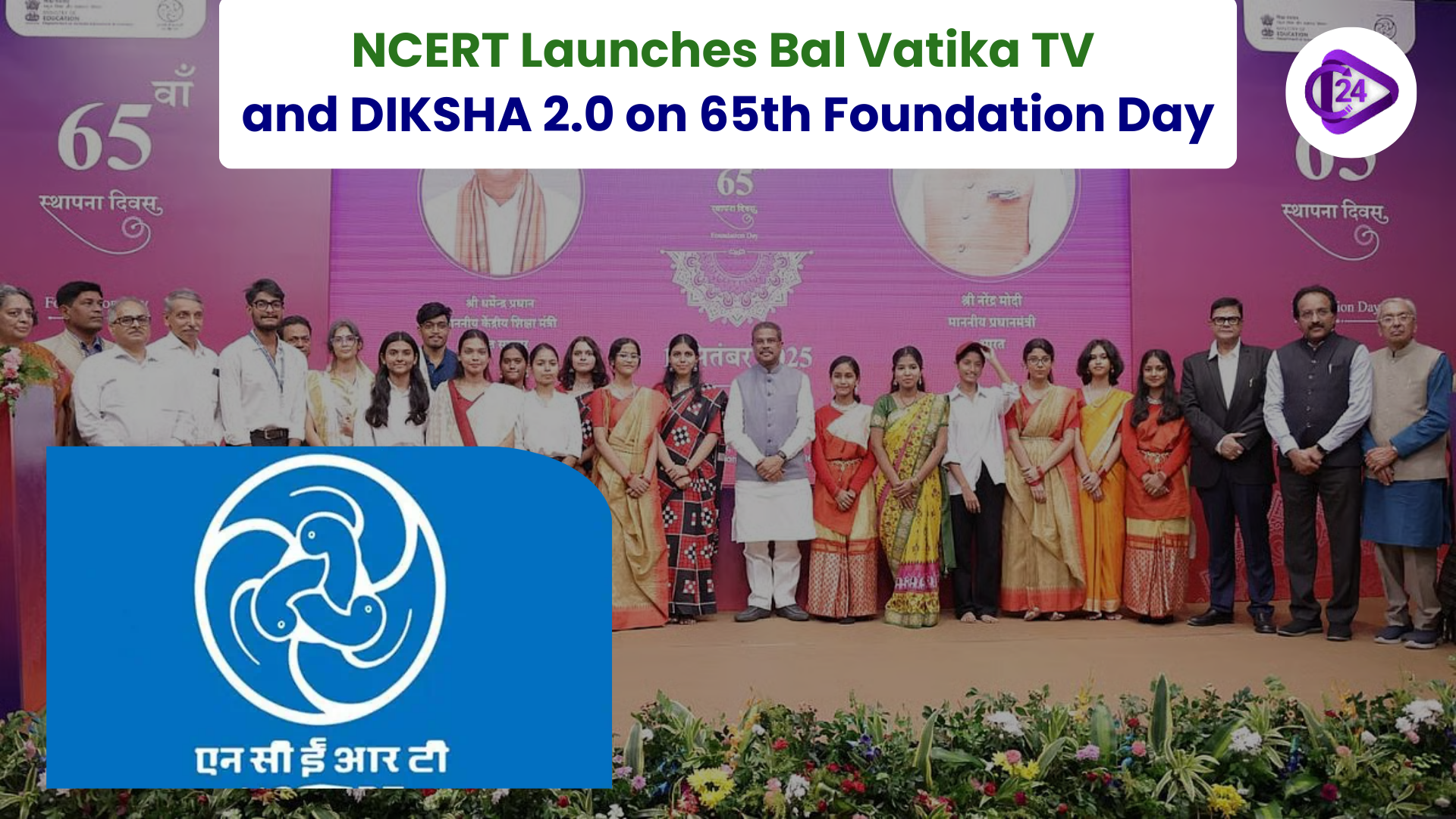
NCERT Launches Bal Vatika TV and DIKSHA 2.0 on 65th Foundation Day

The National Council of Educational Research and Training (NCERT) rolled out a number of transformative initiatives on its 65th Foundation Day to be in harmony with the National Education Policy (NEP) 2020. These programs are intended to transform early childhood education and facilitate inclusive education. Other foundational literacy, numeracy and inclusive education announcements were the Bal Vatika TV channel, DIKSHA 2.0 and PRashast 2.0 among other tools.

Significant Launches and Announcements.

Bal Vatika – PM-eVidya DTH Channel No. 35.

  • This channel is aimed at children between 3 and 6 years of age and is characterized by interactive content related to the foundational literacy and numeracy development.

  • It also helps teachers, Anganwadi workers and parents which is aligned with the NEP 2020 objectives of early childhood education.

DIKSHA 2.0 – Enhanced 2.0 Digital Learning Platform.

  • DIKSHA 2.0 provides AI-supported capabilities and support in 12 languages of India.

  • Adaptive assessments, Read Aloud, Closed Captioning, and performance tracking are among the main features that make learning more accessible and customizable to students and educators.

PRASHAST 2.0

  • An early detection of children with disabilities tool that will be integrated with UDISE+ and APAAR ID.

  • Promotes inclusive education through the provision of improved access to services to the divyang learners.

Kitab Ek Padhe Anek

  • Accordingly, this initiative offers inclusive textbooks in Classes 1 and 2 which are friendly to various learners including students with disabilities as per the Universal Design of Learning (UDL).

  • It is consistent with the mission of the NEP to reinforce basic learning.

Additional Initiatives

  • VR Labs: Virtual Reality at NCERT Demo Schools.

  • PM eVidya Mobile App: A platform to access multi-format learning content at a centralized location.

  • Primers Release: In several languages to encourage linguistic variety.

  • Odisha Heritage book: 100 great Odia personalities.

  • Vocational Education Handbook: PSSCIVE released this guide to help in the implementation of NEP 2020.

Alignment and Future Roadmap of NEP 2020.

  • The launches are in line with the five-year journey of NCERT through NEP 2020, which revolves around:

  • Digital transformation in education at school.

  • Diversity and openness to everyone.

  • Designing curriculum according to National Curriculum Framework (NCF).

Conclusion

The Foundation Day festivities reiterate the importance of NCERT in influencing the educational policy and providing quality content to transform education in India.

Frequently Asked Questions (FAQs)

The current affairs cover recent national and international events related to UPSC, SSC, Banking, Railways, and State PCS.

You need to read about the current affairs daily, and revise them every week and every month to keep them longer in your memory.

Yes, Class24 provides free downloadable Daily Current Affairs PDFs for easy revision.

Yes, you can practice MCQs and quizzes to boost your exam preparation.

Absolutely. The content is written in simple, easy-to-understand bilingual language suitable for beginners.

Go to class24.com and click on the current affairs section directly, where you find everything that you need.

ssc-toppers

Start Learning Today with Class24

Related current affairs

Class24 offers free video lectures for smart preparation, covering CGL, CPO, CHSL, MTS, and GD exams. Learn from expert faculty, revise concepts easily, practice with PYQs, and improve speed and accuracy through high-quality, exam-focused video lessons anytime, anywhere.

Get success in your hand. Start study anytime anywhere.

The journey becomes simple and enjoyable when you start taking interest in it. And through our app “Class24”, we will be your trusted partners in developing that interest.

Daily Quizzes
Mock Tests
Ongoing

No ongoing tests right now.