
Day: August 30, 2025

Reforming India’s Entrance Exams: Towards Equity and Student Well-being

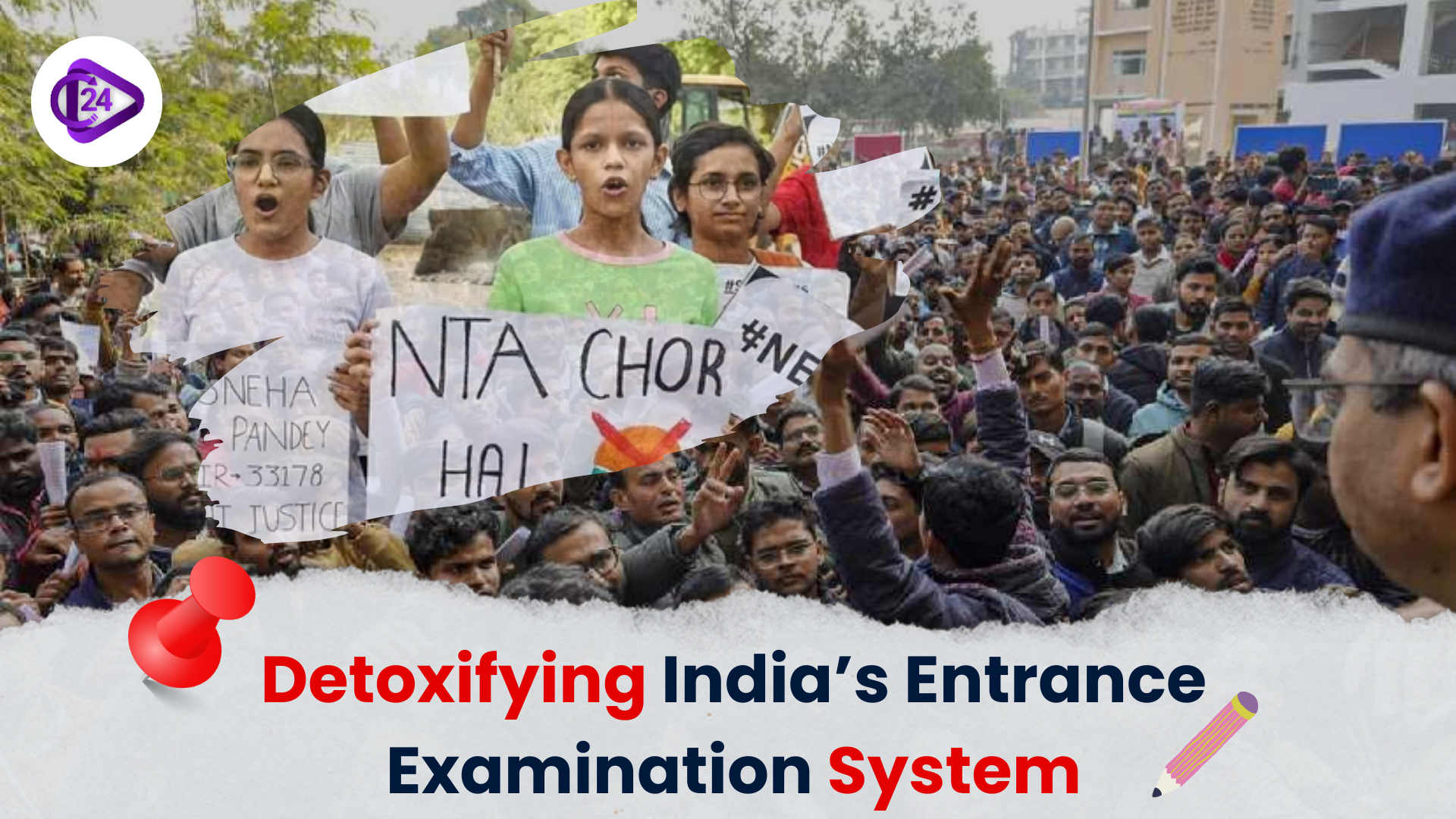
In India, every year millions of students are trying to get a few undergraduate places, and such entrance tests as JEE, NEET, CUET, and CLAT remain in the center of the academic environment. The result has been a high level of competition fuelled by a huge coaching business with such problems as mental health crises, economic inequality, and unfair meritocratic practices. Recent scandals involving coaching centres, student suicides and exploitation put the current system of entrance tests in India into serious consideration, in terms of fairness, equity, and student welfare.

Key Points:

  • Coaching Crisis and the effect of coaching crisis:

    • The huge coaching business is capitalizing on the dreams of students, charging astronomical prices on the two year programs. Young students, as young as 14 years old, have gotten into a vicious cycle of learning, giving up all-round development in favor of exam-driven learning. This causes psychological strain, depression and loss of childhood and some people may not be able to handle the heavy burden.

  • Unrealistic Entrance Exam Standards:

    • The existing system which sees 15 lakh students seek 18,000 IIT seats requires extraordinary performance when there are only relative differences in the academic scores. This overqualifies the students and puts up artificial hierarchies which disadvantage less fortunate students. It also increases the imbalance of regions and gender and classes, with more well off students able to afford coaching.

  • Social Inequities and Illusion of Meritocracy:

    • The crisis in coaching has resulted in a sense of meritocracy whereby more prosperous families can use coaching to their advantage whereas being left behind are deserving students who have come with a disadvantageous background. The system, according to a philosopher Michael Sandel, propagates a poisonous culture of individual excellence and disregards the aspect of privilege and chance.

  • International Reform Models- the Dutch Lottery System:

    • Based on the example of the Netherlands where a medical school admissions system based on a weighted lottery has proven to be successful, India can proceed to a more equal system. Students with a set of standards in their academic performance could take part in a lottery that puts their names on the list of assigned seats to minimize the bias and alleviate the stress on students.

  • Reforms for Equity and Fairness:

    • By facilitating the admissions process with Class 12 board results as the main criterion of B.Tech readiness the process may be fair. The weighted lottery system could assign the seats according to the academic performances, gender, regional and rural reservations. In addition, IITs may introduce rural seat reservations and faculty exchange to allow integration, diversity, and equal academic standards.

Conclusion

The system of entrance exams in India, its high level of pressure, and exclusivity has resulted in a culture of competition which is unhealthy and contributes to mental illnesses among students and encourages social disparities. With the transition to a lottery-based system, India will be able to proceed to a more equitable, inclusive education system in which all qualified students will stand in the same, regardless of wealth or privilege, and will stand the same chance of success. This would enable students to concentrate on whole person development so as to create a more balanced and healthy society and also provide equity in access to higher education.

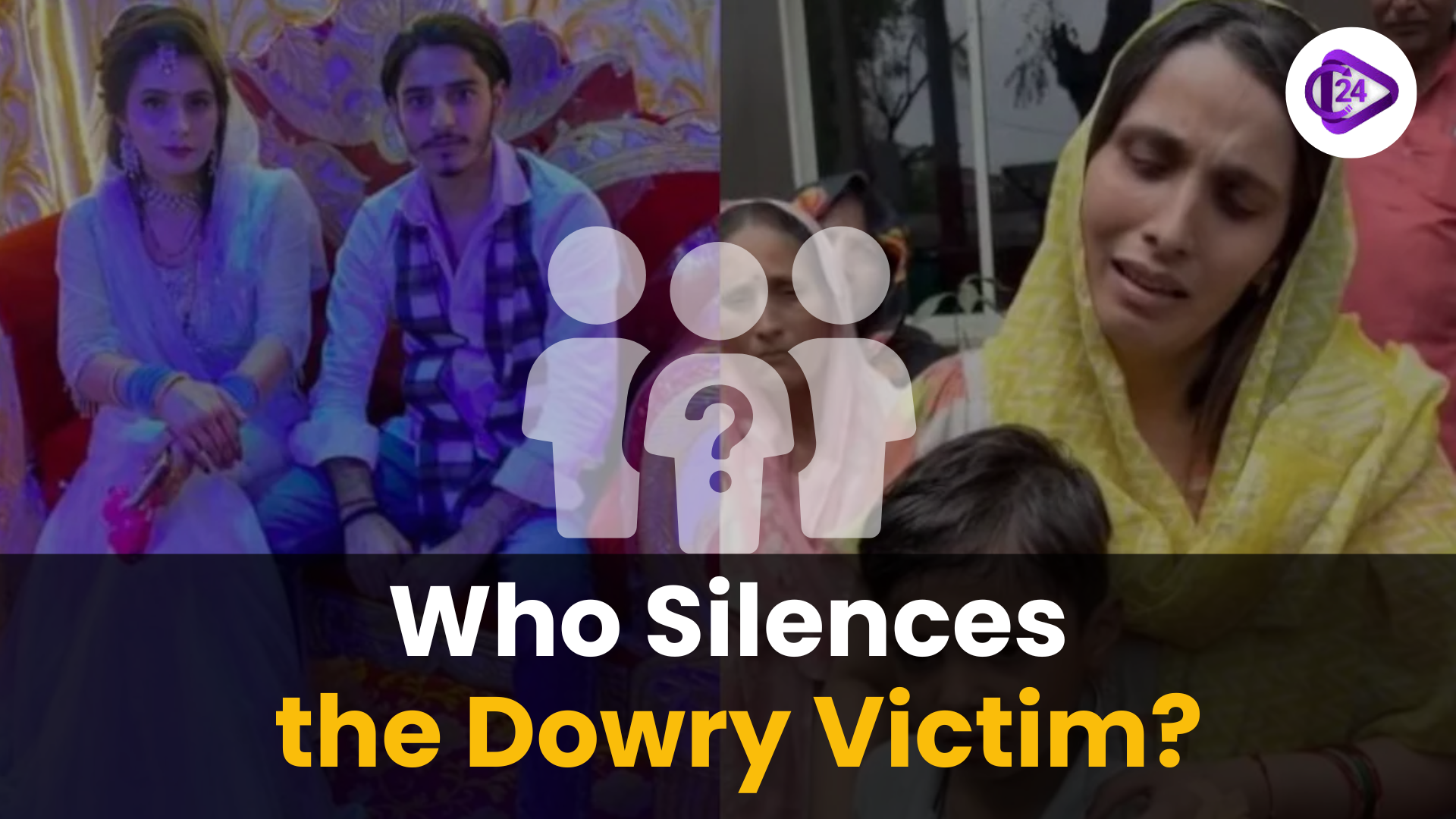
Dowry Deaths in India: Nikki Bhati Case Exposes Systemic Silence

As the recent events of dowry-related violence such as the one involving Nikki Bhati refer to, there have always been cracks in the system despite the presence of anti-dowry laws that were enacted in 1961 and reinforced in 1983. Although there are legal systems in place, systems of societal prejudice, which are entrenched in patriarchy, caste, and class bias, are still perpetuating dowry death cases with many victims remaining unheard and justice unserved.

Key Points:

  • Dowry Demand and Its Perpetuation:

    • Even after getting a huge dowry, Nikki Bhati was reportedly tortured by her husband and in-laws to get her more dowry. This indicates the ruthlessness of dowry demands even after the first dealings and how women continue to be abused in the name of dowry.

  • The role of Caste Panchayat in silencing the victims:

    • Nikki also did not go to the police after being abused several times, but ran away to her parental home. Rather than hearing her complaints, caste panchayats sought reconciliation on the basis of the promises of the husband's family, which demonstrates that caste loyalty can usually override the courts of law.

  • Patriarchy and Misogyny in Society:

    • Attitudes of patriarchy which have been embedded in caste and class norms reinforce the victim-blaming narrative. This is reflected in social media posts, in which some have argued that Nikki died as a result of a suicide, whilst others changed the attention to the alleged perpetrator and avoiding the bigger picture, which is dowry violence.

  • Proposals from Caste Leaders:

    • To a horror show, a caste leader proposed brides to be provided with weapons as dowry to protect themselves against marital torture. This emphasizes the fact that the emphasis is put on the continuity of tradition and honor instead of considering the underlying causes of abuse and inequality in marriages.

Conclusion:

The case of Nikki Bhati is in a way a sobering experience of how patriarchy, caste, and class still dominate the lives of women even despite those progressive laws. Although legal means exist to fight dowry violence, the framework of society, such as caste panchayats, family influences and gender conventions, continue to suppress the victims. As long as these norms are not formulated, and reinvented, the real justice to the victims of dowry will be elusive. The case is a call to revision and particularly to reinforce our social and legal systems to make them effective in checking the cause of dowry-related violence.

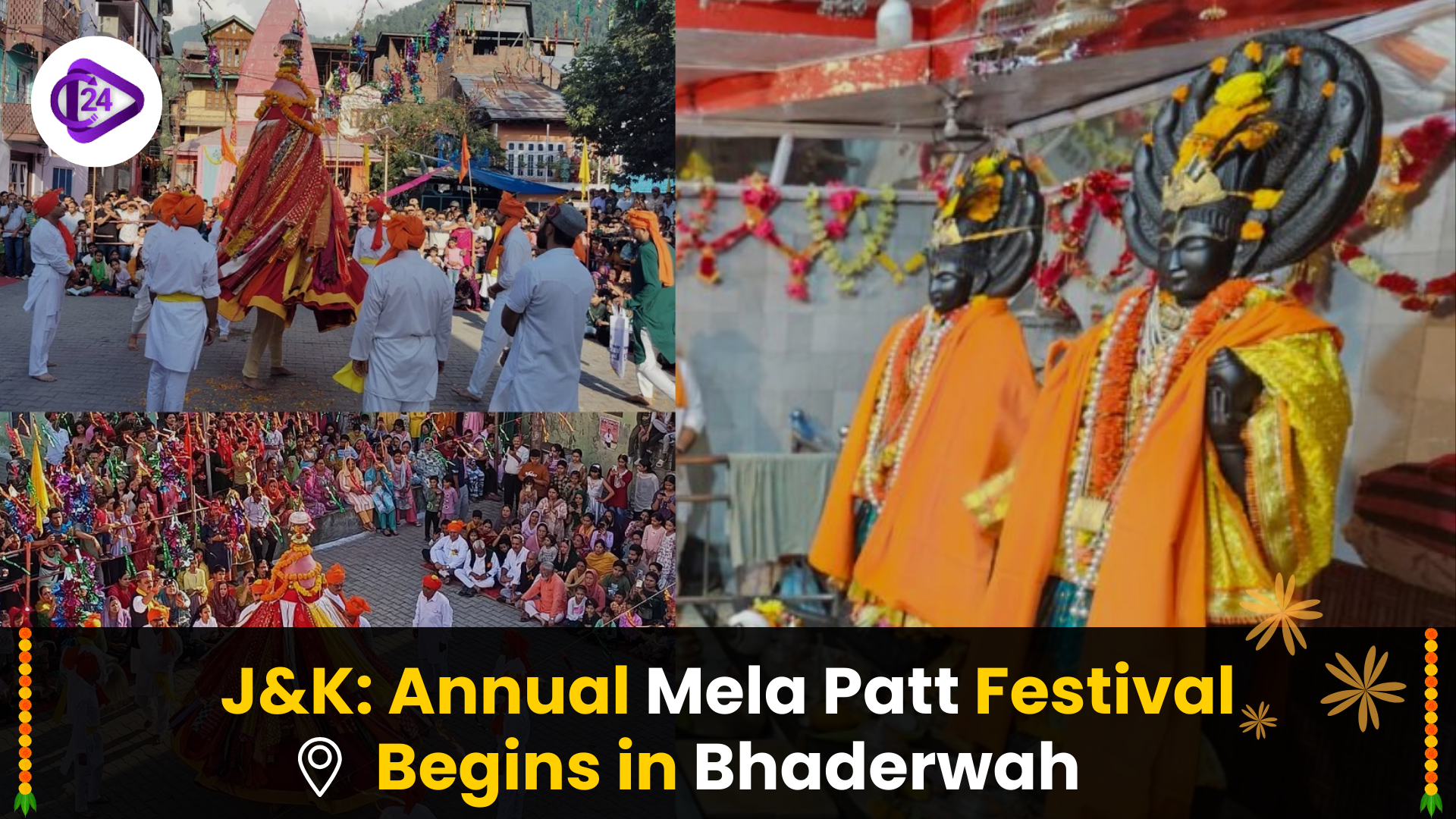
J&K: Annual Mela Patt Festival Begins in Bhaderwah

Mela Patt, a great and ancient cultural festival of Bhaderwah Valley in Jammu and Kashmir has already started today at Khakhal Mohalla in the Doda district. The Nag culture and historic union of Mughal Emperor Akbar with King Nag Pal of Bhaderwah is celebrated through a three day festival named after the presiding deity of the area, Lord Vasuki Nag. The festival is a continuation of a 600 year old tradition of the region, as the region exhibits a peculiar mix of religious and cultural diversity.

Key Points:

  • Historical and Religious Significance:

    • The Mela Patt festival is traced back to the 16 th century when the festival was first observed by King Nag Pal in Bhaderwah called as Bhadarkashi. It shows the historic meeting of the Emperor Akbar and the King Nag Pal as a reminder of the role of unity, spirituality, and courage in the history of the region. The festival is an offering to Lord Vasuki Nag who is also known as the protector and spiritual guardian of the area.

  • Inclusive Nature of the Festival:

    • It is the Mela Patt, a representation of community peace in the area, given that people of different religious and caste groups may come to enjoy. Irrespective of whether they are religious or not, people gather to offer homage to Raja Nag Pal, demonstrating unity in the spirit in the region. The festival is celebrated on Nag Panchami, seven days after the Kailash Yara and is a peaceful gathering of the communities in an effort to celebrate tradition and culture.

  • The Dikko Dance – A unity of Identity:

    • One striking aspect is Mela Patt which is the so-called Dikko Dance where men and women of every status, caste, religion, etc. are involved in the performance. The dance is not only a performance but also a symbol of peace, pride and harmony in the community. Its broad spectrum highlights the need to have cooperation, unity, and respect amongst various communities. The dance is an execution of the values that the people of Bhaderwah share.

  • 600 Years of Peaceful Celebrations:

    • One of the rare festivals in the area that has a very peaceful history throughout centuries is Mela Patt. Since the festival has been going on since more than 600 years, there have been no uncouth moments, this shows the reverence people have towards Raja Nag Pal and the un-teachable communal solidarity of the people of Bhaderwah. Social cohesion and religious tolerance in the region, which has been a strong tradition, have served as testament to this long-standing tradition.

  • Cultural Legacy and Preservation:

    • The Mela Patt festival is a religious celebration as well as a festival of cultural heritage of Bhaderwah. It brings forward local traditions, folk music, dances and handicrafts, and gives the platform to local artisans and performers. The festival also contributes to the retention of local cultural identity besides developing tourism and economic activity, especially in hand crafts and local enterprises, which are vibrant during the festival.

Conclusion

The festival of Mela Patt is not only a religious phenomenon but also the expression of the profound cultural roots, oneness and historical importance of Bhaderwah. In its commemoration of Lord Vasuki Nag and harmony of the various communities, the festival has been active in enhancing the social fabric of the area. Dikko Dance and other cultural performances represent the all inclusive festival and, therefore, the festival is a major festival in the wider frame of Jammu and Kashmir vibrant culture. The Mela Patt festival is as fundamental to the religious practices as well as the cultural pride of the region as it goes ahead and the festival attracts cohesion and peace among the people of the region.

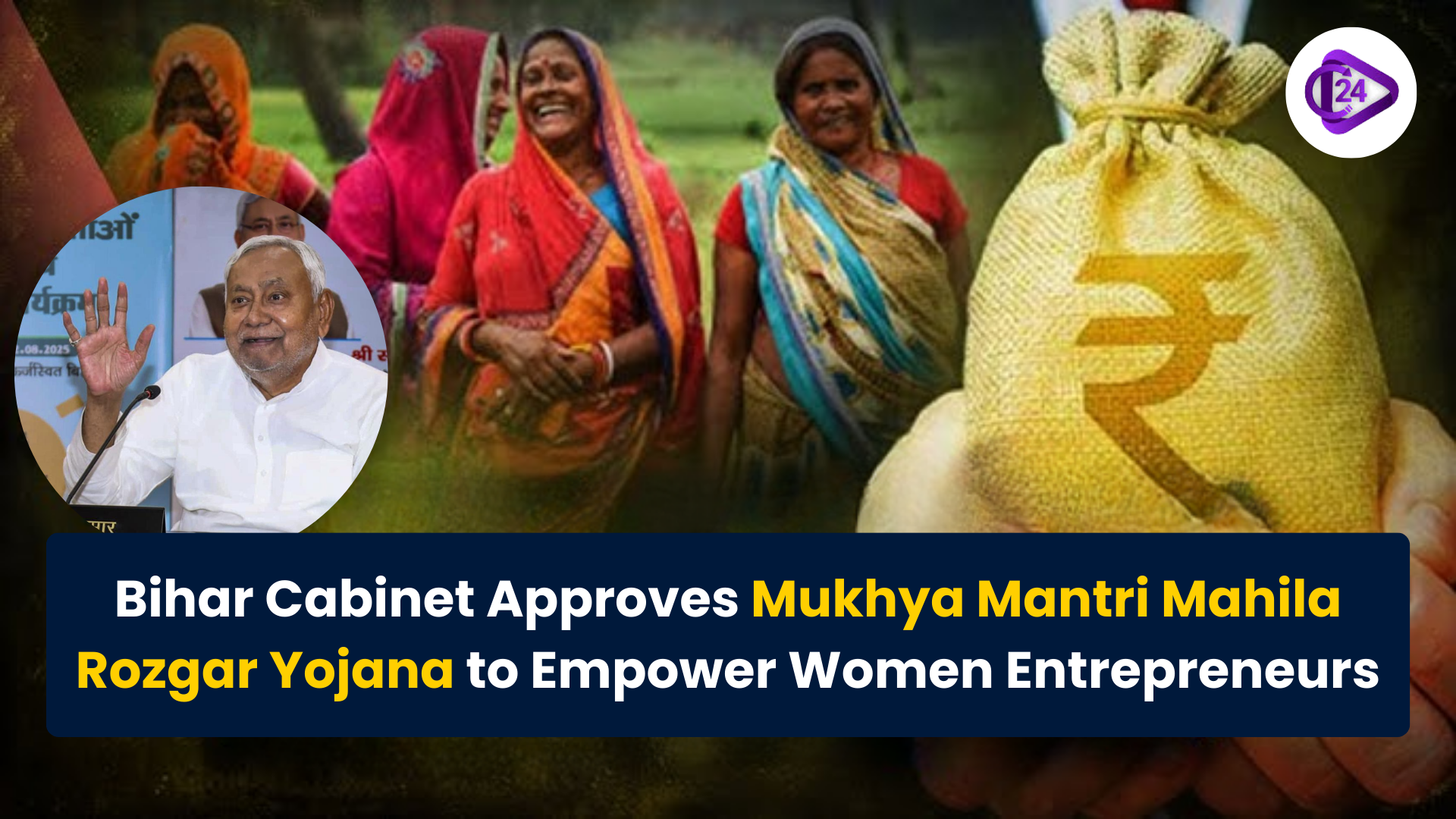
Bihar Cabinet Approves Mukhya Mantri Mahila Rozgar Yojana to Empower Women Entrepreneurs

The Bihar Cabinet passed the Mukhya Mantri Mahila Rozgar Yojana, a financial assistance scheme to empower women so they can establish enterprises of their own choice. This resolution of the Cabinet meeting under the chairmanship of Chief Minister Nitish Kumar provides insights into the state determination of women empowerment and creation of jobs.

Key Points from the Cabinet Decision:

  • Financial support on Women Entrepreneurs: A woman of each family will be given a 10000 grant as the initial installment, which will be sent to their bank accounts next month.

  • Additional Grant to Business Success: Six months later, an additional grant of 2 lakh in the form of ₹2 lakh will be given to women entrepreneurs, providing the grant depending on the performance of the business.

  • Empowerment and Job Creation: The scheme should not only empower women but also create more appropriate job opportunities in the state and less people will have to migrate in search of work.

  • Government in Support of Women Development Chief Secretary Amrit Lal Meena showed previous measures such as 50 percent women representation in the local bodies and the Prohibition Act of 2016 have helped in the development of the status of women in the state.

Conclusion:

Mukhya Mantri Mahila Rozgar Yojana is one huge step taken to give women in Bihar economic independence, as it gives them a chance to establish their own enterprises and creates jobs on a wider scale in the state. This is one of the major steps towards empowering women economically and building an economy that is self reliant in Bihar.

Frequently Asked Questions (FAQs)

The current affairs cover recent national and international events related to UPSC, SSC, Banking, Railways, and State PCS.

You need to read about the current affairs daily, and revise them every week and every month to keep them longer in your memory.

Yes, Class24 provides free downloadable Daily Current Affairs PDFs for easy revision.

Yes, you can practice MCQs and quizzes to boost your exam preparation.

Absolutely. The content is written in simple, easy-to-understand bilingual language suitable for beginners.

Go to class24.com and click on the current affairs section directly, where you find everything that you need.

ssc-toppers

Start Learning Today with Class24

Related current affairs

Class24 offers free video lectures for smart preparation, covering CGL, CPO, CHSL, MTS, and GD exams. Learn from expert faculty, revise concepts easily, practice with PYQs, and improve speed and accuracy through high-quality, exam-focused video lessons anytime, anywhere.

Get success in your hand. Start study anytime anywhere.

The journey becomes simple and enjoyable when you start taking interest in it. And through our app “Class24”, we will be your trusted partners in developing that interest.

Daily Quizzes
Mock Tests
Ongoing

No ongoing tests right now.