Day: August 27, 2025

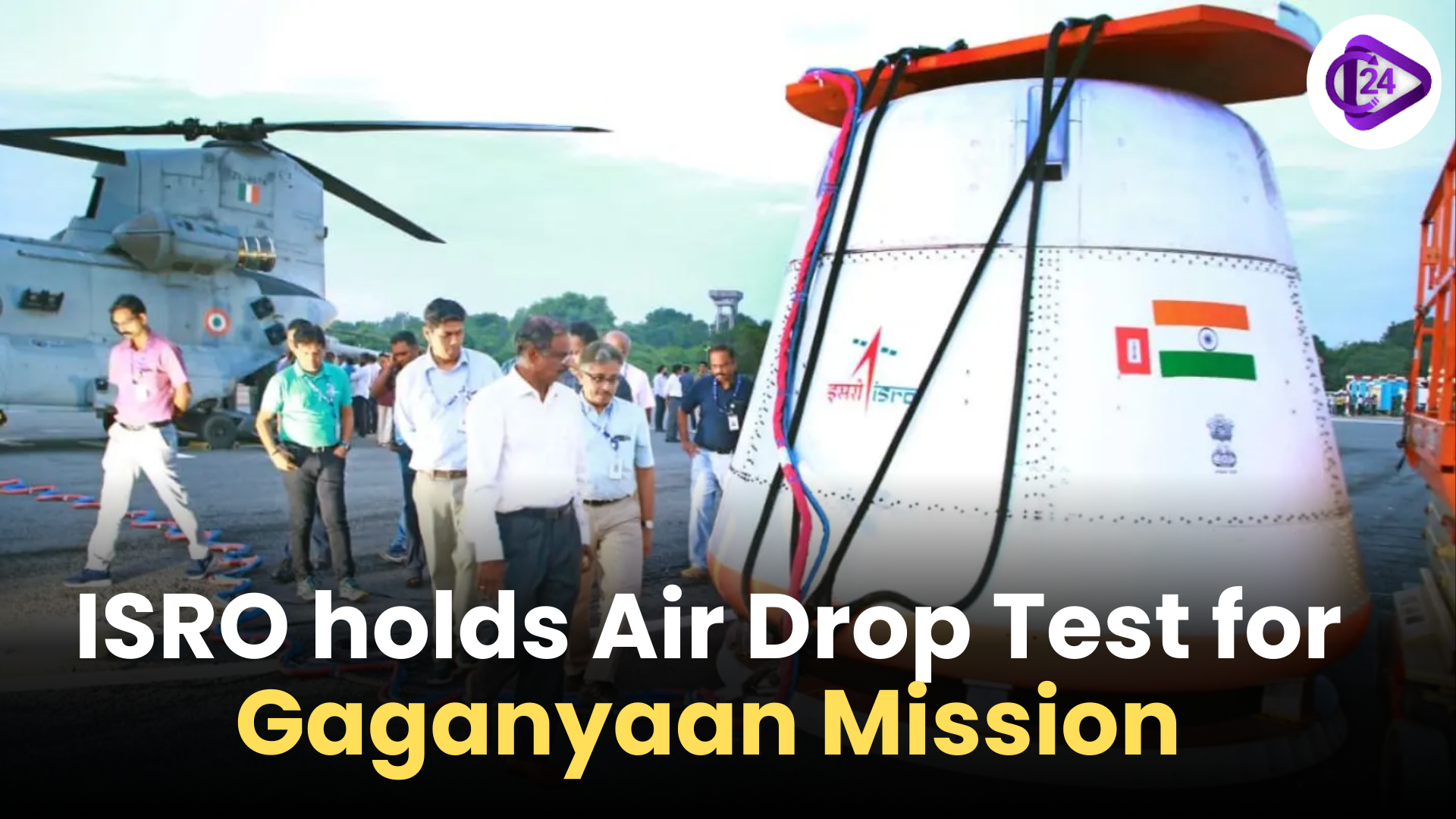
ISRO holds Air Drop Test for Gaganyaan Mission

IADT-1 is the first Integrated Air Drop Test by ISS successfully conducted by SRO to check the parachute- based deceleration mechanism of the Gaganyaan mission. An equivalent test is performed that replicates the final phase of the spacecraft returning to Earth and thus validates the successful retrieval of the crew module at re-entry and landing. This test involved a mock-up of a crew compartment being dropped 3 kilometers with the parachute opening to ensure that a slow rate of descent was achieved to enable safe water splash / landing. The step is important to the crewed mission, scheduled to take place in 2027, and is a prelude to the first uncrewed mission, to occur later in this year.

Context of points:

  • Integrated Air Drop Test is an important element of ISRO working on the Gaganyaan crewed mission.

  • The successful test confirms the availability of the parachute system on the crew module that may take various flight conditions and ensure safe landing.

Key Points

  • The purpose of the air drop test is based on an essential task of the armed forces, to be able to provide food to live and train accordingly across any ongoing conflict.

  • The Integrated Air Drop Test resembles the last phase when the spacecraft gets back to the Earth: it tests the efficiency of the parachute system.

  • It checks the integrity of the capsule upon reentry and splashdown, which is very important in the safety of the astronaut.

Method and Results

  • A 4.8 tonne dummy crew module was dropped out of 3 kilometers using a Chinook helicopter.

  • Parachutes effectively slowed down the capsule to approximately 8 m/s, which is a much slower pace than during the re-entry phase.

Parachute System Design

  • The system will involve four variations of parachutes which includes 2 pieces of 2.5-meter Apex Cover Separation Parachutes to guard the parachute compartment.

  • Drogue parachutes were also used to make the module stable and pilot parachutes were inflated to open the main 25-meter parachutes to slow down.

Updates in Gaganyaan Mission

  • Gaganyaan hopes to send Indian astronauts into low-earth orbit by 2027 and the mission has had significant testing.

  • The future Gaganyaan-1 uncrewed flight will validate the technology that will be further used to carry a crew but the crew escape system will be tested during this flight.

Preparations towards the Mission in the Future

  • The LVM3 rocket is also human rated and therefore necessary redundancies are made to ensure safety.

  • Such as the Gaganyaan Control Centre and Orbital Module Preparation Facility are already made, as well as plans on bringing it back to land after splashdown.

Conclusion:

The successful test by SRO on the air drop will play a pivotal role in making sure that astronauts have a safe mission to the Gaganyaan. This experiment demonstrates that it is reliable when landing the parachute system which is essential to the safe landing of the crew module. These tests, including the one to come, are essential to launch this uncrewed missions and life to become one step closer to the first crewed launch to Mars in 2027.

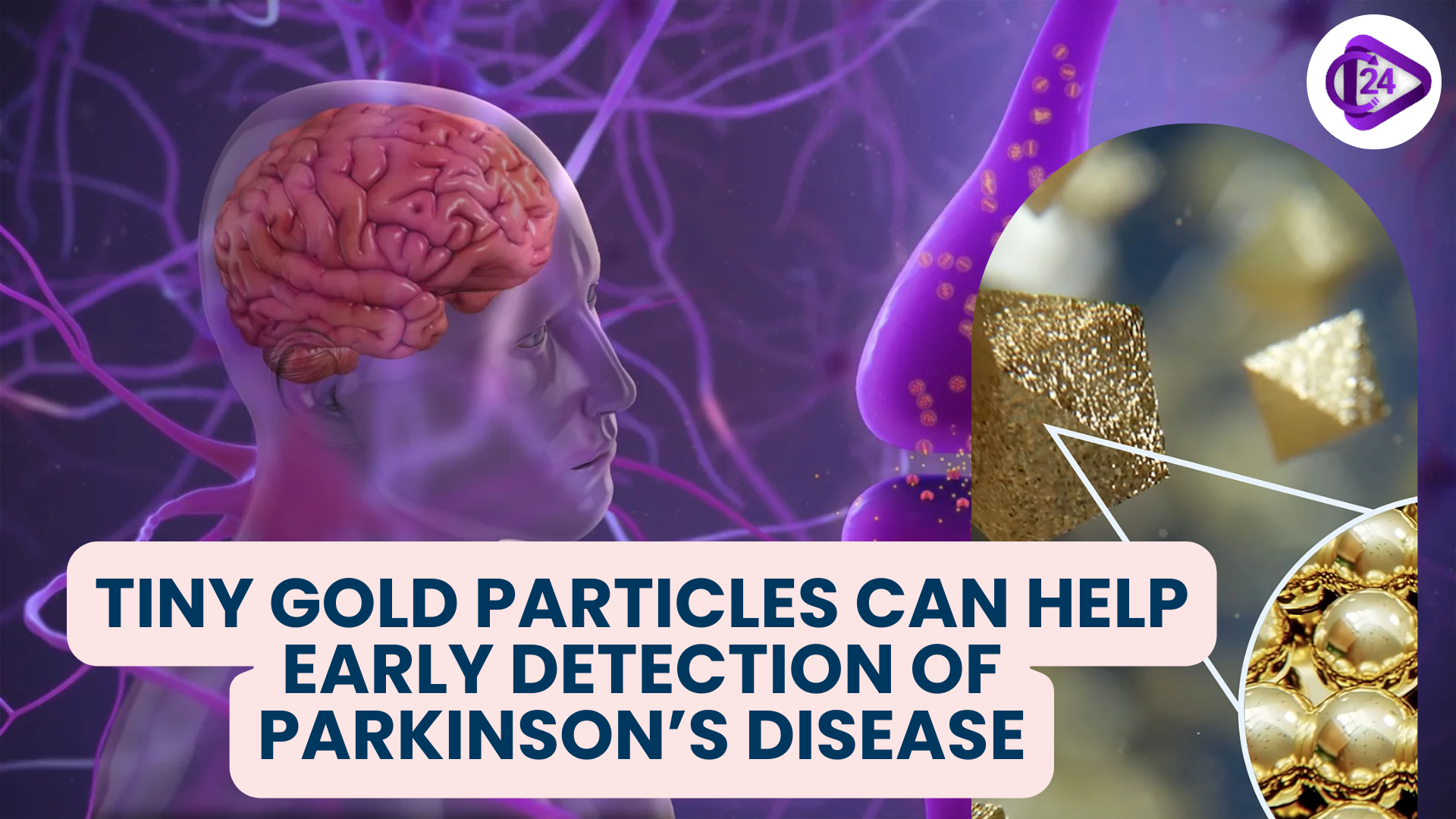
Tiny Gold Particles can help early detection of Parkinson’s Disease

Scholars at the Institute of Nano Science and Technology (INST) in Mohali have discovered a breakthrough nanotechnology that would help in early detection of PD. The team produced a biosensor with gold nanoclusters that differentiate between toxic and healthy morphologies of the α-synuclein protein associated with PD. The tool has the capacity to identify the illness at early stages and therefore there is the potential that the disease can be addressed at an early stage and the quality of life improved. The variation is valid in other neurodegenerative disorders such as Alzheimer and this study has been accepted in publication in Nanoscale.

Context of points:

  • The study will focus on early detection of Parkinson Disease, which has been increasingly becoming a menace across the world today with the aid of nanotechnology.

  • Gold nanoclusters offer the next means of distinguishing between forms of proteins and thus lead to earlier diagnosis of neurodegenerative diseases

Key Points:

  • Parkinson Disease and the Early Detection Requirement

  • PD is a very quick growing nerve condition and early identification of it can facilitate its management.

  • Brain damage often leads to diagnosis after much damage causing early diagnosis to be important in the chances of treatment.

Gold NanoClusters as a Detection Tool

  • They incubated gold nanoclusters that are tiny glowing particles and coated with amino acids to bind with different forms of the 2-synuclein.

  • The regular protein interacts with Proline-coated nanoclusters whereas the toxic forms interact with histidine-coated nanoclusters; the latter can be identified easily.

Design/Experimental Process and Validation

  • The group synthesized and purified two types of a -synuclein protein (normal and mutant) as well as gold nanoclusters.

  • Several advanced methods such as a UV-Vis spectroscopy and electron microscopy were implemented to determine the characteristics of the nanoclusters and confirm that these clusters interact with the protein.

A Possible Wider Applicability

  • The technology can be used to screen other diseases associated with misfolded proteins e.g. Alzheimer disease.

  • The design should be low-cost, label-free and clinically adaptable that can be used as a point-of-care testing.

Cooperation and Prospects

  • Principal Investigator Dr. Sharmistha Sinha and students and colleagues at IMTECH, Chandigarh handled this project.

  • The study has already been approved to be published by the journal Nanoscale, which means its further evolution and clinical application are likely to be developed.

Conclusion:

A gold nanocluster based biosensor is a major innovation concerning the early-stage detection of Parkinson disease. This new technology will transform how we treat neurodegenerative diseases, as it will be possible to treat them at an early stage or manage them better. It may also have a contribution to make to world attempts to deal with Parkinson disease, Alzheimer disease, and other protein misfolding diseases, with further development.

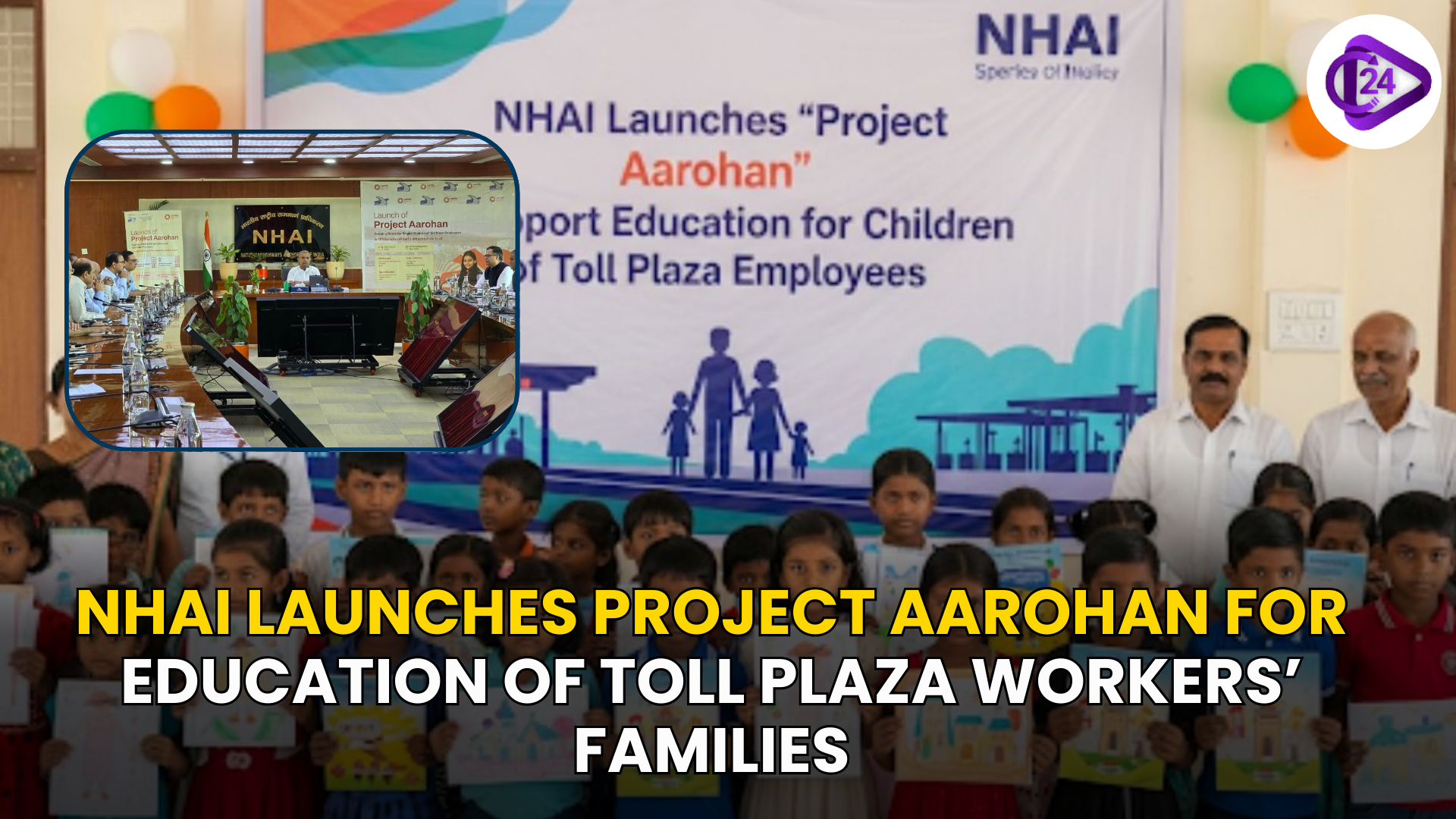
NHAI launches Project Aarohan to support education of toll plaza workers’ families

The National Highways Authority of India (NHAI) has initiated Project Aarohan which aims to help in educating children living in poverty stricken families of employees working in toll plaza. The initiative will be removing the financial barriers and giving all students equal access to quality education. The initiative will give 500 students of Class 11 to graduation an annual stipend of 12,000rs and will provide 50 postgraduate students 50,000rs each under the project. The process is completely computerized with the submission of academic and income related documents.

Context of points:

  • The program demonstrates how NHAI is interested in providing better education to the family members of toll plaza workers.

  • Project Aarohan provides scholarships to students at undergraduate and postgraduate levels to enable them to study.

Aim of Project Aarohan

  • Project Aarohan has been developed so as to help the students of toll plaza workers families out of their financial setback and enable them to pursue quality education.

  • The project is aimed at the development of future generations in India who will help the nation in growing.

Students Scholarships

  • Scholarships of 12,000 a year will be given to 500 students in Class 11 to graduation in the financial year 2025-26.

  • Another 50 students who have to study post-graduate or higher education will also be awarded scholarships worth 50, 000.

Application Process

  • The reviewing of the scholarship applications shall be done via an online portal.

  • Verification is done with the help of documents such as includes academic records, income proof, caste certificate, and ID proof.

NHAI commitment

  • NHAI Chairman Santosh Kumar Yadav stressed on the significance of the project in the making to employees of the toll plaza would be an added advantage to the employees and their families.

  • The project reveals the greater involvement of NHAI towards the welfare of its employees and in the prosperity of upcoming generations.

Emphasis on Economic Success

  • Project Aarohan will solve this problem by eliminating financial barriers, giving the economically weaker section a way to receive higher education.

Conclusion

The Project Aarohan is an important initiative towards empowering the access to education of the children of the toll plaza workers towards a better world of equal opportunity. It is not that NHAI wants to reduce the financial pressure but the fact is that the next generation of leaders, who would serve India in the future, should be given this boost. With scholarships and assistance, this initiative opens new horizons and a brighter future in the life of a range of talented students.

Unleashing India’s Power Sector: Key to Economic Competitiveness

The Indian economy is experiencing a slowdown because the electricity sector remains one of the major barriers. The Indian power sector is handicapped with inefficiencies, high electric costs, cross-subsidies, and these negatively impact on manufacturing and competitiveness. In spite of these hurdles, reforms of the industry have come at little political cost, and the current state government has been propping up its status quo. Nevertheless, power sector restructuring is essential in enhancing the economic prospects of India, eliminating waste, and boosting growth in the manufacturing as well as the services sector. A transition to efficient pricing as well as directed subsidies is the key to success in the future.

Context of points:

  • The changes in India need to happen in the power sector to stimulate economic competitiveness.

  • The electricity prices and cross-subsidies presently do not help efficiency that slows down the growth and adds to the production expenses.

Key Points

Electricity Pricing and the Effect it brings to Manufactory

  • The electricity prices that Indian firms pay are two times that of the efficient supply price and serve as a veiled manufacturing tax.

  • Inefficiencies and cross-subsidization increase the prices of the small and medium enterprise, thus impacting on the competitiveness of the economy.

Change in Distribution of Subsidies

  • Subsidies on electricity, which were mostly on commercial agriculture, now comprise both houses and agriculture in almost equal shares.

  • Electricity subsidies benefit the households, especially middle-class people and the rich in the biggest proportion.

Waste in Subsidy Distribution

  • More than 70-85 percent of subsidy money is actually spent on middle and upper-income households and not the people in need.

  • Add to this the inefficiencies that are further worsened by cross sub-sidization, which is detrimental to economic activity and manufacturing.

Electricity Reform of Prices

  • This needs to be supplemented by a more efficient electricity pricing system of focusing on simplicity and minimising cross-subsidies ensuring that nobody is charged more than the efficient cost of supply.

  • The transition cost and reforms should be funded through collaboration between the central and sample governments.

The Role of Public Sector Monopolies in Hindering Growth

  • The power distribution industry which is mostly controlled by public sector monopolies incurs immense economical losses.

  • Just as the electricity sector in India saw improvement due to similar overhaul in telecommunications, the same picture is needed today in the electricity sector.

Conclusion

A significant transformation in India is needed in the electricity industry to unlock the potential in the economy. These inefficiencies, exaggerated prices and waste of subsidies are the reasons that the manufacturing and economic growth are being stunted. India can transform its economy into a more productive and competitive one by carrying out specific reforms targeted at effective pricing, decreasing cross-subsidies. Such transformation is required so that India can continue to be competitive in the global arena and utilize the potential in the power sector.

Frequently Asked Questions (FAQs)

The current affairs cover recent national and international events related to UPSC, SSC, Banking, Railways, and State PCS.

You need to read about the current affairs daily, and revise them every week and every month to keep them longer in your memory.

Yes, Class24 provides free downloadable Daily Current Affairs PDFs for easy revision.

Yes, you can practice MCQs and quizzes to boost your exam preparation.

Absolutely. The content is written in simple, easy-to-understand bilingual language suitable for beginners.

Go to class24.com and click on the current affairs section directly, where you find everything that you need.

ssc-toppers

Start Learning Today with Class24

Related current affairs

Class24 offers free video lectures for smart preparation, covering CGL, CPO, CHSL, MTS, and GD exams. Learn from expert faculty, revise concepts easily, practice with PYQs, and improve speed and accuracy through high-quality, exam-focused video lessons anytime, anywhere.

Get success in your hand. Start study anytime anywhere.

The journey becomes simple and enjoyable when you start taking interest in it. And through our app “Class24”, we will be your trusted partners in developing that interest.

Daily Quizzes
Mock Tests
Ongoing

No ongoing tests right now.