

Day: August 20, 2025

The Role of Preventive Health Screenings in Achieving a Healthier India

Health screenings are important to creating a healthy and productive India since they help in early diagnosis and control of the illness. As non-communicable diseases (NCDs) rise, they have, diabetes and hypertension included, with initiation of active healthcare vital to avert mortality, exorbitant costs, and system overload. Screenings serve as a protection against preventable diseases as they help individuals and communities become secure. Nevertheless, India continues to partially depend on reactive care, which is costly and not effective. The culture of preventive healthcare can be promoted to make a difference in the country in regards to public health and national independence.

Context 

  • Dual Disease Burden -India is a population threatened by both infectious and rapidly increasing NCDs, which cause more than 60% of fatalities (WHO).

  • Reactive vs Preventive Care -Healthcare is treatment-oriented, which results in expensive late diagnoses.

  • Cultural Barrier – Preventive check ups are seen to be unnecessary or a luxury as opposed to a duty.

Key Points

The importance of Preventive Screenings

  • Early Detection: Detects diseases such as diabetes, High blood pressure, and cancer at an initial and manageable level.

  • Disease Prevention – Prevents Cholesterol, obesity or precancerous conditions that can be corrected.

  • Reducing the Cost of Healthcare – Prevention is much less expensive in comparison to dealing with a chronic disease over the long term.

  • Health Security -Protects individuals, families, and the protection against health shocks.

Challenges in India 

  • Cultural Resistance-Visiting physicians even when one is not suffering has been perceived as a waste of resources.

  • Limited Accessibility- Rural and low-income patient groups have less access to affordable screening.

  • Policy Gaps – treatment over preventive strategies is given weight by national health programmes

Way Forward

  • Government – encompass screenings into national health schemes and subsidize tests of at-risk groups.

  • Employers – Invest in yearly medical check ups as employee welfare.

  • Healthcare Providers, Package and simplify screening services, so they are accessible.

  • Individuals Consort:Take personal ownership of occasional check-ups, such as with routine financial planning, car maintenance.

Conclusion 

Resistant India needs preventive health checks as they are not an indulgence, but part of an urgent necessity. By making the move toward proactive or preventive care, the country will have an opportunity of saving lives, diminishing economic and social impact in terms of healthier communities. Real independence does not just come through politics since there is also independence through lack of preventable diseases.

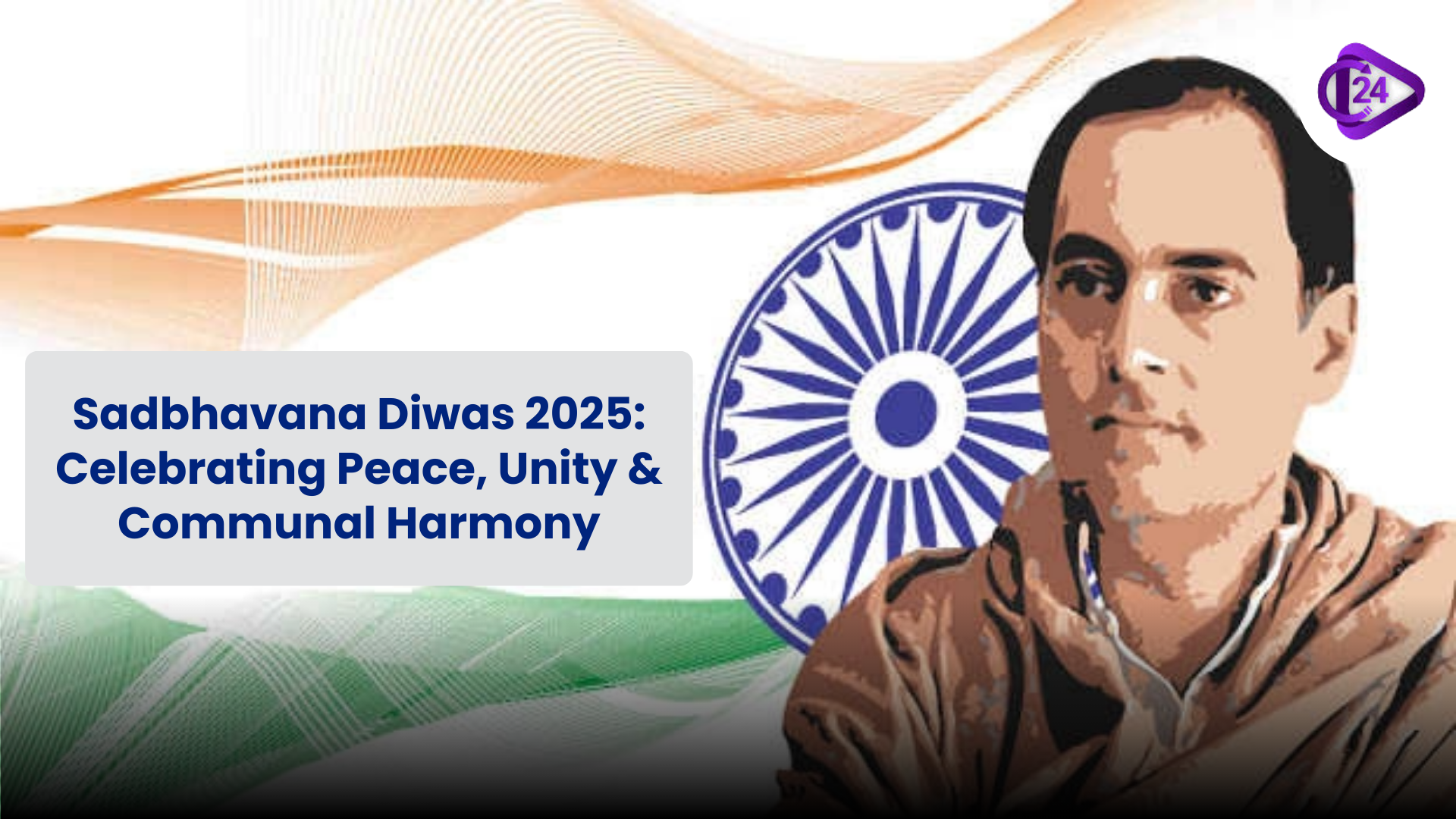
Sadbhavana Diwas 2025: Celebrating Peace, Unity & Communal Harmony

Sadbhavana Diwas is celebrated on 20 th August every year on the birth anniversary of former Prime Minister, Rajiv Gandhi. The day is a focus on peace, communal harmony, tolerance and national unity. It was created to oppose divisive tendencies in India and strengthens the Indian mentality of unity in diversity. The celebration entails the government, schools and the nation at large and there should be a dialogue and empathy. It is very important in the reinforcement of secularism and upholding the democratic ideals of India.

Context 

  • 20th August commemorates the birth anniversary of Rajiv Gandhi who had a vision of having a progressive inclusive India.

  • Symbolic Value- Instead of pursuing the ideas and creating the associations directly, it has been developed to support the community and national stability in a multicultural world.

  • Contemporary Relevance Two drivers of a trend toward greater social polarization lend greater urgency to the ideals of Sadbhavana Diwas today.

Key Points

  • Sadbhavana Diwas objectives:

  • Encourage peace, tolerance between various religious cultural groups.

  • Promote national integration and the spirit of inclusivity and unity in diversity.

  • Minimize a sense of tension within the community by engaging in dialogue, feeling and awareness studies.

  • Promote brotherhood by enforcing communal involvement in nation building.

Significance & Impact:

  • Secularism & Social Cohesion: Strengthens that there should be equal respect to all communities.

  • Communalism Prevention- Tells people about the health risks of being prejudiced, discriminated against and violent.

  • Legacy of Rajiv Gandhi – Advocates his views of harmony, peace and equality growth.

  • Nation-building – Increases a common identity, tolerance and group involvement in democracy.

Celebrations & Participation:

  • It is witnessed in government agencies, education, non-governmental organizations, and civil institutions.

  • Pledges are used in the community unity, cultural activities, discussions, awareness and community services.

  • Promotes the involvement of the youth to internalize values of peace and coexistence.

Conclusion

Sadbhavana Diwas is not a mere gestural celebration, rather a reminder, of the pluralism and the inclusive spirit of India. It also tries to deal with the increasing divisive tendencies by promoting peace, tolerance, and unity. India can have a culture of harmony and national cohesion on the basis of democracy by enhancing its observance.

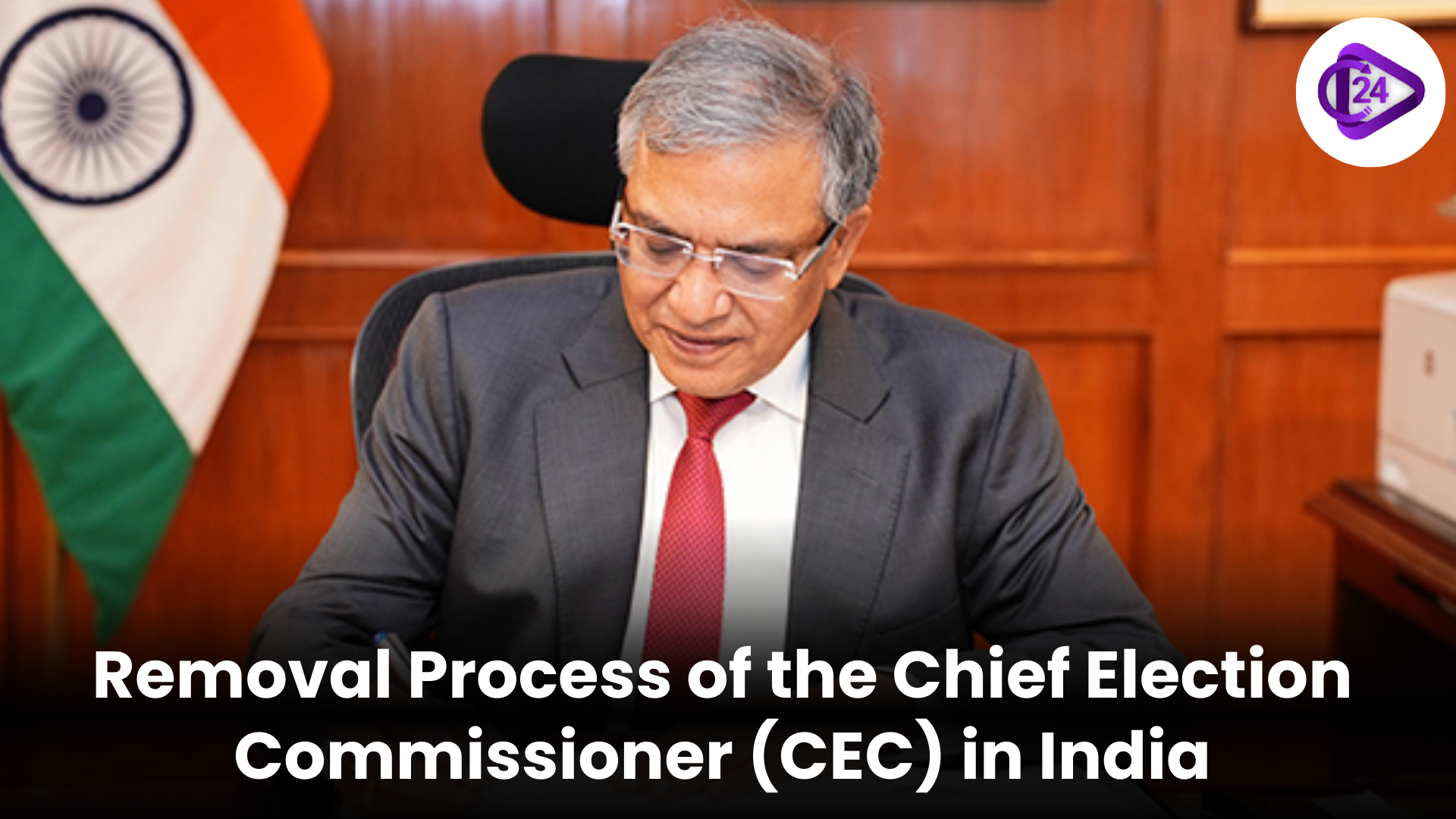
Removal Process of the Chief Election Commissioner (CEC) in India

The Chief Election Commissioner (CEC) is responsible to preserve the purity of the electoral system in India and termination is made difficult as well as a Supreme Court Judge. If removed, the CEC can only be under Article 324(5) on demonstrated misbehaviour and incapacity by a majority of two-thirds in both Houses of Parliament. The process is established so as to ensure the security of the independence against political coercion. The 2023 Chief Election Commissioner and Other Election Commissioners Act changed the mechanism of appointment, removal and brought about the controversy of impartiality of the process. The recent scandals indicate conflict between political, judicial, and independence of institutions.

Context 

  • Constitutional protection – The framers did not provide the CEC could be terminated at will as in the case of judicial removal requirements.

  • Recent Legal Reform (2023 Act) changed the appointment, tenure, and removal criteria and did not include the CJI in the selection committee and decreased the status/salary parity.

  • Political debate: The criticism of the judiciary in opposition of perceived bias and shutting out the judiciary has seen critics characterize that it be reviewed in a judicial process.

Article 324(5): Constitutional Process of Removal:

  • Only like a Supreme Court judge CEC removable.

  • Reasons: Established conduct-related misbehaviour or inability.

  • Must be approved by at least two-thirds of the Houses of Parliament.

  • The President takes no discretional action on the recommendation of Parliament.

  • None of the CECs were taken away since the advent of ECI 6; this is evidence of rarity and seriousness.

2023 Act Amendments at Appointment & Tenure:

  • Appointed: appointment by President at the recommendation of a Selection Committee (PM, LoP in LS, Union cabinet minister).

  • Search Committee: to be chaired by Cabinet Secretary to shortlist names.

  • Eligible graduates: Senior bureaucrats (rank of Secretary) having experience of election management.

  • Tenure: 6 years or till 65 years, whichever is sooner; no re-appointment.

  • Salary: Level with Cabinet Secretary (previously the same level as SC judge).

Removal of Election Commissioners (ECs):

  • Unlike CEC, other ECs can be removed only on CEC’s recommendation.

  • Provision has drawn criticism for undermining equal protection.

Concerns & Criticisms:

  • When CJI is not included in the selection committee there is less judicial oversight.

  • Dilution of the autonomy viewed to status downgrade (SC judge to Cabinet Secretary).

  • Nothing to prevent post retirement government services → danger of conflict of interest.

  • Waiting Supreme Court petitions against provisions of judicial review.

Conclusion 

The process of removing the CEC is patterned like an impeachment procedure and plays a key role in keeping the electoral machineries of India independent. Nonetheless, the 2023 Act has reignited the debates of neutrality and autonomy of the institution. Maintaining balance between political accountability and judicial oversight will be important to ensure that people retain the trust towards the Election Commission.

Private Sector Share in Defence Production Increases to 22.5%

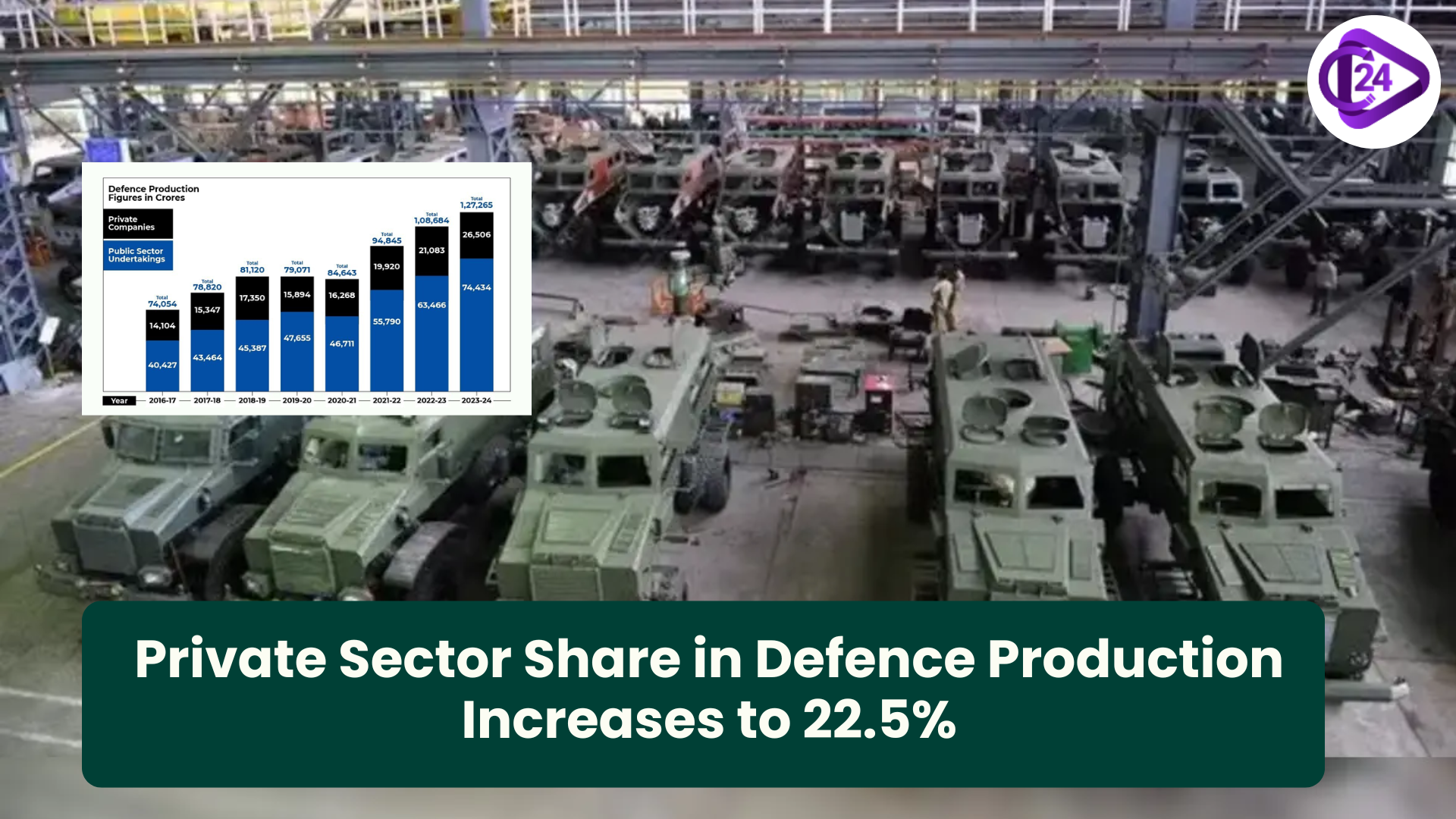
India produced 22.56 % of all defence production, at 33,979 crore, in 2024-25, its largest contribution since 2016-2017 with the rest coming through the state-owned defence sector. This will indicate constant increment in the rate of private participation as there was 19.39% in 2022-23 and 20.93% in 2023-24. In the meantime however, Defence PSUs hold 57.5%, Ordnance Factories (14.49%), and non-defence PSUs (5.4%). This rise is in line with the policy changes since 2016 of promoting local production of defence equipment in order to minimise the reliance on imports. In India 2024-25 was also a year of highest-ever defence production, something more than thrice the amount, compared to the 2014-15.

Context 

  • Policy Push – In 2016-17, the defence industry was thrown open to the private sector to achieve Atmanirbhar Bharat and limit its dependency on imports.

  • Increased Budgetary Allocation – Defence budget has increased to the current 6.81 lakh crore (2025-26) and has allowed expansion in capacity.

  • Strategic Goal India would establish to produce defence materials that would generate less importing of materials and high exports.

Key Points

Defence Production Data (2024-25):

  • Total Production: 150,590 crore (highest-ever).

  • The Private Sector: 33979 crore (22.56) which is the highest in 2016.

  • PSUs: 57.50 % share.

  • Ordnance Factories: 14.49 % share.

  • PSUs non-defence: 5.4% share.

Trend in Private Participation:

  • 2016-17: ~19% (after reforms allowing private entry).

  • 2022-23: 19.39%.

  • 2023-24: 20.93%.

  • 2024-25: 22.56% → clear upward trajectory.

Importance of increased Private sector:

  • Provides efficiency, innovation, competitiveness.

  • Enables the integration with the global supply chains.

  • Throws less import dependency and increases the strategic autonomy.

  • Fosters creation of employment and technological exchange.

Growth Drivers Policy:

  • Defence Production and Export Promotion Policy (DPEPP), 2020.

  • Licensing and FDI norms simplification (up to 74% of automatic route).

  • Initiation of Innovation of Defence Excellence (iDEX) to start-ups.

  • Indigenisation drives include forbidding some defensive products to be imported in.

Conclusion 

Growth in the private sector component in defence manufacturing indicates the Indian movement towards defence self-reliance. Although the DPSUs still prevail, there is increased demand for the Private Parts as it enhances innovation and efficiency. They will remain essential to India in its exhibition ambitions of becoming an exporter of defence products as a sustained policy support and the partnership between the public and the private sectors stands to be an important part of the process.

Frequently Asked Questions (FAQs)

The current affairs cover recent national and international events related to UPSC, SSC, Banking, Railways, and State PCS.

You need to read about the current affairs daily, and revise them every week and every month to keep them longer in your memory.

Yes, Class24 provides free downloadable Daily Current Affairs PDFs for easy revision.

Yes, you can practice MCQs and quizzes to boost your exam preparation.

Absolutely. The content is written in simple, easy-to-understand bilingual language suitable for beginners.

Go to class24.com and click on the current affairs section directly, where you find everything that you need.

ssc-toppers

Start Learning Today with Class24

Related current affairs

Class24 offers free video lectures for smart preparation, covering CGL, CPO, CHSL, MTS, and GD exams. Learn from expert faculty, revise concepts easily, practice with PYQs, and improve speed and accuracy through high-quality, exam-focused video lessons anytime, anywhere.

Get success in your hand. Start study anytime anywhere.

The journey becomes simple and enjoyable when you start taking interest in it. And through our app “Class24”, we will be your trusted partners in developing that interest.

Daily Quizzes
Mock Tests
Ongoing

No ongoing tests right now.