
Day: August 12, 2025

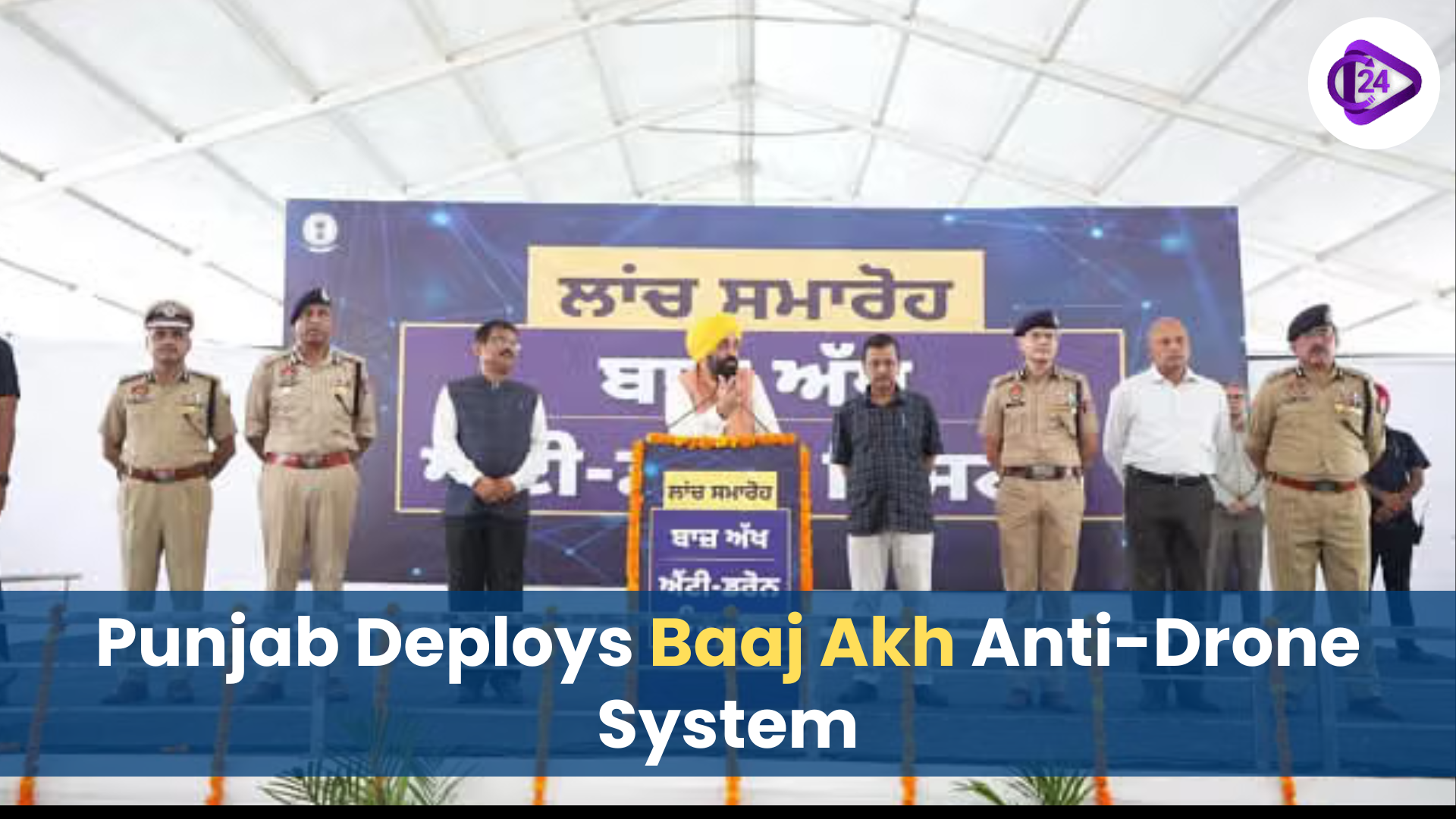
Punjab Deploys Baaj Akh Anti-Drone System

In an important move against the entry of drugs and weapons into India via Pakistan, the state of Punjab has deployed the Baaj Akh Anti-Drone System (ADS) on its international border; it is also the first state in India to do so. This is one of the efforts in the state in the escalated war against drugs where the traffic of illegal drugs and weapons by drones poses a risk to the state.

Key Points:

Background:

  • The 553 km border between Punjab and Pakistan is a hot zone with drug and weapon peddlers resorting to use of drones. In 2024, 283 drones were seized and they carried heroin and weapons.

System of Baaj Akh:

  • The Baaj Akh system ( Hawk Eye ) recognizes the drones and their control sites automatically alerting the authorities without being monitored manually. It supplements the Border Security Force (BSF), and it is a second line of defense.

Strategic Deployment:

  • High-risk border points have three ADS units installed at an investment of Rs 51.4 crore and six more units are to be installed along the entire border.

Anti-Drug Campaign:

  • Special drug awareness syllabus is taught to 8 lakh of students in more than 3,600 government schools as a part of the War Against Drugs campaign.

Government Actions:

  • The government of Punjab has taken a zero tolerance in drug smuggling policy by arresting drug lords and destroying sites purchased using drug money.

Liaison Among the Security Agencies:

  • To deal with the drone threats, the police, BSF, Army, and Air Force are cooperating to eliminate the drone threat successfully.

Conclusion:

The use of Baaj Akh Anti-Drone System by Punjab has increased security along the border and paired with efforts in enforcing the War Against Drugs, demonstrates an active method of addressing security and health concerns.

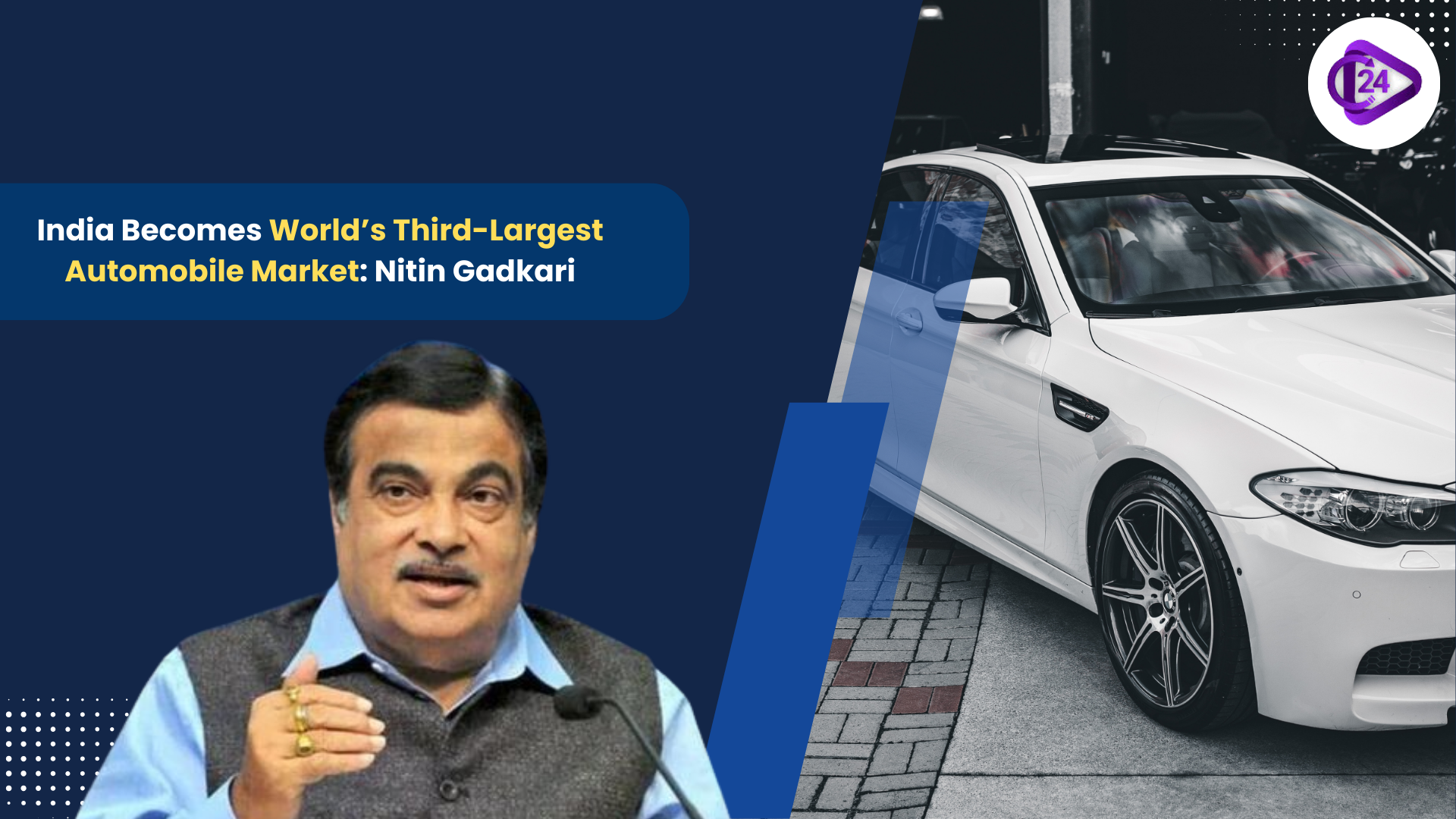
India Becomes World’s Third-Largest Automobile Market: Nitin Gadkari

As reported by Road Transport and Highways Minister Nitin Gadkari, India has become the 3rd biggest automobile market in the world. During his official speech on the occasion of the Green Revolution – 2025 event held on World Biofuels Day in New Delhi, Gadkari revealed the main specifics of India automobile industry that, as he states, is very large in terms of national presence that, in its turn, is currently overshadowed by such green initiatives like using ethanol and green hydrogen as the sources of future energy.

Key Points

  • The automobile industry in India can be assessed at 22 lakh crore and next in the rank comes the US with 78 lakh crore and China with 49 lakh crore.

  • The industry has already generated 4.5 crores of employment opportunities.

  • Successful ethanol blending program of 2024 to reach 15 percent of expected 20 percent achieved by 2025-2026.

  • There is a place in India for green hydrogen as a source of energy in the future.

Growth Trajectory of India’s Automobile Sector:

  • Early Liberalization (Post-1991): India de-licensed its automobile industry in 1991 and so, opened the doors to 100 percent Foreign Direct Investment (FDI) that introduced the world players such as Suzuki, Hyundai and Honda into the nation.

  • Others: Vehicle production in India has increased to 28 million annually in 202324, a value as compared to 2 million in 199192 and the industry currently accounts to about 6 percent to the India GDP.

  • Economic Effect: Automobile industry has a turnover of USD 240 Billion with a direct and indirect employment of approximately 30 million. The auto components industry is also a major piece as it contributes 2.3 per cent to GDP.

  • Exports: Exports of the sector amounted to 4.5 million units in FY24 and principal export markets included Europe, North America, and Asia.

Key Initiatives Under Make in India:

  • FAME-II Scheme: Supports EVs to be adopted with incentives on 16.15 lakh EVs and 10985 charger points.

  • PLI-Auto and PLI-ACC Schemes: Encourage the research on the development of a more advanced automotive encompassing EVs and hydrogen fuel-cell components and create a target to establish a 50 GWh battery manufacturing ecosystem.

  • Electric Drive Revolution: A program that inherits electric vehicles, e-buses, e-trucks and required charging stations.

Challenges to the Indian Auto Industry:

  • Import Dependency: The industry has a high concentration on dependency on imports on essential components such as lithium-ion cells and semiconductors that influence the supply chains.

  • Low EV penetration: EV penetration in India is at 6.6 percent which is well below international standards because of high vehicle cost/bad infrastructure, and range anxiety.

  • Skilled Workforce Shortage: There is shortage of skilled workforce in automation, fuel cells and hydrogen technology.

  • Emission Norms: Increased corporate fuel efficiency standards (CAFE III & IV), coming into effect will entail expensive retrofit moves to cleaner technologies.

Way forward

  • Localization: India can cut reliance on imports by domestic production of important raw materials like lithium, rare earth elements.

  • Infrastructure Development: Overall expansion of EV charging stations, especially in tier-2/3 cities and beyond will facilitate the greater use of EV.

  • Enhancement of Green Mobility: Green mobility could be facilitated by supporting fleet conversions to EVs by attempting policies that encourage EV fleets, battery swapping and green logistics.

Conclusion:

The enormous growth and future prospects of the automobile industry in India can be attributed to the fact that India is currently the 3rd largest automobile market in the world. Other developments, like import dependency, EV adoption rates, and workforce shortages notwithstanding, major government plans to implement under Make in India, including FAME-II and the PLI plans, are preparing the way to sustainable growth. With the help of such strategic investments in infrastructure, localization and green technologies,India can ensure that it will remain the relevant global automotive industry giant in the world and on its path to its future environmental targets.

Frequently Asked Questions (FAQs)

The current affairs cover recent national and international events related to UPSC, SSC, Banking, Railways, and State PCS.

You need to read about the current affairs daily, and revise them every week and every month to keep them longer in your memory.

Yes, Class24 provides free downloadable Daily Current Affairs PDFs for easy revision.

Yes, you can practice MCQs and quizzes to boost your exam preparation.

Absolutely. The content is written in simple, easy-to-understand bilingual language suitable for beginners.

Go to class24.com and click on the current affairs section directly, where you find everything that you need.

ssc-toppers

Start Learning Today with Class24

Related current affairs

Class24 offers free video lectures for smart preparation, covering CGL, CPO, CHSL, MTS, and GD exams. Learn from expert faculty, revise concepts easily, practice with PYQs, and improve speed and accuracy through high-quality, exam-focused video lessons anytime, anywhere.

Get success in your hand. Start study anytime anywhere.

The journey becomes simple and enjoyable when you start taking interest in it. And through our app “Class24”, we will be your trusted partners in developing that interest.

Daily Quizzes
Mock Tests
Ongoing

No ongoing tests right now.