Day: July 11, 2025

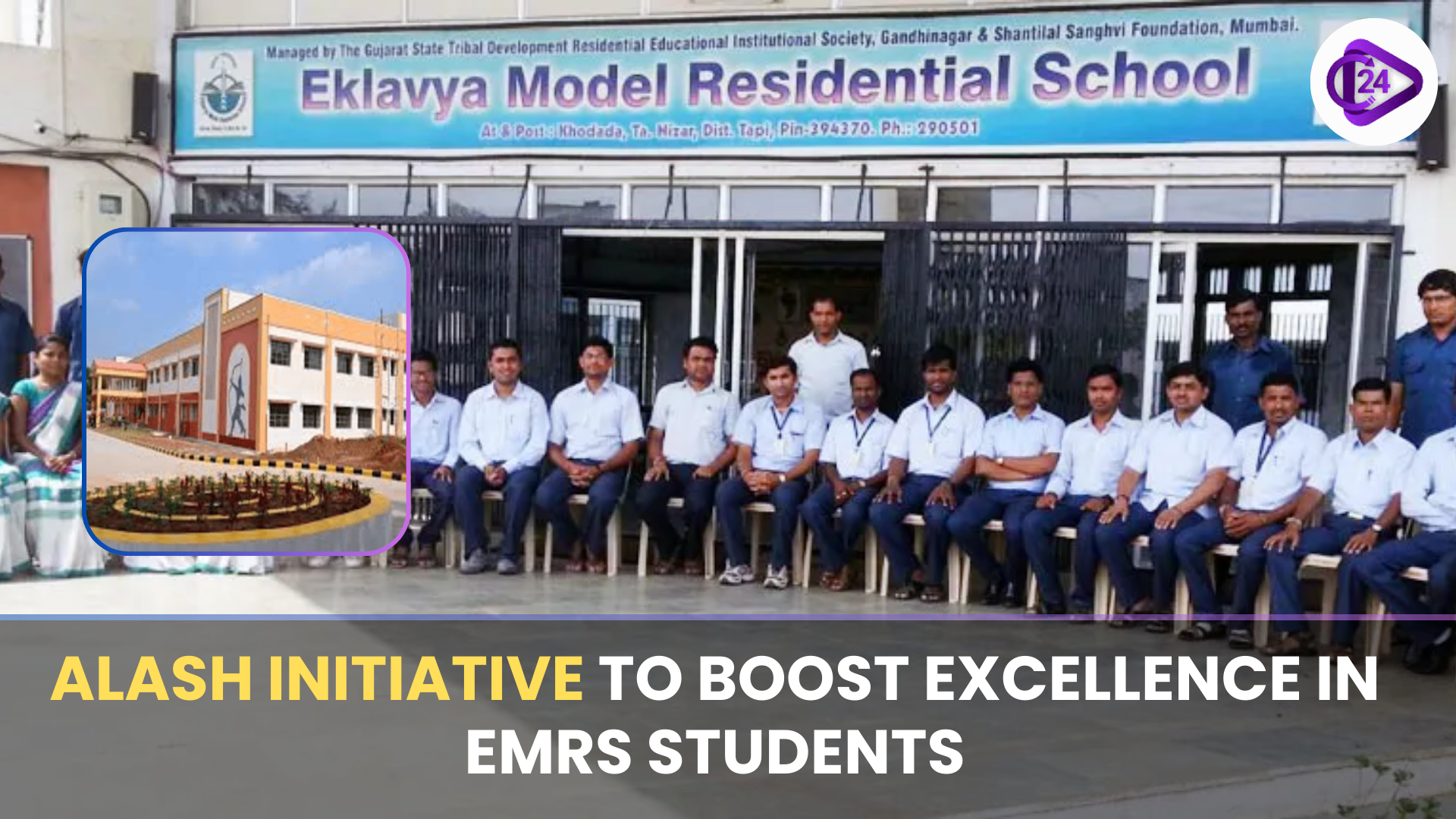
ALASH Initiative Set to Foster Holistic Excellence Among Eklavya Model Residential Schools Students

UNICEF India has its first intensive intervention in collaboration with the National Education Society for Tribal Students (NESTS). The TALASH (Tribal Aptitude, Life Skills and Self-Esteem Hub) was launched to support the overall development of students in Eklavya Model Residential Schools (EMRSs). The program will focus on the scholastic and behavioral development of the tribal learners in India promoting self-development, life skills and clarity of career.

Context

  • TALASH, which is a digital platform, is meant to assist more than 1,38,336 tribal students enrolled in EMRSs in India in revealing their strength, life skills, and career-based decision-making. 

  • The project involves psychometric testing, career guidance, life skills and e- learning materials on educationists, making it comprehensive in the development of students.

Key Points

Target Beneficiaries:

  • TALASH will empower more than 1, 38, 336 students belonging to 28 States and 8 Union Territories that are located in Eklavya Model Residential Schools (EMRSs).

  • This program should have effects on the students in the tribal regions, where the main emphasis is made on their academic and personal progress.

Important characteristics of TALASH:

  • Psychometric Assessments: They are assessments that allow the student[s] to determine their strength and career interests, as done in the case of Tamanna by NCERT. Students are provided with Career Cards, with the best career options proposed to them, according to abilities.

  • Career Counselling: The site assists students to integrate their career ambitions to match with their talents, and it equips them of how to make an informed decision.

  • Life Skills and Self-Esteem Modules: TALASH will provide the students with training in life skills such as problem-solving, communication, and emotional aid, to uplift the self-esteem and self-worth of the students.

  • E-Learning for Teachers: A dedicated portal training the teachers with materials to be able to help the students grow in their academic and personal life process.

Phased Rollout:

  • Smooth implementation will be done through the introduction of TALASH initiative in selected cities. It will be deployed in every EMRS by the end of 2025 with care to tribal students across the country.

  • To date 189 out of 75 EMRSs trainers have been trained and are conducting training in their respective schools.

Ongoing Improvements:

  • A constructive feedback and reviews done regularly will help TALASH to develop continuously in the future as well, satisfying the individual requirements of the EMRS students as well as having sustainable success.

About Eklaviya Model Residential Schools (EMRS)

Overview

  • Purpose: To work towards the attainment of a goal to provide quality residential education to the students belonging to the Scheduled Tribes (ST) and classes VI-XII in remote areas to fill the educational gap existing between the general population and tribal population.

  • Launched: 1998, redone in 2018-19 with an eye to outreach and facilities.

  • Target: The aim of EMRS to set up 728 EMRSs within India through 2026.

Key Features:

  • Co-educational : free education up to XII.

  • Curriculum: CBSE-based and oriented to the local culture, sports and skill advancement.

  • Infrastructure: Comprises classrooms, hostels, playgrounds, labs and accommodation of the staff.

  • Capacity: 480 students in a school, 50 per cent seats to boys and 50 per cent seats to girls.

  • Reservations: 10 percent of seats to non ST students, 20 percent sports quota to deserving ST students.

Conclusion

The TALASH program is a great stride in the direction of overall growth of the students of India who belong to the tribal community. Their initiative to empower young tribal people through career readiness, life skills, and self-esteem is meant to bridge the gap that has existed in the tribal communities and lead the next generation of the tribal leaders. TALASH will complement the learning process of Eklavya Model Residential School (EMRS) students and help to exponentially improve the Indian education system to be more inclusive and equitable because of its phased implementation.

Indian Navy to Commission Indigenous Diving Vessel ‘Nistar’

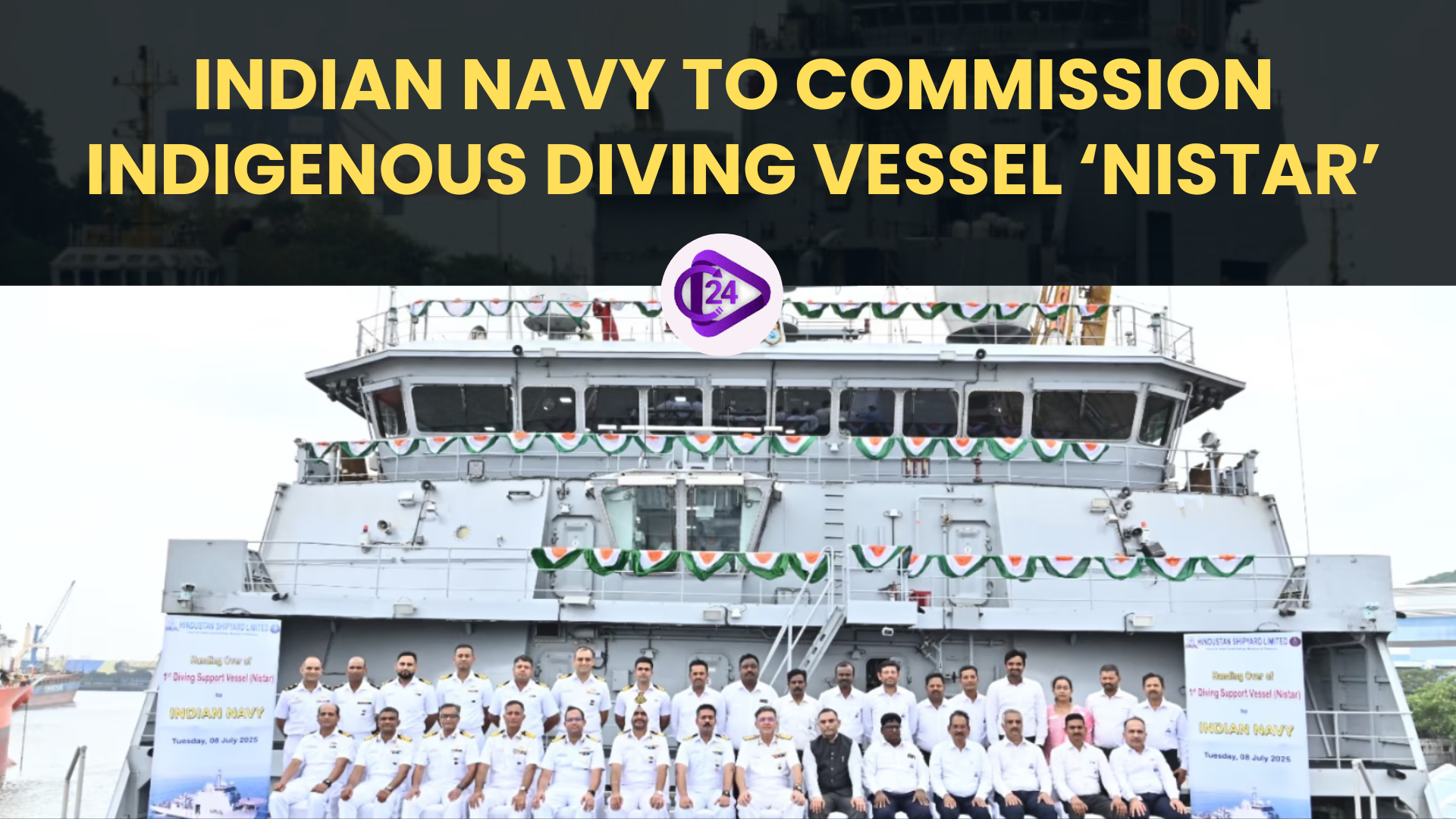
On 18 July 2025, the Indian Navy will commission the first of its kind Diving Support Vessel (DSV) also named Nistar at the Naval Dockyard, Visakhapatnam. The vessel was formally inducted into the Navy with this momentous occasion graced by the Honorable Raksha Mantri Shri Rajnath Singh. The vessel is an indigenous design and build of Hindustan Shipyard limited Visakhapatnam. Mainly the ship will be used in deep-sea diving and submarine rescue missions under the eastern naval command.

Context

  • Nistar, the first indigenous Diving Support Vessel, will be commissioned into the Indian Navy on 18 July 2025.

  • The ship, which was designed and built in India, will help the Navy increase its capacity in deep-sea diving and submarine rescue missions and this will add on to Indian strategic maritime positioning.

Key Points

Indigenous Construction:

  • Designed and built HSL, Visakhapatnam with indigenous content of more than 80 per cent, the vessel is designed to enhance and increase DP usages.

  • The construction involved collaboration with 120 MSMEs, which reflects India self-reliance in generating defense products and the Aatmanirbharta.

Ship Specifications:

  • Length: 120 meters

  • Displacement: over 10,000 tons

  • They are equipped with a Dynamic Positioning System, which makes it capable of staying at one place with extreme accuracy.

  • Has an on board diving complex with its Air and Saturation Diving Systems, Remotely Operated Vehicles (ROVs), and Side Scan SONAR.

Operational Capabilities:

  • Deep Submergence Rescue Vehicle (DRV) Mother Ship the acquisition of which has greatly increased the preparedness of India and its submarine rescue capabilities.

  • Equipped with essential medical facilities such as an Operation Theatre, Intensive Care Unit, Eight Bedded Hospital, Hyperbaric Medical Facilities among others.

  • Staying Power: Ability to remain off-shore taking more than 60 days with the capability of handling helicopters.

  • It has a 15-ton subsea crane which gives diversity to the functions of the vessel.

Legacy of former Nistar:

  • A submarine rescue vessel of USSR the ex-Nistar was in service during 1971-1991, as well as the important work of diving and submarine rescue.

  • Its legacy is kept by the new Nistar with its motto Surakshita Yatharthta Shauryam (Deliverance with Precision and Bravery).

Strategic Significance:

  • The delivery of Nistar will increase India readiness in the underwater arena, which strengthens its tactical position in the Indian Ocean Region.

  • The vessel will be posted under the Eastern Naval Command, to enhance the Indian prowess in maritime security and rescue services.

Conclusion

The launching of Nistar can be described as a significant step towards enhancing India’s defense system, especially submarine rescue and deep sea diving missions. The blend of state-of-the-art features coupled with its indigenously constructed design will be central in enhancing the combating capability of the Indian Navy and their strategic maritime activity in the Indian Ocean Region.

India to Host Shooting World Cup and Junior World Championship

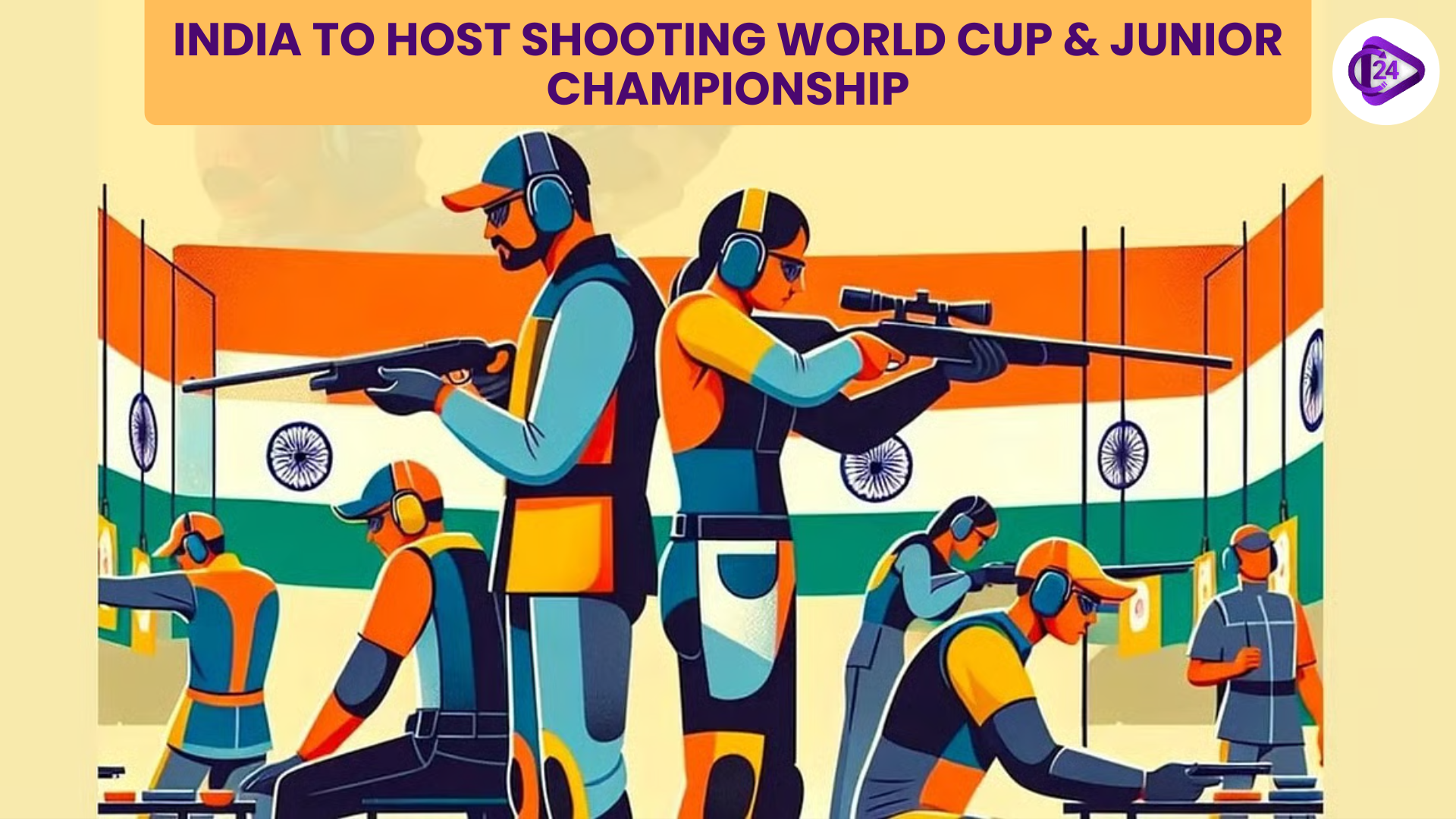
India has just been given the privilege to have the Shooting World Cup in 2027 and World Junior championship in 2028. The National Rifle Association of India (NRAI) made this announcement and this also confirmed that the country shall be hosting numerous shooting sports in the subsequent years that further makes India a major center of global shooting events.

Context

  • The Shooting World Cup of 2027, and the World Junior Championship of 2028 will be hosted in India. 

  • This and a stream of other major shooting competition events are in the agenda of India to cement its position in the international shooting games.

Key Points

Two World Class shooting competitions to be held in India:

  • Events: India has been given the rights to conduct two of the most major ISSF shooting events:

    • Combined World Cup (2027)

    • Junior World Championships (2028)

  • Place: These will take place in New Delhi where the Dr. Karni Singh Shooting Range will be used.

Upcoming Events:

  • This year in September-October Junior World Cup (Rifle/Pistol/Shotgun) will also be held in New Delhi.

  • Next year the ISSF World Cup (rifle, pistol and shotgun) will be hosted with the date to be announced.

  • History: India has already staged the ISSF World Cup in 2021 before Tokyo Olympics and in October 2024 of World Cup Final.

Shooting League of India:

  • The Shooting League of India which will be an event where the best International shooters will compete in a new format will be held in Delhi in November this year.

Strategic Importance:

  • Such international championships are considered as an important benchmark of preparation for the Los Angeles Olympics, which offers a good exposure and competition experience to Indian shooters.

  • The regular international competitions scheduled should improve the training of senior athletes and give the juniors an in-priceless access to the international elite level competition in their country.

About ISSF

Overview

  • Founded: July 17, 1907

  • Headquarters: Munich, Germany

  • President: Luciano Rossi (elected in December 2022)

  • Secretary General: Alessandro Nicotra di San Giacomo (appointed in February 2023)

Shooting Disciplines

  • The ISSF sanctions five primary shooting disciplines:

    • Pistol

    • Rifle

    • Shotgun

    • Running Target

    • Target Sprint

Most sports have different men and women events in individual, team and mixed-team events.

Major Competitions

  • ISSF World Cup: A series first held in 1986 which became one of the ways to qualify for the Olympics.

  • ISSF World Championships: These are the best events organized in alternate years and are based on rifle, pistol and shotgun weaponry.

  • ISSF Junior World Cup: A place of training young talent to emerge, where events are planned in such planned destinations as Suhl (Germany) and New Delhi (India) in 2025.

Conclusion

The hosting of Shooting World Cup 2027 and Junior World Championship 2028 and the introduction of the Shooting League of India in India solidifies India in the mainstream of the shooting sports world. Not only do the events add up to the image of India, these events also give the Indian shooters an opportunity to compete at the international level and shoot better in the future Olympics and other international events such as the upcoming Los Angeles Olympics.

Google Unveils AI Innovations to Make Agri Practices More Data-Driven, Efficient

The innovations that Google is introducing to India are focused on the enhancement of the country's agriculture using recent open-source AI solutions but with one caveat making AI models more sensitive to the linguistic and cultural diversity of India. The company introduced the Agricultural Monitoring and Event Detection (AMED) API that will give live information on crops and field activity in India. Through this project (and partnership with IIT-Kharagpur), this is set to boost the local ecosystem and lead towards sustainable agricultural development.

Context

  • Google has introduced AMED API to help the Indian agricultural sector with data-driven insights on a real-time basis. 

  • Google, in partnership with IIT-Kharagpur, also wants to create culturally-sensitive AI models capable of addressing the various needs of Indian farmers.

Key Points

  • API AMED Agrarian Surveillance:

    • Use: Heralds important information on crops and field operations which can then be appropriately addressed as a solution to increase agricultural productivity and strength.

    • Impact: Enables agricultural ecosystems to detect and govern the advancement of farming activity.

  • IIT-Kharagpur:

    • Collaboration: Google DeepMind has collaborated with IIT-Kharagpur to create localised datasets that monitors cultural diversity within India.

    • Purpose: The partnership is under the Amplify Initiative to ensure that AI models are more sensitive to problems of agriculture in specific countries.

  • Localizing AI in Agricultural Context:

    • Improved AI models: AMED Initiative will improve AI models to produce granular, real-time data that is essential to agricultural success, particularly in the climate-risky environment.

    • Objective: Adapt AI solutions to India in the most appropriate ways in response to the unique demands and problems of agriculture in the country.

  • The role of Cultural Context in AI:

    • Cultural Relevance: Madhurima Maji pointed out that AI has to be geared towards recognizing localized cultural contexts that are so rich in India in order to be functional among farmers.

    • Objective: It is to incorporate local knowledge into AI models, which will be more effective and helpful to the farming community.

How AI is Revolutionizing Indian Agriculture?

  • Smart Irrigation:

    • Optimization of water by using an AI-based analysis of soil moisture and climate.

    • Irrigation systems based on IoT allow the automatic supply of water, and therefore, minimize its losses.

    • Per Drop More Crop, the scheme introduces AI in irrigation systems and makes it more efficient.

  • Pest and Weed Control:

    • National Pest Surveillance System: Pest surveillance on artificial intelligence and real-time notifications.

    • robotic weed identification: AI uses weeds and crops to distinguish them and only uses herbicides when necessary.

  • Economic Impact:

    • Market Growth: AI in the agriculture market is expected to expand at a 19 percent CAGR and will be worth USD 4.7 billion by 2028 because of precision farming and drone analytics.

    • Kisan e-Mitra: AI-based-chatbot that supports farmers with questions in regards to the government schemes such as the PM Kisan Samman Nidhi.

Challenges in AI Adoption:

  • Not Enough Awareness: A vast number of farmers living in rural areas do not know how to utilise AI tools.

  • Excessive Implementation Costs: Major investments that are needed in AI applications such as drones, IoT sensors and automated irrigating provisions are expensive and not affordable by the small farmers.

  • Infrastructural gaps: The low internet speed in the rural regions can make it hard to access artificial intelligence platforms.

  • Data Availability and Quality: Available Data is partial or of low quality and this constrains the influence of AI.

  • Little customization: Majority of AI models are not customized as per the Indian diverse agro-climatic conditions, and cannot be used without detailed research on region specific solutions.

Conclusion

The new AI efforts by Google such as AMED API and the joint project with IIT-Kharagpur will count as a major milestone in the modernization of the Indian agricultural industry. Google is assisting in transforming data into actionable data by making AI models more culturally and contextually conscious, so farmers can overcome challenges such as climate change and drive agricultural productivity throughout the nation.

Supreme Court Directs Election Commission to Consider Aadhaar, EPIC, and Ration Cards for Voter Verification in Bihar

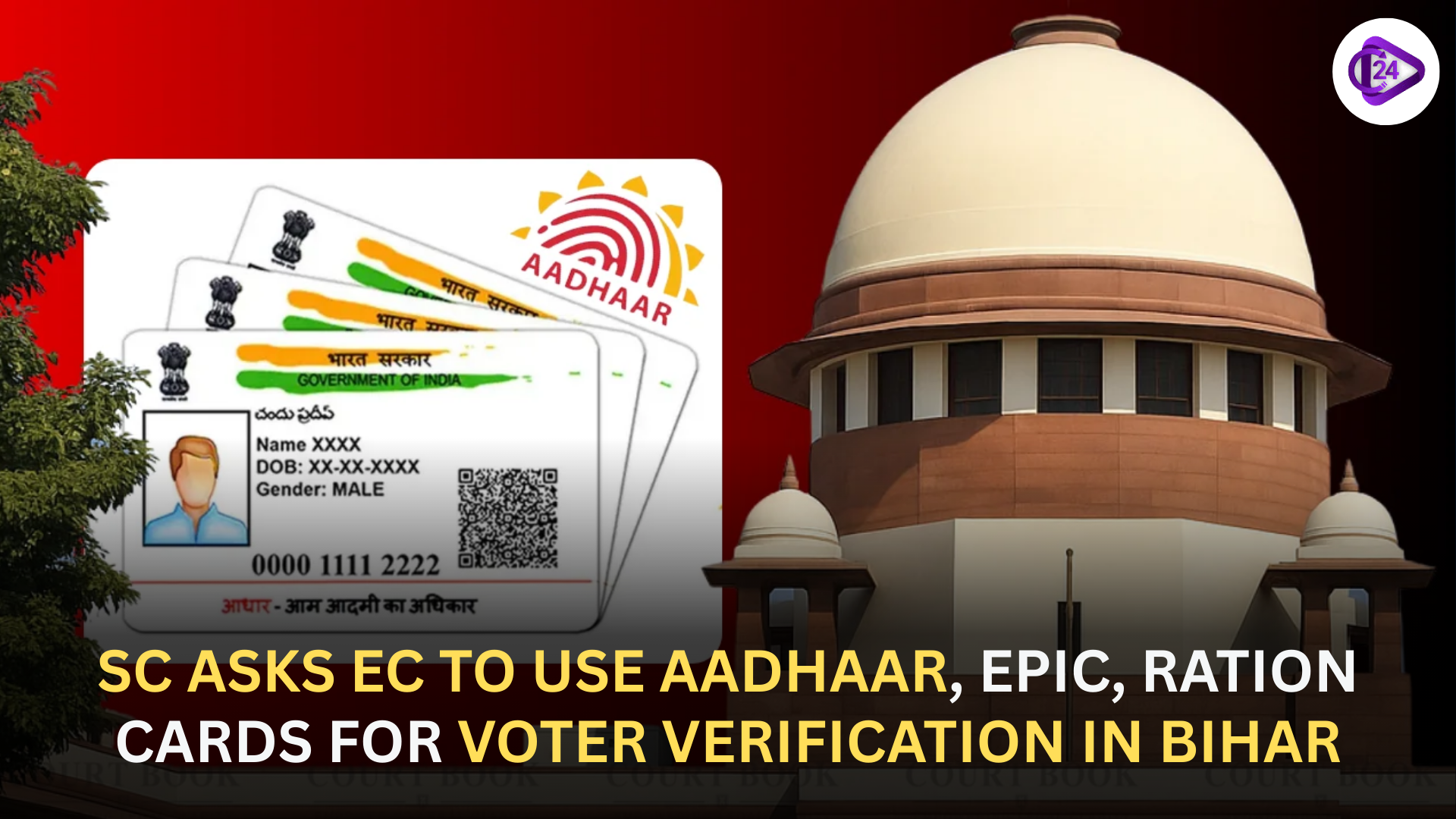
The Supreme Court has guided the Election Commission (EC) to make Aadhaar, which is an Elector Photo Identity Card (EPIC) and ration cards, a valid document to use in voter registration during the current round of special intensive revision (SIR) of electoral roll in Bihar. The court stressed, the list of 11 documents the EC listed to enable verification of voters did not take the form of exhaustiveness, and the permission of the documents would make voter registration more inclusive. The case poses serious questions on voter rights, identity check and the role of the EC.

Context

The Supreme Court has requested the Election Commission of India in their decision to use Aadhaar, EPIC and ration card as valid documents of voter verification in the special revision process going on in Bihar. The court emphasized the gravity of the matter to democracy and right to vote and also questioned the pace and level of the revision underway.

Key details

Court’s Directive on Document Inclusion:

  • Supreme Court Decision: What the Supreme Court has said is that Aadhaar, EPIC and ration cards must be recognized as a valid document to register as a voter.

  • Rationale: The 11 documents given by the Election Commission (EC) were found to be not exhaustive.

  • The Role of Aadhaar: Aadhaar is already well established as a form of identity and plays a very important role in most official proceedings, so it should be used in checking voters before registering.

The objection of EC against Aadhaar:

  • The Argument of EC: Aadhaar is not a document of citizenship because it can be given to non-citizens and ordinary residents.

  • Response of Court: Aadhaar is necessary to verify identity and mostly used to acquire a wide range of documents such as caste certificate.

Key Highlights

What is Aadhaar?

  • What it is: 12-digit identification number issuance by UIDAI used as identity and address proof.

  • Eligibility: Open to all citizens that live in India more than6 months.

  • Features: Biometric document connections with personal information to a government database.

  • Applications: Makes the availability of many government and privately owned services such as banking and cellular links accessible.

What is an EPIC Number?

  • What it is: An alpha numerical ensign voter ID number granted by the Election Commission of India.

  • Purpose: It stops voter impersonation and fraud.

  • Digital Management: This is done through the ERONET platform, automation of the electoral process.

  • Importance: Establishes a connection between a voter and his or her picture, constituency, and a polling station to make sure that electoral registers are maintained correctly.

What is a Ration Card?

  • What it means: It is the formal document given by the state governments to facilitate those households who are entitled to receive subsidised food grains.

  • Purpose: It offers food grains as part of the National food security Act (NFSA) of 2013.

  • The types are Priority Household (PHH), Non-priority Household (NPHH), and once APL, BPL and AY cards.

  • According to the present situation, there are PHH cards and NPHH cards under NFSA.

  • Kinds of Ration cards:

    • Priority Household (PHH): To provide 5kg of food grains per month per person, to those households fulfilling the eligibility criteria.

    • Antyodaya Anna Yojana (AAY): To Aantyodaya families, 35kg of food grains per family per month is to be provided.

    • APL, BPL, AY: Previously, given to households above and below the poverty line, and to old folks. No new ones of these are issued.

Conclusion

The case of the Supreme Court intervening in the revision of the electoral rolls in Bihar states the significance of making the process of voter registration selective and non-discriminative. The court wants to make the process more open and democratic by expanding the list of the documents that can be accepted and now those are not only the passport, but also Aadhaar,EPIC, and ration cards. But there is still uneasiness regarding the rate of change and the possibility of it being used as a form of citizenship screening and there is a need to take a more even handed and transparent approach to revision of electoral rolls.

Frequently Asked Questions (FAQs)

The current affairs cover recent national and international events related to UPSC, SSC, Banking, Railways, and State PCS.

You need to read about the current affairs daily, and revise them every week and every month to keep them longer in your memory.

Yes, Class24 provides free downloadable Daily Current Affairs PDFs for easy revision.

Yes, you can practice MCQs and quizzes to boost your exam preparation.

Absolutely. The content is written in simple, easy-to-understand bilingual language suitable for beginners.

Go to class24.com and click on the current affairs section directly, where you find everything that you need.

ssc-toppers

Start Learning Today with Class24

Related current affairs

Class24 offers free video lectures for smart preparation, covering CGL, CPO, CHSL, MTS, and GD exams. Learn from expert faculty, revise concepts easily, practice with PYQs, and improve speed and accuracy through high-quality, exam-focused video lessons anytime, anywhere.

Get success in your hand. Start study anytime anywhere.

The journey becomes simple and enjoyable when you start taking interest in it. And through our app “Class24”, we will be your trusted partners in developing that interest.

Daily Quizzes
Mock Tests
Ongoing

No ongoing tests right now.