Day: June 24, 2025

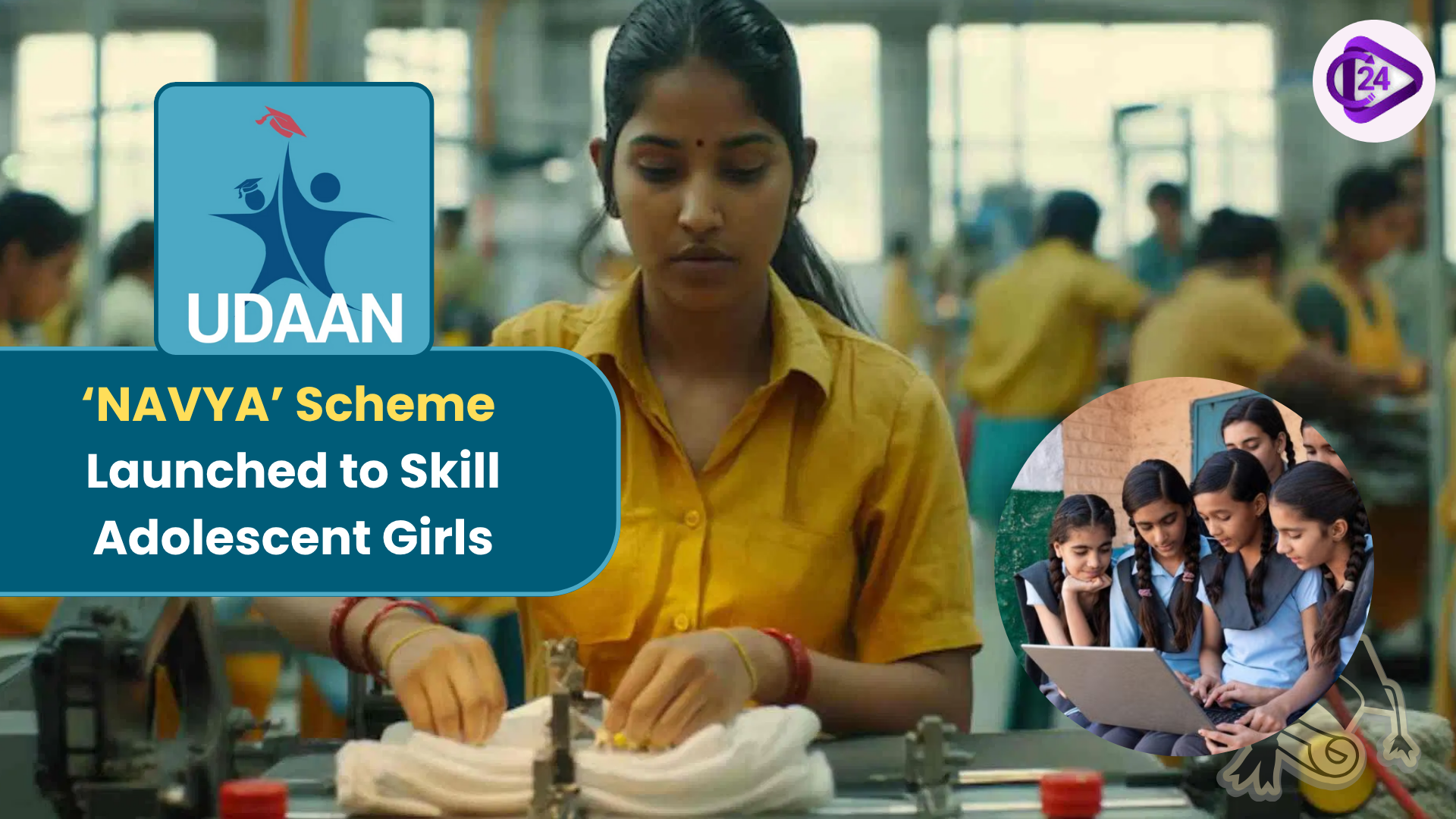
Government to Launch ‘NAVYA’ Pilot Initiative for Skilling Adolescent Girls Under Viksit Bharat@2047 Vision

In accordance with the vision of Prime Minister Narendra Modi of Viksit Bharat@2047, the Ministry of Women and Child Development (MWCD) ensemble the Ministry of Skill Development and Entrepreneurship (MSDE) will introduce the NAVYA (Nurturing Aspirations through Vocational Training to Young teenage Girls) program on June 24, 2025, in Sonbhadra, Uttar Pradesh. The goal of the program is to empower the adolescent girls between the age of 16-18 years by giving them vocational training in non-traditional work skills, in the underprivileged districts of the 19 states. In accordance with inclusive development, NAVYA will be executed in 27 districts incorporating aspirational and northeastern states.

Context

  • NAVYA will give vocational training to underage girls (16-18 years) in non-traditional occupations in 27 conference districts in India. 

  • The launch forms a part of the Viksit Bharat@2047 vision that sets out to make every girl skilled and confident.

Key Points

Objective and Focus:

  • Targets to empower adolescent girls (16-18 years) who have at least studied until Class 10.

  • Attention concentrated on non-conventional work occupations, gender inclusiveness in the variety of fields.

  • In line Viksit Bharat@2047 vision and women led development.

Areas of Coverage and Target:

  • To be implemented in 27 districts in 19 states, such as aspirational and Northeastern territories.

  • Focuses on underserved and non-urban communities in order to make outreach inclusive.

Institutional Collaboration:

  • A collaboration between the Ministry of Women & Child Development (MWCD) and the Ministry of Skill Development and Entrepreneurship (MSDE).

  • Complements the extant programs such as PMKVY and PM Vishwakarma to gain synergy in providing skills.

Certification and Implementation:

  • During training, one also engages in the presence of authorities.

  • Vocational skills will be proved through certification under PMKVY and PM Vishwakarma Yojana.

Developmental Impact:

  • Aims at equipping young women with power and abilities, confidence and career choices.

  • Increases female labor force and aids India in achieving self-sufficiency and inclusiveness as India pledges to reach self-reliant and inclusive in 2047.


Central Government Schemes Girls skill Development and empowerment:

  • Skill India Mission (SIM)

    • Umbrella program to encourage engaging people of different ages, including young women in the development of skills.

  • Pradhan Mantri Kaushal Vikas Yojana (PMKVY)

    • Provides the country with skills training relevant within the industry, emphasising the youth and women.

  • PM Vishwakarma Yojana

    • Seeks to enhance the traditional artisans and other craftspeople, both men and women, by training them and certifying them.

  • Mahila Shakti Kendra (MSK)

    • To empower women in villages, creating participation by the villagers and training women on skills at the district and block level.

  • Beti Bachao Beti Padhao (BBBP)

    • Although the scheme is mainly educational and survival based, it also helps in empowering girls.

  • Deen Dayal upadyaya grameen Kaushalya Yojana (DDU-GKY)

    • Provides skill training to young people in rural areas (15 to 35 years) and 33 percent seats will be reserved to women.

  • Samarth (Scheme to develop Capacity Building in Textile Sector)

    • Resorts to the task of skilling women in textile related jobs.

  • Vocational Training to Women (STEP)

    • Offers skills and jobs in both traditional and non-traditional types to female individuals 16+ years of age.

Conclusion

The NAVYA project is a significant component in helping adolescent girls, and those depending on underserved areas acquire vocational skills and self-assurance. With this endeavor, India paves the path towards women empowerment and inclusive progress towards a self-sufficient future Again. The government seeks to open new horizons to women, shattering the barricades that are in place so that young girls can get into the non-traditional job contracts by providing opportunities, which is a part of the vision of Viksit Bharat.

India Joins Ireland and Canada in Remembering Victims of Air India Kanishka Bombing on 40th Anniversary

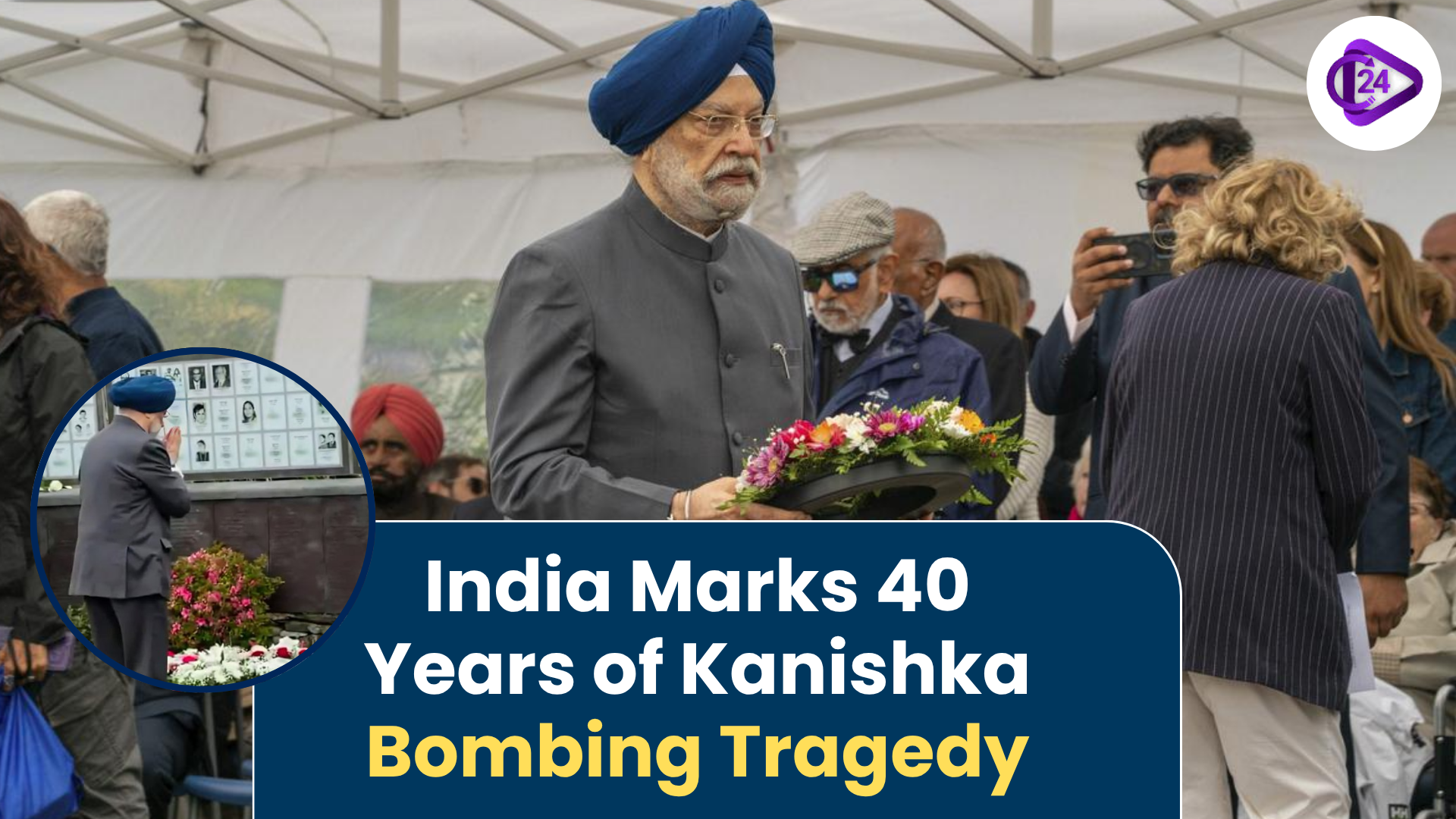
Along with Canada and Ireland India celebrated the 40 th anniversary of the Air India Flight 182 (Kanishka) bombing which took place on June 23, 1985. It was a bomb planted by Canada-based terrorists who killed 329 of them including more than 80 children. There was a commemoration in Ahakista, Ireland, to which Union Minister Hardeep Singh Puri asserted that the world must be united in a bid to counter terrorism because it is a current threat. He also encouraged Canada to team up with India when it comes to the fight against terrorism and improving intelligence cooperation and counter-radicalization sprees. The incident was a painful reminder that the world should continue cooperating to deal with terrorism.

Context

  • As a commemoration event, which occurred on the 40 th anniversary of the Air India Kanishka bombing, India, Ireland, and Canada united to memorialise the victims. 

  • Hardeep Singh Puri urged the world to unite against terrorism and partner India and Canada more.

Key Developments:

The Tragic Incident & its Consequences:

  • Covered date: June 23, 1985 – Canada based terrorist bomb Air India Flight 182.

  • Casualties: 329 individuals died, of which more than eighty are children.

  • Nature: Terrorists act with intentions.

Indian Response to Terrorism- GLOBAL APPEAL INDIA:

  • Minister Hardeep Singh Puri: Called on the world to support it in fighting terrorism.

  • Key Points:

    • Terrorism is a constant world problem.

    • India has been long worn out- Jammu & Kashmir, Punjab, Mumbai attacks.

    • They reported that death cases related to terror increased globally by 22 percent in the year 2024.

India-Canada Partnership:

  • Regions of cooperation are demanded.

  • Intelligence sharing.

  • Counter-radicalization strategies.

  • Interruption of the terror funding.

  • Stressed on very strong cultural and economic connections as the foundation of closer collaboration.

Remembering & International solidarity:

  • Place of the Event: Ahakista, Ireland.

  • The ceremony was attended by the Irish PM Micheal Martin, Canadian Minister Gary Anandasangaree and first responders.

  • Puri appreciated the help of Ireland to the victims' families.

  • India Ireland Relations: The relations have improved since the tragedy; bilateral trade between the two countries has reached 16 billion USD (2023).

Sermon of Solidarity and will:

  • Tribute reaffirmed the idea to combat terrorism all over the world.

  • Laid stress on the idea that hate and terror cannot conquer humanity, democracy and friendship.

Conclusion

The 40th anniversary of the Air India Kanishka bombing was a memorable moment on the horrible effects of the terrorism. The commemoration strengthened the cooperation of the world to fight against terrorism and provide good bilateral relations between nations such as India, Canada, and Ireland. The message of unity and determination that was delivered by Hardeep Singh Puri underlined that the battle against terrorism should be fought united and should remain committed towards the ideal of peace, democracy, and humanity.

Tripura Becomes the Third State to Achieve Full Functional Literacy Under ULLAS Scheme

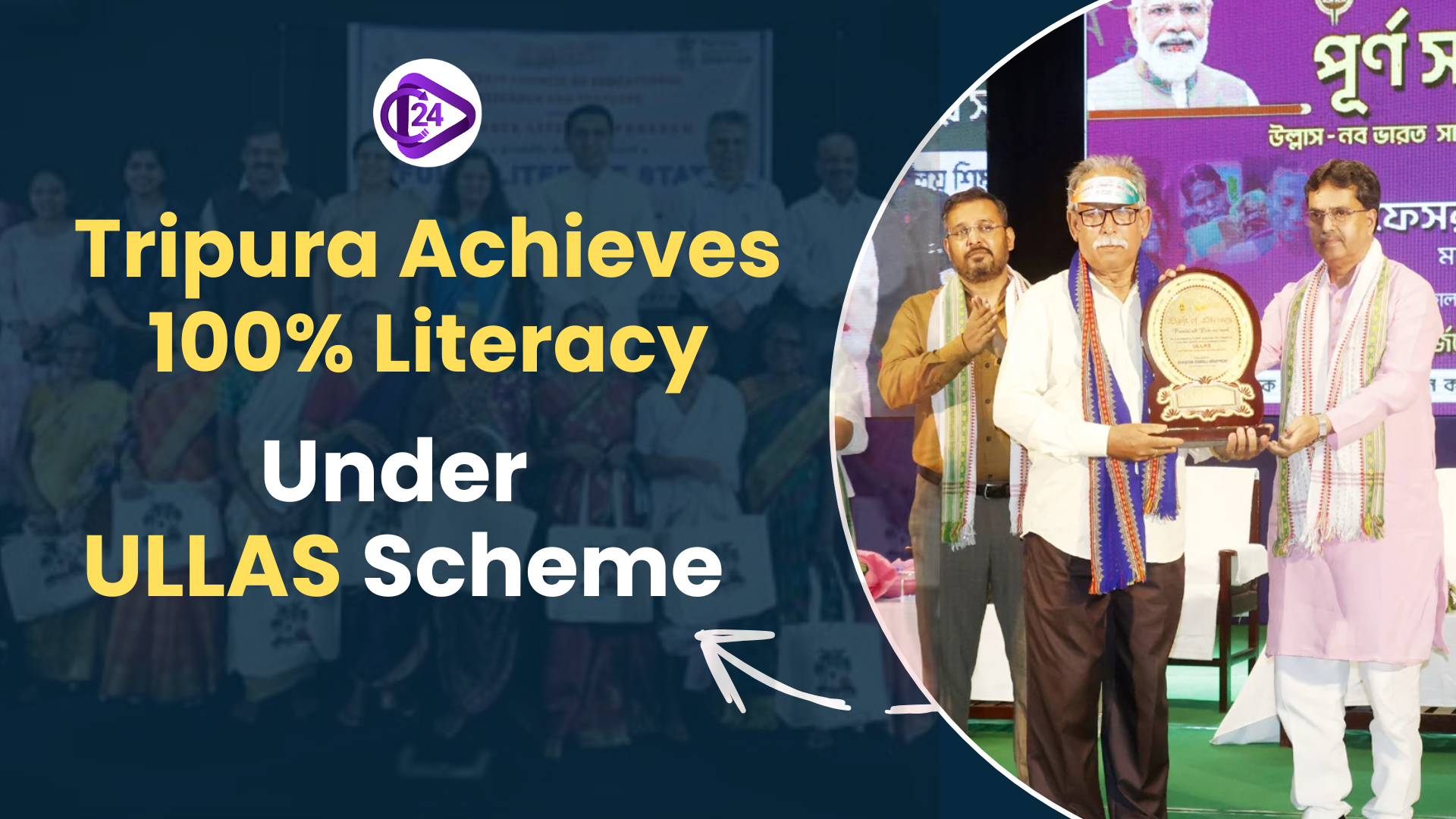
Tripura was made a 100 percent literate state under the ULLAS – Nav Bharat Saksharta Karyakram (New India Literacy Programme ) and it became the third state in India, after Mizoram and Goa, to obtain this status. The literacy in the state was at an all time high where this had increased by 95.6% compared to the 20.24% in 1961. Celebration Of The Achievement In a ceremony that was attended by Chief Minister Prof. Manik Saha, officials of the Ministry of Education. The success of the same is due to the effective implementation of the ULLAS, which aims at adult education, in line with the National Education Policy 2020.

Context

  • Tripura boasts of full functional literacy of 95.6% all because of the ULLAS scheme which focused on adult literacy. 

  • It is a major leap in the education development of India through the vision of National Education Policy 2020.

Key Points

ULLAS Program

Objective:

  • It was introduced in 2022 as the New India Literacy Programme.

  • Addresses core literacy, numeracy and life skills of adults (15+ years).

  • Engages in digital learning through the ULLAS mobile application on community participation.

Effect in Tripura:

  • The level of literacy was also increased as compared to the national standards, the level of literacy was 20.24% in 1961 which increased to 95.6%

  • Tripura announced itself a 100% literate state- a great landmark of North-East India.

Participation of Community and Government:

  • The stimulating factors included volunteers, pretextural leaders and education leaders.

  • Grass roots mobilisation and door-to-door surveys played an important role.

  • As per the vision of PM Modi on inclusive education that is Viksit Bharat@2047.

Acknowledgement & Awards:

  • Rabindra Satabarshiki Bhawan, Agartala declared full literacy status.

  • There was recognition of the collective work and of ULLAS work by CM Prof. Manik Saha.

National Model:

  • The success of Tripura presents a model that can be replicated or copied by the other states and UTs.

  • Lays stress on Jan Bhagidari (participation of people) and Kartavya Bodh (sense of duty).

  • Makes credible the role of community based adult literacy in nation building.

100% literacy states in India

  • States that are 100% Functional Literate under ULLAS (June 2025):

    • Mizoram

    • Goa

    • Tripura

Conclusion

The realization of full functional literacy in Tripura is a case in point to say that the ULLAS programme has worked in empowering the adult population with basic literacy and numeracy competencies. The milestone strengthens the state in terms of its investment in inclusive education and sets a good example to other states to replicate as they move towards being literate and empowered. The emphasis on community mobilization and digital learning underlines the need for collaborative work toward the accomplishment of the goals of national education in the National Education Policy 2020.

‘Beej Utsav’ Celebrates Indigenous Seeds and Agricultural Sustainability Across 3 States

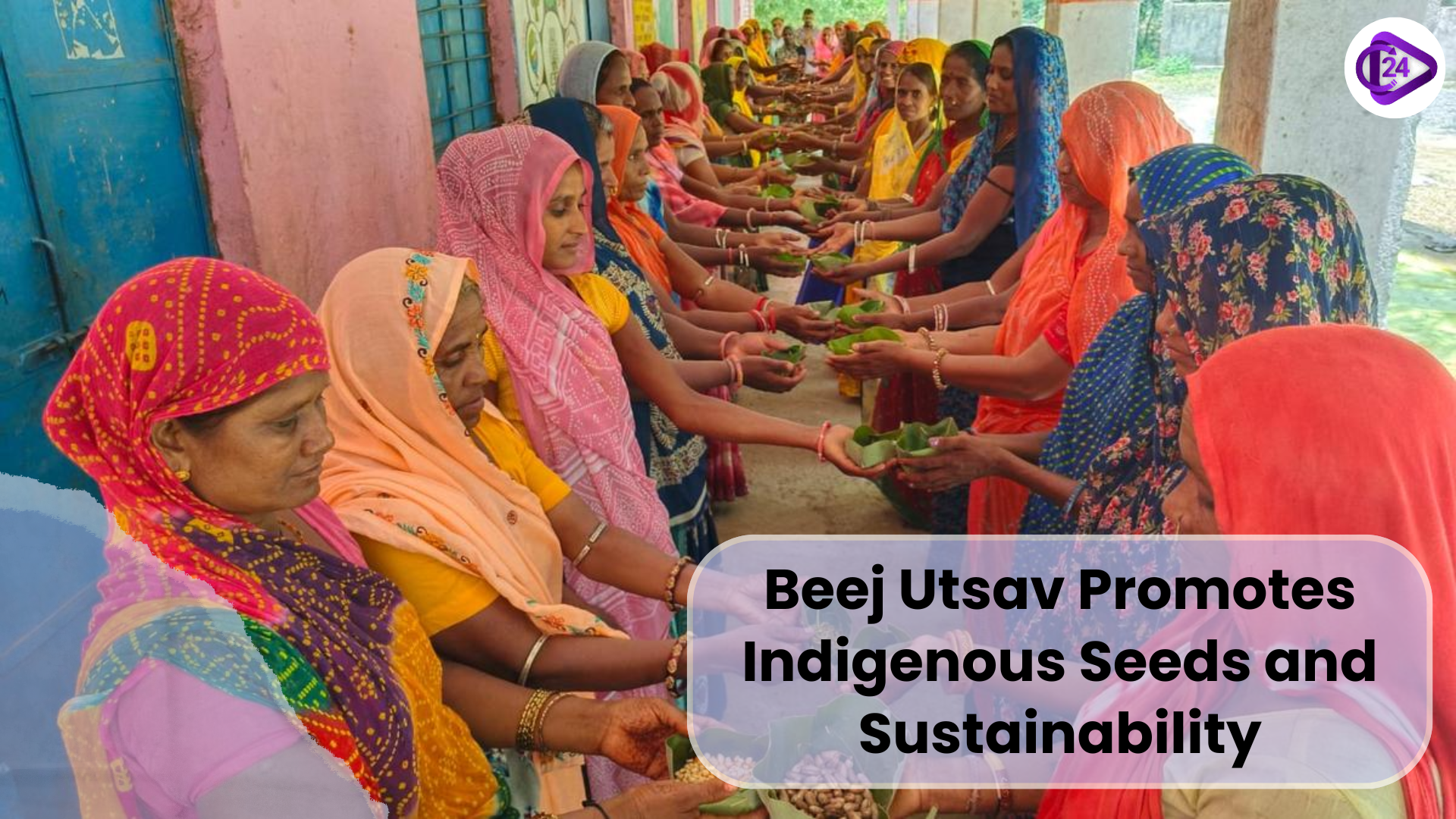
In the tribal areas in the states of Rajasthan, Madhya Pradesh and Gujarat, the seed festival or the Beej Utsav was celebrated in four days highlighting the role of indigenous seeds in ensuring agricultural sustainability. More than 9,400 tribal community members, including women and children, came across the techniques of preservation and utilization of indigenous seeds and to know the importance of preserving seeds in the context of maintaining biodiversity and ensuring climate resilience. There were activities like Beej Samvad (seed dialogue), seed balls and plantation drives at the festival. Independent community institutions such as Vaagdhara were very instrumental in the organizing of the event.

Context 

  • In the states of Rajasthan, Madhya Pradesh and Gujarat, the agenda of Beej Utsav was the maintenance of indigenous seeds to ensure sustainability of farms. 

  • The focus of the festival was intended to be to make people aware of the heritage of seeds, biodiversity and climate-friendly farming methods.

Key Points

  • Objective:

    • The festival aimed to highlight the importance of indigenous seeds in sustainable agriculture and promote community-led seed systems.

    • Allow tribal people to regain seed sovereignty.

  • Participation and coverage:

    • More than 9400 tribal members took part in it.

    • Took place in 60 panchayats and in Indian states.

  • Key Activities:

    • Beej Samvad -Seed preservation quotes.

    • Biodiversity fairs – Exhibition of local seed types.

    • Seed ball preparation-plantation drive- promote environment-friendly cultivation.

  • Honors & Awards:

    • Such arrangements were naming certain farmers as seed-saving Beej Mitra and Beej Mata.

    • In a bid to show appreciation to seed heritage custodians.

  • Institutional Involvement:

    • Organisers: Krishi Evam Adivasi Swaraj Sangathan, Gram Swaraj Samooh, Saksham Samooh, Bal Swaraj Samooh.

    • Backed by Vaagdhara (NGO of Rajasthan).

  • What is the meaning of Indigenous Seeds?

    • The kids are regarded as cultural representations of strength and identity.

    • Provide resilience to climate, nutrition and diversity.

    • Demand transition to community-based systems, away from hybrid and market dependent seeds.

What are Traditional Seeds? 

Definition:

  • Indigenous crop strains farmed, preserved, and traded by farmers through generations.

  • Open-pollinated: able to replenish without losing genetic structure (as hybrid/GM seeds).

Major Properties of Conventional Seeds

  • Genetic Diversity:

    • Adjusted to the place (land, climate, pests).

    • E.g.: Eastern India with flood resistant traditional varieties of rice.

  • Climate Resilience:

    • Resist natural calamities like droughts, floods and pests.

    • E.g.: Desi cotton consumes 70% less water as compared to Bt cotton.

  • Minimum Input Need:

    • Grow flourishing with no artificial fertilizer or pesticides.

    • Affordable to small farmers.

  • Nutritional Value:

    • It is high in antioxidants, fiber and micronutrients.

    • E.g.: 3 times more calcium of ragi (finger millet) than that of milk.

  • Cultural and Ecological Meaning:

    • Inherent dinners in tribal fare, and in tribal fests in addition to agroecology.

    • Represent food sovereignty and Indigenous knowledge.

Significance of traditional seeds in India

  • Biodiversity Conservation:

    • Retain special genetic material which is essential in food security.

    • E.g.: Pokkali rice (Kerala) is found in salty water.

  • Climate Adaptation:

    • Able to withstand unpredictable climatic conditions and new pests.

    • e.g.: Bhut Jolokia (Assam) likes the humid environment.

  • Nutritional Security:

    • Greater meal fiber and micronutrients.

    • E.g.: Kodo millet contains 3x more fiber in comparison with wheat.

  • Farmer Autonomy:

    • Less reliance on seeds bought on the market.

    • E.g.: 80% of the cotton growers now depend on the expensive GM seeds.

  • Health and Sustainability of the Soil:

    • Increase the fertility of soil and ecological balance.

    • E.g: The Red Rice (Manipur) fertilizes the soil naturally.

Conclusion

The ‘Beej Utsav’ seeks to highlight the importance of indigenous seeds in the sustainability of agriculture especially in the tribal agricultural societies. The festival is directly contributing to the traditional agriculture in the community after popularizing the idea of preserving seeds within the community that is also eco-friendly but culturally relevant to the society. Such a project can become a successful example of the struggle against the problems of climate change and world food safety.

Frequently Asked Questions (FAQs)

The current affairs cover recent national and international events related to UPSC, SSC, Banking, Railways, and State PCS.

You need to read about the current affairs daily, and revise them every week and every month to keep them longer in your memory.

Yes, Class24 provides free downloadable Daily Current Affairs PDFs for easy revision.

Yes, you can practice MCQs and quizzes to boost your exam preparation.

Absolutely. The content is written in simple, easy-to-understand bilingual language suitable for beginners.

Go to class24.com and click on the current affairs section directly, where you find everything that you need.

ssc-toppers

Start Learning Today with Class24

Related current affairs

Class24 offers free video lectures for smart preparation, covering CGL, CPO, CHSL, MTS, and GD exams. Learn from expert faculty, revise concepts easily, practice with PYQs, and improve speed and accuracy through high-quality, exam-focused video lessons anytime, anywhere.

Get success in your hand. Start study anytime anywhere.

The journey becomes simple and enjoyable when you start taking interest in it. And through our app “Class24”, we will be your trusted partners in developing that interest.

Daily Quizzes
Mock Tests
Ongoing

No ongoing tests right now.