

Day: May 17, 2025

Supreme Court Directs Urgent Establishment of Exclusive POCSO Courts Across India

Recognizing delays in trialing sexually abused children, the Supreme Court requested the creation of POCSO courts in all Indian districts. It pointed out the need to set up two special courts in districts having more than 300 pending cases and reminded the nation of the 2019 guideline to establish one court for those districts that oversaw 100 or more FIRs. Its aim is to boost the speed of trials, reduce the backlog, and support the child-friendly approach set out under the POCSO Act, 2012. Bihar, Tamil Nadu, Maharashtra, Uttar Pradesh, Odisha and West Bengal were picked out as requiring quick attention. India’s government is making a stronger promise to follow child rights and international treaties such as the UN Convention on the Rights of the Child (UNCRC).

Context 

  • The POCSO Act was introduced to keep children safe from sexual offences and give them fast justice. 

  • The Supreme Court has intervened because the slow process in the courts hindered the goal.

Key Points

Background:

  • The POCSO Act, 2012 offers a simple way for children to report and the quick trial of offences against them involving sexual abuse.

  • Trials are meant to finish one year after the initial arrest, but delays happen due to a lack of special courts.

Supreme Court Observations:

  • Most delays arise because there aren’t enough exclusive POCSO courts.

  • Officers handling investigations should be reminded and make sure the process of filing charge sheets takes a reasonable time.

  • In any district that has 300 or more cases pending, there should be two exclusive POCSO courts.

  • Only POCSO courts will follow the directive that states one court should cover all POCSO cases for districts with more than 100 FIRs.

Current Status:

  • Across the country, many states have created courts that are funded in the center.

  • A lack of courts is causing Bihar, Tamil Nadu, Maharashtra, Uttar Pradesh, Odisha and West Bengal to have a serious number of cases backlogged.

What is the POCSO Act?

About:

  • After India signed the UN Convention on the Rights of the Child (UNCRC) in 1992, the POCSO Act- The Protection of Children from Sexual Offences, took effect on November 14, 2012. 

  • It is a unique law that tries to handle any sexual abuse or exploitation of children where other laws have failed to be precise. 

  • According to the Act, a child means anyone under 18 years, and penalties are chosen based on the type of crime. Stricter laws were added to the statute in 2019, and now aggravated sexual assault on children is punishable by death. 

  • The Government also made the POCSO Rules, 2020, official to ensure all processes are clear.

Key Features:

  • Gender-Neutral: The system provides equal protection and treatment, knowing that boys and girls may suffer from sexual abuse.

  • Ease of Reporting: This system encourages both people and organizations to report crimes, showing offenses are caught if no report is made and hide every single one.

  • Explicit Definitions: Makes it clear what is meant by sexual assault and other offences, adds stiffer minimum penalties and outlaws collecting child pornography.

Issues and Problems with the POCSO Act:

  • A lack of women police means it is sometimes hard to record what the child says as the law requires.

  • Common investigation errors are hurting the scene of a crime and inaccurate or incomplete documentation of evidence.

  • It is rare for judicial magistrates to confront or punish anyone for pulling back from their testimonies.

  • No accepted way to determine a child’s age as a victim; reliance on unreliable school records.

  • Forensic and resource limitations have resulted in investigation taking longer than the allowed one-month timeframe.

  • Since courts usually do not assume guilt, there are fewer convictions even if the victim is underage.

Initiatives to Curb Child Abuse

  • Child Abuse Prevention and Investigation Units are operating in many different states.

  • Beti Bachao Beti Padhao is a campaign that seeks to better the lot of girl children.

  • Adoption of Juvenile Justice (Care and Protection of Children) Act, 2015.

  • Implementing the Child Marriage Prohibition Act from 2006 and the Child Labour (Prohibition and Regulation) Act from 2016.

  • Creating Special POCSO Fast Track Courts to make trials move more quickly.

Way Forward

  • Increase Women's Representation in Police: For all POCSO investigations to be child-friendly.

  • Adequate Funding and Resources: For fast, effective investigations, forensic support, and help to victims.

  • Specialized Training for Investigators: On gathering evidence, interviewing kids, the role of the law, and caring for trauma victims.

  • Establish More Dedicated POCSO Courts: To lower the number of cases pending and increase trial efficiency.

  • Legal Reforms: To make sure the regulations on finding a child’s age and court procedures are better defined.

  • Enhance Victim Support Mechanisms: Providing counseling, support for victims and care for witnesses to help in justice procedures.

Conclusion

The call by the Supreme Court to create only POCSO courts is an important reform that helps victims of child sexual abuse get justice faster. Requirements of special infrastructure and informing stakeholders increase the success of the POCSO Act and prove that India is dedicated to supporting vulnerable children and responding to their needs in time.

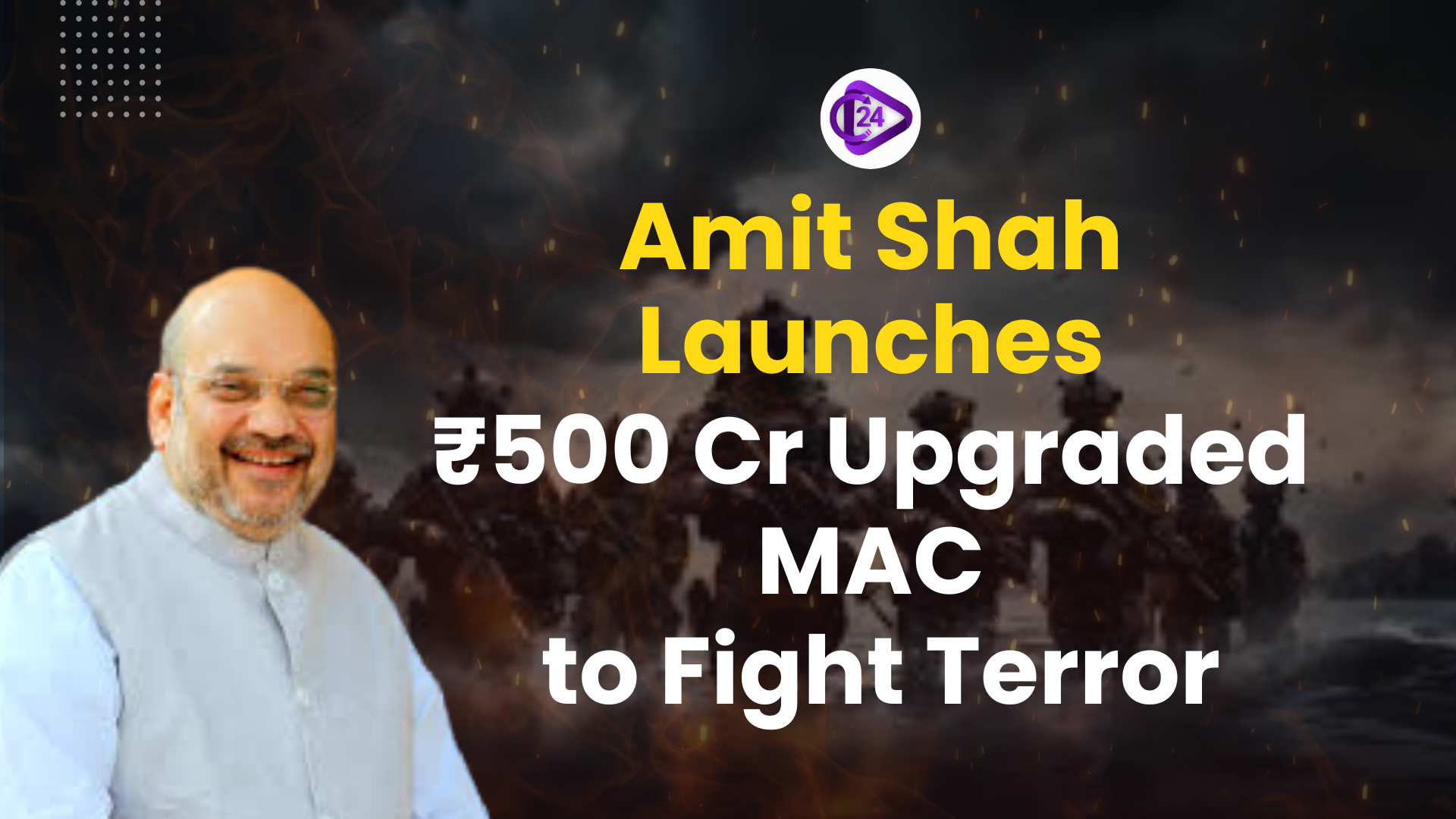
Amit Shah Inaugurates Upgraded ₹500 Crore Multi Agency Centre (MAC) to Combat Terrorism

As part of the Intelligence Bureau, the newly improved Multi Agency Centre (MAC) links 28 security and intelligence agencies, among which are the RAW, CAPFs and State Police, onto an AI-backed common platform. It was made with an investment of ₹500 crore and makes use of modern technology such as Artificial Intelligence (AI), Machine Learning (ML) and Geographic Information System (GIS), for immediate information exchange, prediction and identifying problem areas. The MAC seeks to boost India’s handling of terrorism, left-wing extremism, threats from the internet and organized crime by making sure agencies cooperate. After the Kargil War in 1999 and starting operations in 2001, a revised MAC now represents a major advance in India’s readiness for security. Connecting the inauguration ceremony to Operation Sindoor 2025, the government makes it clear that it is fully committed to fighting internal security troubles.

Context 

  • To refine the sharing of intelligence after the Kargil War, the Intelligence Bureau established the Multi Agency Centre which now acts as a main counter-terrorism center. 

  • The updated system demonstrates India’s strategy to apply technology for better security coordination.

Key Points

Background:

  • The idea was developed only after the Kargil War (1999) to increase the coordination of intelligence efforts.

  • Established by the Intelligence Bureau (IB) and set up in 2001.

Features of the Upgraded MAC:

  • Cost: ₹500 crore investment

  • Links 28 vital defense organizations such as RAW, the Armed Forces, State Police, CAPFs and BSF.

  • Connects all police districts and main security agencies in every nation.

Technological Advancements:

  • AI and Machine Learning to analyze data in the moment and make predictions.

  • We use a Geographic Information System (GIS) to track and map cases, clusters and abnormalities.

  • Among capabilities are trend predicting, viewing timelines and exchanging intelligence.

Objectives:

  • Make India more prepared to control terrorism, LWE, cyber attacks and organized crime.

  • Improve teamwork and sharing of info in real time between several government agencies.

  • Gather old data from different groups to look at it in one place and in its entirety.

Associated Initiatives:

  • Operation Sindoor 2025 benefits from enhanced intelligence and better operational teamwork.

  • There has been enhanced cooperation among security agencies during recent actions against Naxals.

Conclusion

The addition of the upgraded Multi Agency Centre has changed India's way of handling internal security by using the latest technology to share intelligence easily and carry out swift, effective actions against changes to threats. With this initiative, India is showing that it values new technological advances and teamwork from government to secure the nation against security challenges.

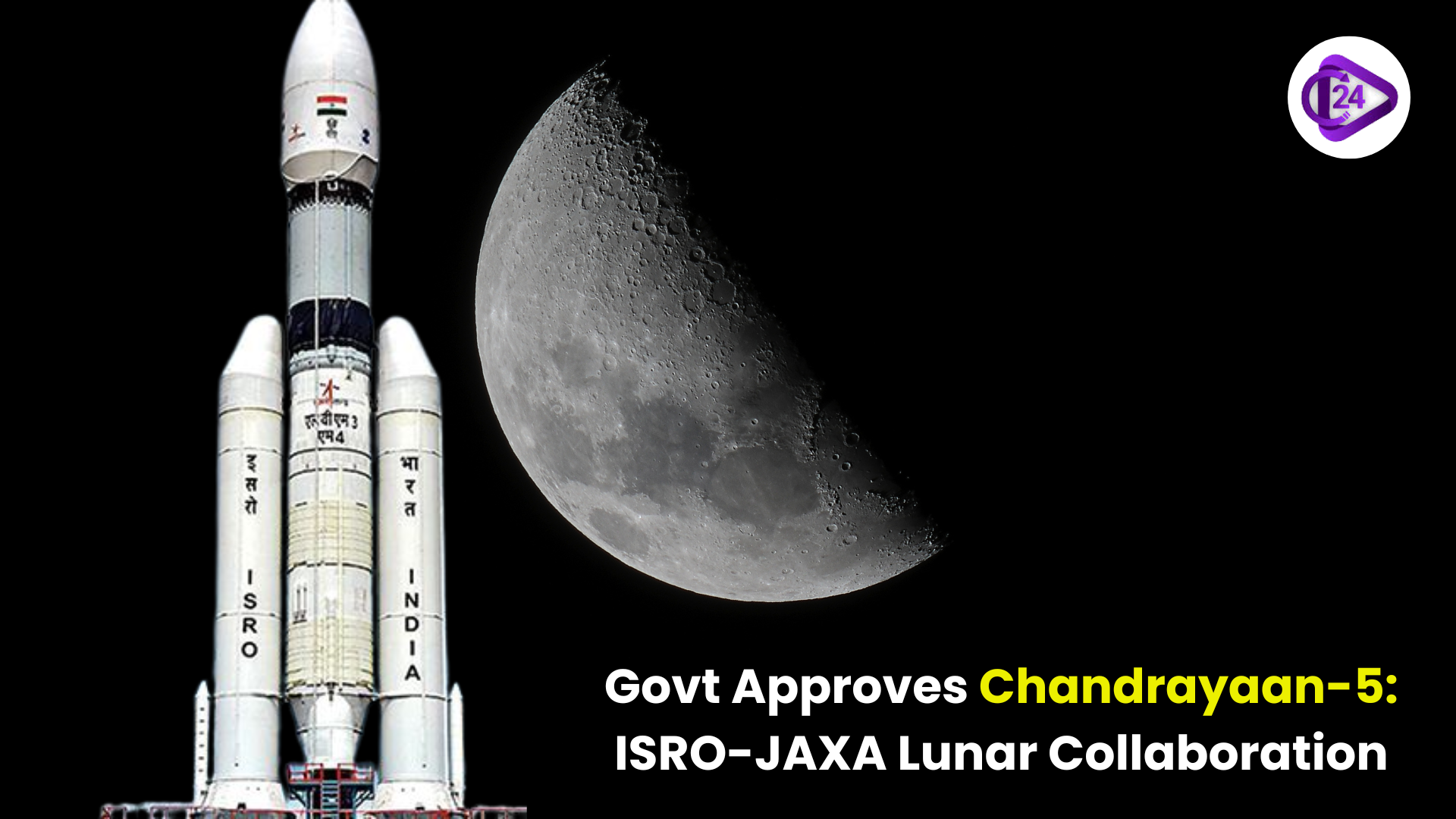
Chandrayaan-5 Mission Approved: ISRO-JAXA to Collaborate on Lunar Exploration

LUPEX, another name for Chandrayaan 5, is set to look for water and ice on the Moon. Around 2027 or 2028, the satellite will be sent into space from Japan’s Tanegashima Space Center riding the Japanese H3 launch vehicle. While ISRO develops the lunar lander, JAXA will supply the rover that can find water and take samples from the lunar soil independently. The payloads carried include five from India, two from Japan and three from each of the NASA and the European Space Agency for the mission. Chandrayaan 5 carries on India’s exploration of the Moon and supports plans for manned missions in the next two decades.

Context 

  • Chandrayaan 5 brings together India and Japan to explore the Moon further, this time geared towards discovering water resources on the lunar surface. 

  • It is built upon the achievements of earlier Chandrayaan missions that helped India join the field of space exploration.

Key Points 

Mission Objective:

  • Find and study cases of water and water-ice under the lunar surface.

  • Soil on Mars is being studied by the rover’s advanced equipment at its current location.

Launch Details:

  • Launch vehicle: The H3 rocket of Japan features three stages and uses both solids and cryogenic fuels.

  • Launch site: Tanegashima Space Center, Japan.

  • Tentative launch: 2027-28.

  • Mission duration: It may take between 100 days and up to one year after landing.

Collaboration:

  • Making the lunar lander will be done by ISRO.

  • JAXA is expected to build a Mars rover that weighs about 350 kg.

  • Total craft weight: Approximately 6,500 kg.

Scientific Payloads:

  • Total 10 payloads: 5 from JAXA, 3 from ISRO, 1 for NASA and 1 for the ESA.

  • Notable payloads include: REIWA, LTGA, Neutron Spectrometer, Ground Penetrating Radar and other instruments exist for this purpose.

Previous Chandrayaan Missions:

  • Chandrayaan-1 (2008): First ever Indian lunar mission which also found water ice on the Moon.

  • Chandrayaan-2 (2019): Orbit was successful; however, the lander crashed and left most of the mission objectives unmet.

  • Chandrayaan-3 (2023): The mission landed at the South Pole of the Moon and the rover functioned throughout the 29 days on the Moon.

  • Chandrayaan-4 (planned): Sample return mission targeting 2027 launch.

Significance of Lunar Water:

  • By splitting water, it is possible to make hydrogen and oxygen used for rockets.

  • With water on the Moon, future crewed missions can limit their need for fuel sent from Earth.

Conclusion

Chandrayaan 5 is a crucial part of India’s lunar exploration plan as it uses both technological and international opportunities to explore the Moon. If successful, the mission will help humans live sustainably on the Moon and supports India’s target to land astronauts by 2040, improving India’s role in the exploration of space globally.

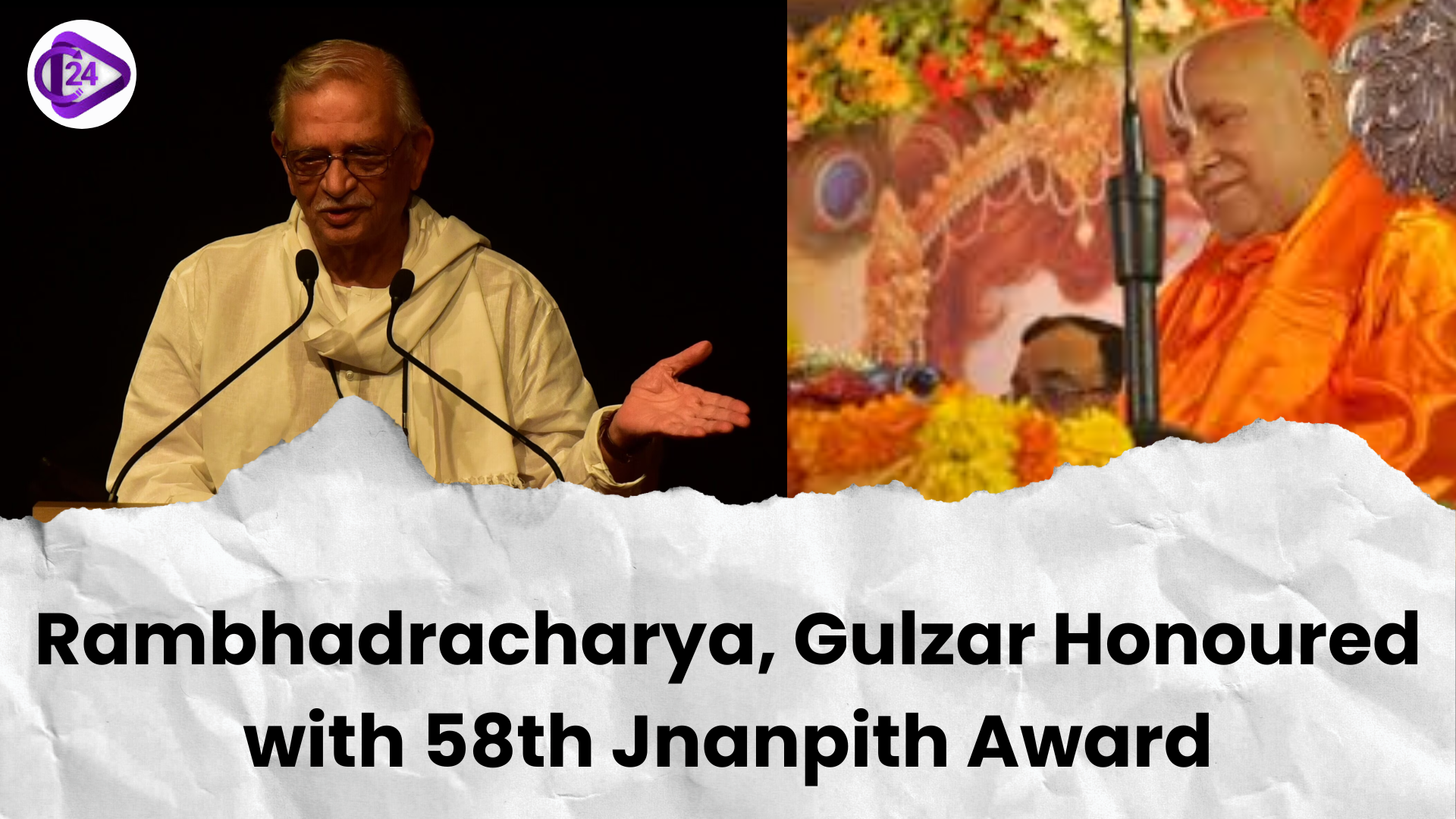
Scholar Rambhadracharya and Lyricist Gulzar Honoured with Jnanpith Award by the President

The Jnanpith Award is the highest literary award in India, celebrating outstanding literary achievements in various Indian languages. It celebrates the richness and diversity of Indian literature by recognizing both established gurus and modern writers. However, Gulzar’s absence did not diminish the recognition and appreciation shown toward the recipients. The award honors their diverse achievements and serves to motivate writers and scholars in India. Rambhadracharya's awareness of Sanskrit and Gulzar's artistry nourish Indian culture.

Context:

  • President Droupadi Murmu honors poet-lyricist Gulzar and Sanskrit scholar Jagadguru Rambhadracharya with the 58th Jnanpith Award for their significant contributions to Indian literature. 

  • Gulzar is known for his notable contributions to Hindi cinema and poetry as well as Urdu literature, whereas Rambhadracharya is revered for his spiritual guidance and depth of Sanskrit literature. 

Key Points

  • Awardees:

    • Jagadguru Rambhadracharya: Prominent Hindu educator and author in various genres of Sanskrit literature.

    • Gulzar (Sampooran Singh Kalra): A highly accomplished writer of poems and lyrics for Hindi and Urdu films.

  • Contributions:

    • In addition to publishing many volumes, Rambhadracharya is an authority in Sanskrit literature and has composed four epics.

    • Gulzar is well-known for his creativity as a poet and lyricist, shaping the world of Hindi cinema and Urdu poetry alike.

  • Recognition:

    • Rambhadracharya was honored with an award certificate, a financial prize, and a bronze image of Vagdevi Saraswati.

    • The President acknowledged Gulzar for maintaining his creative output despite undergoing various health issues.

  • Presidential Remarks:

    • The President highly praised Rambhadracharya for his varied works in literature and society.

    • She pointed out Gulzar’s sensitivity in writing and expressed how he inspires both the arts and literature.

  • Notable Facts:

    • Rambhadracharya started his education in religious scriptures even before adolescence and has received many educational honors.

    • Gulzar, at 90, is recovering from illness and was wished an early return to better health.

Jnanpith Award: Key Points

  • India's oldest and most prestigious literary award, recognizing outstanding contributions to Indian literature

  • Bharatiya Jnanpith formed and introduced the Jnanpith Award in 1961.

  • Languages Covered: Writings in any of the Indian languages recognized by the Constitution are considered for the prize.

  • First Award: The first Jnanpith Award was given to G. Sankara Kurup in 1965 for his work in Malayalam.

  • Selection Process: A group of literary scholars reviews and chooses the honoree.

  • Award Includes: Agreement certificate, Rs. 1,11,111, and a copper statue of Saraswati.

  • Purpose: To honor outstanding literary achievement and perpetuate Indian literary culture.

  • Notable Winners: G. Sankara Kurup, Amrita Pritam, Mahadevi Verma, Gulzar, and Rambhadracharya are among those who have received the honor.

Conclusion:

Honoring Jagadguru Rambhadracharya and Gulzar with the Jnanpith Award highlights India’s abundance of cultural and linguistic traditions. Their work ensures that the classical traditions live on while encouraging new generations to creatively carry forward Indian literature. This award promotes India’s dedication to honouring intellectual and artistic achievement by individuals from every part of the country and in every language.

Frequently Asked Questions (FAQs)

The current affairs cover recent national and international events related to UPSC, SSC, Banking, Railways, and State PCS.

You need to read about the current affairs daily, and revise them every week and every month to keep them longer in your memory.

Yes, Class24 provides free downloadable Daily Current Affairs PDFs for easy revision.

Yes, you can practice MCQs and quizzes to boost your exam preparation.

Absolutely. The content is written in simple, easy-to-understand bilingual language suitable for beginners.

Go to class24.com and click on the current affairs section directly, where you find everything that you need.

ssc-toppers

Start Learning Today with Class24

Related current affairs

Class24 offers free video lectures for smart preparation, covering CGL, CPO, CHSL, MTS, and GD exams. Learn from expert faculty, revise concepts easily, practice with PYQs, and improve speed and accuracy through high-quality, exam-focused video lessons anytime, anywhere.

Get success in your hand. Start study anytime anywhere.

The journey becomes simple and enjoyable when you start taking interest in it. And through our app “Class24”, we will be your trusted partners in developing that interest.

Daily Quizzes
Mock Tests
Ongoing

No ongoing tests right now.