

Day: May 15, 2025

Indore has been declared India’s first beggar-free city

Indore, Madhya Pradesh has been declared India’s first beggar free city under Bhiksha Vriti Mukta Bharat initiative by the Ministry of Social Justice and Empowerment. This accomplishment is awarded by the world bank and this is as a result of the constant rehabilitation that is carried under the sub-scheme of the SMILE scheme whereby comprehensive rehabilitation of persons involved in begging is targeted at.

Context:

  • Indore became the first city of India to be free of begging due to some proper rehabilitation strategies in the ministry of social justice and empowerment’s SMILE scheme.

Key Points:

  • Begging in India:

    • Involves seeking alms through such actions as singing, selling goods, or showing deformities.

    • Census 2011 reported 4.13 lakh beggars nationally; SECC 2011 estimated 6.62 lakhs of rural households who depended on begging.

    • The highest numbers are recorded in Uttar Pradesh, Bihar, Maharashtra, and Madhya Pradesh.

  • Legal and Constitutional Framework:

    • Concurrent List (entry 15) is what governs the vagrancy and begging, and this gives Centre and states powers to enact laws.

    • No uniform central law; Begging is criminalized through the Bombay Prevention of Begging Act, 1959.

  • SMILE Scheme (Launched 2022):

    • Concentrates on the rehabilitation of persons who are involved in begging and the empowerment of transgender persons.

    • Stores rehabilitation of at least 8,000 people from FY 2023-24 to FY 2025-26.

    • Engages in identification, profiling, and empathetic engagement with beggars for rehabilitation on a consent basis.

  • Rehabilitation Strategy:

    • Includes coordination with district administrations, NGOs, SHGs, temple trusts, and local bodies.

    • Provides counseling, education, and reintegration to rehabilitate individuals.

    • Photo/ Video documentation for profiling and monitoring.

Conclusion:

Indore’s becoming India’s first beggar-free city is a stepping stone towards the effectiveness of a combined, compassionate rehabilitation mechanism in government schemes. It establishes a copyable model for other urban centres that seek to solve the intricate social issue of begging using humane and sustainable practices.

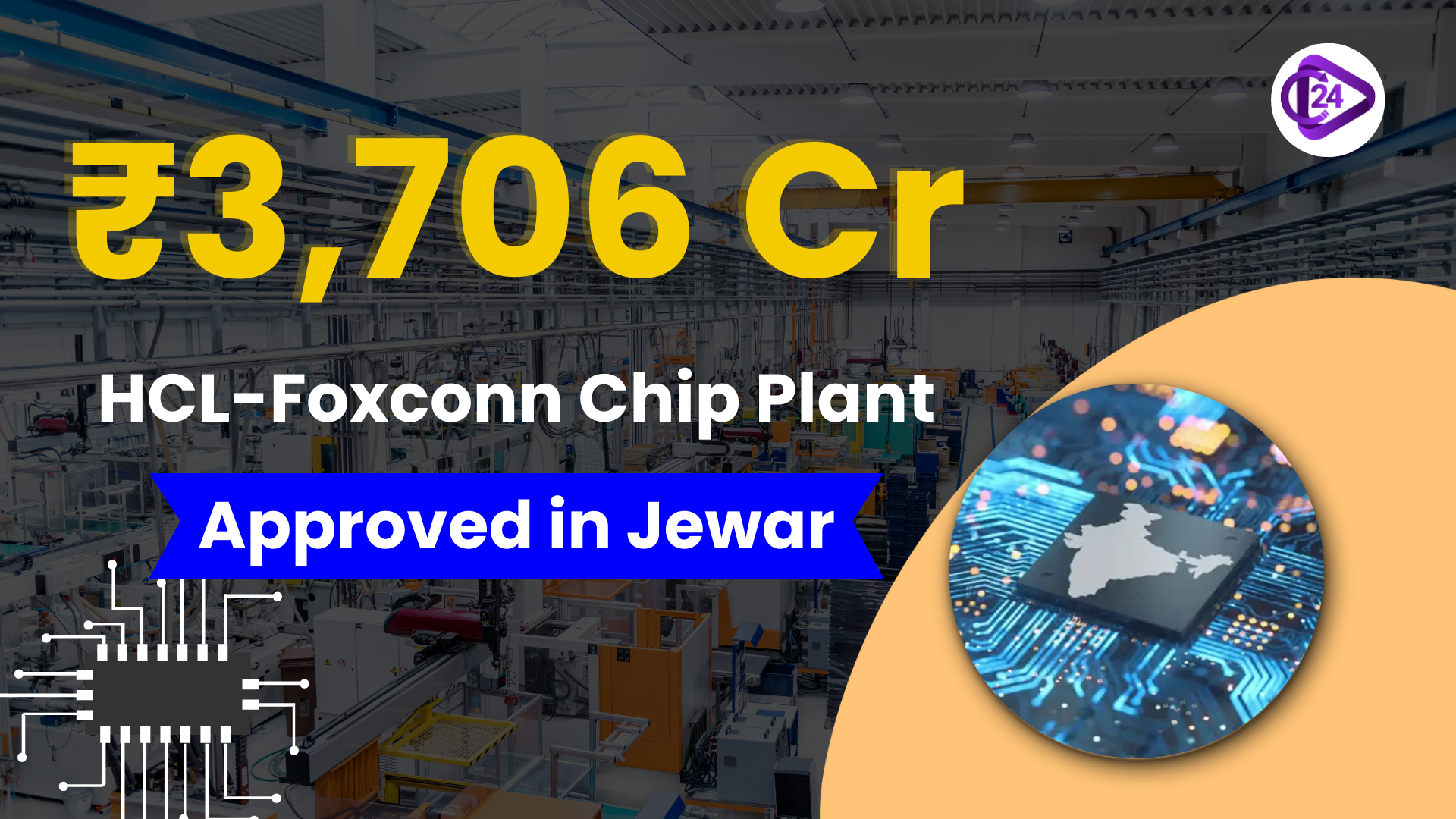
Union Cabinet Approves ₹3,706 Crore HCL-Foxconn Semiconductor Plant in Jewar, Uttar Pradesh

The Union Cabinet has cleared India’s semiconductors with a major power as the Cabinet approves a joint venture between HCL Technologies and Foxconn to set up the semiconductor assembly and packaging plant at Jewar, Uttar Pradesh, worth ₹3,706 crore. This project is one of the initiatives under the India Semiconductor Mission that seeks to foster self-reliance and cut the import reliance on chips. The plant is set to start its operations in 2027 and will be a major contributor to local chip manufacturing and jobs.

Context:

  •  The HCL-Foxconn JV was approved by the Cabinet – the sixth semiconductor project under the India Semiconductor Mission and the first facility of its kind in Uttar Pradesh, with products to come out in 2027.

Key Highlights:

  • Investment & Incentives:

    • The investment comes to ₹3,706 crore, with ₹1,500 crore coming from government incentives.

  • Project Details:

    • Semiconductor assembly and packaging plant with specialisation on display driver chips in phones, laptops, cars and PC.

    • All adding to a production capacity of 20,000 wafers per month, the output per month would be 36 million units.

  • Location & Employment:

    • Located in Jewar Airport, under Yamuna Expressway Industrial Development Authority, Uttar Pradesh.

    • To create 2,000 jobs directly, promoting industrialisation in the region.

  • Background:

    • Foxconn’s past JV with Vedanta failed in 2023 on account of no viable tech partner.

    • India Semiconductor Mission, which was launched in 2021 with an initial outlay of ₹76,000 crore, aims at developing a robust semiconductor ecosystem.

    • India has already managed to draw 18 billion dollars in semiconductor investments.

  • Significance:

    • Encourages the Aatmanirbhar Bharat effort of India by minimizing foreign chip dependency and developing a strategic independence.

    • Aids Make in India and the Digital India endeavor.

    • Places Uttar Pradesh as a rising electronics-making hub.

Conclusion:

 HCL-Foxconn semiconductor facility in Jewar is a showcase project of the India Semiconductor Mission, which will help in boosting up chip-making capabilities of India, create large-scale employment as well as work towards ensuring India’s own technological autonomy. This is the key take on the way to transforming India into a global player in the semiconductor business.

Brazilian Scientist Mariangela Hungria Wins World Food Prize 2023

Mariangela Hungria, one of the most popular Brazilian scientists, was granted the prestigious prize of World Food Prize 2023 for her innovative research on biological processes, which increase the crops yield and decrease the dependence on chemical fertilizers. Her work has greatly changed the face of agriculture, notably in soybean production, making Brazil the leading soybean producer across the world.

Award and Achievement:

  • The Brazilian scientist Mariangela Hungria has received the award of the World Food Prize 2023.

  • She was rewarded for her pioneering efforts in the field of biological processes to boost crop yields.

  • The award comes with $500’000 from the Iowa-based World Food Prize Foundation.

Research and Contributions:

  • As for Hungria, it has been working on the reduction of the chemical fertilizer use and improving biological methods in agriculture.

  • Her key research involved:

  • Naturally fixing nitrogen in plants with the use of bacteria.

  • Liaison with the farmers directly to carry out these biological methods.

  • Specifically, Hungria’s work pertinently affected soybean production, making Brazil the largest producer of soybeans in the world.

Conclusion:

Hungria’s work is a perfect example of how science-based sustainable agriculture can help solve the global food security problems because it would increase the yield of crops, while reducing the impact on the environment, and could serve as a model for future agricultural progress around the world.


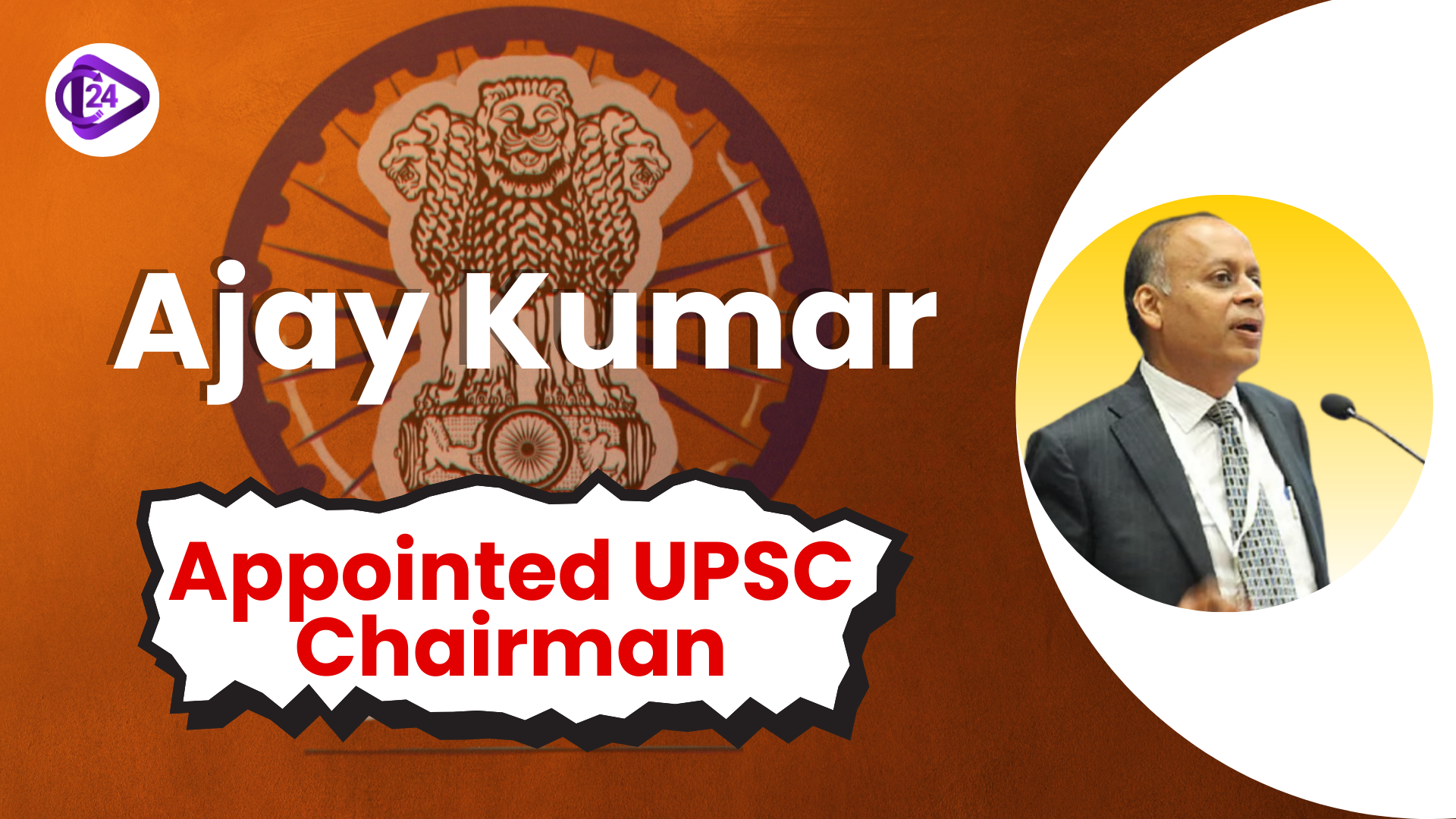
Ajay Kumar, a former Defence Secretary, has been appointed as UPSC Chairman

Ajay Kumar, a former Defence Secretary, is a 1985-batch IAS officer from Kerala state who has been appointed the new Chairman of the Union Public Service Commission (UPSC). His coming to office follows up after Preeti Sudan’s tenure is over on 29 April 2025. As provided for in the constitution, the appointment of the man has been confirmed by President Droupadi Murmu to serve for six years or when he turns 65 years old.

Context

  • The Chairman of UPSC has been taken over by Ajay Kumar, known for transformative reforms in defence and digital India initiatives, replacing Preeti Sudan.

Key Highlights and Contributions:

  • The appointment was given official status by the Department of Personnel and Training on 13th May 2025.

  • Term regulated under article 316(2) of the Constitution and UPSC regulations.

  • Ajay Kumar is a graduate of the School of Business Administration and Applied Economics from IIT Kanpur.

  • Held the position of Defence Secretary, the longest in the history of the Indian Defence Secretary, between August 2019 and October 2022.

  • Responsible for the critical reforms like establishing the Chief of Defence Staff, AtmaNirbhar Bharat initiatives, Agniveer scheme, and corporatisation of Ordnance Factories.

  • Was instrumental to Digital India projects such as UPI, Aadhaar, myGov, and Government e-Marketplace.

  • One of the major contributors to India’s electronics and mobile manufacturing policy (National Electronics Policy 2012).

  • Played important roles under the governments headed by the BJP, Congress, and as Left, as the leader of Kerala’s government and KELTRON.

Constitutional Provision of UPSC 

  • Articles 315 to 323: The Indian constitution has article 315 to 323 which details the procedures for forming the UPSC, its composition and roles undertaken by the same.

  • Article 315: enjoins the establishment of a Public Service Commission for the Union and each state.

  • Article 316: The appointment and term of office of the Chairman and other members of the commission.

  • Article 320: states functions of the UPSC, such as holding examinations for appointments in the services of the Union, advising the government on recruitment methods and rules of promotion, transfers and disciplinary matters and other service matters.

  • Article 321: Through Article 321, the Parliament, or the state legislatures, are enabled to extend the functions of the UPSC.

  • Articles 322 and 323: The salaries, allowances, and conditions of service of the members and staff of the UPSC.

Conclusion:

 Ajay Kumar’s appointment as the Chairman of UPSC will infuse a treasure-trove of administrative knowledge and a reform-seeking leadership to one of the central constitutional bodies of India for the recruitment of civil services. His prolific record of transformative reforms in the field of defence and digital governance is expected to build more transparency and efficiency in the UPSC operations.

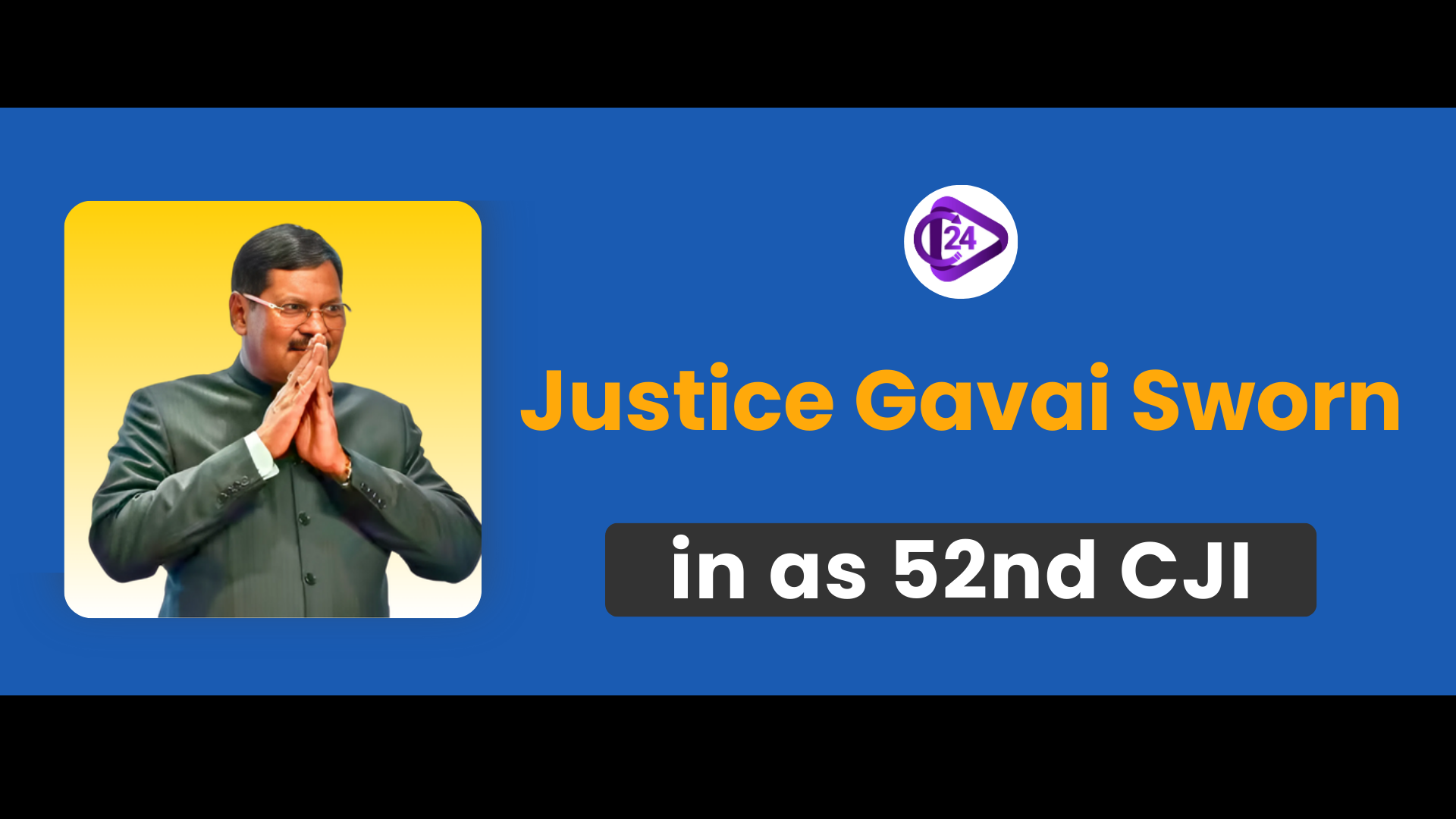
Justice Bhushan Ramkrishna Gavai was sworn in as the 52nd Chief Justice of India

Justice Bhushan Ramkrishna Gavai was sworn in as the 52nd Chief Justice of India at a ceremony held at Rashtrapati Bhavan on May 14, 2025, and President Droupadi Murmu administered. He is the first Buddhist to occupy the office and is famous for his brave and firm judgments. During his term of office, there is an impending resolution of major constitutional issues such as challenges to the Places of Worship Act and the Waqf (Amendment) Act, 2025. Justice Gavai has good exposure to constitutional law with his contribution to several landmark decisions. His term will end on the 23rd of November 2025.

Context:

  • Justice B.R. Gavai was sworn in as the 52nd Chief Justice of India, a landmark position of being the first Buddhist to be appointed in the post with some expected effective term on constitutional issues.

Key Points

Swearing-in Ceremony:

  • A new Chief Justice of India (CJI) took office on the form of Justice Bhushan Ramkrishna Gavai.

  • The ceremony was held in Rashtrapati Bhavan by President Droupadi Murmu.

  • Chief Justice Gavai made his oath in the Hindi language and swore to maintain the Constitution.

Personal Background:

  • Justice Gavai comes from Amravati, Maharashtra.

  • Born on November 24, 1960.

  • Son of Ramakrishna Suryabhan Gavai, who ruled as the Governor of Bihar and was also a Dalit leader.

Professional Journey:

  • Began his career as a lawyer in the Nagpur Bench of the Bombay High Court in the year of 1987.

  • Appointed additional judge of the Bombay High Court in the year 2003.

  • Promoted to the post of a Permanent Judge in 2005.

  • On May 24, 2019, Upheld as a Supreme Court Judge.

Notable Judicial Contributions:

  • Sustained the nullification of Article 370 of the Constitution.

  • Provided verdicts on important matters like electoral bonds and the scheduling of caste classification.

  • Famous for his bold and judgmental verdict.

Challenges Ahead:

  • Will listen to objections on Places of Worship Act and the Waqf (Amendment) Act, 2025.

  • To be the main players and contributors to judicial discourse on constitutional issues.

Judicial Philosophy:

  • Has faith in judicial independence and proper discharge of duties.

  • Supporters of the preservation of the separation and independence of the judiciary.

Facts 

  • Gavai’s term as the first Buddhist chief justice in India has symbolic importance.

  • His appointment is an indication of diversity and inclusivity of the Indian judiciary.

  • Due to his history of supporting the constitutional principles, his tenure is likely to be characterized by progressive legal interpretations.

Role and Functions

  • Head of the Judiciary of India

  • Chairs the Supreme Court in India

  • Designates Constitution Benches and divides work amongst the judiciary.

Appointment

  • Appointed by the President of India

  • The senior-most judge of the Supreme Court is usually appointed.

Tenure

  • Stays in office before reaching the age of 65 years.

  • Has the right to resign or can be sacked through impeachment procedure under article 124(4)

Removal Procedure

  • Started by either the House of Parliament

  • Needs the majority of the total membership and 2/3rd majority of the members present and voting.

  • On account of proven misbehavior or incapacity

First CJI of India

  • Harilal Jekisundas Kania (1950)

Significant Powers

  • The head of the administrative branch of the Supreme Court.

  • Proposes names for SC and HC judges’ appointment.

  • Plays a vital role in the judicial appointments through the collegium system.

Collegium System

  • Consists of the CJI and four top-most SC judges

  • Proposals for appointments and transfers of judges

Salary and Perks

  • Salary: Approximately ₹2.80 lakh per month

  • Perks: Residence, staff, and security, among others, are allowances.

Conclusion:

The selection of Bhushan Ramkrishna Gavai to be the Chief Justice of India highlights the judiciary’s recognition of diversity and aggressive legal interpretation. His tenure is likely to be characterised by firm decisions on vital constitutional questions, judicial autonomy, and adherence to democratic ideologies.


Frequently Asked Questions (FAQs)

The current affairs cover recent national and international events related to UPSC, SSC, Banking, Railways, and State PCS.

You need to read about the current affairs daily, and revise them every week and every month to keep them longer in your memory.

Yes, Class24 provides free downloadable Daily Current Affairs PDFs for easy revision.

Yes, you can practice MCQs and quizzes to boost your exam preparation.

Absolutely. The content is written in simple, easy-to-understand bilingual language suitable for beginners.

Go to class24.com and click on the current affairs section directly, where you find everything that you need.

ssc-toppers

Start Learning Today with Class24

Related current affairs

Class24 offers free video lectures for smart preparation, covering CGL, CPO, CHSL, MTS, and GD exams. Learn from expert faculty, revise concepts easily, practice with PYQs, and improve speed and accuracy through high-quality, exam-focused video lessons anytime, anywhere.

Get success in your hand. Start study anytime anywhere.

The journey becomes simple and enjoyable when you start taking interest in it. And through our app “Class24”, we will be your trusted partners in developing that interest.

Daily Quizzes
Mock Tests
Ongoing

No ongoing tests right now.