
Day: April 7, 2025

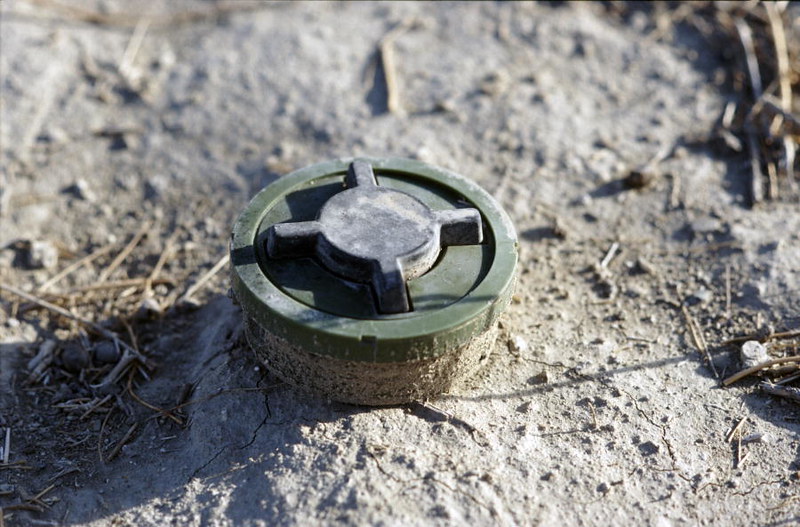
Ottawa Convention on Anti-Personnel Mines: Strategic Shifts and Humanitarian Concerns

Political tensions between NATO members and Russia have caused Poland and other member states along with Finland, Estonia Latvia and Lithuania to evaluate their position within the Ottawa Convention which bans all forms of anti-personnel landmine activities. Global disarmament efforts face significant changes which make experts worry about an upcoming increase in landmine utilization.

  • The intensifying political tensions with Russia between NATO member states including Poland and five other Baltic states push them towards considering departure from the Ottawa Convention's prohibitions on anti-personnel landmine operations, production and storage.

What is Ottawa Convention, or Anti-Personnel Mine Ban Treaty?

  • The Anti-Personnel Mine Ban Treaty known as the Ottawa Convention started operating worldwide in 1999 after its adoption during 1997 to stop the worldwide humanitarian disaster caused by landmines. 

  • Some NATO member states express strategic worries which could threaten the land mine reduction achieved by this treaty.

Key Highlights

Background of the Ottawa Convention

  • Concluded: 18 September 1997 (Oslo), Opened for signature in Ottawa (December 1997).

  • Entered into Force: 1 March 1999.

  • Objective: The aim of this agreement is to prohibit all nations from using anti-personnel mines along with prohibiting stockpiling plus producing and transferring these weapons.

  • Signatories: Over 160 countries. The five major states that did not sign up for the Ottawa Convention include Russia along with US and China as well as India and Israel.

Humanitarian Impact and Achievements

  • Over 40 million stockpiled mines were destroyed.

  • Drastic reduction in global landmine production and deployment.

  • The number of casualties decreased substantially and nation states strengthened their national mine action capabilities.

Victim Assistance

  • The administration must prioritize survivor rehabilitation and their return to the community as part of their assistance program.

  • The initiative works to support victim care programs within standard disability rights frameworks.

  • Development of community risk-reduction and awareness tools.

Recent Challenges and Withdrawals

  • Countries within NATO that will end their support for the international mine ban treaty include Poland along with Finland and Estonia together with Latvia and Lithuania.

  • The perceived Russian danger combined with military realignment requirements constitute the main drivers behind this decision.

  • The Norwegian government stays dedicated to the Convention because it views international landmine norms as essential to support.

Impact on Global Demining Efforts

  • During the administration of Donald Trump the United States dropped its leading position as a demining fund provider.

  • Some demining organizations have restarted their activities during March 2024 although their operating details remain unclear.

Civilian Casualties and Urgency

  • The International Committee of the Red Cross reports that landmine victims primarily consist of civilians exceeding 80 percent.

  • The ongoing conflict has turned Ukraine into the nation with the most extensive land mine contamination worldwide.

  • A critical situation demands international societies to actively prioritize soil de-mining operations and humanitarian relief programs.

Conclusion

NATO countries appear set to withdraw from the Ottawa Convention which creates an active conflict between military requirements and humanitarian obligations. Reintroducing anti-personnel mines would produce harsh continued effects which endanger civilian communities in the long run. During geopolitical shifts the world requires international diplomatic action to protect disarmament rule systems alongside maintaining regional security while preserving worldwide humanitarian values.

6th BIMSTEC Summit: Advancing Regional Cooperation in the Bay of Bengal

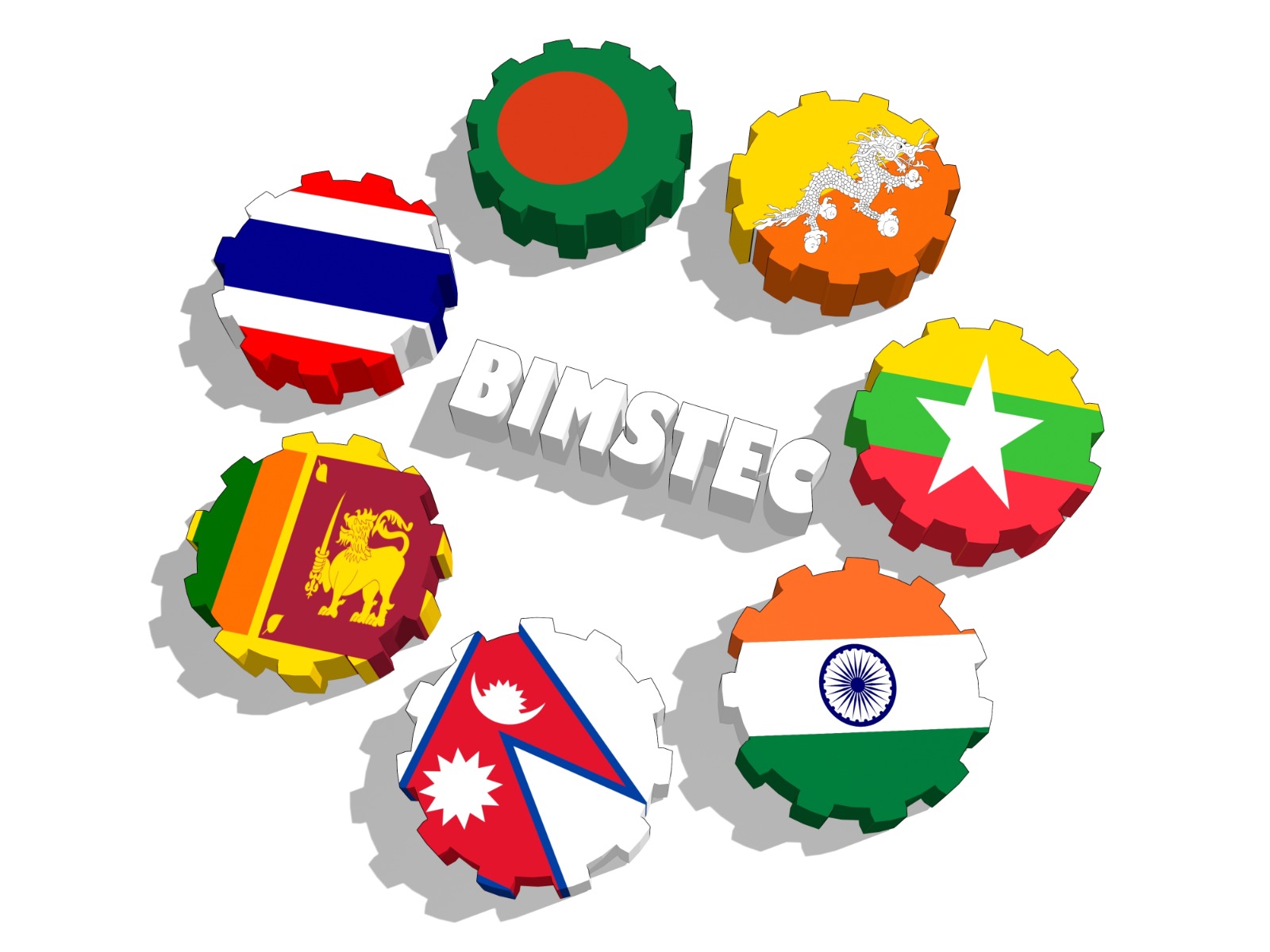
During the 6th BIMSTEC Summit which Thailand chaired, the Bay of Bengal countries displayed their mutual dedication to combine forces for improved regional consolidation alongside economic enhancement and disaster prevention and cultural development. Through its proactive programs such as Centres of Excellence and BODHI initiatives along with enhanced exchange programs India acts as a leader to build BIMSTEC into a unified region of economic prosperity.

  • Indian Prime Minister attended a summit which Thailand headed as the chair of the 6th BIMSTEC Summit. 

  • BIMSTEC focused on inclusive development while emphasizing maritime cooperation and global challenges combined with the goal of becoming prosperous and resilient and open through its summit theme.

Key Highlights of the 6th Summit

  • The Bangkok Vision 2030 document obtained adoption status to provide economic integration guidelines and infrastructure collaboration protocols and resilience strategies.

India's Major Announcements

  • India will create four new centers under BIMSTEC's expertise programs which focus on Disaster Management, Maritime Transport, Traditional Medicine and Agricultural Research.

  • The DPI digital platform should be integrated as part of a pilot initiative to enhance governmental oversight and service distribution.

  • BODHI Program: Skill development and capacity-building initiative across BIMSTEC nations.

  • Cancer Care Program: Capacity-building support for cancer care in the region.

  • A business summit organized by the Chamber of Commerce exists to develop trade between private sector entities.

Cultural and Youth Engagement

  • The BIMSTEC Athletics Meet (2025) along with the BIMSTEC Games (2027) and Traditional Music Festival together with Youth Summit and Hackathon and Young Professional Visitors Program strengthen ties between the people of member nations as well as cultural bonds.

About BIMSTEC

  • Founded: 1997 via Bangkok Declaration.

  • Members: Bangladesh, Bhutan, India, Myanmar, Nepal, Sri Lanka, and Thailand.

  • Objectives: Promote economic and technical cooperation in the Bay of Bengal region.

  • BIMSTEC's economic weight comprises the population of 1.7 billion people (22% of global population) whose combined gross domestic product stands at $5.2 trillion (2023).

Significance of BIMSTEC

  • The organization supports India's Act East Policy objectives.

  • Serves as an effective alternative to SAARC.

  • The organization functions as a security and HADR crisis-solving platform.

  • Strategic balance to China's BRI in the region.

  • The Bay of Bengal Studies (CBS) institution at its headquarters supports the cultural exchange initiatives.

Conclusion

The 6th BIMSTEC Summit established major achievements in regional diplomacy by creating specific initiatives that boosted economic unification with programs for disaster response management and cultural programs. India must provide strong leadership and vision to help BIMSTEC develop into a strong sustainable regional organization as it celebrates its 30th year in 2027.

Kaliyattam Nights: Theyyam and the Living Traditions of North Kerala

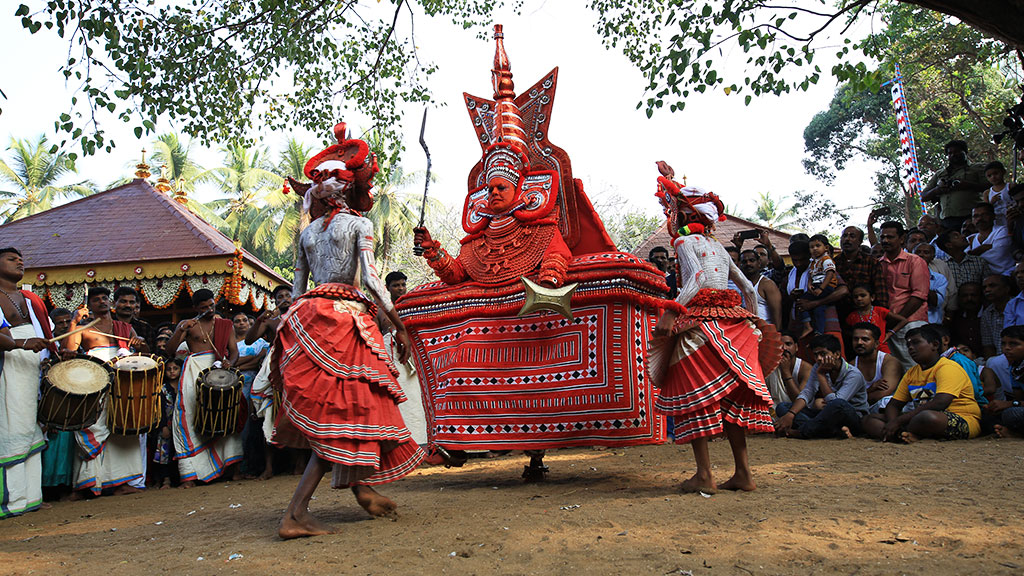
During Kaliyattam people in Northern Kerala celebrate this ritualistic festival with great enthusiasm at temples throughout Kannur district. The combination of sacred rituals at Chulayadu Aduvapuram Vyail Kavu provides audiences with Theyyam performances including Kathiranur Veeran which merge the sacred divinity with human celebration in a grand traditional festival.

  • Kaliyattam presents itself annually as a temple event that takes place throughout sacred groves throughout the district region of Kannur and Kasaragod in North Kerala. 

  • The festivals occur during a season from October throughput to late May or June to honor spirits of ancestors together with local divinities. 

  • Theyyam stands as the main ritual dance event which takes place during the Kaliyattam celebration.

Key Points

What is Kaliyattam?

  • The religious Kaliyattam temple offering includes performing Theyyam as the main temple activity.

  • The event functions both as a religious festivity and communal get-together to honor incarnations of divinity.

Theyyam Tradition

  • During Theyyam performances the performer acts as a channel which allows divine beings to appear physically among humans.

  • A distinct identity includes costumes with specific face painting along with headdresses which accompanies its narrative for each Theyyam tradition.

  • Kathiranur Veeran serves as one of the most dramatic warrior Theyyam characters.

Cultural and Religious Significance

  • Through this festival numerous myths as well as both oral stories and local tales become presented collaboratively.

  • Through its ritual performances low-status groups belonging to marginalized societies find the opportunity to represent themselves.

  • Through religious practices people represent their belief in cosmic balance together with divine fair judgment and community beliefs.

Performance and Rituals

  • The ceremonies take place in 'kavus' open shrines while featuring fire and drum music and producing both trance states and spiritual performances.

  • The performance continues continuously into the night while receiving major attendance from spectators.

  • People who attend the Theyyam interact with it for seeking blessings as well as receiving divinely inspired revelations.

Tourism and Heritage

  • Kerala draws many cultural tourism visitors through the performance arts Kaliyattam and Theyyam.

  • The local government advertises these traditions to visitors as cultural attractions of the state and religious vacation options.

  • The cultural heritage of India officially acknowledges this practice as its intangible heritage component.

Conclusion

During Kaliyattam nights the Kathiranur Veeran Theyyam performance brings together spirituality with local folklore and cultural heritage to form the social fabric of Kerala. Civil services preparation demands knowledge of Indo-Asian festivals that show India's distinct cultural performances because they link to community development and heritage preservation and regional ritual traditions.

World Health Day 2025: Strengthening Indian Healthcare for a Resilient Future

World Health Day 2025 focuses on "Healthy Beginnings, Hopeful Futures" while the world works together to enhance maternal and newborn healthcare. India celebrated this date with its health advancements in public health programs as well as digital systems and disease management alongside expanded healthcare reach. Indian government support for universal health care coverage and health equity continues to produce substantial advancement in maternal and child health results.

  • April 7 is celebrated as World Health Day which serves to remind us that public health requires universal global attention as directed by the WHO. 

  • The year 2025 targets maternal and newborn health improvement as both India and the WHO align to establish an all-encompassing healthcare delivery system under the MoHFW's ministry.

Key Points

Maternal and Child Health Achievements

  • The MMR measurement decreased from 130 between 2014–2016 to 97 between 2018 and 2020 leading to an 83% reduction since 1990.

  • Statistics show that IMR decreased from 39 in 2014 to 28 in 2020 at the same time NMR dropped from 26 to 20 and U5MR fell from 45 to 32.

  • The reduction numbers in India exceeded worldwide trends at every level.

Key Maternal Health Interventions

  • Maternal Death Surveillance and Response (MDSR).

  • MCP Cards and Safe Motherhood Booklets for awareness.

  • Anaemia Mukt Bharat (AMB) and Birth Waiting Homes (BWH).

  • RCH Portal for digital tracking of pregnancy and postnatal care.

Health Infrastructure Expansion

  • 1.76 lakh Ayushman Arogya Mandirs active.

  • Over 107 crore hypertension and 94 crore diabetes screenings.

  • The health service network now incorporates 17,000 facilities with National Quality Assurance Standards certification.

Digital Health Ecosystem

  • The Ayushman Bharat Digital Mission has successfully established 76 crore ABHA IDs.

  • eSanjeevani crossed 36 crore teleconsultations.

  • Through U-WIN digitization a total of 29 crore vaccine doses have been recorded.

Disease Control & Elimination Successes

  • The cases of Malaria decreased by 69% throughout 2017-23 which led to full elimination from the WHO's Highly Burdened Health Issues group.

  • Hindu Kush region eliminated both Kala-azar and Trachoma from their status as public health issues.

  • The TB incidence decreased by 17.7% while missing cases dropped by 83%.

Healthcare Affordability & Access

  • 55 crore+ beneficiaries under Ayushman Bharat PM-JAY.

  • 8.5 crore+ hospitalizations; 31,846 empanelled hospitals.

  • Special coverage for ASHA, Anganwadi, and senior citizens under Ayushman Vay Vandana.

Mental Health Initiatives

  • Tele-MANAS operates from 53 centers to serve over 20 lakhs people through phone calls while obtaining a budget of 230 crore Indian Rupees.

  • 440+ Rehabilitation and Halfway Homes operational.

Conclusion

The healthcare system of India plans to continue advancing towards a digital and inclusive healthcare system which will be celebrated during World Health Day 2025. Public health transformation in India becomes evident due to increased maternal and child healthcare focus together with strategic programs and digital advancement and disease prevention initiatives. Future achievement of universal health coverage along with building a resilient health system for everyone depends on sustained political dedication along with community participation and innovative healthcare approaches.

Revamping India’s Maritime Marvel: Pamban Rail Bridge (Rameswaram Bridge)

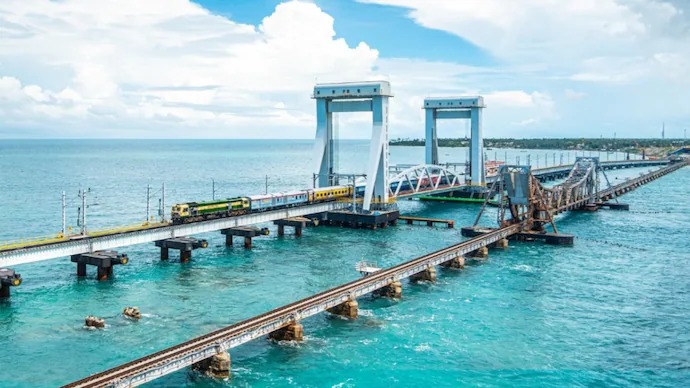
The Pamban Rail Bridge maintained its position as the connection from mainland India to Rameswaram Island from 1914 until the completion of India's first vertical lift railway sea bridge in April 2025 following modernization. The new Pamban Bridge establishes itself as an historic accomplishment by combining greater safety alongside rapid transport links and superior sea navigation capabilities which stand as achievements in both infrastructure development and coastal engineering in India.

  • The Pamban Bridge started operations during the British period in 1914 as the first sea bridge of India and functioned alone until 2010. 

  • Its valuable position for strategic goals as well as economic and pilgrimage operations made this key transportation route essential. 

  • Prime Minister Narendra Modi officially inaugurated the modern vertical-lift Pamban Bridge after a modernization due to corrosion and the aging condition of the structure in 2025.

About the Old Pamban Bridge

  • Rameswaram Island on the bridge connects with Mandapam which exists as a mainland portion of Tamil Nadu.

  • Built in: 1914 (completed in 2.5 years).

  • The Pamban Bridge was constructed by British India under the leadership of Madras Railway.

  • The Pamban Island connects with Mandapam through the towns of Rameswaram.

  • Unique Features:

  • India’s first and only sea bridge until Bandra-Worli Sea Link (2010).

  • The bridge contains Bascule (Scherzer lift) mechanism which consists of manual lever-operated double leaf sections for ship passage.

  • By moving a counterweight the two sections of a double-leaf bascule bridge can be lifted for ship navigation.

  • Length: 2.065 km with 143 piers and 12.5 m height above sea level.

  • Lifespan: Operated for 108 years before closure due to corrosion in 2022.

About the New Pamban Bridge

  • Construction Period: 2019 to March 2025.

  • The construction work was carried out by Rail Vikas Nigam Limited (RVNL) during a period of 7 years and cost a total of ₹531 crore.

  • Length: 2.08 km; 3 meters higher than old bridge.

  • Material: Corrosion-resistant steel with Polysiloxane Paint.

  • Design Life: 58 years.

  • Key Features:

  • India’s first vertical lift railway bridge with a 72.5m movable span.

  • The ship passage clearance has been improved through the 17m automated rise of the lift span (originally at 19m and now at 22m).

  • The facility enables double-electrified rail operations which supports both freight and Vande Bharat trains.

  • Solar-ready, energy-efficient infrastructure.

  • This structure benefits from 333 piles combined with 101 pile caps allowing it to bear heavy loads.

The 1964 Cyclone

  • A catastrophic cyclone along with a destructive tidal wave attacked Pamban Island on December 23, 1964 at night.

  • The 653 Pamban-Dhanushkodi Passenger train consisting of six coaches operated between Rameswaram and Dhanushkodi when it passed through the bridge at 11 PM.

  • The enormous waves destroyed the train as every person who boarded it perished.

  • The government declared Dhanushkodi town uninhabitable after the town received complete destruction from the cyclone.

  • Natural disaster vulnerabilities became clear in the region as the incident showcased the need for infrastructure that would resist disasters.

Strategic & Cultural Importance

  • Dhanushkodi functioned as the exclusive maritime link that connected mainland India with Rameswaram pilgrimage destination.

  • The humanitarian corridor function of Rameswaram served as an important connection during the Sri Lankan Civil War.

  • Dhanushkodi port became inaccessible after the 1964 tsunami damaged its facilities which led to an end of pre-tsunami Indo-Ceylon trade operations.

Engineering Marvel

  • Withstood natural disasters: Survived 1964 tsunami.

  • Indian engineering capabilities establish their ability to build first-class coastal and transport infrastructure.

  • Offers scenic connectivity across the Palk Strait.

Conclusion

Logged into a sustainable structure the Pamban Rail Bridge combines modern technological elements with historic significance. This modern bridge completes two crucial functions: it sustains a legacy marvel of the past and leverages improved regional interconnectivity and maritime advantages and economic growth.

India-Sri Lanka Sign Historic Defense Pacts For The Future

The defense cooperation pact between India and Sri Lanka marks a new point in bilateral relations which has emerged after forty years since India deployed its Peace Keeping Force during the Sri Lankan conflict. Nine strategic agreements complement a defense cooperation pact which seeks to advance mutual cooperation in various domains including defense security plus energy use and health care as well as digital systems and regional development.

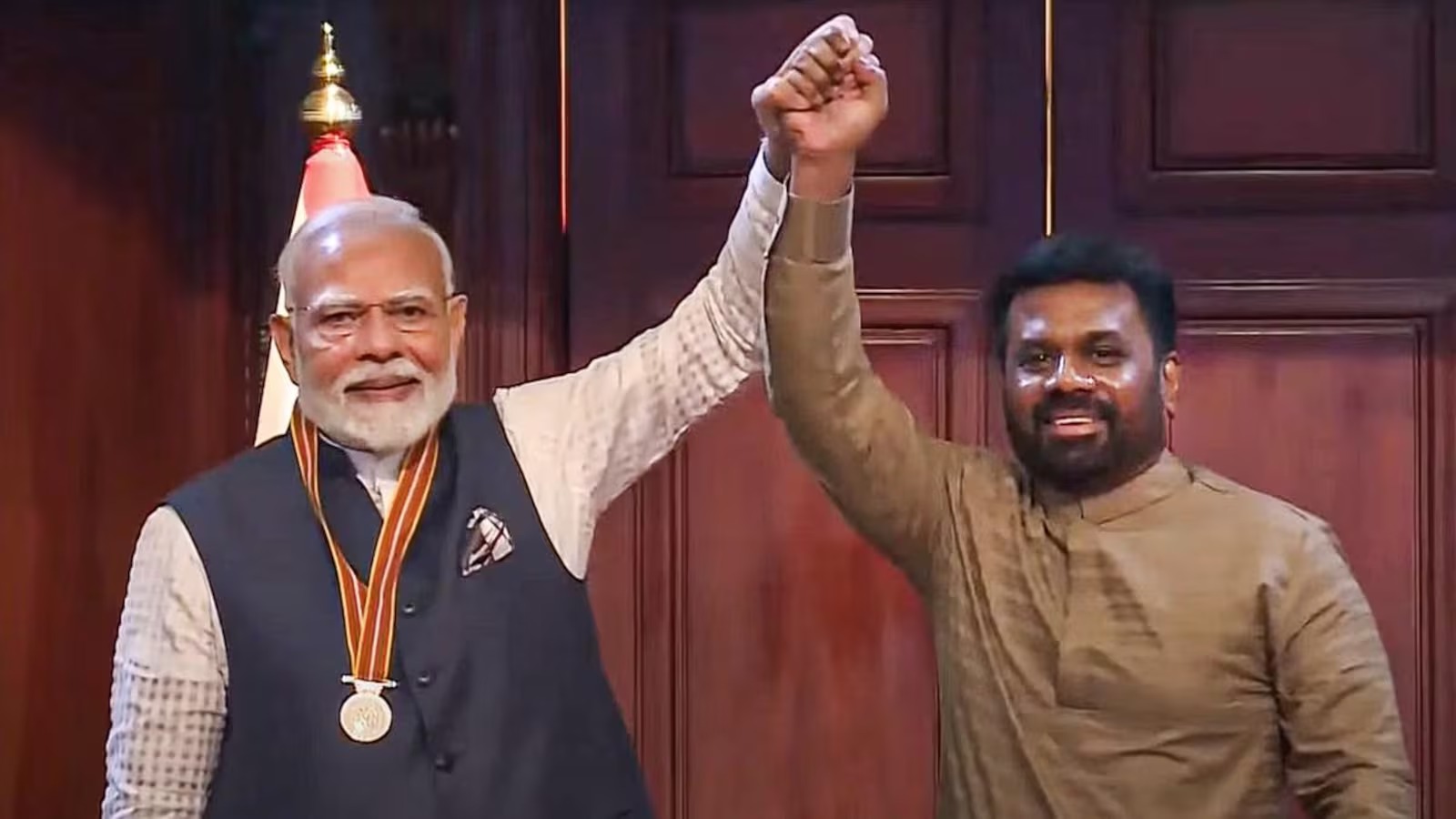
  • During his Colombo trip Prime Minister Narendra Modi finalized ten Memoranda of Understanding (MoUs) together with Sri Lankan President Anura Kumara Dissanayake. 

  • South Asian regional interests along with integrated security and digital and energy solutions drive the growing number of cooperative agreements that emerge between South Asian nations.

Defense Cooperation

  • First-ever formal framework MoU on defense between India and Sri Lanka.

  • The agreement covers joined military exercises and personnel training together with executive and military leader meetings.

  • The agreement promotes recognition between both countries regarding their security priorities.

  • Sri Lanka gave India an official promise that no Indian interest would be targeted from Sri Lankan soil.

Energy & Infrastructure Development

  • The groundbreaking event for the Sampur Power Project began to enhance Sri Lanka's power security outlook.

  • The three countries signed an MoU which aims to construct the Trincomalee energy hub.

  • The Grid Interconnectivity MoU enables commercial exchange of electricity between both nations.

Digital Transformation

  • Under the MoU India would provide assistance to Sri Lanka in developing its digital governance programs.

  • Facilitates adoption of Indian e-governance platforms in Sri Lanka.

Renewable Energy Initiatives

  • Rooftop solar installations on 5,000 religious institutions with $17M Indian credit.

  • The project aims to produce 25 MW of sustainable electricity.

  • Inclusive approach covering Hindu, Buddhist, Christian, and Muslim institutions.


Health and Medical Cooperation

  • MoU between Health Ministries of both nations for collaboration in healthcare.

  • Pharmacopoeial institutions need separate MoUs to achieve medicine standards harmonization.

Regional Support and Development

  • The Indian government established a 2.4 billion Sri Lankan rupee support plan.

  • The programming works toward economic progress in Sri Lanka's eastern parts.

Conclusion

This defense pact between India and Sri Lanka demonstrates broad strategic cooperation between the countries that covers both protection and economic growth. This arrangement plays a vital role while following India’s neighborhood-first diplomatic approach. This framework establishes mutual trust through which India can maintain lasting cooperation in key areas for thriving in the Indian Ocean Region.

Understanding the Kancha Gachibowli Protests: What Lives in Kancha Gachibowli? A Closer Look at Hyderabad’s Urban Forest

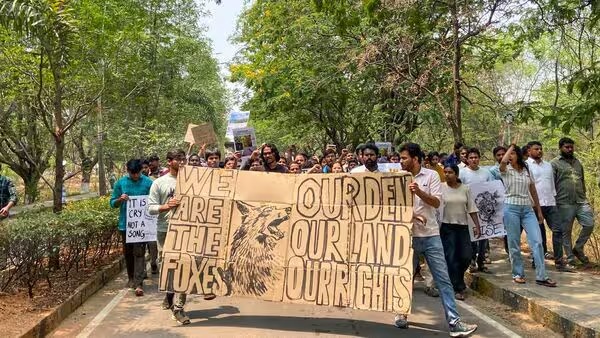
Kancha Gachibowli near the University of Hyderabad faces danger from proposed infrastructure development programs. This forest sanctuary maintains high levels of biodiversity together with essential ecosystem services because it shelters rare flora and fauna species that exist only in this region. Environmental protection together with urban planning and ecological education have found their center of discussion at this site. The University of Hyderabad student body together with civil society organizations and environmental activists battle against the planned infrastructure development because they raise institutional issues along with environmental reasons for opposition.

  • The western region of Hyderabad includes Kancha Gachibowli where financial development and fast-paced urbanization have reduced available green areas. 

  • A 400-acre rare ecological and open space area has faced new controversy since the Telangana government moved to auction this land for infrastructure development. 

  • University of Hyderabad students together with environmentalists and civil society members create opposition against the development plan because of their institutional and ecological objections.

Key Points about Kancha Gachibowli

Ecological Richness

  • Flora:

    • 700+ flowering plant species

    • Orchids, Flame of the Forest (Butea monosperma)

  • Fauna:

    • 220 bird species (e.g., Indian Roller, Oriental Skylark)

    • Migratory birds

      • Wild porcupines and monitor lizards and spotted deer alongside wild boars comprise the faunal members along with reptiles and mammals.

      • Rare species: Hyderabad Tree Trunk Spider (Murricia hyderabadensis)

Ecosystem Services

  • The ecosystem performs carbon sequestration functions which lead to temperature decreases by up to 1.4°C in the surrounding area.

  • The habitat enhances atmosphere quality while facilitating underground water storage and stopping soil destruction.

  • Serves as a buffer against Hyderabad’s heatwaves and pollution.

  • Societal and Educational Importance:

  • Research students together with university students rely on this protected forest to conduct biodiversity studies and ecological investigations.

  • The educational facility arranges nature tours and environmental educational events for students and visitors at this site.

  • The area attracts local people who use it for fitness purposes and restoration of health.

Threats and Concerns

  • The construction of a new road project plans to cut through the forest area thus endangering the forest habitat.

  • The project supervisors have failed to release an Environmental Impact Assessment (EIA) to the public.

  • Fear of irreversible biodiversity loss and degradation of ecosystem functions.

Calls for Conservation

  • The area requires designation as an urban ecological zone which civil society groups are lobbying for its preservation.

  • Scientific experts agree that Kancha Gachibowli maintains crucial importance for extended research of urban ecology.

  • Such forests play a vital role for climate resilience and they ensure Intergenerational justice according to activist groups.

Conclusion

Kancha Gachibowli serves as an actual representation of how humans and nature sustain a peaceful existence among each other without destructive interference. The Kancha Gachibowli dispute emerged from a combination between land ownership documents from the past and environmental defense needs and state financial requirements alongside citizen protests that kept growing year after year. The state authority utilizes this terrain to ease their economic dilemmas yet activists perceive the land as holding critical environmental value alongside essential institutional heritage. Public dialogue together with Supreme Court action seeks to guide this dispute towards resolving conflicts in a transparent sustainable manner.

Frequently Asked Questions (FAQs)

The current affairs cover recent national and international events related to UPSC, SSC, Banking, Railways, and State PCS.

You need to read about the current affairs daily, and revise them every week and every month to keep them longer in your memory.

Yes, Class24 provides free downloadable Daily Current Affairs PDFs for easy revision.

Yes, you can practice MCQs and quizzes to boost your exam preparation.

Absolutely. The content is written in simple, easy-to-understand bilingual language suitable for beginners.

Go to class24.com and click on the current affairs section directly, where you find everything that you need.

ssc-toppers

Start Learning Today with Class24

Related current affairs

Class24 offers free video lectures for smart preparation, covering CGL, CPO, CHSL, MTS, and GD exams. Learn from expert faculty, revise concepts easily, practice with PYQs, and improve speed and accuracy through high-quality, exam-focused video lessons anytime, anywhere.

Get success in your hand. Start study anytime anywhere.

The journey becomes simple and enjoyable when you start taking interest in it. And through our app “Class24”, we will be your trusted partners in developing that interest.

Daily Quizzes
Mock Tests
Ongoing

No ongoing tests right now.